Pelister National Park — A symbol of natural beauty, scientific value, and historical significance.
Established in 1948 as Macedonia’s first national park, Pelister is a protected area of exceptional biological and cultural diversity.
Nestled on Baba Mountain, it brings together dramatic glacial landforms, ancient Molika pine forests, pristine streams, and rich wildlife. Through education, conservation, and sustainable tourism, the Park transforms its natural heritage into an immersive experience for every visitor.
Location & Total Area
Baba Mountain — 17,150 Hectares
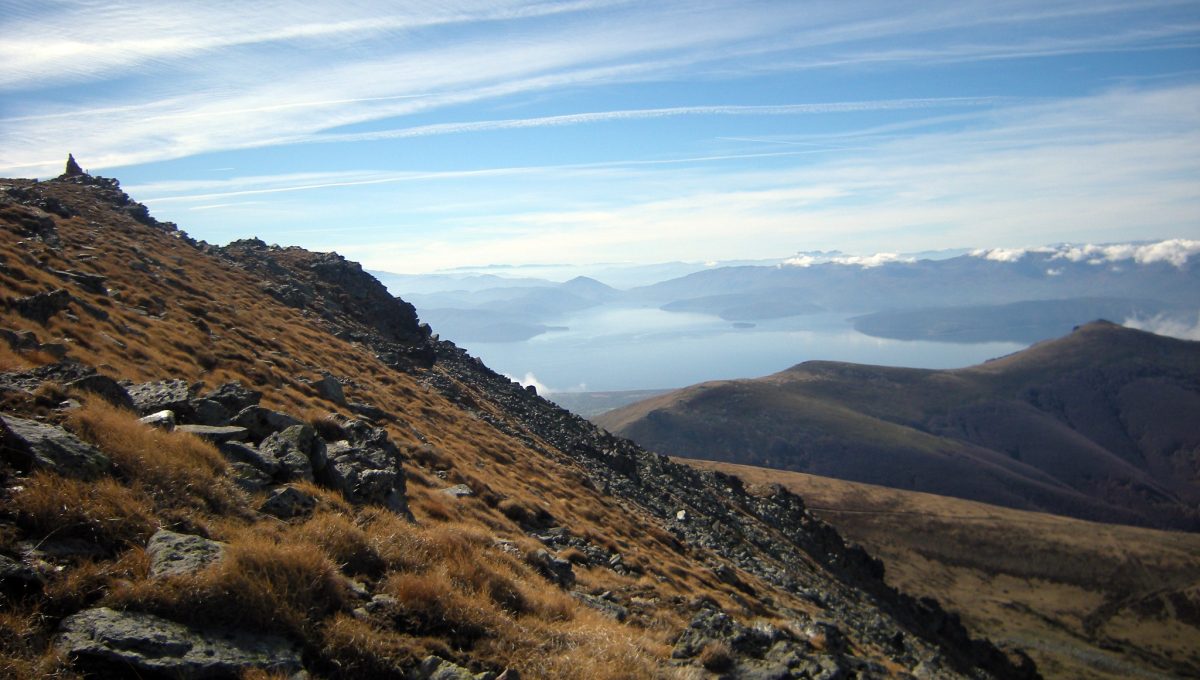
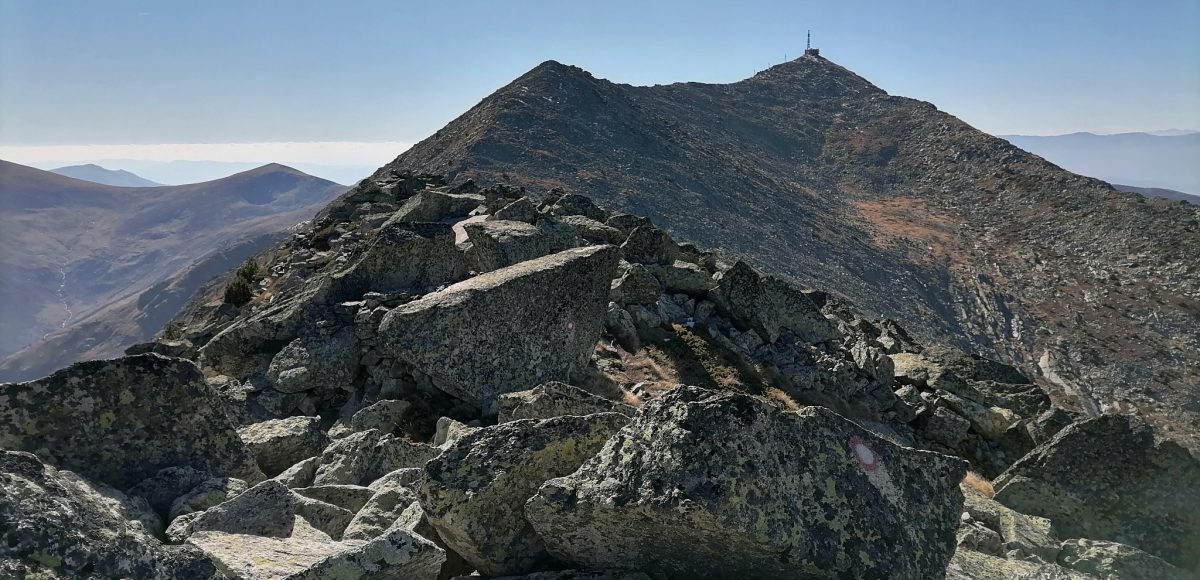
Spanning 17,150 hectares on Baba Mountain in southern North Macedonia, Pelister National Park encompasses the prominent Pelister Peak (2,601 m), alongside dramatic valleys, glacial lakes, and mountain trails.
The park features a diverse landscape shaped by glacial landforms and a rich hydrographic network, forming a natural mosaic of habitats and scenery of high ecological value.
Area
Natural Value & Preserved Ecosystems
Pelister National Park is an area of high natural value, renowned for its untouched beauty and exceptional biodiversity. Here, natural processes unfold undisturbed, ensuring the survival of endemic and native species.
Managed by a specialized team, the Park utilizes modern technologies and eco-friendly practices for continuous monitoring, conservation, and the development of sustainable tourism in harmony with nature.
History
Established in 1948 — Macedonia’s First National Park
Pelister National Park was officially declared by law on November 30, 1948, as Macedonia’s first national park. Ever since, Pelister has stood as an enduring symbol of conservation and natural pride.
Throughout its history, the Park has expanded and evolved through continuous research and initiatives that protect its rich biological and cultural heritage.
Meaning of the Name Pelister
Legends & Symbols
The name ‘Pelister’ originates from legends passed down through the centuries. According to one, it derives from the word ‘petlister’ (five-leaved) — a pine with five needles, representing the iconic Molika pine (Pinus peuce), the park’s most famous species.
Another legend connects it to the Greek word peristeri (περιστέρι), meaning dove, due to the mountain’s shape resembling a bird from afar. Ultimately, the name carries the spirit of nature, tranquility, and endurance that Pelister embodies.
August Grisebach — The Botanist Associated with Pelister
The scientist who discovered the endemic Molika pine
Heinrich August Rudolf Grisebach (1814–1879) was a German botanist and one of the pioneers of plant geography.
In 1839, he explored Baba Mountain, where he discovered and described the Molika pine (Pinus peuce) — an endemic species that today stands as the protected symbol of Pelister. His scientific breakthrough laid the foundation for the international recognition of the region’s unique ecosystem.