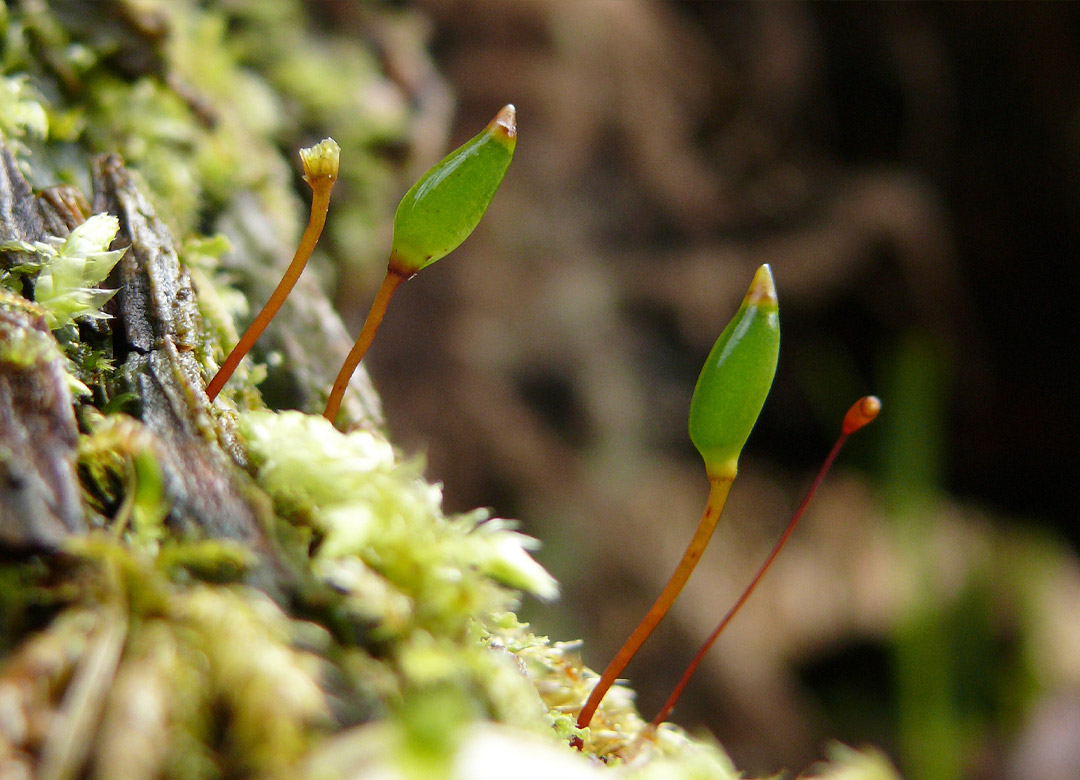
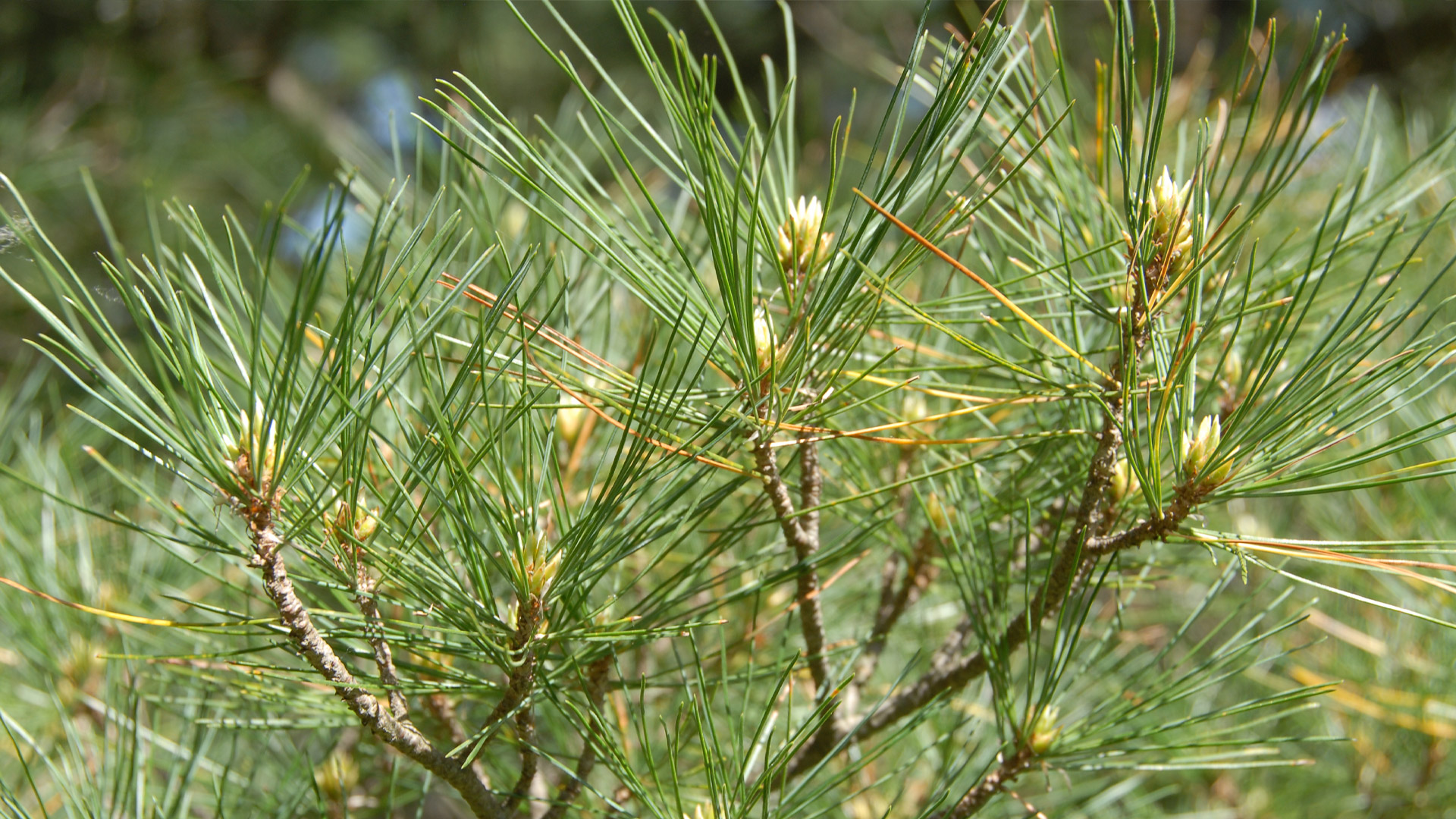
Pelister NP — home to over 1,000 plant species, most famous among them being the Molika pine (Pinus peuce), a five-needled pine that serves as the symbol of the Park and a Balkan endemic.
The flora of Pelister currently comprises 1,307 taxa. With its remarkable richness and diversity, Pelister’s plant life has always drawn the attention of researchers. The flora of Pelister and Baba Mountain first became known to the broader botanical community through the groundbreaking work of Grisebach (1843–1844), Spicilegium florae Rumelicae et Bithynicae, which published the first floristic data for Macedonia.
Grisebach was the first botanist to explore this mountain in 1839, describing several species new to science — including the Molika pine (Pinus peuce Grisebach), which has become the hallmark symbol of Pelister.
Pelister’s plant world is exceptionally diverse, giving the area extraordinary botanical importance. It is home to 88 tree species, accounting for 29% of Macedonia’s total dendroflora. Furthermore, the park’s vegetation includes 21 distinct plant communities, consisting of 8 forest and 13 herbaceous communities.
Molika
August Grisebach
The botanist Heinrich August Rudolf Grisebach (1814–1879) studied botany and medicine in Berlin and Göttingen, Germany, earning his doctorate in 1836. He served as a university professor of botany and plant geography at the University of Göttingen and as Director of the city’s Botanical Garden. He is widely considered the founder of plant geography (phytogeography). During his 1839 expedition to explore the flora of the Balkan Peninsula — then part of the Ottoman province of Rumelia — he visited Bitola from June 29 to July 8 of that year.
On July 2, 1839, accompanied by 11 Ottoman soldiers and Nikolaki Sterju from the village of Magarevo, Grisebach ascended Pelister, where he collected and pressed specimens of the five-needled pine. He assigned it the scientific name Pinus peuce, introducing a species new to science, officially published in 1844.
In 1844, he finalized the systematic taxonomy of the Molika pine, formally publishing it as a new species (species nova) under the name Pinus peuce. Due to his descriptions of Rumelian flora, the tree is known as the ‘Rumelian Pine’ in Russian, Czech, and German literature, while in English and Italian it is referred to as the ‘Macedonian Pine.’ In 1871, the scholar Jovan Cvijić introduced the name ‘Molika,’ which remains its most widely used common name today.
In 1969, the Bitola Society of Science and Art, Pelister National Park, and the Faculty of Forestry in Skopje organized the First International Symposium on the Molika Pine to mark the 130th anniversary of its discovery by August Grisebach. To commemorate the occasion, a memorial plaque was mounted on the rocks at ‘Lastojcin Kamen’ on Pelister.
The original herbarium specimens collected for the scientific community were gathered by August Grisebach on July 2, 1839. The holotype and allotype material from this historic collection are preserved to this day in the Grisebach Herbarium at the Botanical Institute in Göttingen, Germany.
ALGAE
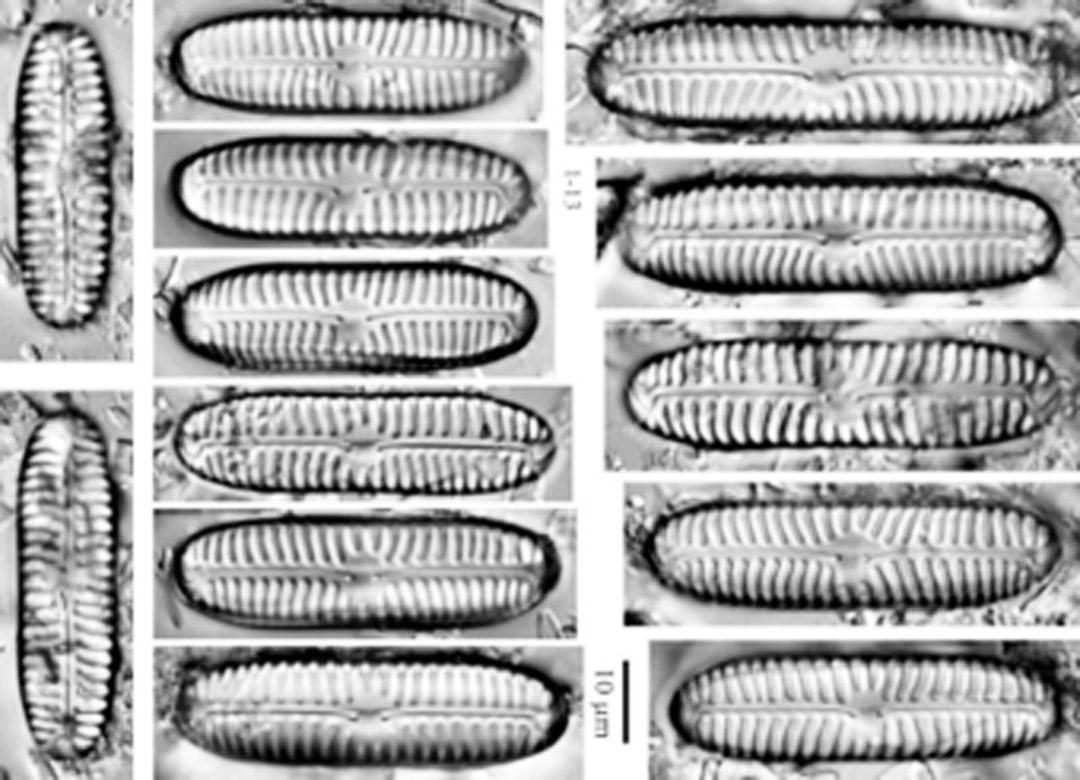
Diatoms (silicate algae) are single-celled, photosynthetic, eukaryotic organisms that inhabit a wide variety of aquatic and damp habitats. They can be found in environments such as springs, streams, rivers, ponds, marshes, and lakes, as well as marine ecosystems. Additionally, they frequently colonize moist micro-habitats including wet rocks, mosses, soil, and even caves.
The first scientific record of a new diatom species from Pelister was documented by Pavlov et al. (2009), describing Luticola grupcei Pavlov, Nakov & Levkov. Subsequent taxonomic studies by Lange-Bertalot et al. (2011) and Pavlov & Levkov on the genus Eunotia Ehrenberg described two new species: Eunotia macedonica and Eunotia pseudominor. These studies also recorded several rare species, such as Eunotia cantonatii, E. crista-galii, E. meisteroides, E. mihoi, E. nymanniana, and E. suecica, alongside two potential new species: Eunotia aff. curtagrunowii and Eunotia sp. pseudogroenlandica.
In research on the genus Pinnularia by Pavlov & Levkov, the species Pinnularia idsbensis was described from Pelister. Furthermore, a comprehensive study on the genus Luticola D.G.Mann identified multiple new species from samples collected on Baba Mountain, including Luticola aequalis, Luticola pseudoimbricata, L. subaequalis, L. triundulata, and L. vesnae (Levkov, Pavlov & Metzeltin).
Most recently, a taxonomic study on the genus Gomphonema Ehrenberg resulted in the description of Gomphonema pelisteriense Levkov, Mitic-Kopanja & E.Reichardt, derived from specimens gathered on Pelister.
VASCULAR PLANTS
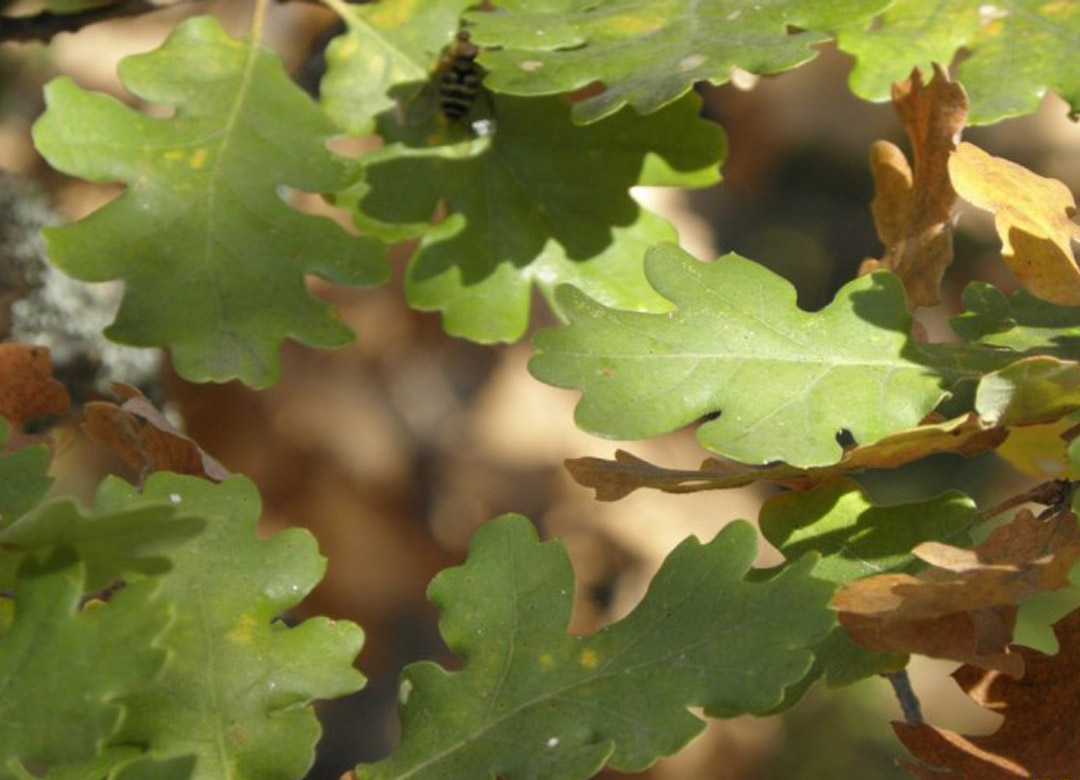
Turkey oak – Quercus cerris
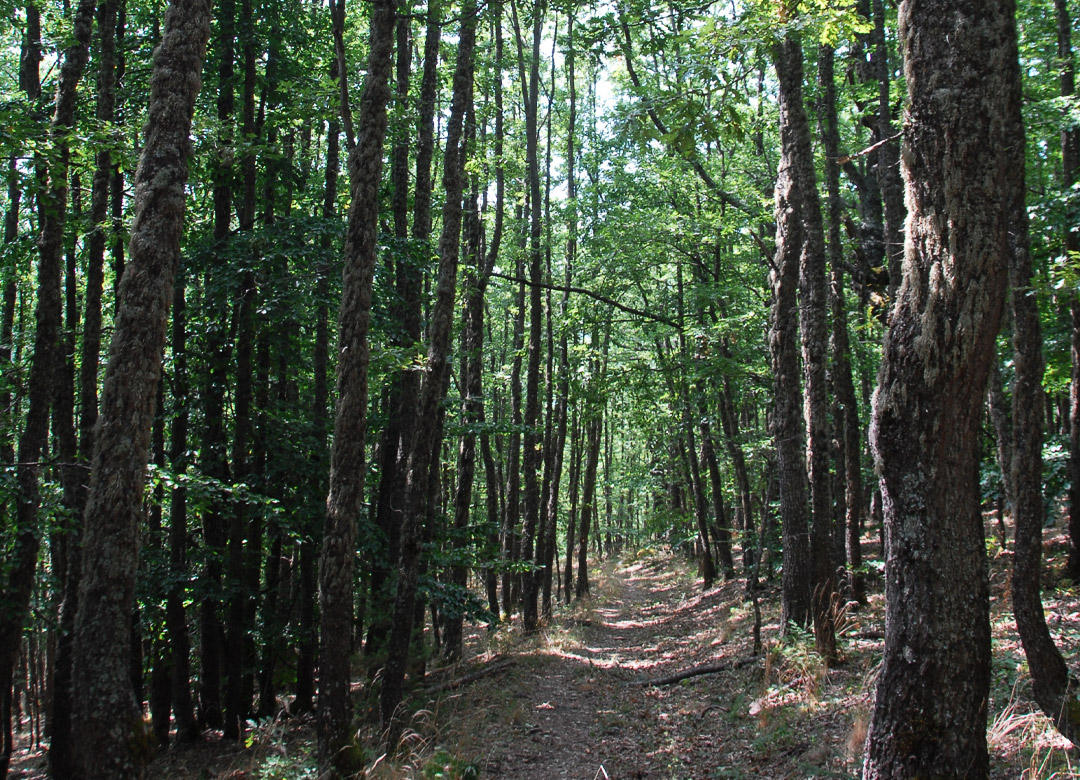
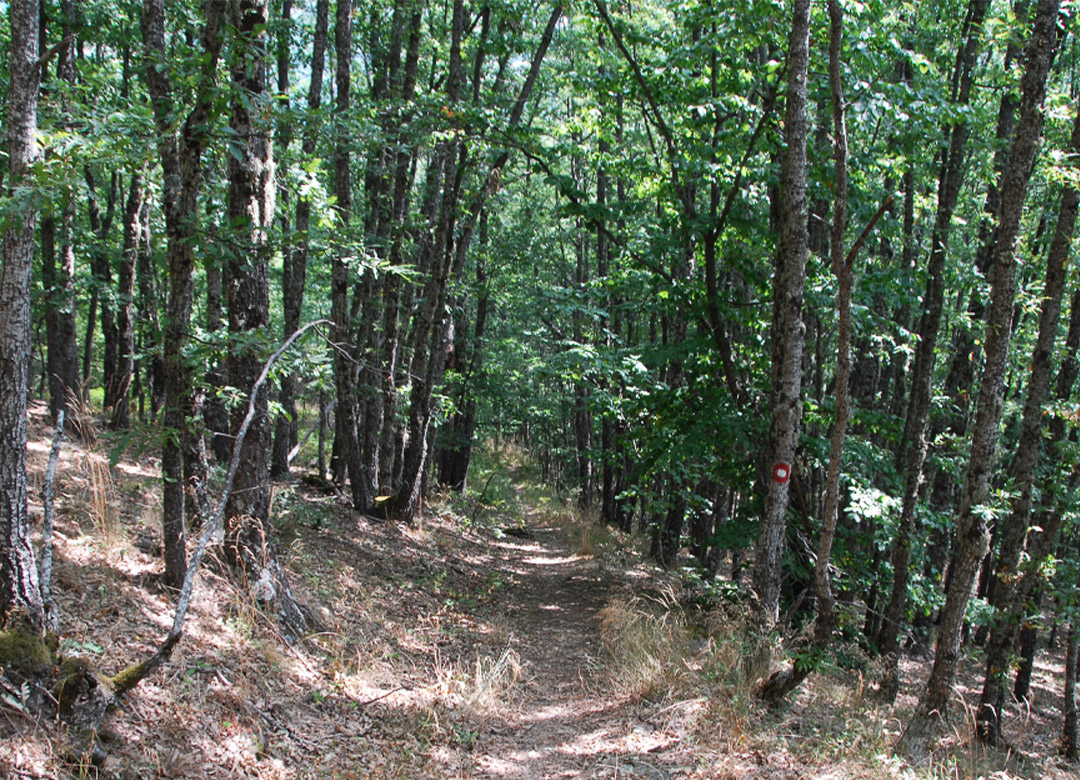
Turkey oak (Quercus cerris) is the most prevalent among the several oak species found on Pelister. Its native range extends from Spain all the way to Asia Minor. It is a deciduous oak growing up to 35 meters in height with a trunk diameter of up to 1 meter. It features thick, deeply longitudinal-furrowed bark ranging from dark gray to blackish, with a distinctive reddish tint visible within the inner fissures. Young twigs are downy, while awl-shaped stipules surround the small buds. The leaves vary in shape, most commonly ranging from oblong-ovate to elliptical.
Turkey oak is a thermophilic, light-demanding, and drought-resistant species. It thrives on various terrains regardless of bedrock composition. It regenerates through seeds and has a strong capacity to sprout, though it grows slowly. In nature, it typically occurs mixed within other oak woodlands, but it also forms pure stands where it plays a dominant (edificator) ecological role.
European Beech – Fagus sylvatica L.
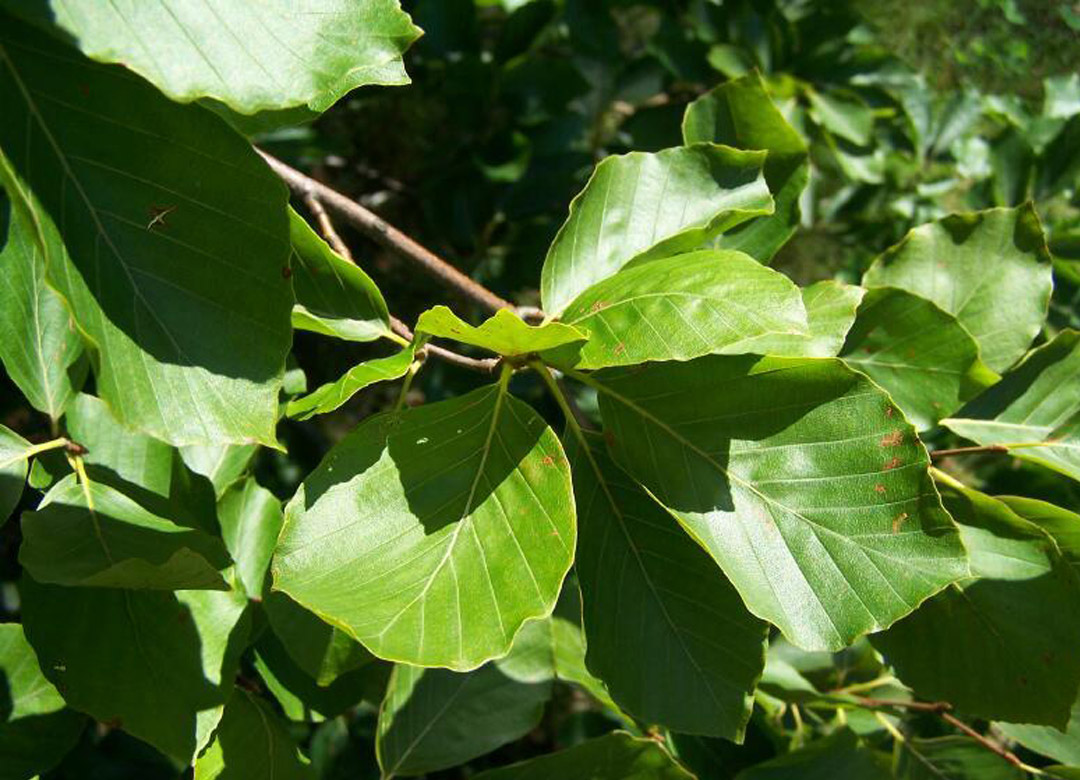
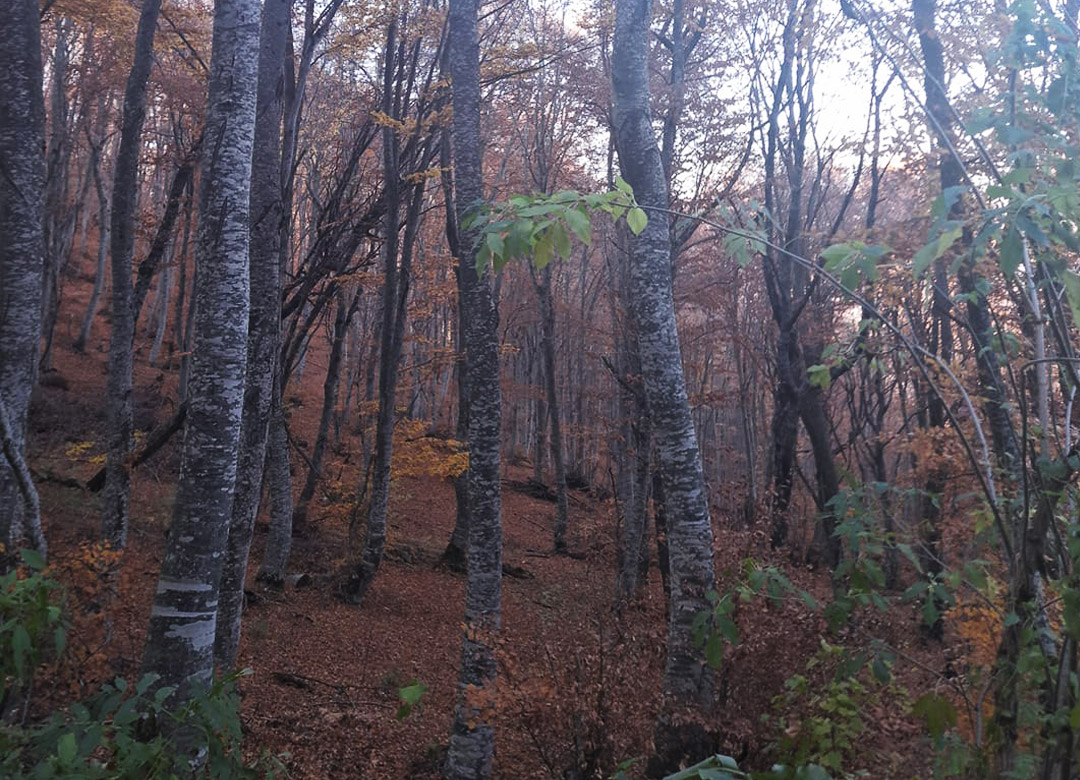
The European beech is a species of broadleaf tree belonging to the Fagaceae family and stands as the most widespread tree species in Macedonia. It thrives in regions characterized by mild winters and moderate summers. In Macedonia, beech forests are primarily restricted to mountainous zones, where they form a prominent feature of Pelister National Park.
The European beech is a deciduous tree known for its smooth, gray bark. Its leaves are entire or lightly toothed, measuring 5–15 cm in length and 4–10 cm in width. The fruit (beechnut) is small, sharp, and angular, measuring 10–15 mm long, with a high tannin content.
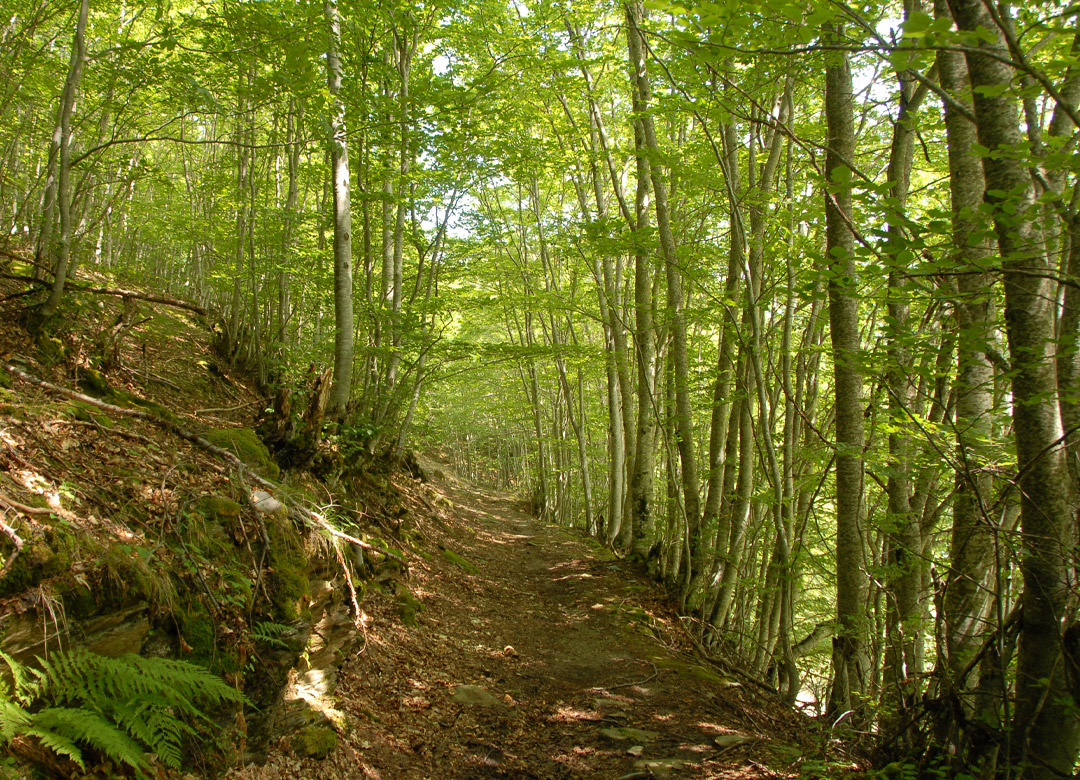
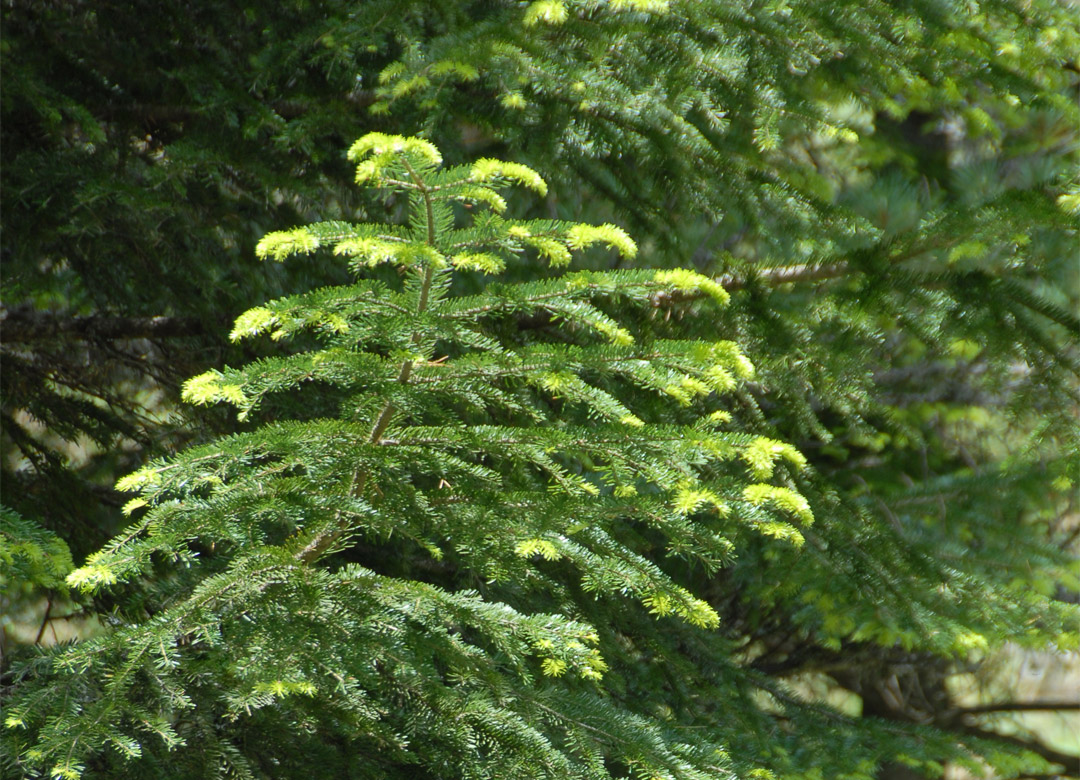
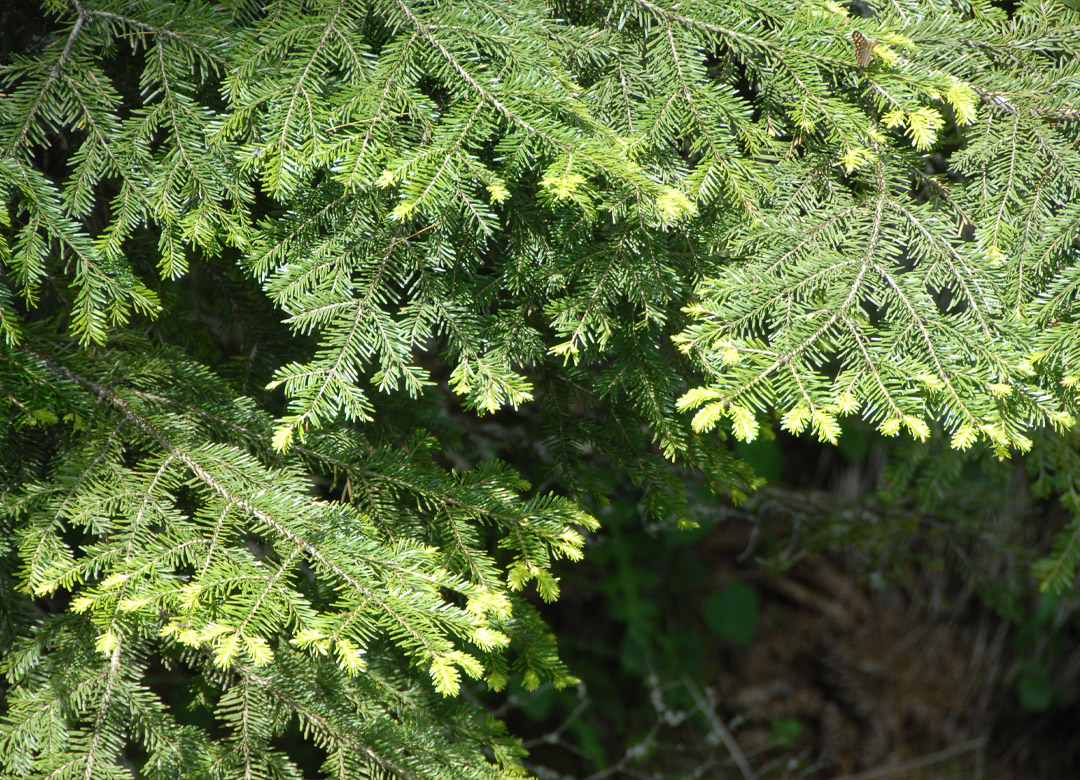
Silver Fir / European Silver Fir – Abies alba (A. pectinata)
The name alba (white) derives from the whitish-gray bark of young trunks, while pectinata (comb-like) refers to the comb-like arrangement of the needles along both sides of the twigs. The native range of the silver fir encompasses Central and Southern Europe. It is a large forest tree that typically grows to a height of around 40 meters, and under particularly favorable conditions up to 60 meters, with a trunk diameter reaching up to 2 meters. The leaves are needle-like and flat, measuring 2–3 cm in length, up to 3 mm in width, and displaying a dark green color.
It regenerates naturally from seed. In open environments, the fir reaches physical maturity at around 30 years of age, whereas in dense, closed canopy stands, this threshold is twice as high.
For optimal development, the silver fir requires deep, fresh, humus-rich, and mineral-rich soil. High atmospheric humidity is another essential prerequisite for its growth. While it withstands low winter temperatures, its young shoots are highly sensitive to late spring frosts. Furthermore, the fir is particularly susceptible to smoke and air pollution.
Because it thrives in moist and shaded micro-habitats, on Pelister it tends to establish itself in less sunlit areas, competing for space with the Molika pine.
Molika Pine – Pinus peuce Grisebach
The Molika pine ranks among the most significant endemic species of the Balkan Peninsula. During one of his botanical expeditions through the regions of the former Ottoman Empire, while visiting Bitola and ascending Mount Pelister in 1839, Heinrich August Rudolf Grisebach discovered the Molika pine. However, it was not until five years later, in 1844, that he formally described it as a distinct species. This discovery created a sensation in the scientific world of the era, leading to its cultivation across Europe and beyond — not only for scientific research but also as a distinguished park ornamental.
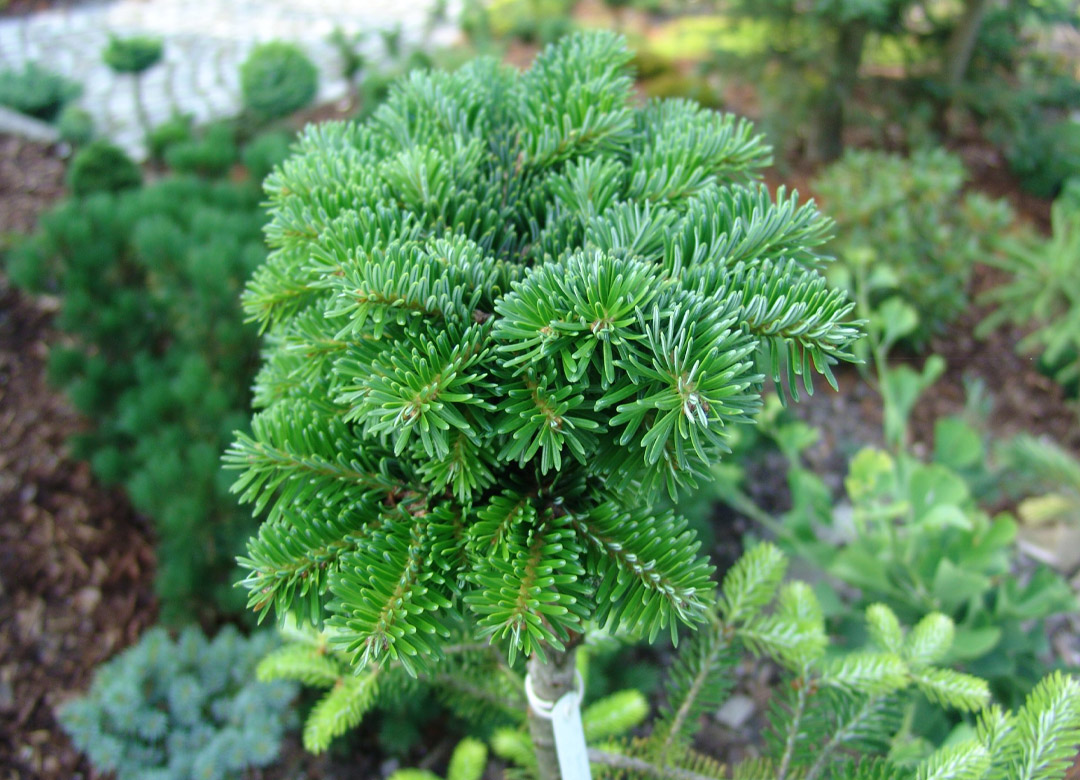
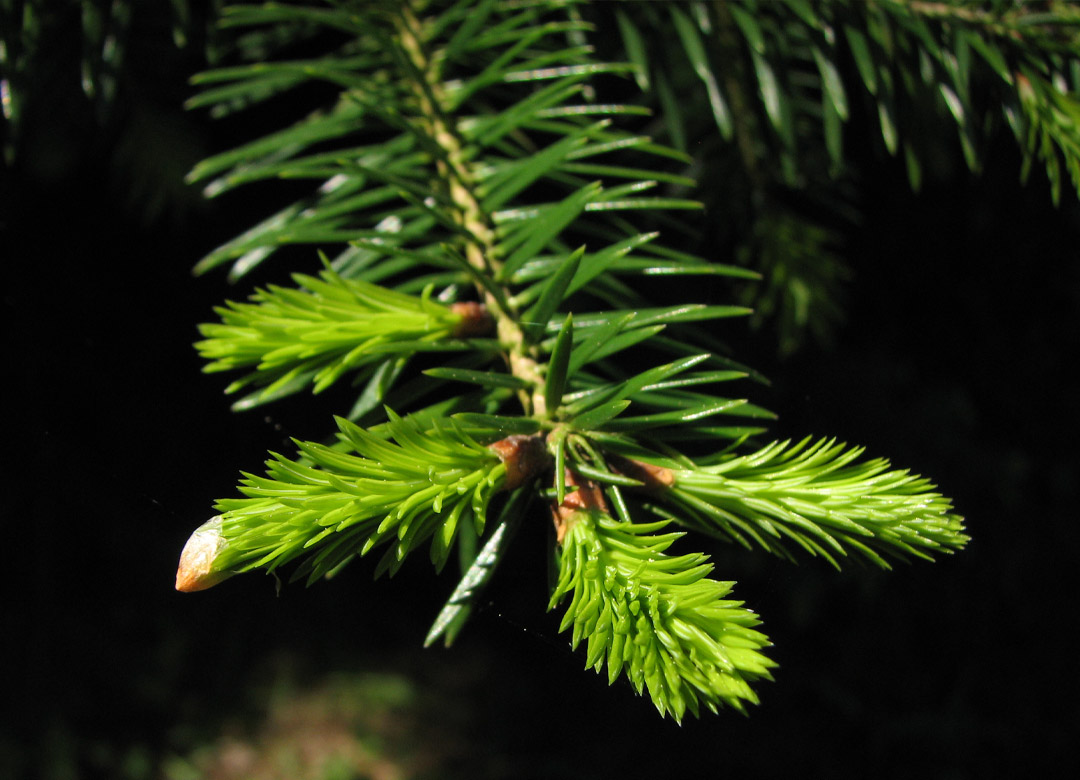
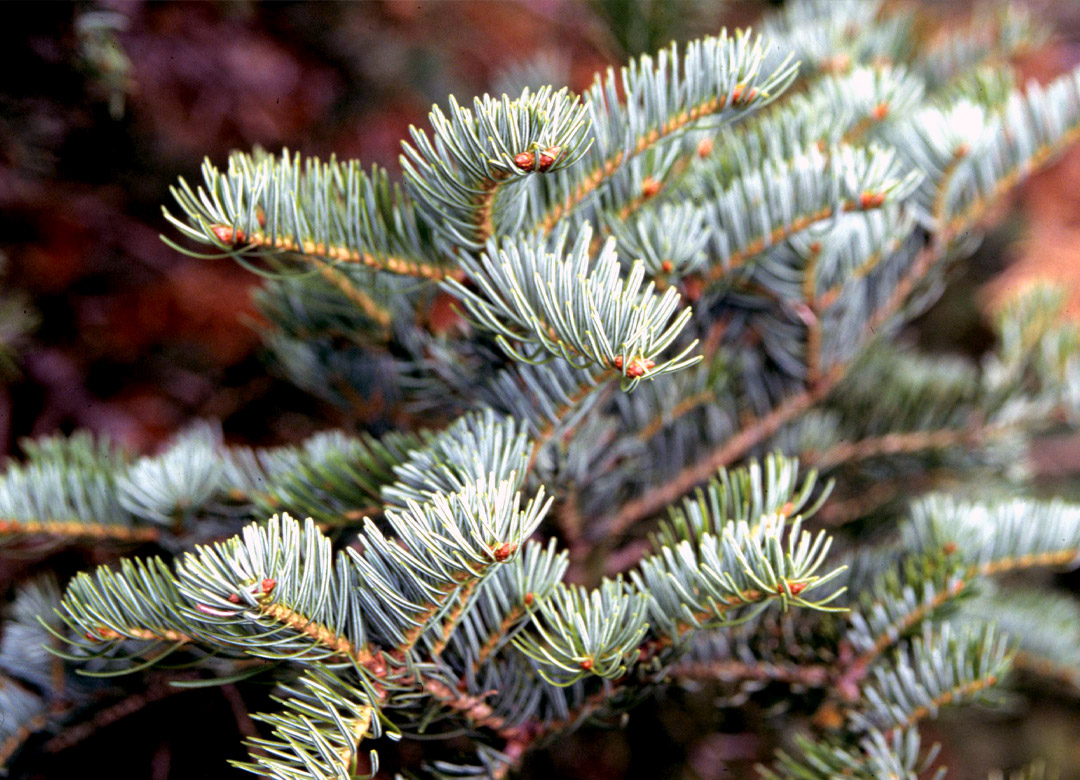
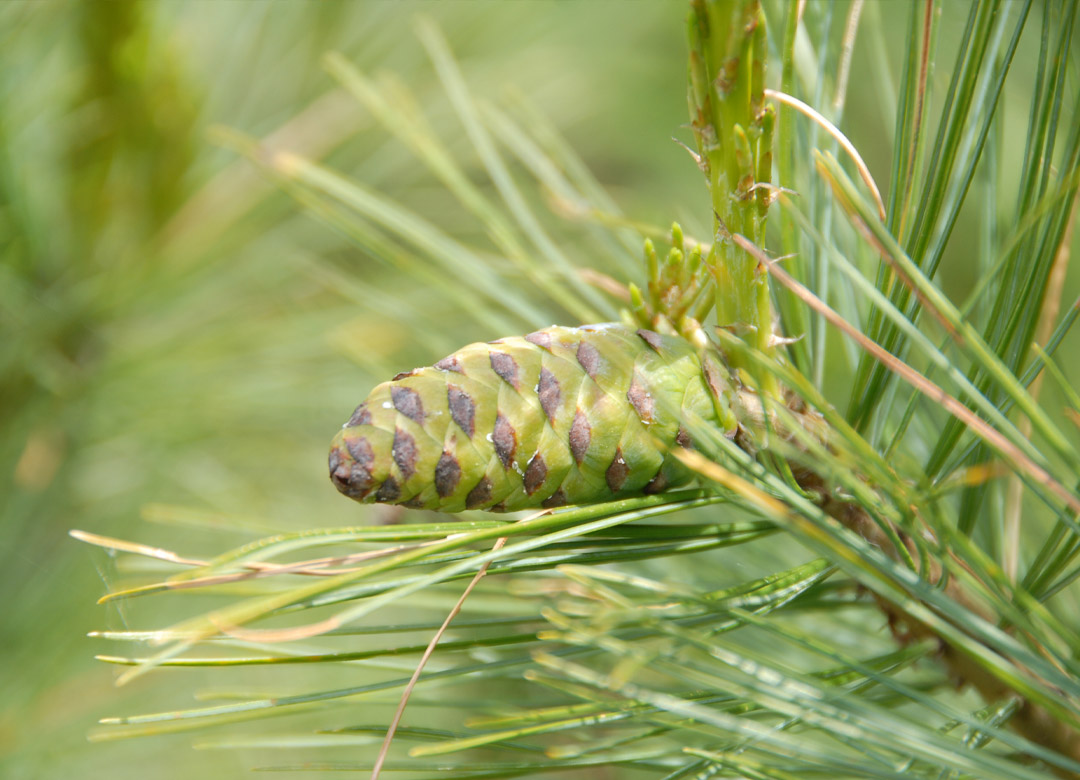
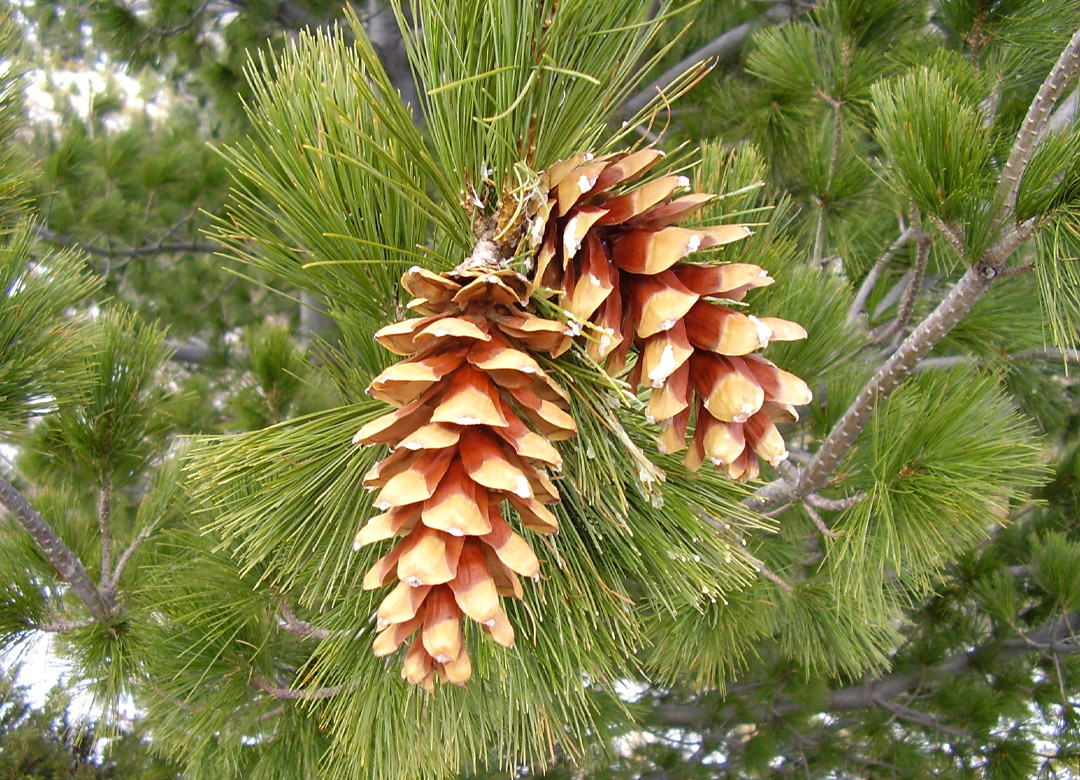
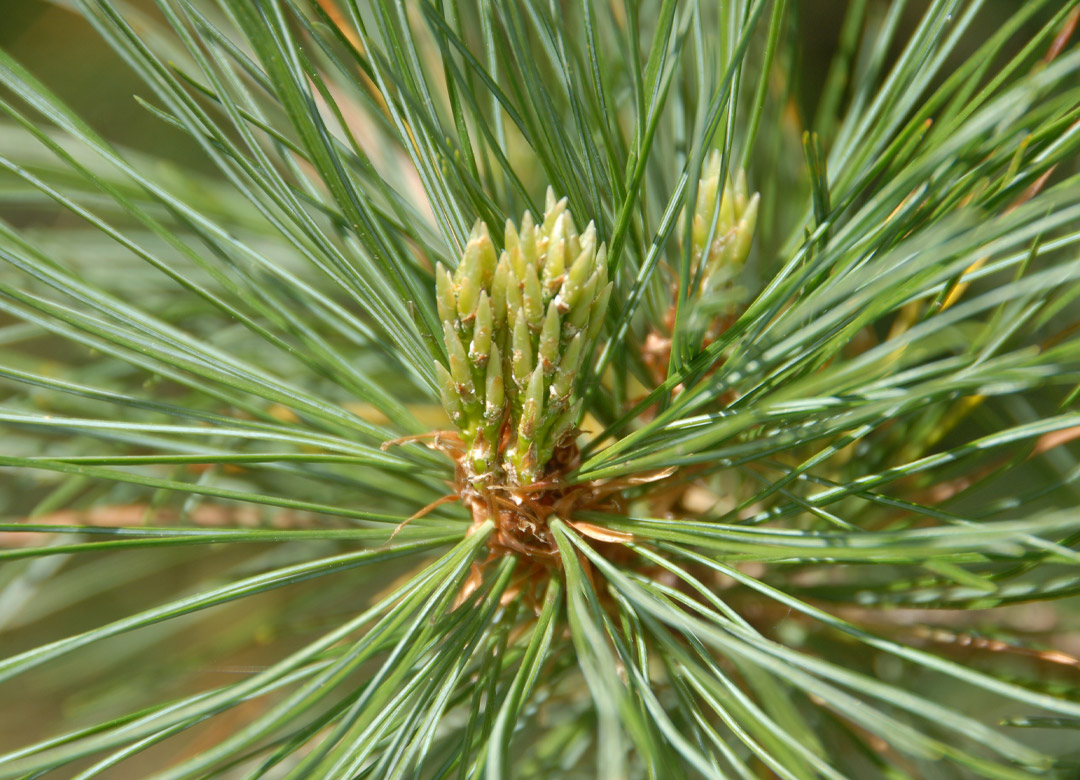
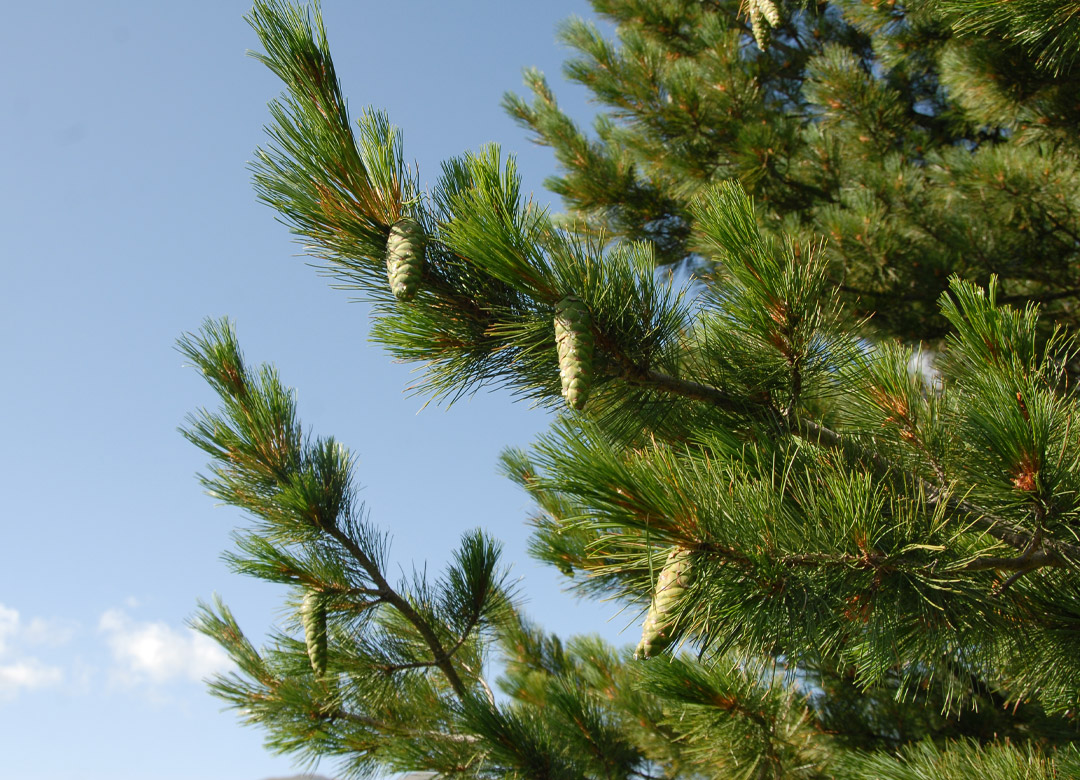
The Molika is a five-needled pine, producing clusters of five needles per short shoot. The needles measure 5–7 cm in length (rarely up to 8 cm), feature a bright green color, and persist on the branches for 2–3 years. Compared to the needles of Pinus strobus, they are shorter and stiffer. First-year branchlets are smooth and greenish. The buds are covered with numerous light brown, triangular scales coated with grayish-white droplets of hardened resin. The bark remains smooth for a long period, exhibiting shades from dark green or light green to violet.
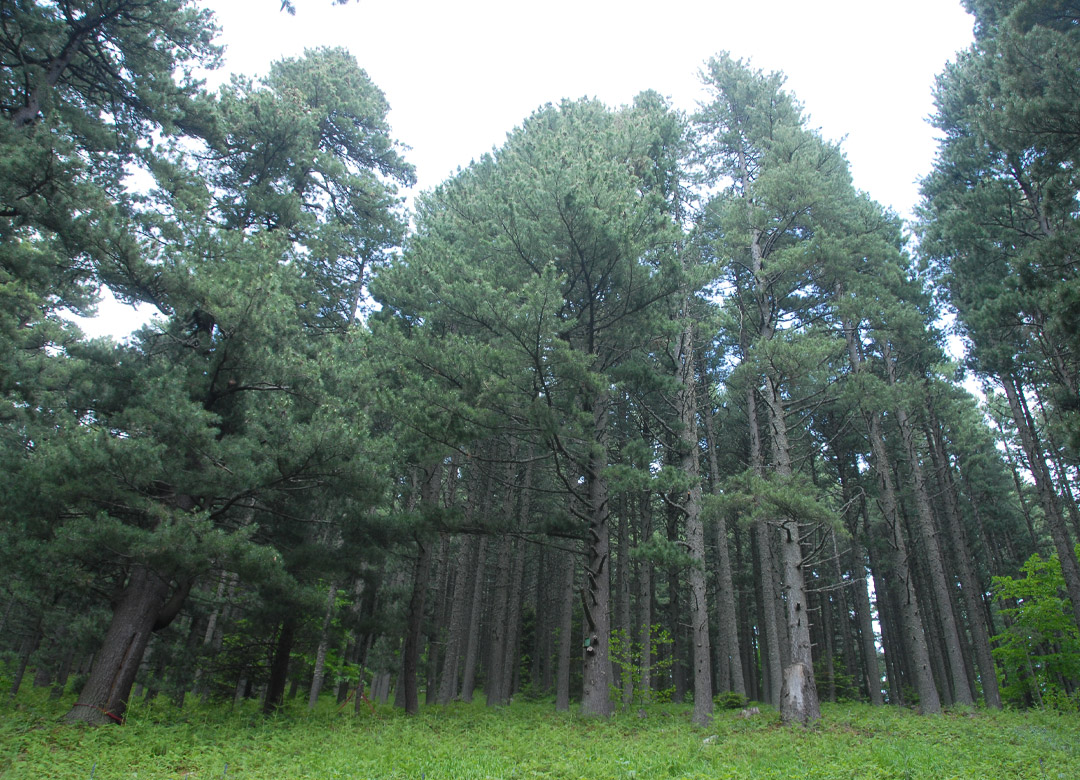
Young trees display a narrow, pyramidal crown with whorled branching and short limbs. In mature specimens, the crown expands and loses its compact shape. Within dense, closed-canopy stands, the trunks naturally self-prune their lower shaded branches, producing straight and well-formed timber. Trees reach an average height of around 30 meters (rarely up to 42 meters), with an average diameter of 30–35 cm (occasionally reaching up to 1.2 meters).
This species blooms from May to June, depending on altitude. Seed crop years recur every two to three years. Across its natural range, the Molika pine grows on various exposures, though it prefers shaded slopes with higher soil and atmospheric humidity. While predominantly found on silicate substrates, it can also adapt to carbonate soils at higher elevations. In terms of light requirements, it resembles spruce but is more light-demanding; however, compared to black pine and especially Scots pine, it is considerably more shade-tolerant. Consequently, it forms dense forest stands yielding high timber volume and exhibits a broad temperature tolerance.
FUNGI
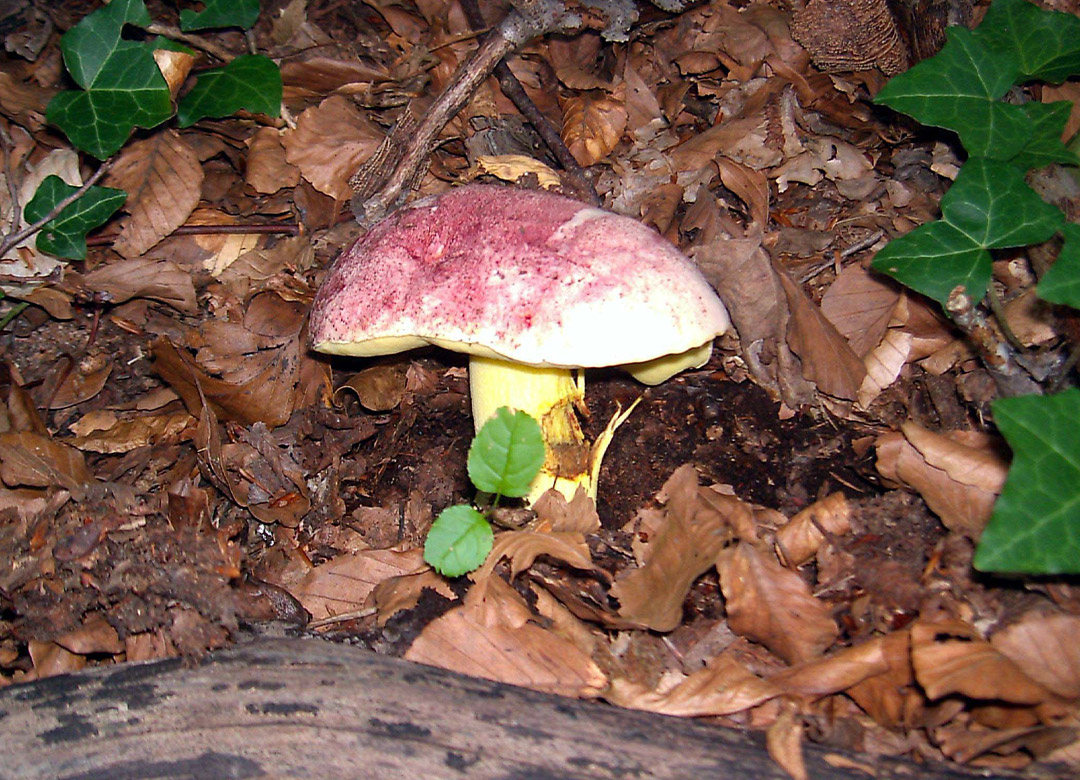
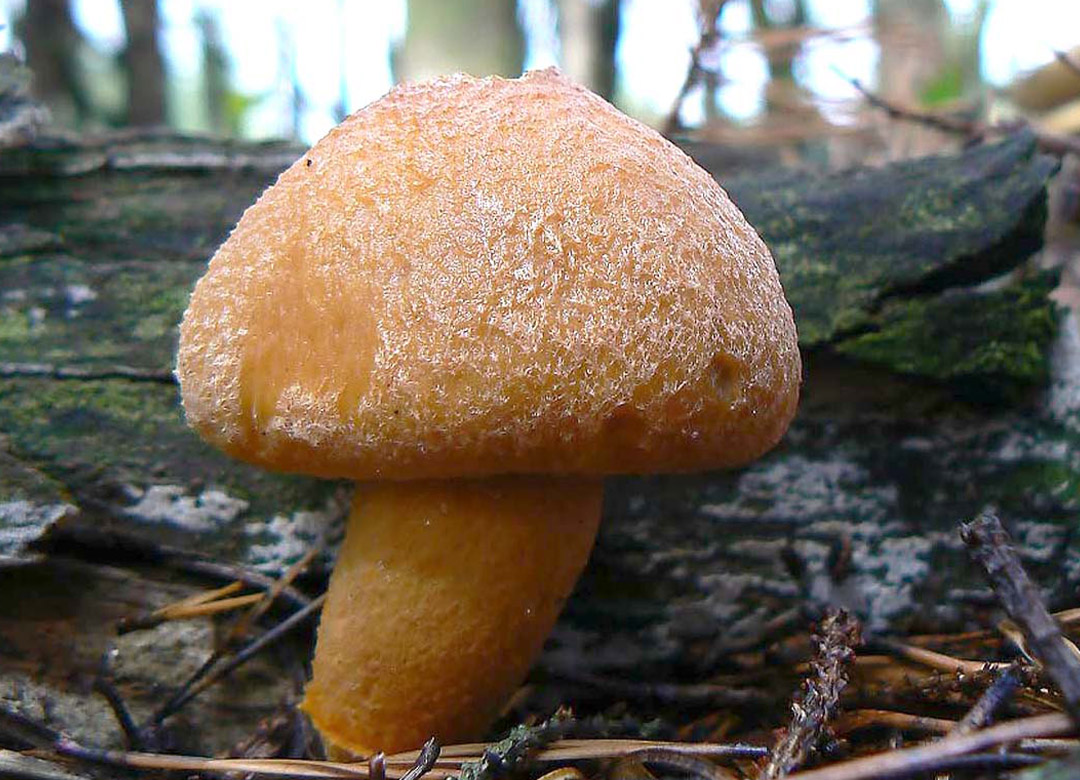
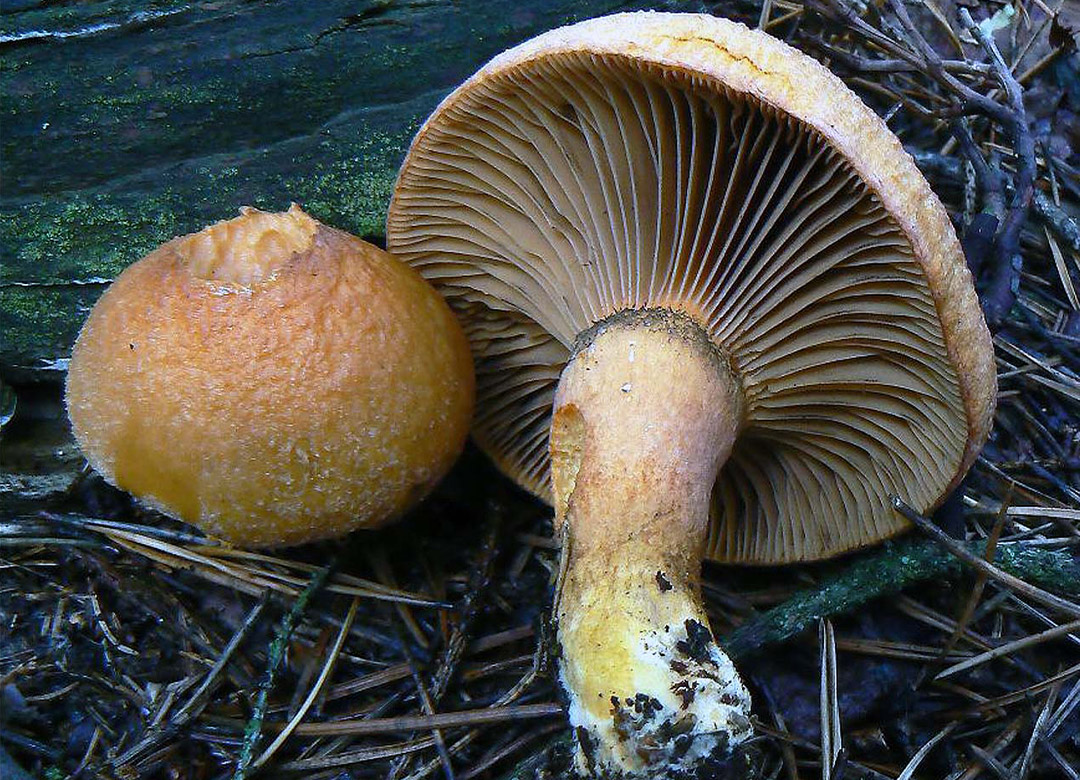
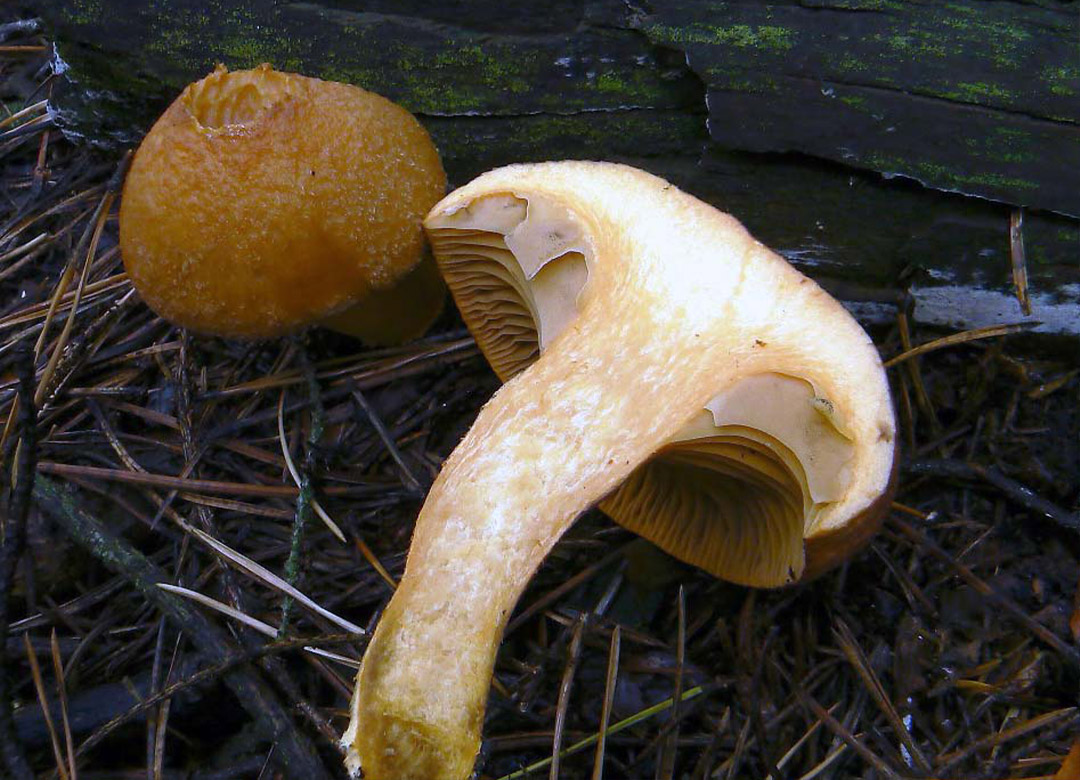
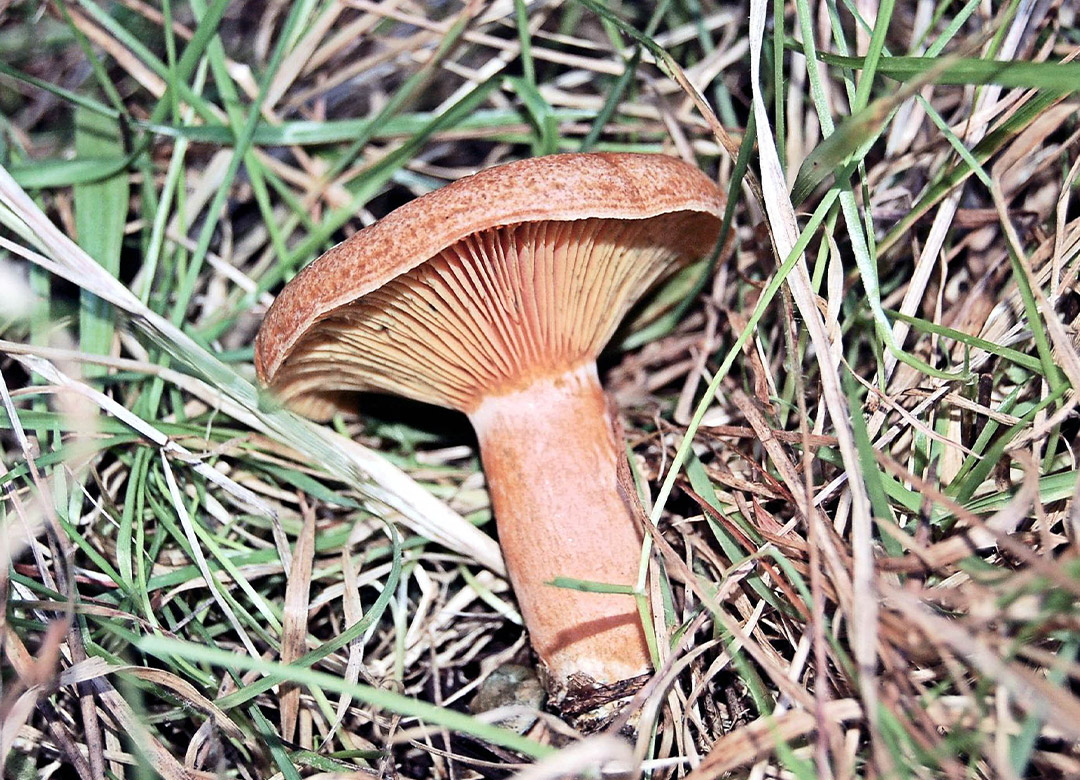
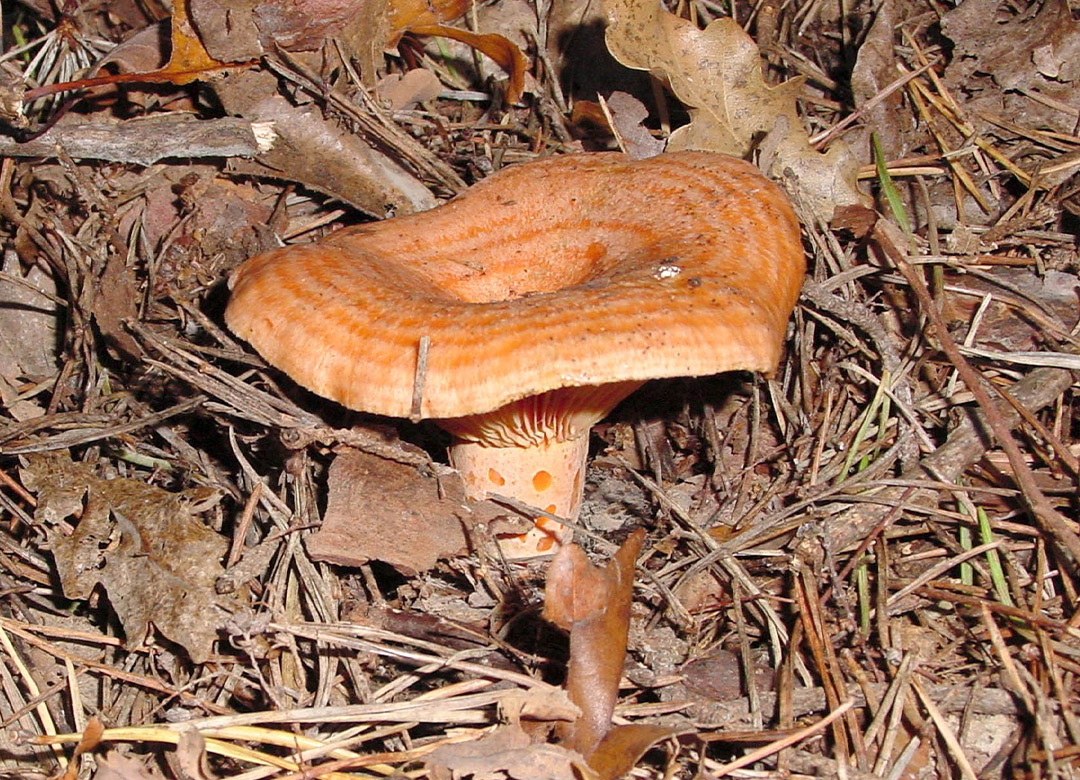
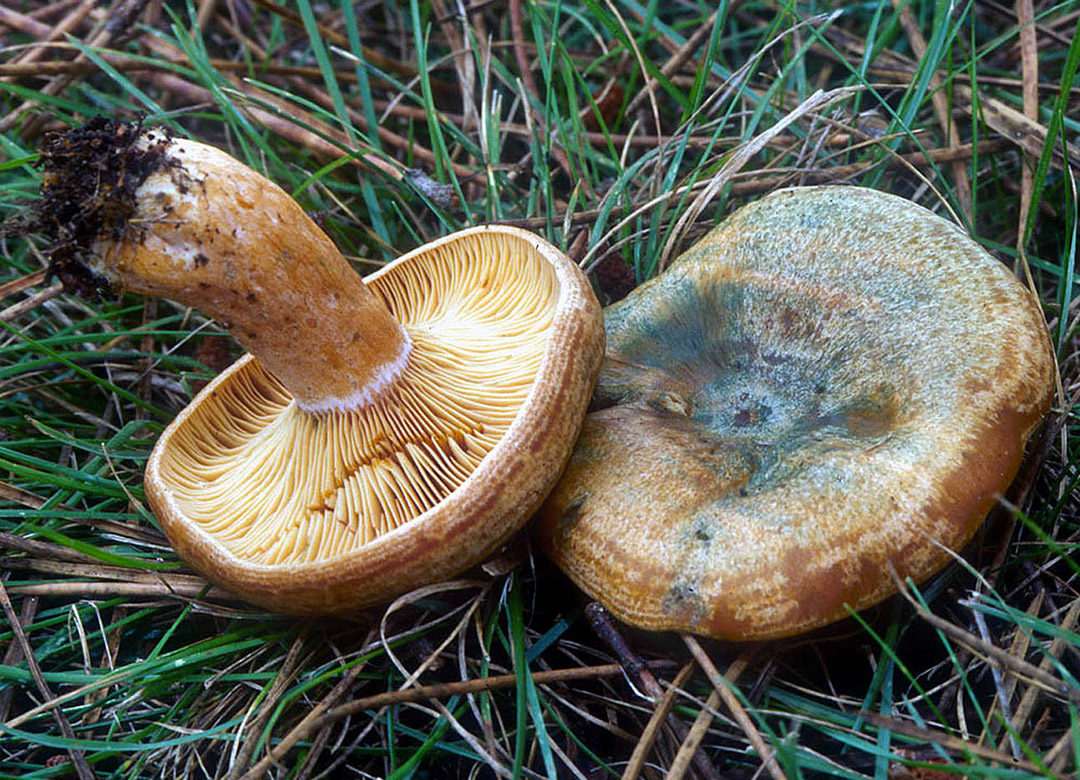
Based on research findings to date, 760 fungal species have been documented in Pelister National Park, including 485 terricolous species (2 of which are hypogeous/subterranean) and 275 lignicolous species. The vast majority of species (676) belong to club fungi (phylum Basidiomycota), classified into approximately fifty distinct families; 80 species belong to sac fungi (phylum Ascomycota), and 4 species to slime molds (phylum Myxomycota within Protozoa). Taxonomically, most species belong to the families Russulaceae, Mycenaceae, Tricholomataceae, and Meruliaceae. Additionally, 27 lichen species belonging to Ascomycota have been identified.
The majority of species records originate from Molika pine forests (431 species). In beech forests, 78 species have been recorded; in beech-fir forests, 36 species; in riparian woodlands along streams consisting of alder, willow, and poplar, 18 species; in oak forests, 17 species; and in pine and spruce plantations, 24 species. Meanwhile, 37 species have been documented in mixed deciduous and coniferous forests, and 38 species were collected outside forest ecosystems in meadows and pastures. Among wood-decay (lignicolous) fungi, the largest numbers were collected from Molika pine (79 species), beech (60), and fir (59), while 11 species were gathered from oak.
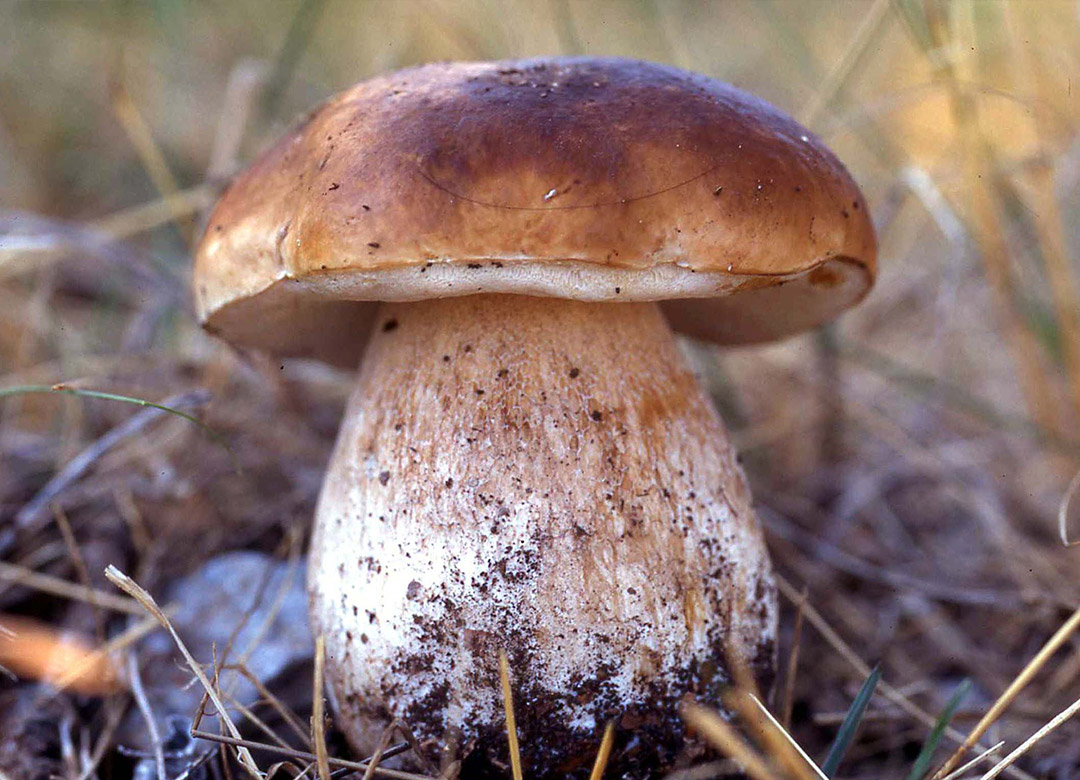
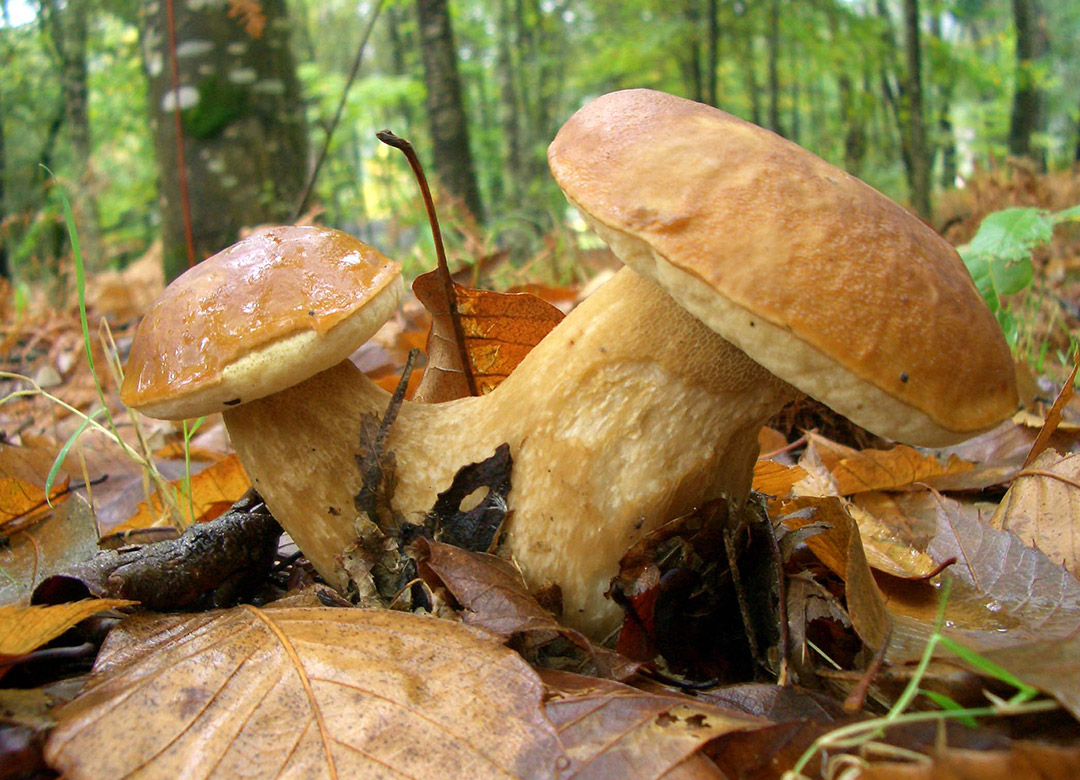
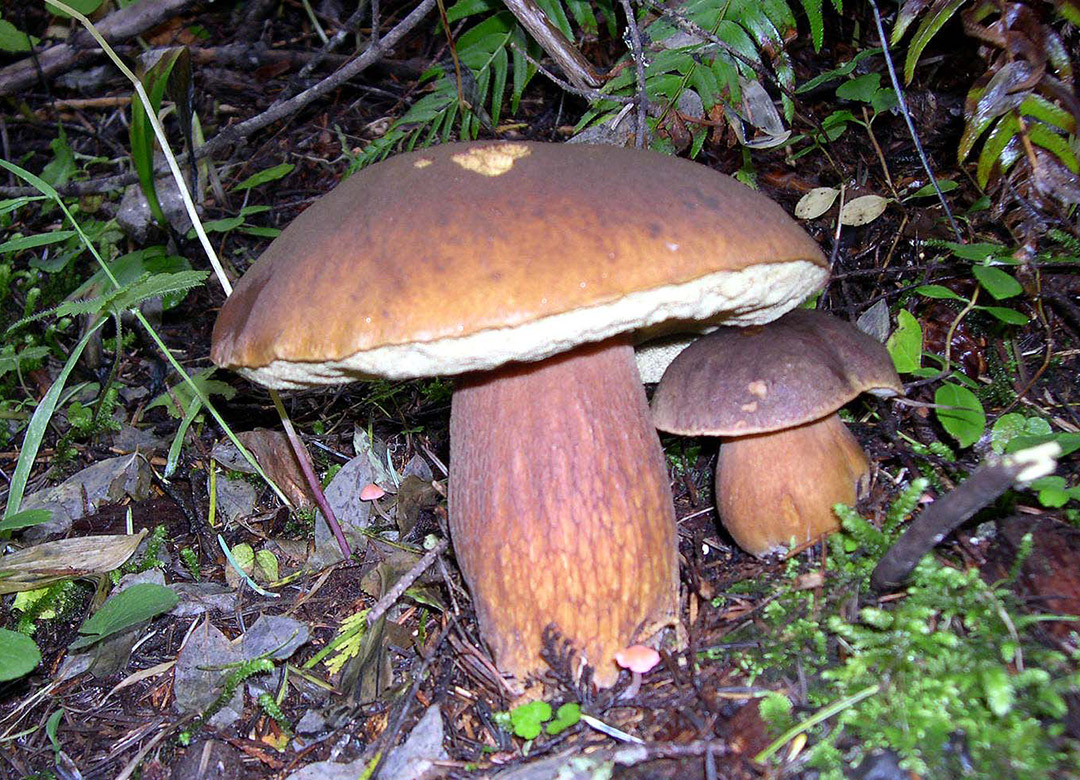
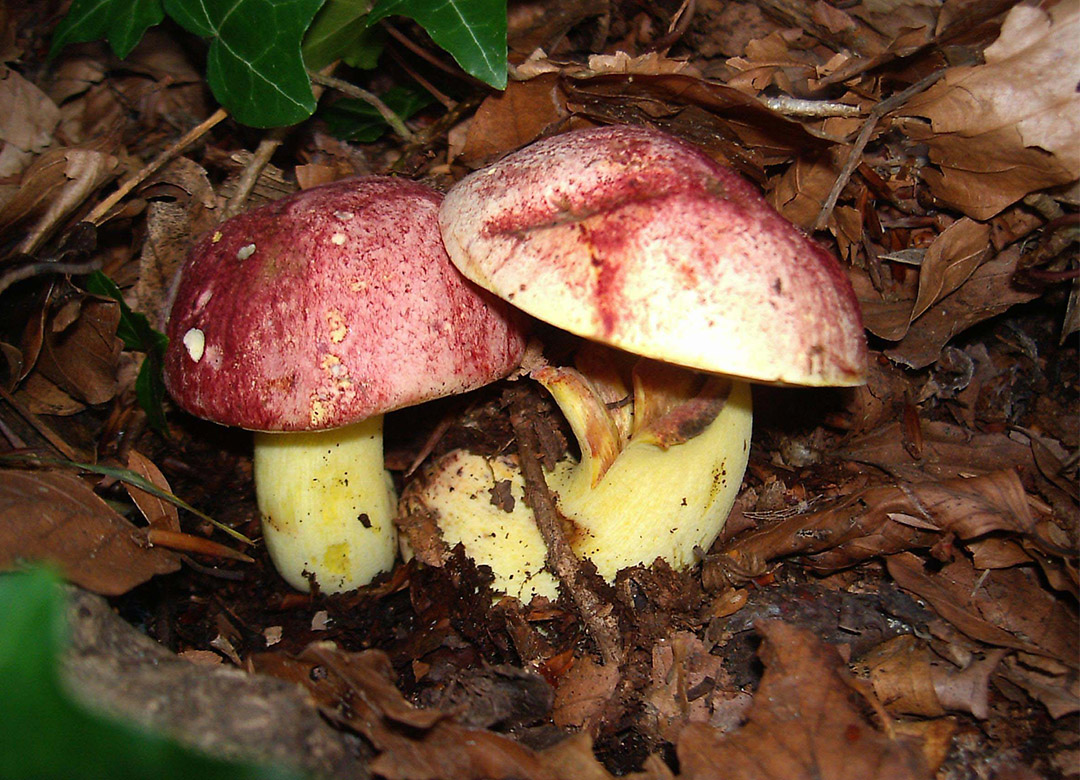
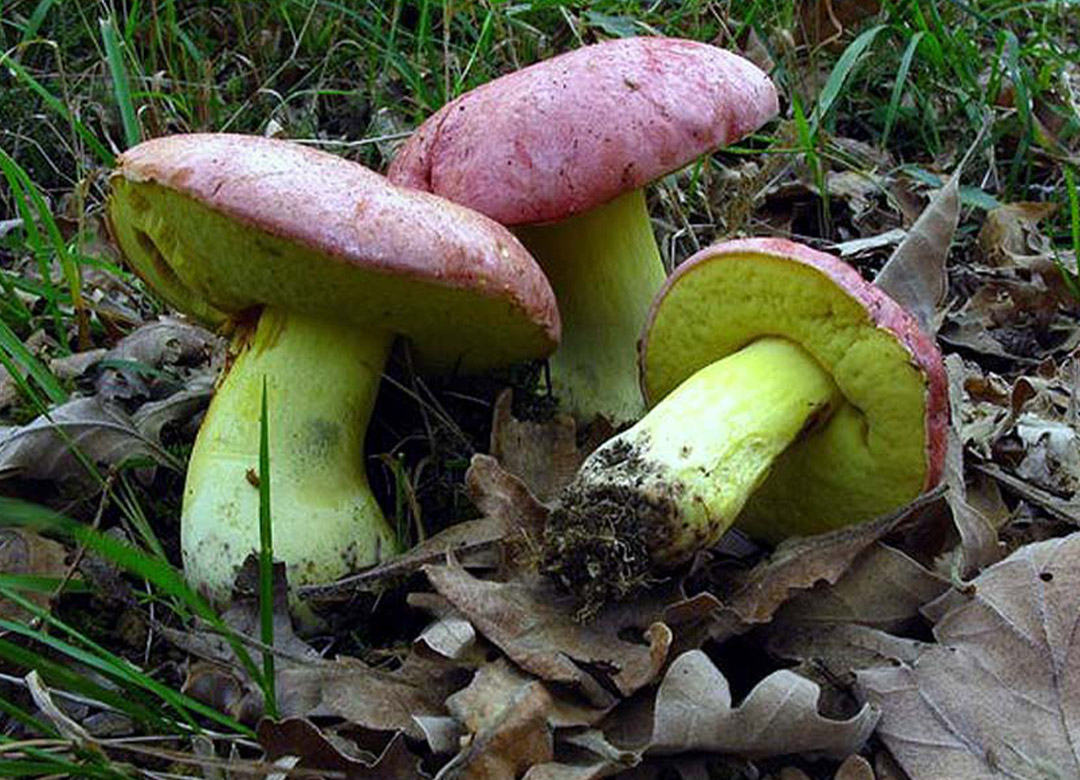
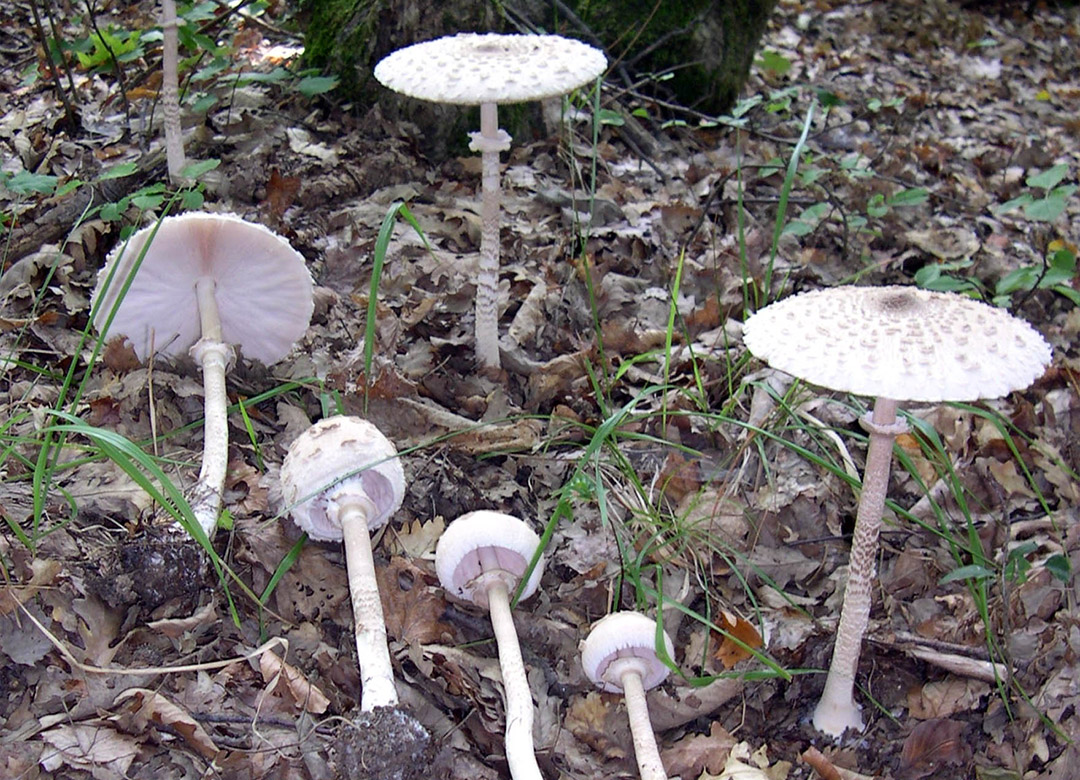
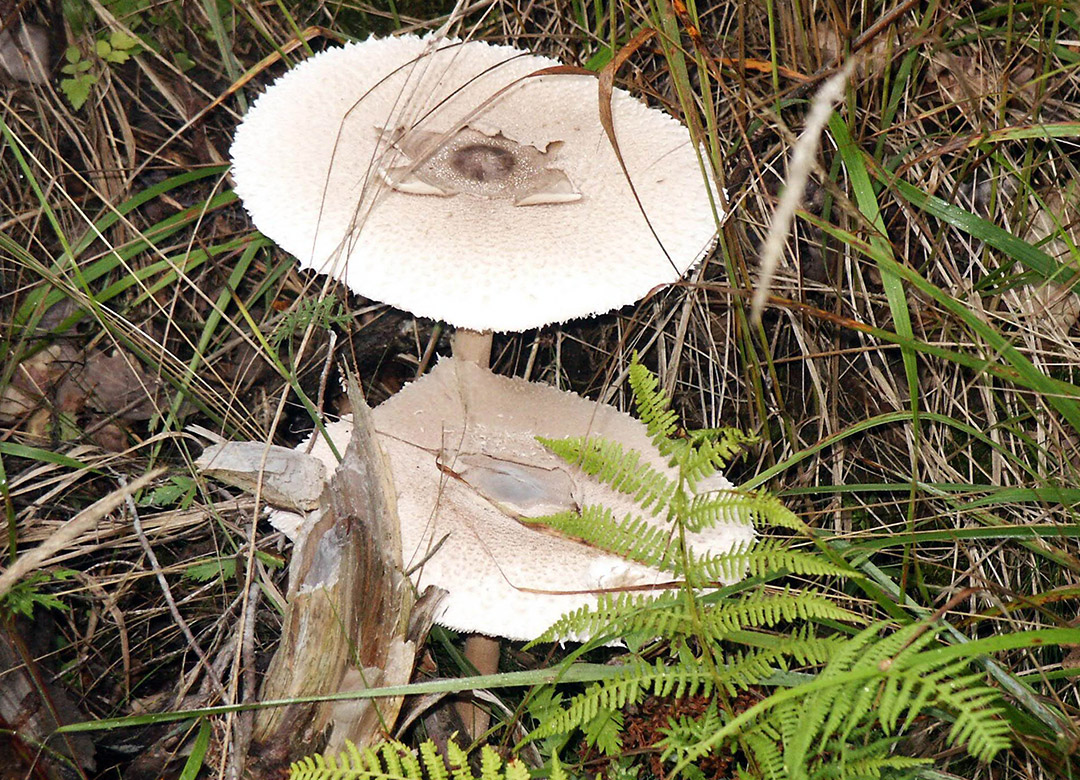
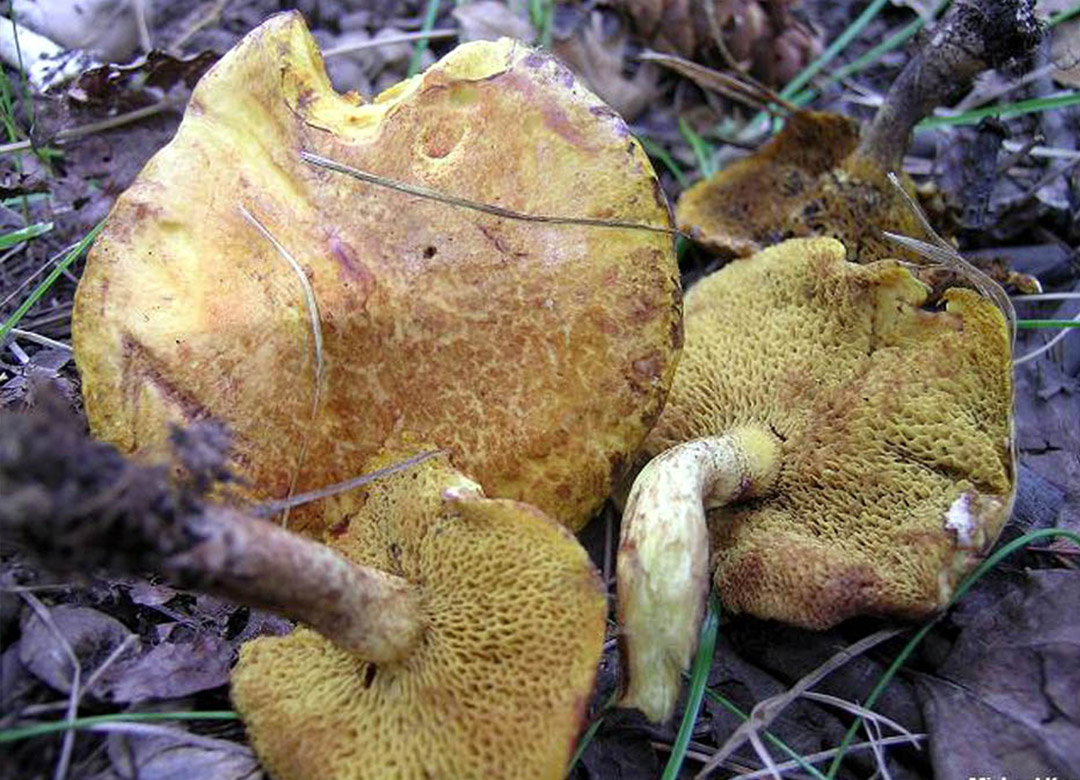
Among edible species, the most prominent include Amanita caesarea, A. rubescens, Armillaria mellea, Boletus edulis, B. pinophilus, B. aereus, B. aestivalis, Macrolepiota procera, Marasmius oreades, Cantharellus cibarius, Craterellus cornucopioides, Pleurotus ostreatus, Hydnum repandum, and Russula cyanoxantha.
Porcini/Boletes (Boletus edulis, B. pinophilus, B. aereus, B. aestivalis), Caesar’s mushroom (Amanita caesarea), Fairy ring mushroom (Marasmius oreades), Black trumpet (Craterellus cornucopioides), Hedgehog mushroom (Hydnum repandum), and Chanterelle (Cantharellus cibarius) represent commercially valuable species actively harvested by local foragers.
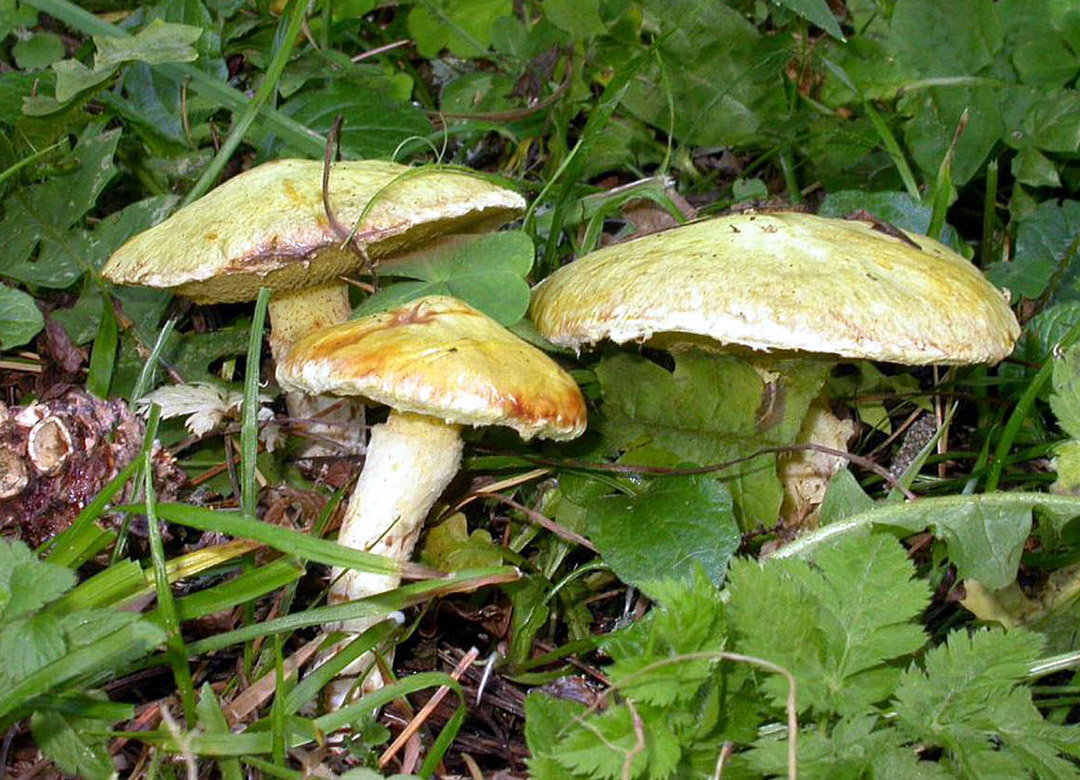
Notable poisonous species include Amanita pantherina, A. phalloides, A. muscaria, A. junquillea, Coprinellus micaceus, Cortinarius sanguineus, Galerina marginata, Russula emetica, Stropharia coronilla, and Inocybe geophylla. Ingestion of species belonging to the genera Amanita, Galerina, and Inocybe can be fatal.
ENDEMIC AND RARE PLANTS
Pelister National Park hosts a significant number of plant species of international conservation importance, including species listed on the Global and European Red Lists of Threatened Species, as well as those protected under the Bern Convention, EU Habitats Directives, and CORINE species lists.
Several taxa originating from other regions of the Balkan Peninsula and Europe grow exclusively on Mount Baba within North Macedonia, such as Dianthus stenopetalus, Tozzia alpina subsp. carpathica, and Viola parvula.
Local Endemics (Locus Classicus) & Sub-endemics — Over 15 flowering plant taxa were first discovered and described as new to science within Pelister National Park, establishing the area as their type locality (locus classicus). Key examples include Alchemilla peristerica, Dianthus myrtinervius, Crocus pelistericus, and Sempervivum octopodes.
Four plant species listed in Annexes II and IV of the EU Habitats Directive have been recorded in the park. Recent observations of Tozzia carpathica, Fritillaria gussichiae, and the green shield-moss (Buxbaumia viridis) were confirmed during field research under the Twinning Project (2018–2019), whereas Mannia triandra was last documented over 50 years ago and its current status remains unknown. Additionally, Pelister hosts numerous species that are rare nationally and protected under the Law on Nature Protection.
The list of protected plant species in Pelister National Park includes:
Vascular Plants (V): Alchemilla peristerica, Crataegus sericeus, Dianthus myrtinervius, Eryngium serbicum, Fritillaria gussichiae, Malus florentina, Pedicularis limnogena, Pinus peuce, Soldanella pindicola, and Tozzia carpathica.
Mosses (M): Andreaea rupestris and Buxbaumia viridis.
Lichens (L): Evernia divaricata, Parmelina exasperatula, Peltigera venosa, and Ramalina carpathica.
Furthermore, the following species are classified under the Strictly Protected status: Crocus pelistericus, Gentiana lutea subsp. symphyandra, Gentiana punctata, Sempervivum octopodes, and Fritillaria gussichiae.
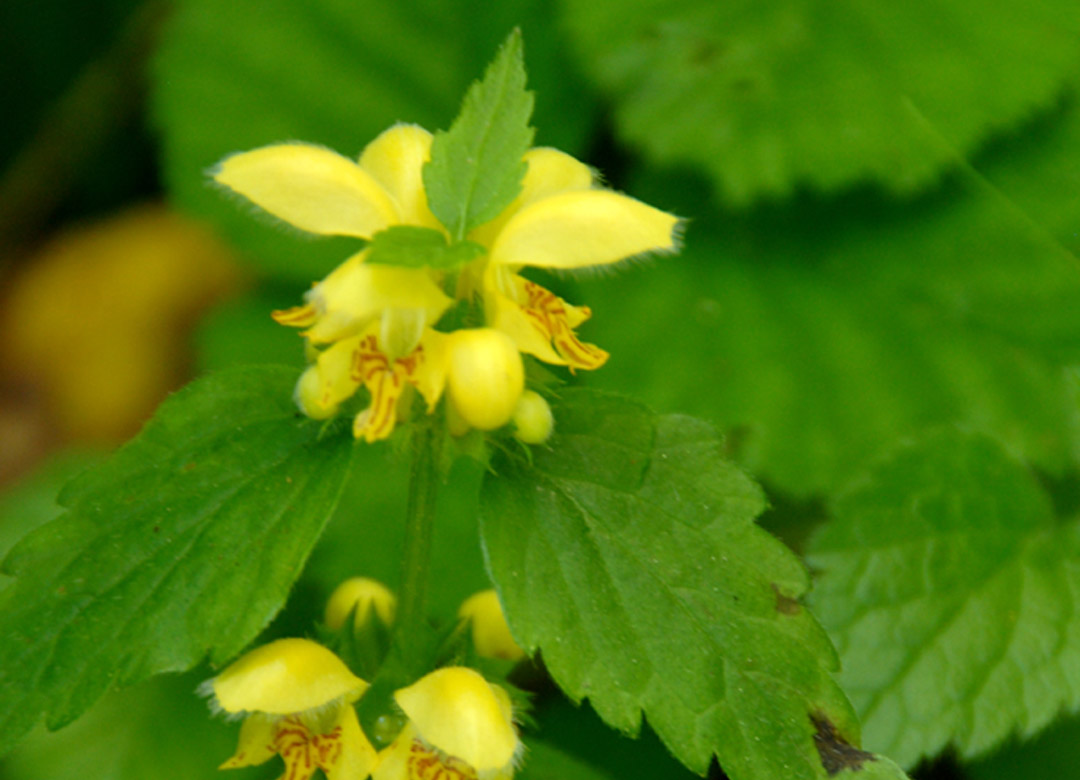
Carpathian Tozzia Tozzia carpathica
Carpathian Tozzia (Tozzia carpathica) is a plant species listed under Annexes II and IV of the EU Habitats Directive (Species Code 6244). Tozzia carpathica is an annual hemiparasitic plant that grows along the banks of subalpine and alpine streams. In North Macedonia, it is found exclusively in Pelister National Park, present across four known locations.
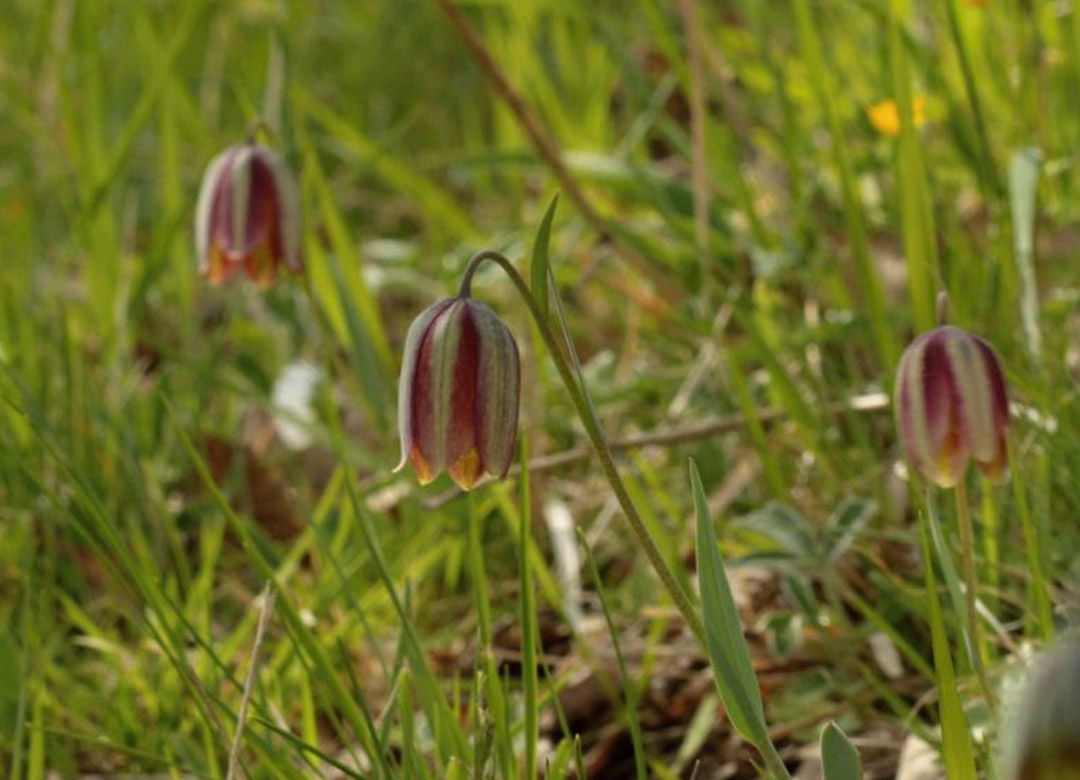
Fritillaria gussichiae
Fritillaria gussichiae is a plant species listed under Annex IV of the EU Habitats Directive (Species Code 1386). It is a perennial bulbous herbaceous plant that grows in sunlit forest clearings and meadows, as well as across the lower elevations of the alpine zone in Pelister National Park. This species is a Balkan endemic.
MEDICINAL PLANTS AND FOREST PRODUCTS
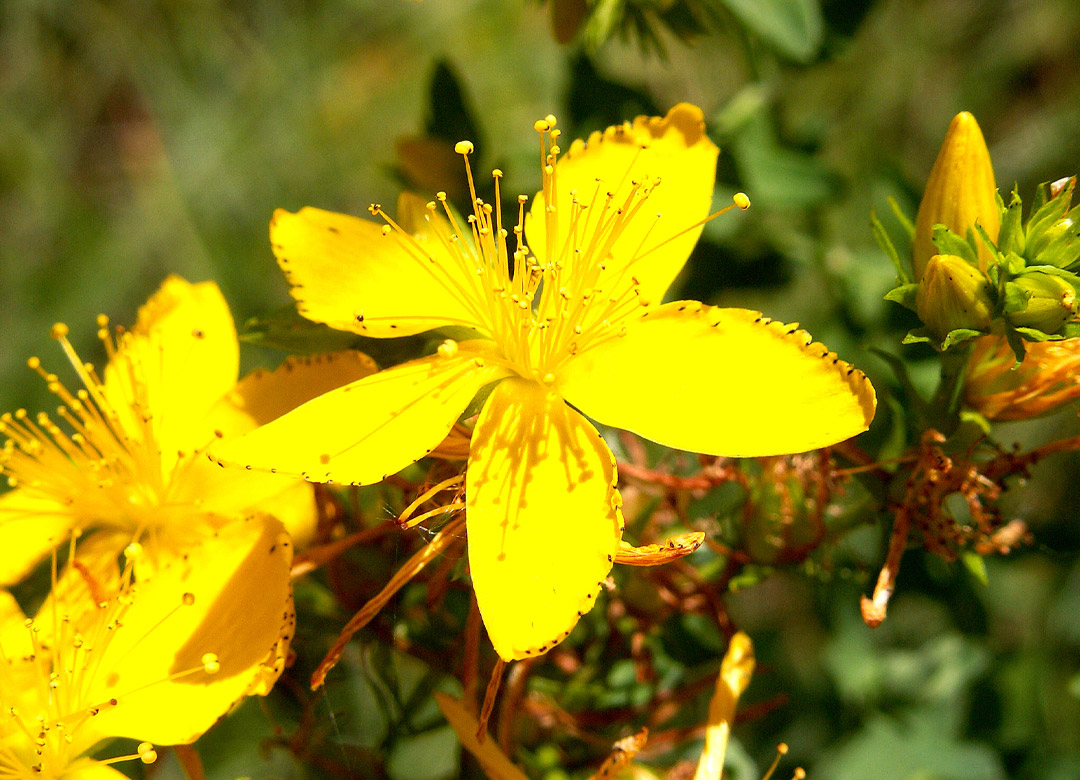
Perforate St. John's-Wort – Hypericum perforatum
Medicinal and Aromatic Plant Species
St. John’s wort is a perennial herbaceous plant. The upper flowering portion of the plant is harvested from June to August. This species occurs in meadows, lowlands, and mountainous areas, along sunny oak woodlands, thickets, wetlands, pastures, as well as on arable land.
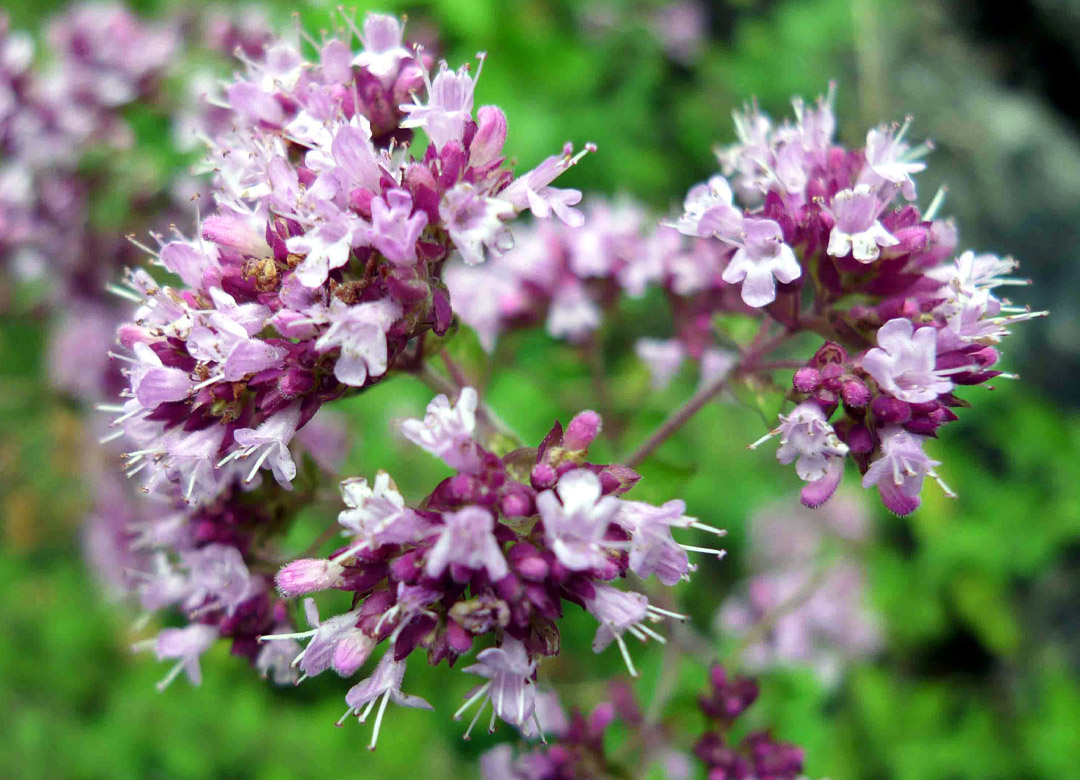
Wild Marjoram / Oregano — Origanum vulgare L.
Medicinal and Aromatic Plant Species
A perennial, herbaceous plant characterized by a highly branched root system with numerous rootlets. The stems are erect, reddish, woody at the base, and branched near the top. This plant blooms from June to September and is typically harvested in July and August. It is found in dry meadows, open deciduous forests, hillside slopes, thickets, along roadsides, and in mountainous regions up to 1,800 m above sea level. It thrives in warm, dry, and sunny habitats and does not tolerate damp or wet environments.
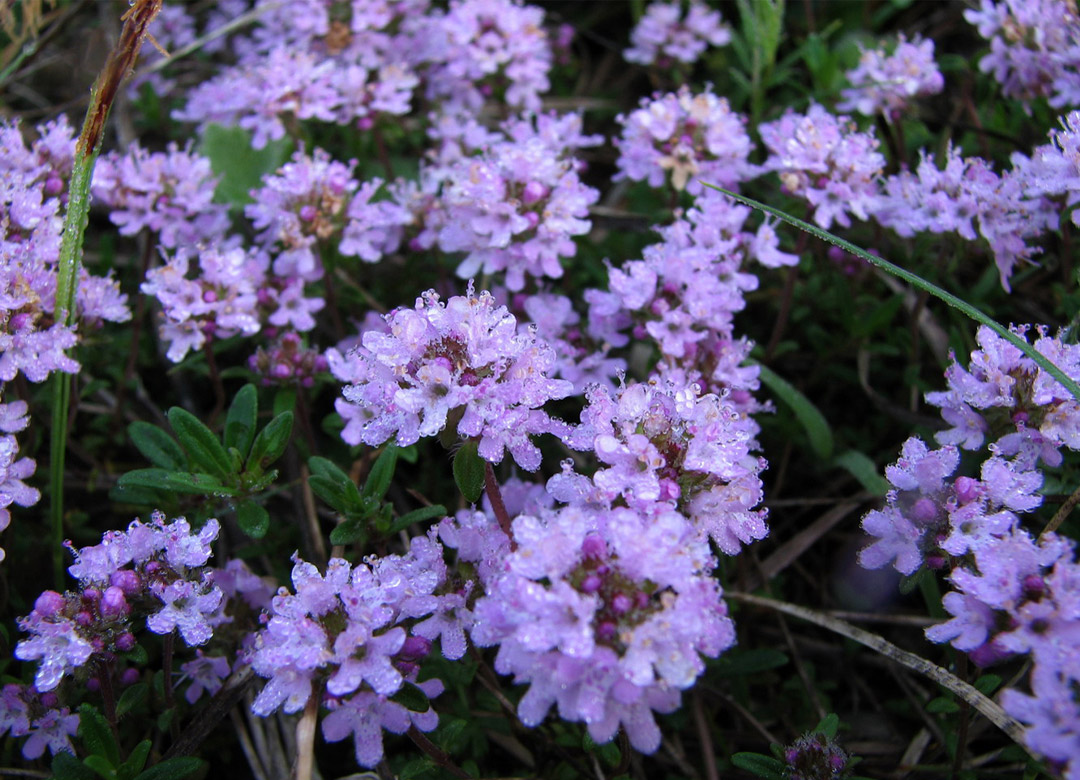
Wild Thyme / Mother-of-Thyme – Thymus tosevii var. degenii
Medicinal and Aromatic Plant Species
It is a perennial dwarf subshrub with a woody stem base, reaching a height of up to 30 cm. During its flowering period, the entire plant emits a pleasant and highly aromatic fragrance. It blooms throughout the summer, from May to September. While in bloom, wild thyme requires ample light and warmth, which is why it is most commonly found in dry, sun-drenched locations. It thrives best on calcareous (limestone) substrates and neutral to slightly alkaline soils, growing across meadows, pastures, along roadsides, and along forest margins.
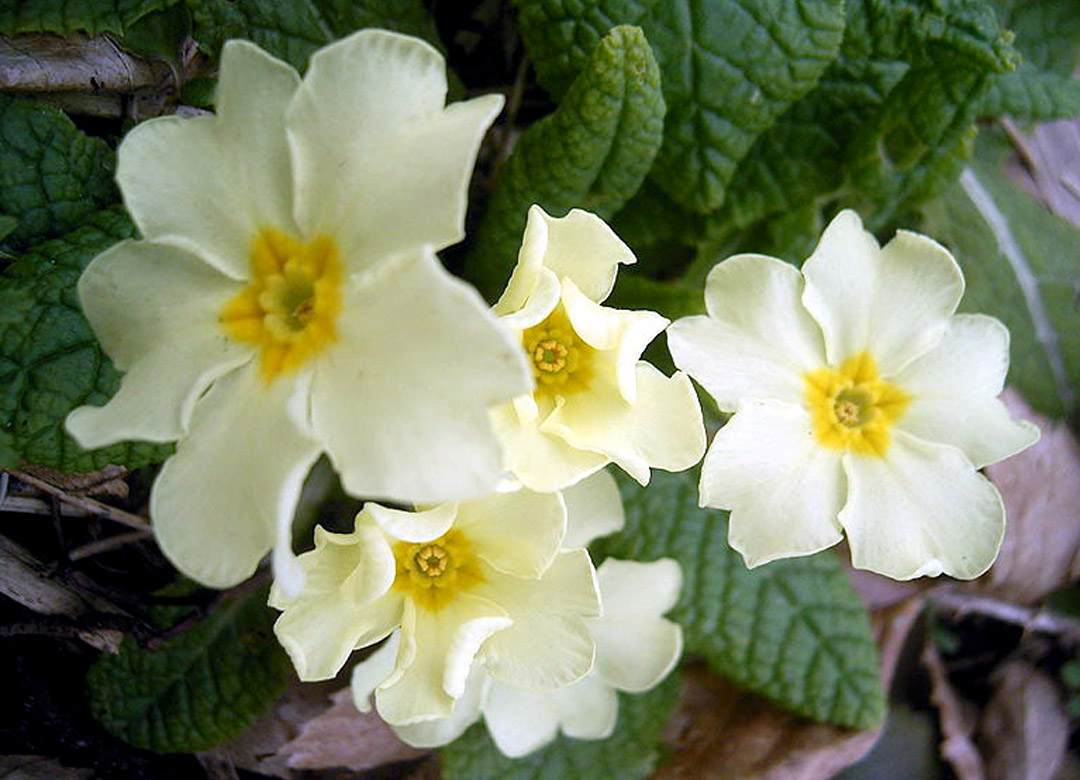
Primrose – Primula vulgaris
Medicinal and Aromatic Plant Species
A perennial herbaceous plant with a short, brown rhizome from which a basal rosette of several leaves emerges above ground. The aerial parts of the plant are covered with glandular hairs. Primrose is harvested during its flowering period from March to May; the leaves can be gathered throughout the entire growing season, while the root is dug up in autumn and spring. It grows in sunny locations on fresh, nutrient-rich, neutral to moderately acidic soils. It can be found in dry meadows, open woodlands, orchards, along thickets, at elevations up to 1,200 m above sea level.
Yellow Gentian – Gentiana lutea subsp. symphyandra
Medicinal and Aromatic Plant Species
Yellow gentian is a perennial herbaceous plant. The flowers are large, golden-yellow, clustered in the leaf axils, and arranged in tiers along the upper half of the stem. It blooms from July to August. In the wild, yellow gentian grows on highly inaccessible, mountainous, and rocky terrain.
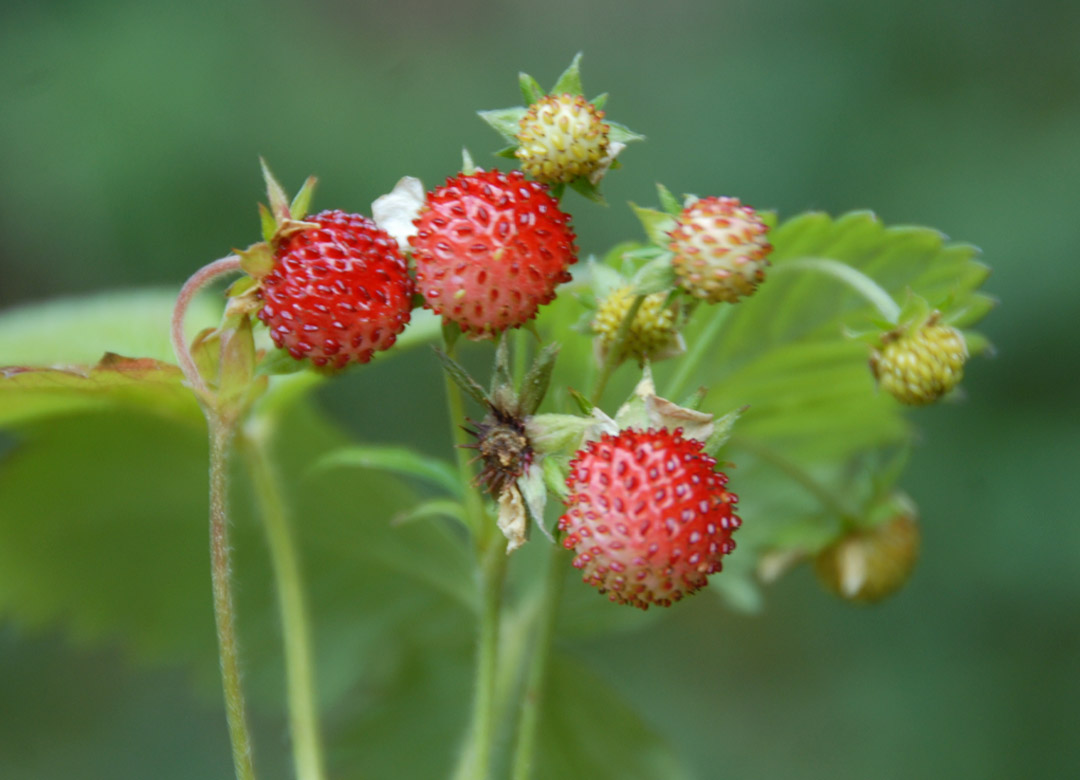
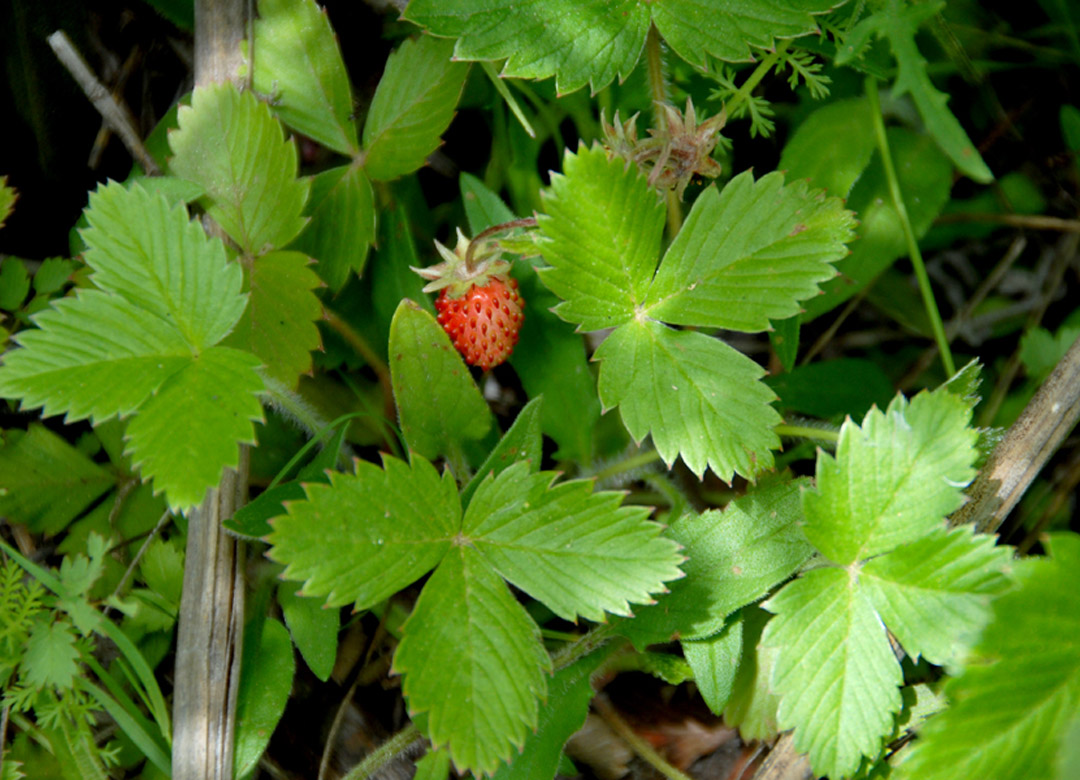
Wild Strawberry – Fragaria vesca
Wild Fruit and Forest Plant Species
The wild strawberry is a low perennial herbaceous plant with a short stem, reaching 5 to 20 cm in height. It blooms from April to June, and occasionally a second time in autumn. The fruit ripens from May to August, depending on altitude and seasonal conditions. It is most commonly found between 950 and 1,700 m above sea level, growing in open woodlands, fern thickets, and forest meadows—predominantly in sunny exposures, though it can also occur in shady and north-facing spots.
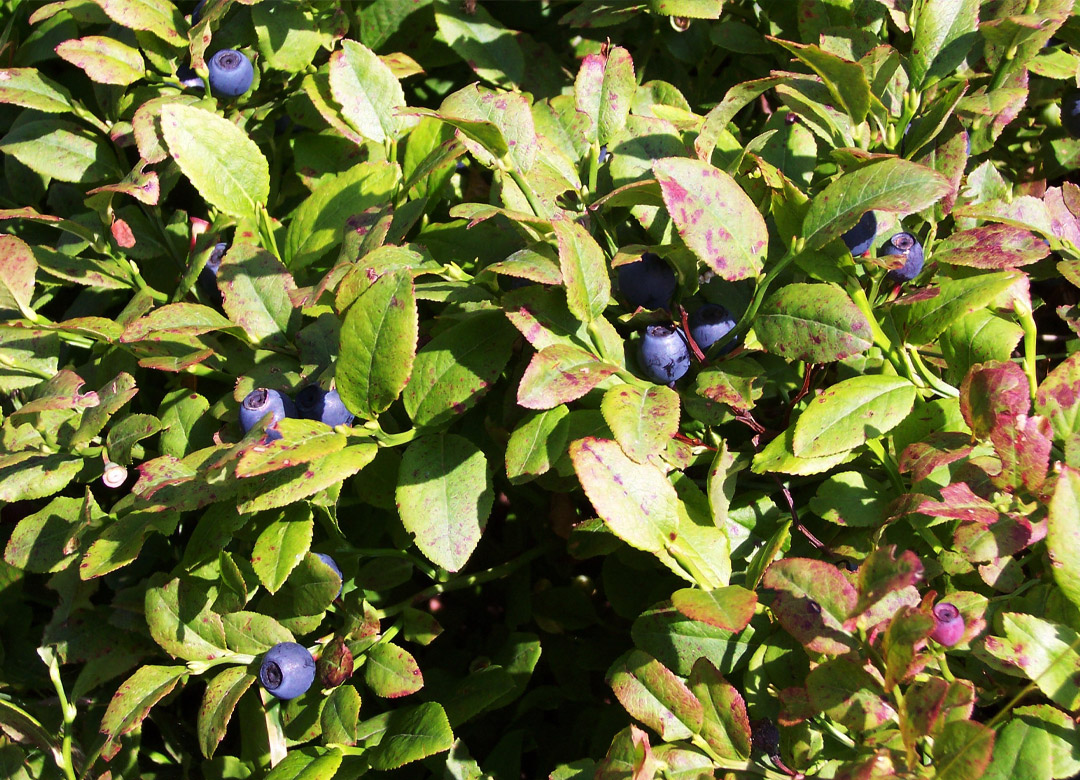
Bilberry / Wild Blueberry – Vaccinium myrtillus
Wild Fruit and Forest Plant Species
Bilberry is a woody, perennial, low-growing branched shrub, reaching up to 50 cm in height. This plant blooms in May and June. Fruit ripening begins later, in July, and ends toward the end of August, depending on geographic location, elevation, and site exposure. Bilberry is found from above 1,100 m up to 2,000 m above sea level, growing in deciduous forests and mountain pastures.
Hawthorn – Crataegus monogyna
Wild Fruit and Forest Plant Species
Hawthorn is a deciduous, highly branched shrub reaching up to 5 m in height, featuring sharp thorns along its branches. The fruits are harvested when fully ripe, typically from September to October, depending on location and elevation. Hawthorn is distributed at altitudes up to 1,400 m above sea level. It occurs individually or in clusters across forest clearings, open sunny woods, forest margins, and barren land.
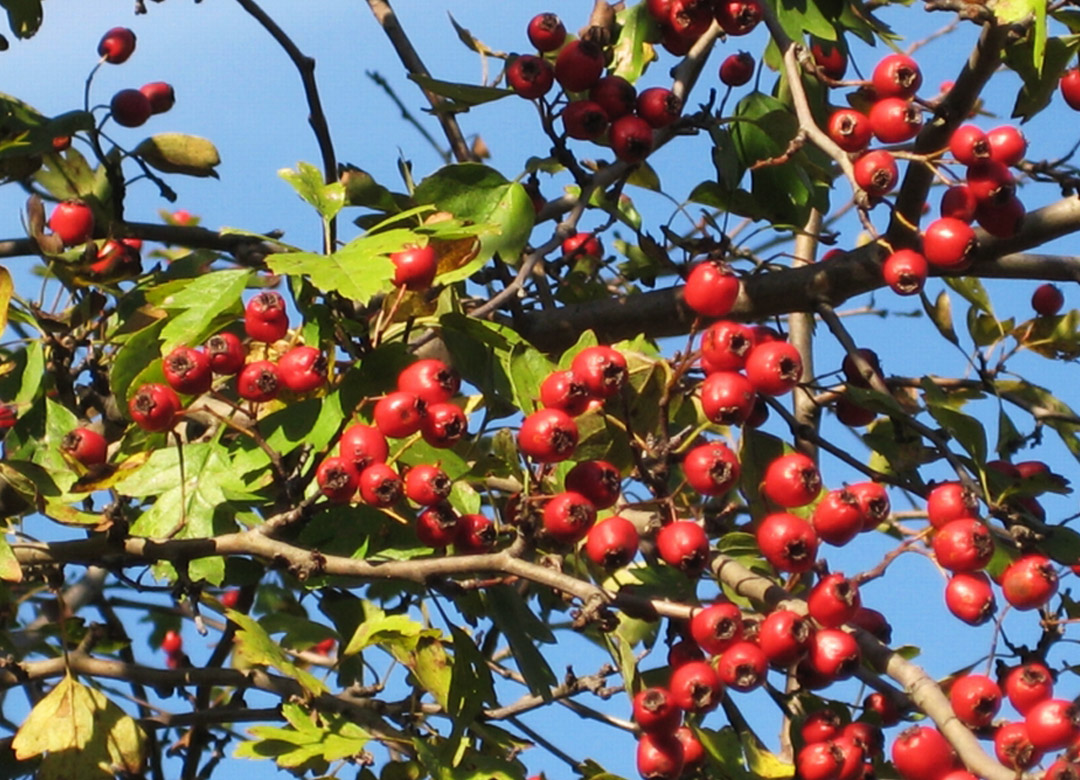
Juniper – Juniperus communis
Wild Fruit and Forest Plant Species
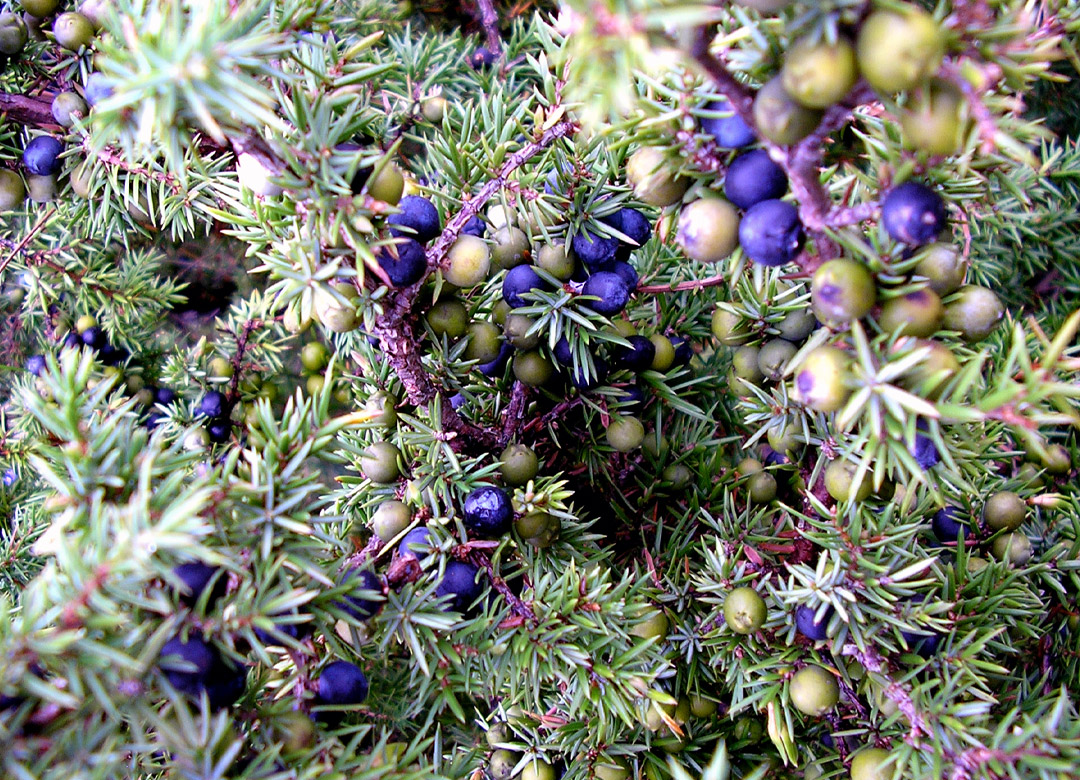
Juniper is an evergreen coniferous shrub, typically reaching 3 to 4 m in height. The berries are harvested from August to October. It grows individually or in clusters on barren slopes, abandoned fields, pastures, or within the understory of coniferous forests. It is found at elevations up to 1,800 m above sea level.
MOSSES
The Annex to the Management Plan of NP Pelister from 2006 included 1,034 plant taxa. Of these, 21 were mosses (Bryophyta and Marchantiophyta). Additional research in 2019 added as many as 273 new moss species, mainly by the research team from Finland, primarily led by Kimmo Syrjänen. Consequently, the flora of NP Pelister is now represented by at least 1,307 taxa.
Willow Moss – Fontinalis antipyretica
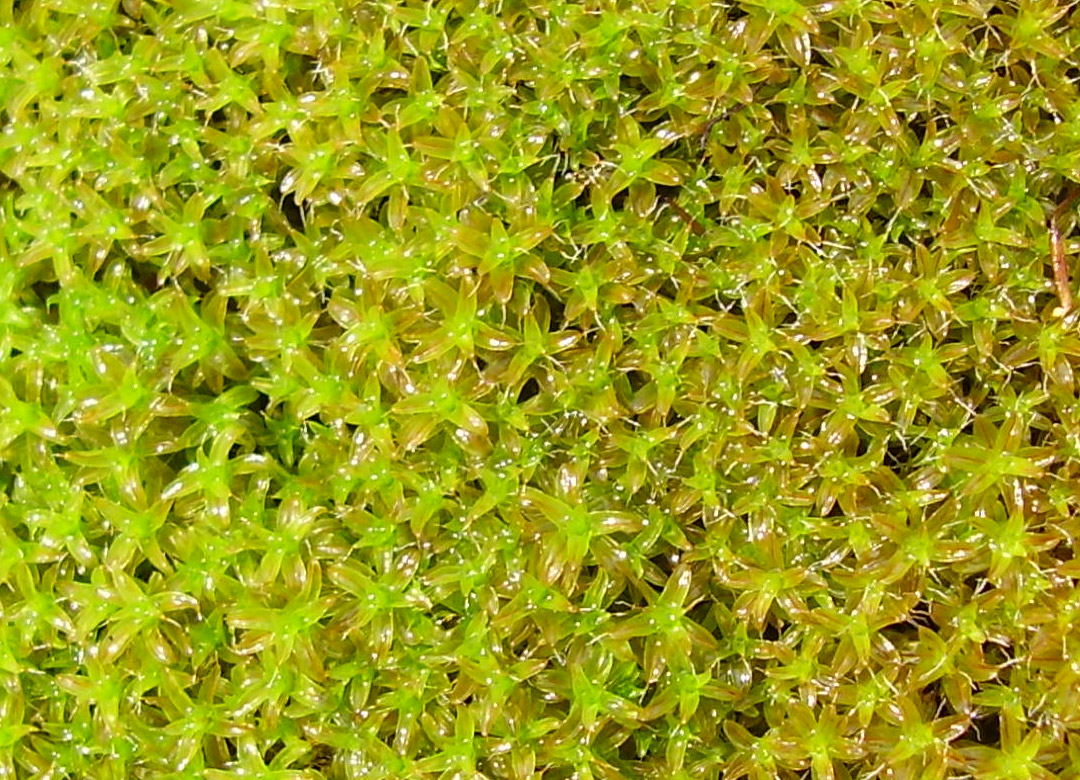
In Habitat 3260 (Water courses from plain to montane levels), the moss Willow Moss (Fontinalis antipyretica) is found along most streams and rivers of Pelister. It grows on rocks in rivers and streams, which are primarily characterized by clear, oligotrophic waters.
Peat Moss – Sphagnum spp.
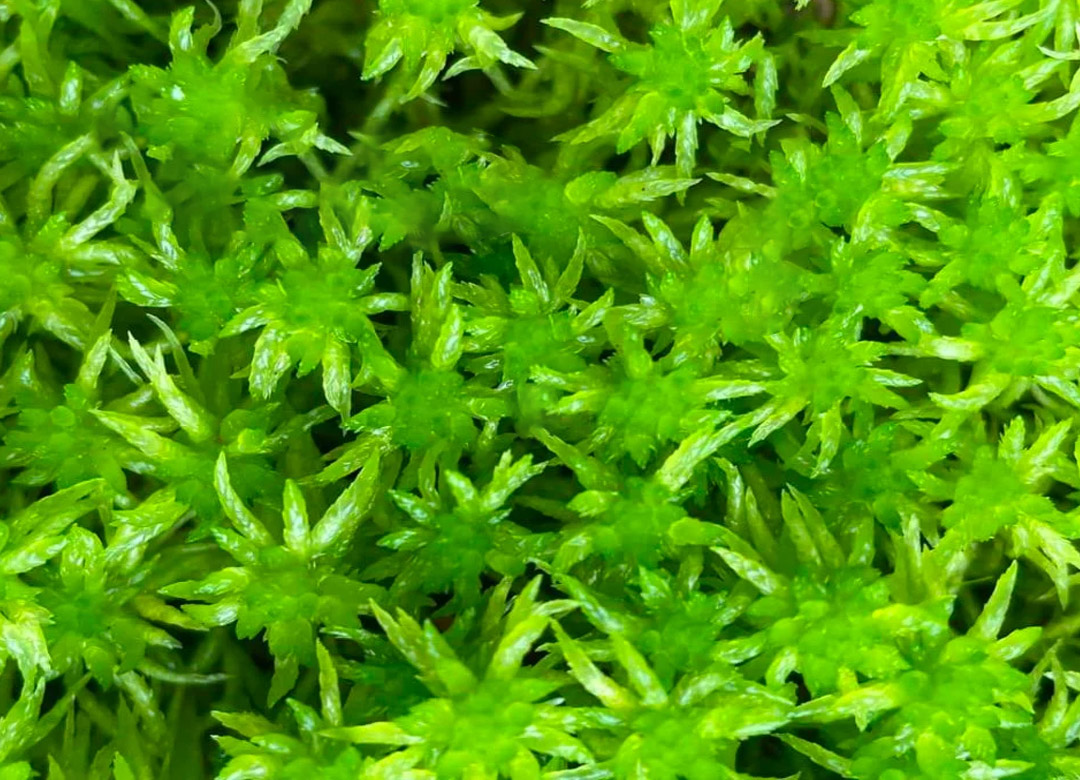
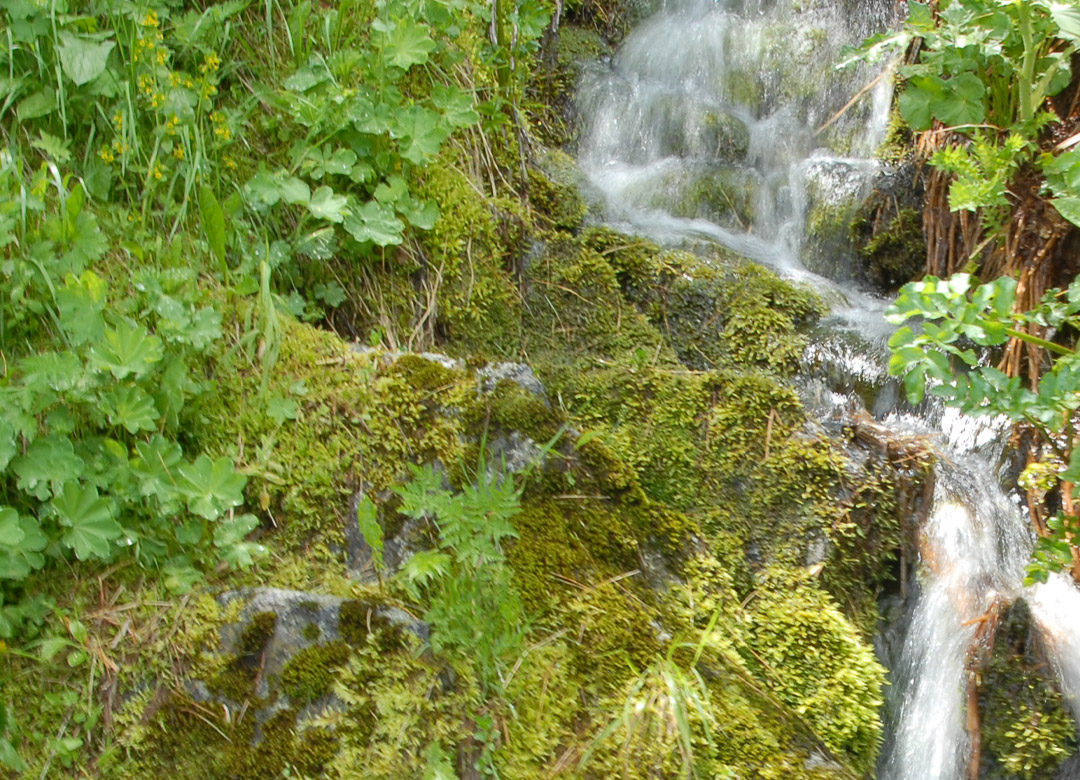
In habitat type 7140 – near Big Lake and Small Lake, the peat moss Sphagnum spp. is found.
Black Rock-moss – Andreaea rupestris
In habitat 8150, the moss Andreaea rupestris is found, which is a nationally protected species due to its rarity in the flora of RN Macedonia.
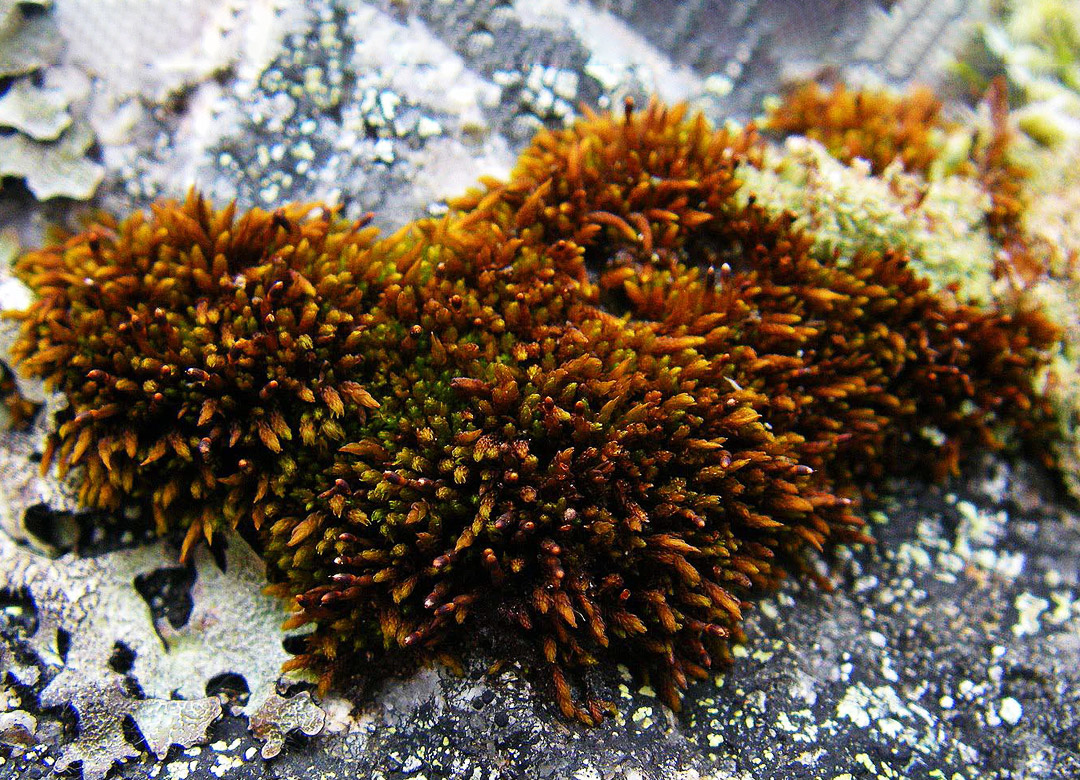
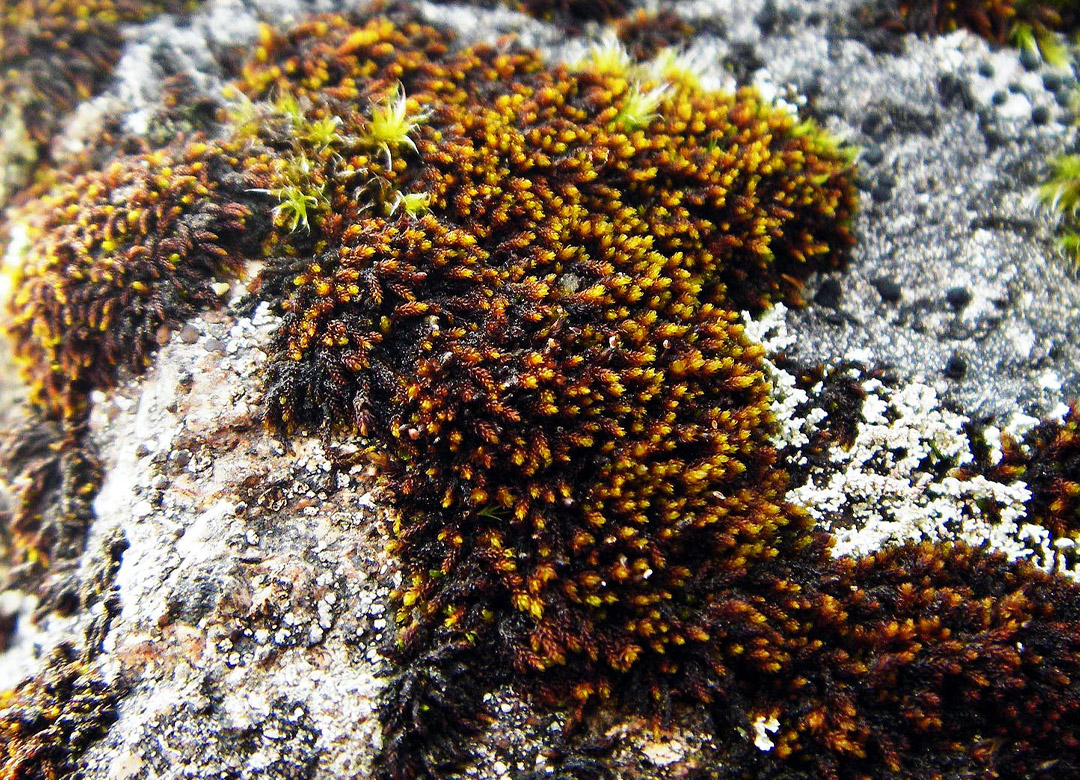
Calcareous Fen Mosses – Campylium stellatum, Bryum pseudotriquetrum & Sphagnum contortum
Habitat 7230 (Alkaline fens) represents rare and small-scale habitats on Pelister. It is characterized by fen mosses such as Campylium stellatum, Bryum pseudotriquetrum, and Sphagnum contortum.
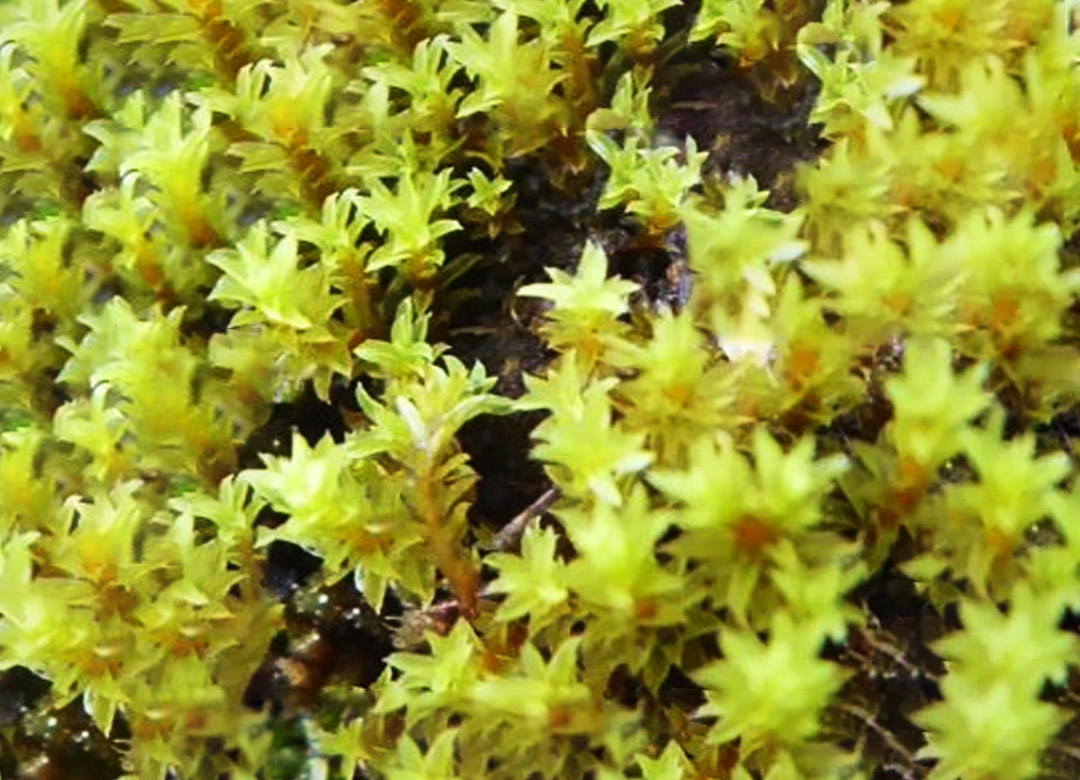
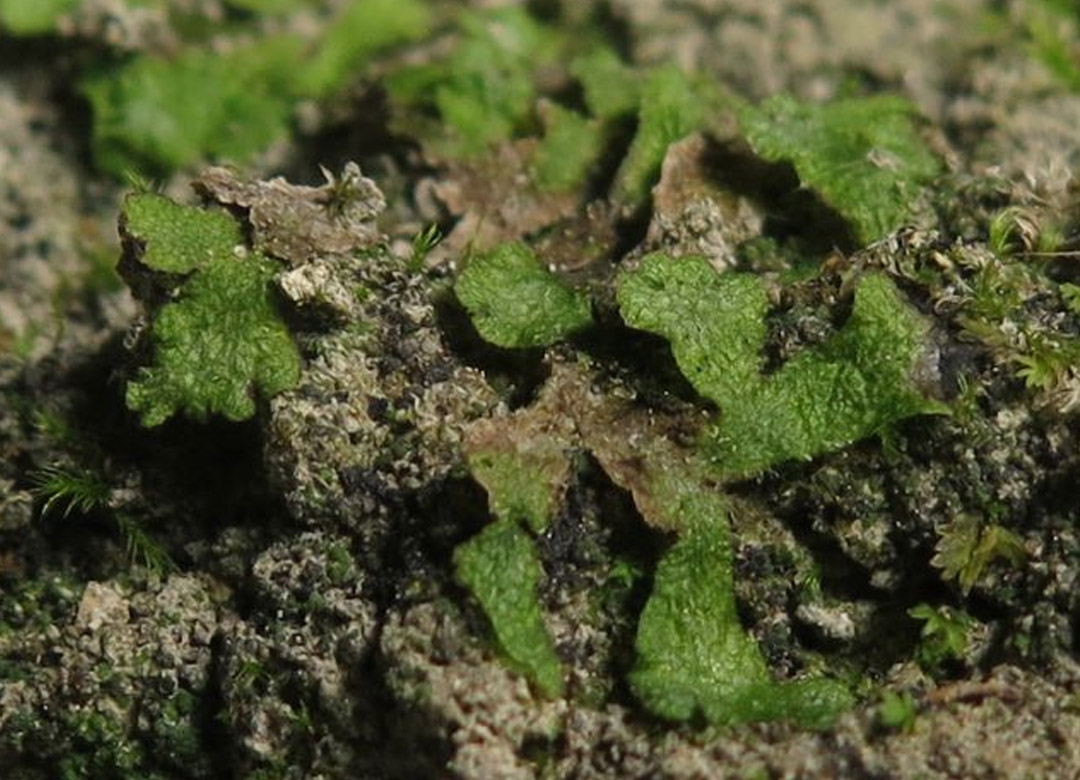
Mannia triandra
Mannia triandra is a liverwort species listed in Annex II of the EU Habitats Directive (species code 1379). This plant has been recorded on Pelister, near the shore of Big Lake (Golemo Ezero) at 2,200 m above sea level, growing on damp rocks.
Green Shield-moss – Buxbaumia viridis
The Green Shield-moss (Buxbaumia viridis) is listed in Annex II of the EU Habitats Directive (code 1386). In NP Pelister, there is a large, sustainable population in the Moesian silver fir forest near Palisnipoje. Buxbaumia viridis is an inconspicuous moss; however, its green, mature capsules—standing about 1 cm tall—are relatively easy to spot. Buxbaumia viridis is a typical indicator species for old-growth forests with abundant decaying wood and a humid microclimate. The substrate for Buxbaumia viridis is usually decaying coniferous wood in advanced stages of decomposition (Abies alba, Picea abies), and less frequently on decaying hardwood (Populus tremula, Fagus sylvatica). Occasionally, it also grows on humus or peaty soil. Buxbaumia viridis was recorded across three localities in NP Pelister in 2018.