Home to over 200 animal species, including the brown bear, grey wolf, chamois, eagles, and diverse species of butterflies and moths.
The fauna of National Park Pelister is characterized by remarkable diversity, heterogeneity, and the presence of numerous relict and endemic species. Endemism is primarily observed among invertebrate groups.
**In the ‘Small Lake’ (Malo Ezero), a population of the fairy shrimp Chirocephalus diaphanus carinatus thrives as a Balkan relict-endemic taxon. The ‘Big Lake’ (Golemo Ezero) is the exclusive home to the amphipod Niphargus pancici peristericus, a Pelister endemic species. Both glacial lakes are also home to the harpacticoid copepod Arcticocampus macedonicus, another Pelister endemic.
In the park’s headwaters (1,600–2,200 m altitude), two relict-endemic ostracod species reside: Iliodromus peristericus and Eucypris diebeli. The mountain streams also harbor relict-endemic fauna, such as the Macedonian endemic stonefly Neumora peristeri (described from the Magarevska River). Throughout the forest and high-mountain zones, various endemic species are found, including the centipede Brachydesmus peristerensis; beetles: Aplaeus macedonica, Cychrus attenuatus peristericus, Duvaliotes peristericus, Platyduvalius macedonicus, Trechus hajeki; the moth Hadena clara macedonica; and the micro-moths Scythris crypta and Scythris similis.
While invertebrates remain a subject of ongoing research, vertebrate fauna is well-documented. The park is home to two endemic trout species: the stream trout (Salmo pelagonicus), found in the upper reaches of the Sapundžica, Zlokuќanska, and Rotinska rivers, and the Pelister trout (Salmo peristericus), found in the Brajčinska River.
National Park Pelister is home to an exceptionally rich animal kingdom, with 10 amphibian species, 15 reptile species, 91 bird species, and 35 mammal species. This diversity confirms Pelister’s status as one of the most important natural habitats in North Macedonia.
The forest belt is dominated by species typical of mountain ecosystems: the fire salamander (Salamandra salamandra), the Macedonian crested newt (Triturus carnifex macedonicus), the common and stream frog, and the European tree frog (Hyla arborea).
Reptiles present include the Hermann’s tortoise (Testudo hermanni), the Aesculapian snake (Elaphe longissima), and the smooth snake (Coronella austriaca).
Pelister serves as a true sanctuary for numerous mountain birds: the Eurasian woodcock, hazel grouse, eagle owl (Bubo bubo), tawny owl (Strix aluco), European nightjar (Caprimulgus europaeus), as well as the black and green woodpecker, the northern goshawk, and the golden eagle (Aquila chrysaetos).
Among mammals, the most common are the hedgehog, squirrel, stone marten, fox, wild cat, wolf, and wild boar.
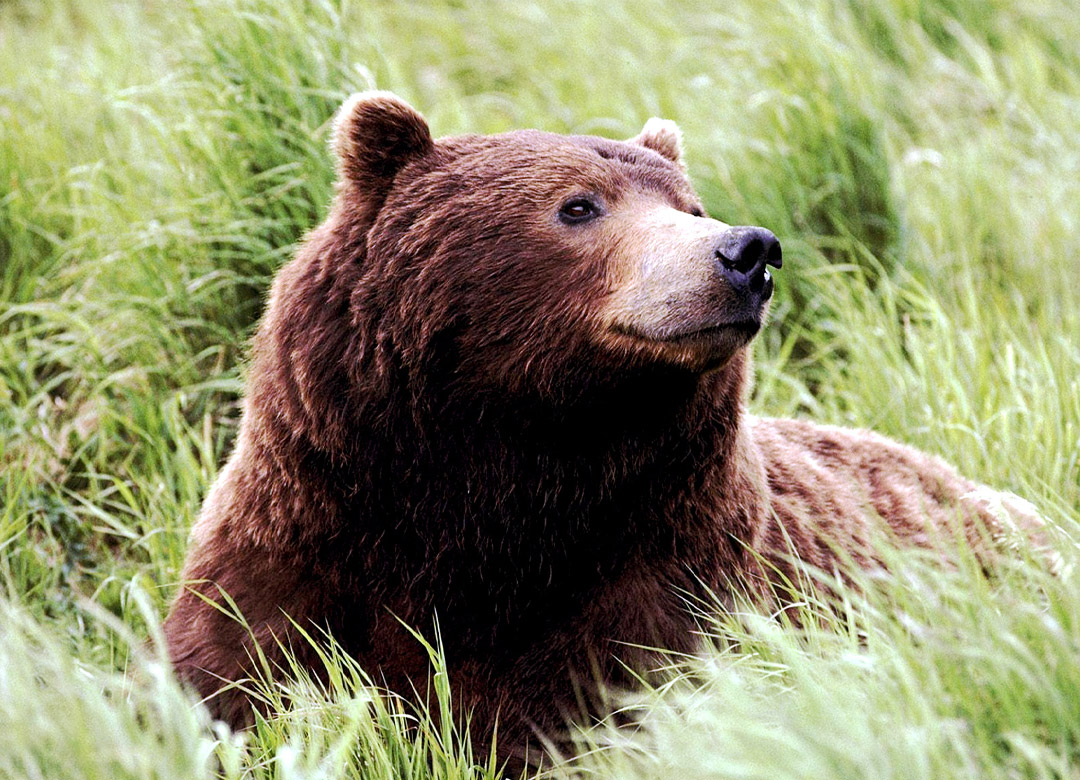
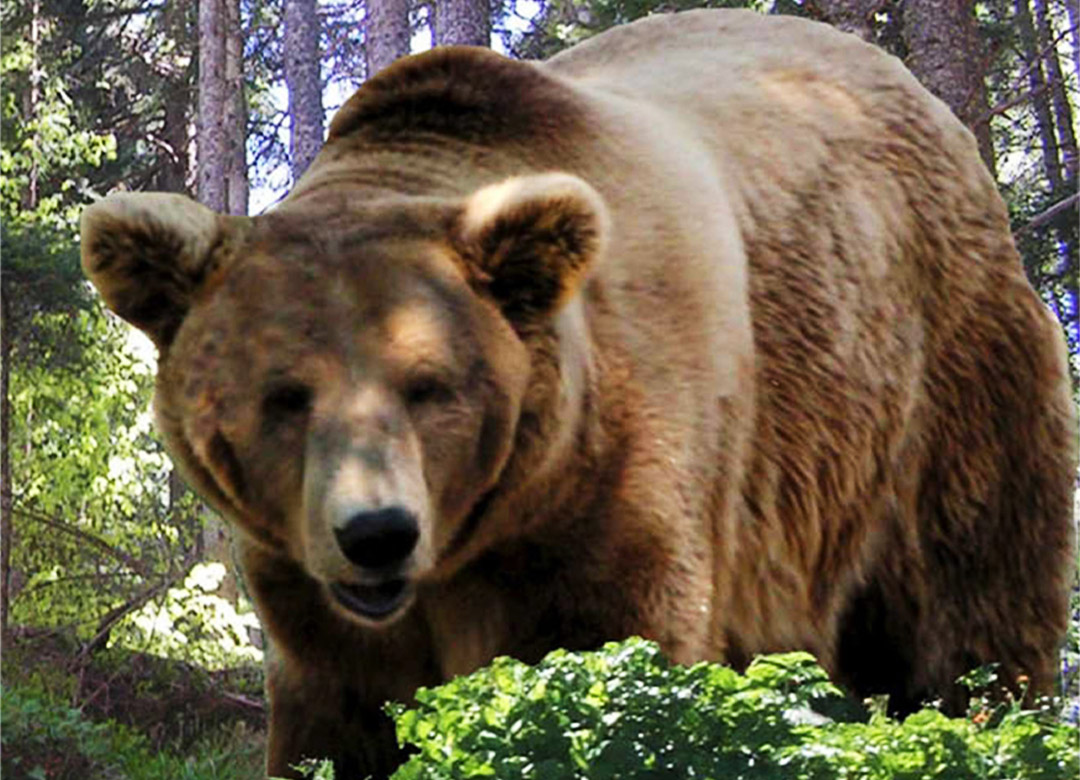
The park is also a natural habitat for the rare Balkan lynx (Lynx lynx martinoi) and the brown bear (Ursus arctos) — species that make Pelister one of the most significant areas for large carnivores in Macedonia.
The high-mountain zone of Pelister is inhabited by a specific fauna, representing a mosaic of relict Mediterranean high-mountain elements, as well as boreal, arcto-alpine, and steppe faunistic elements. The most prominent species in this zone is the Balkan chamois (Rupicapra rupicapra balcanica). The European snow vole (Chionomys nivalis) lives in the rocky terrains.
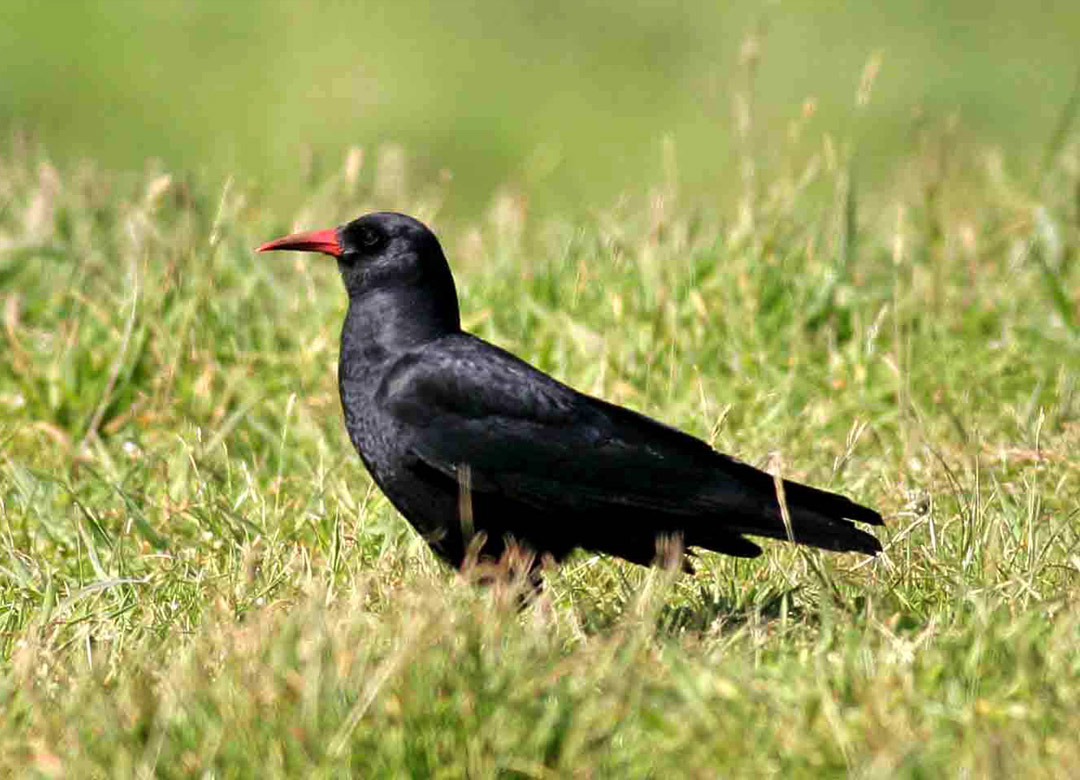
Across wet meadows and pastures with lush vegetation, one can encounter the sand lizard (Lacerta agilis), the common European adder (Vipera berus), the common pine vole (Microtus subterraneus), the Eurasian pygmy shrew (Sorex minutus), the Balkan mole (Talpa stankovici), and the lesser mole-rat (Nannosplax leucodon). Characteristic bird species for this zone include the red-billed chough (Pyrrhocorax pyrrhocorax), the common rock thrush (Monticola saxatilis), the ring ouzel (Turdus torquatus), and the rock partridge (Alectoris graeca).
Four mammal taxa were first described from localities within the National Park:
Balkan blind mole (Talpa caeca beaucournii): A typical inhabitant of the Molika (Balkan pine) forests.
Balkan mole (Talpa stankovici): Described from specimens collected in the park’s mountain meadows; registered as a Macedonian sub-endemic, as it is also found in border areas of Greece and Albania.
Macedonian bank vole (Clethrionomys glareolus makedonicus): First recorded and described from the deciduous and mixed forests of Pelister, representing a Macedonian endemic.
Macedonian vole (Microtus felteni): Described from the Molika forests of Pelister; it is a Macedonian endemic, as it has been recorded only on the mountains of Western Macedonia.
Категории
VERTEBRATES
The total number of mammal species in NP Pelister is 47, as determined through literature data and field research. This figure accounts for approximately 53% of the total number of mammal species in the country.
Most data are available for large mammals, as they were the focus of research conducted in the area under several projects between 2009 and 2018.
Brown Bear (Ursus arctos)
Mammals – Carnivores (Carnivora)
The brown bear (Ursus arctos) is a mammal species listed under Annexes II and IV of the Habitats Directive (Code 1354). The brown bear is on the list of strictly protected species in the Republic of North Macedonia. The availability of sufficient food sources for the brown bear in NP Pelister, such as blueberries, ants, and other food items, poses no threat to this species.
Grey Wolf (Canis lupus)
Mammals – Carnivores (Carnivora)
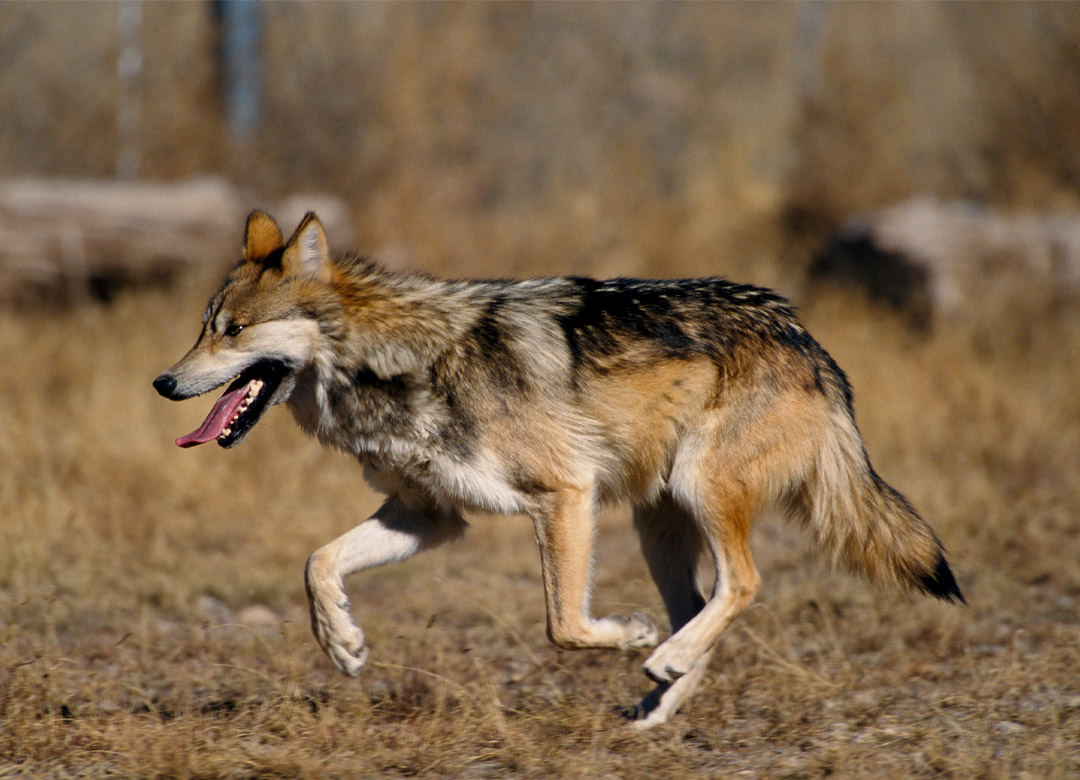
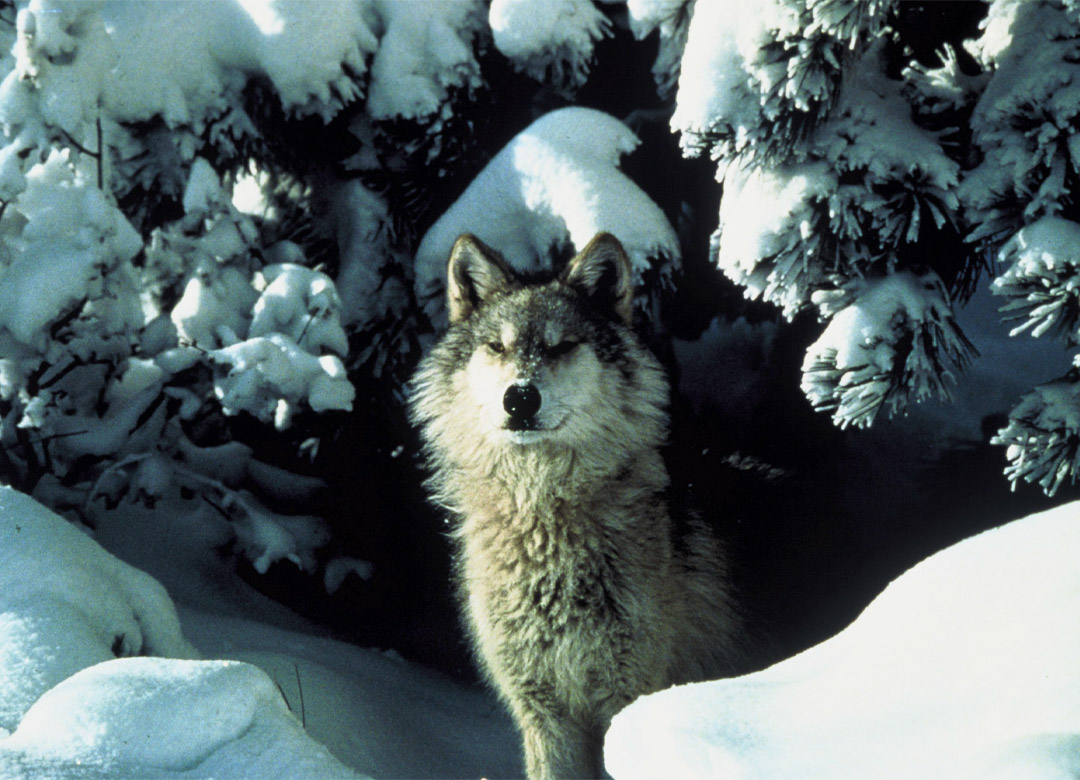
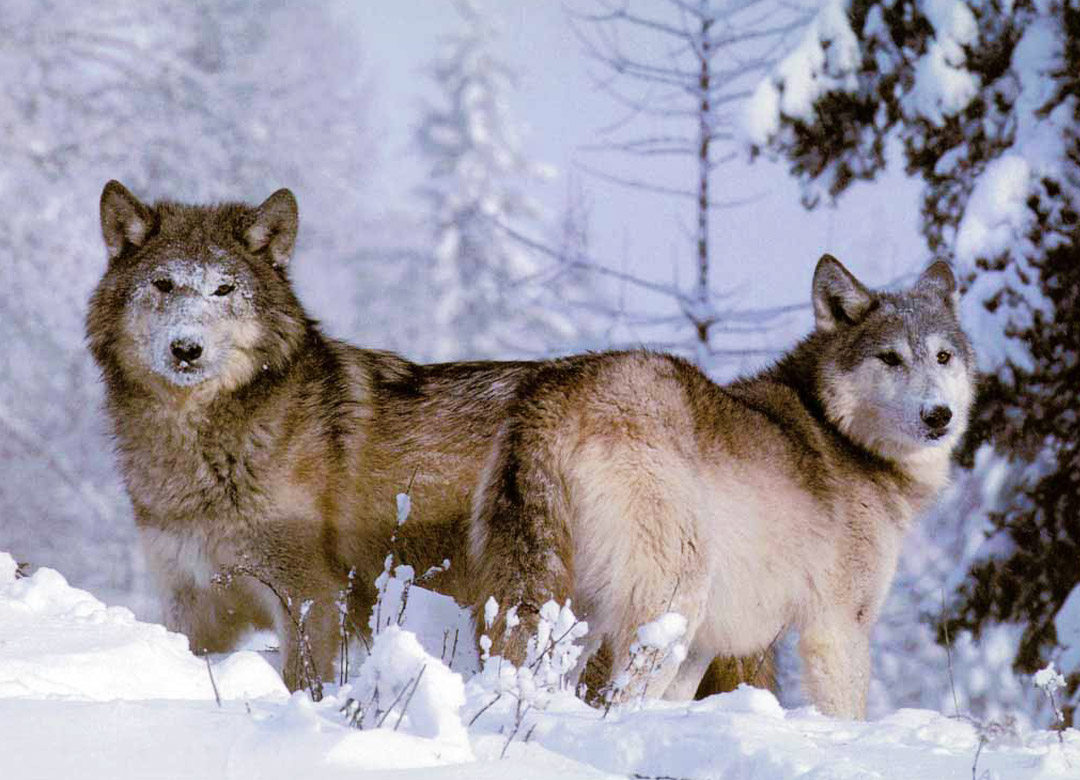
The grey wolf (Canis lupus) is a mammal species listed under Annexes II, IV, and V of the EU Habitats Directive (Code 1352). Wolf tracks and evidence of activity can be found across various parts of NP Pelister, ranging from lowland areas to subalpine and alpine regions. Under the Twinning Project, wolf presence was officially recorded in the vicinity of the villages of Djavato, Capari, and Rotino.
Balkan Lynx – Lynx (Lynx lynx balcanicus)
Mammals – Carnivores (Carnivora)
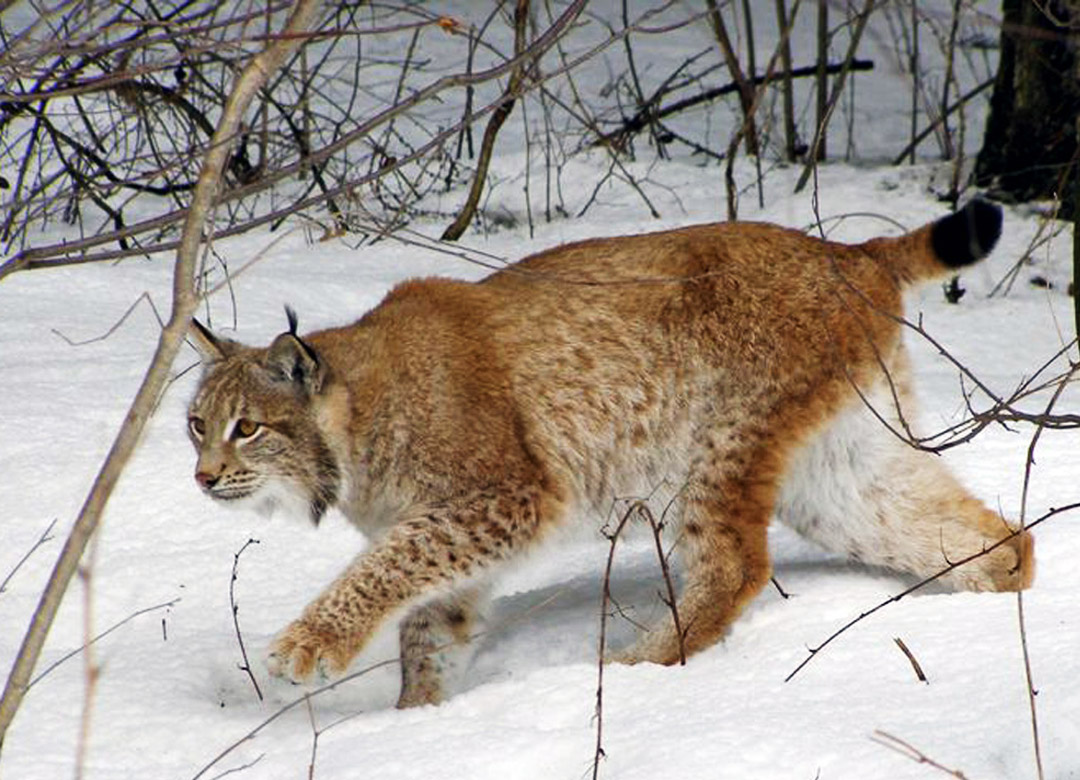
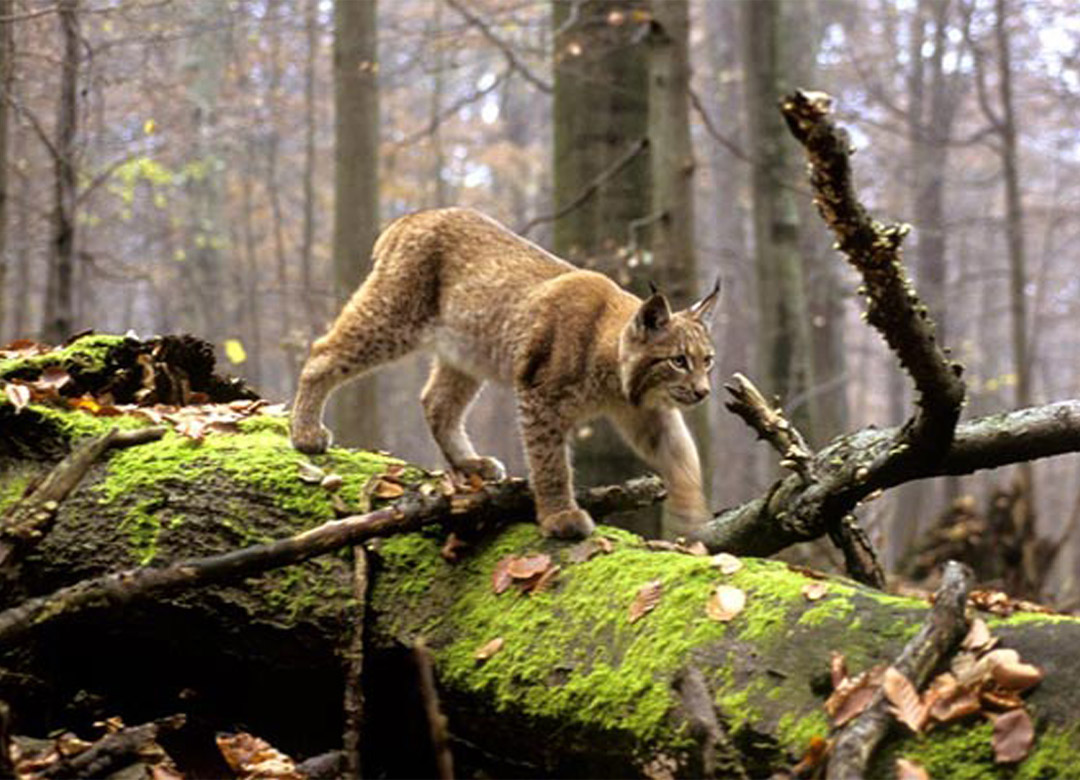
The lynx (Lynx lynx) is a mammal species listed under Annexes II, IV, and V of the EU Habitats Directive (Code 1361). Within NP Pelister, the lynx is extremely rare, and currently, there is no sustainable population; therefore, individuals present are considered to be migratory. Nevertheless, NP Pelister offers potential habitat for the lynx, featuring numerous broadleaf areas rich in hazel and forests of Pinus peuce (Macedonian pine) located in the lower parts of the park.
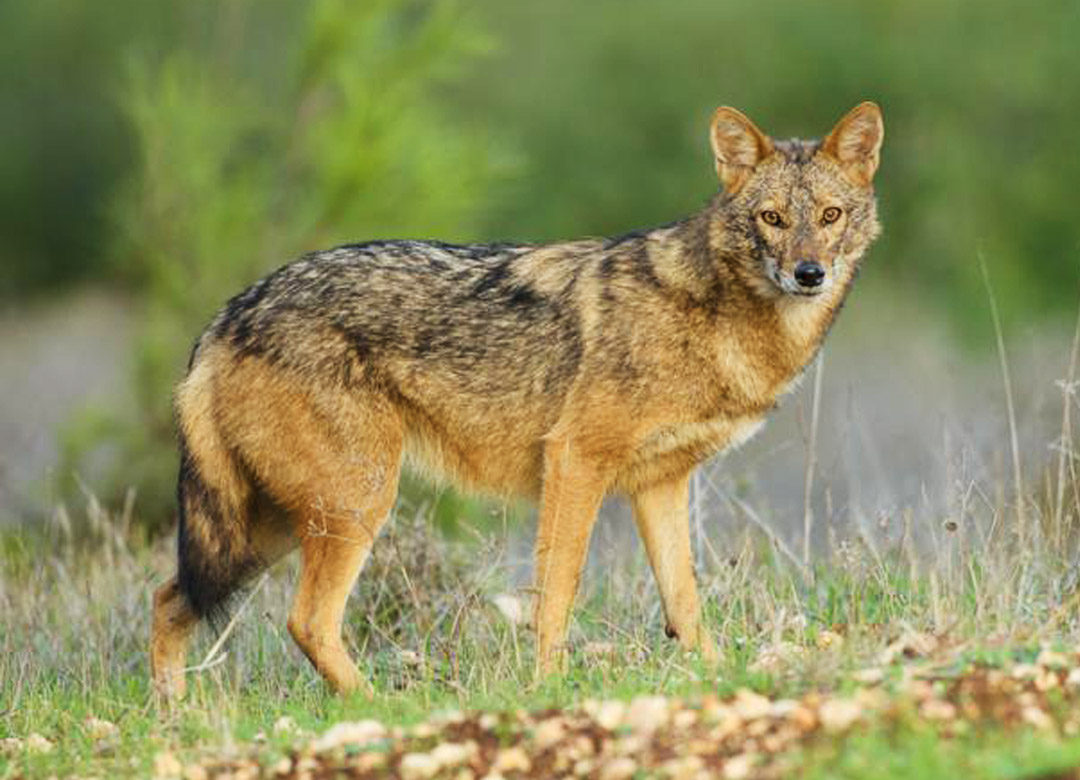
Eurasian Golden Jackal (Canis aureus)
Mammals – Carnivores (Carnivora)
The Eurasian golden jackal (Canis aureus) is a small carnivore that feeds on small mammals, birds, and plant matter.
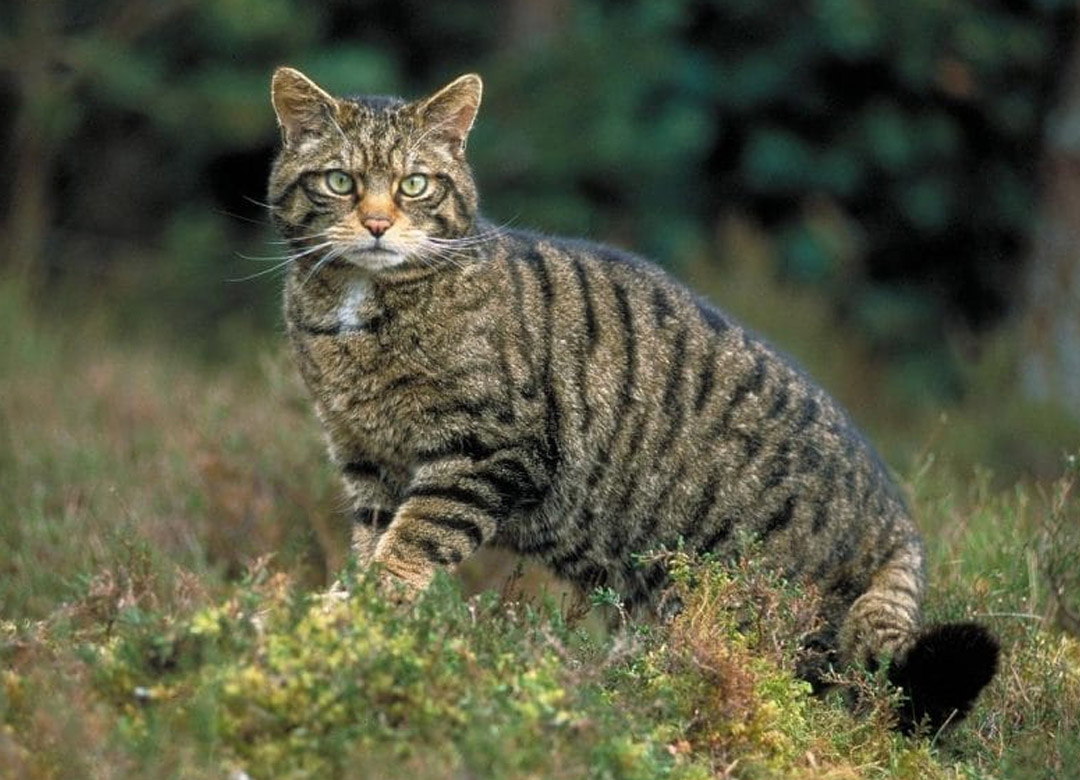
European Wildcat (Felis silvestris)
Mammals – Carnivores (Carnivora)
The European wildcat (Felis silvestris) is a mammal species listed under Annex IV of the EU Habitats Directive (Code 6110). The European wildcat is on the list of strictly protected species in the Republic of North Macedonia.
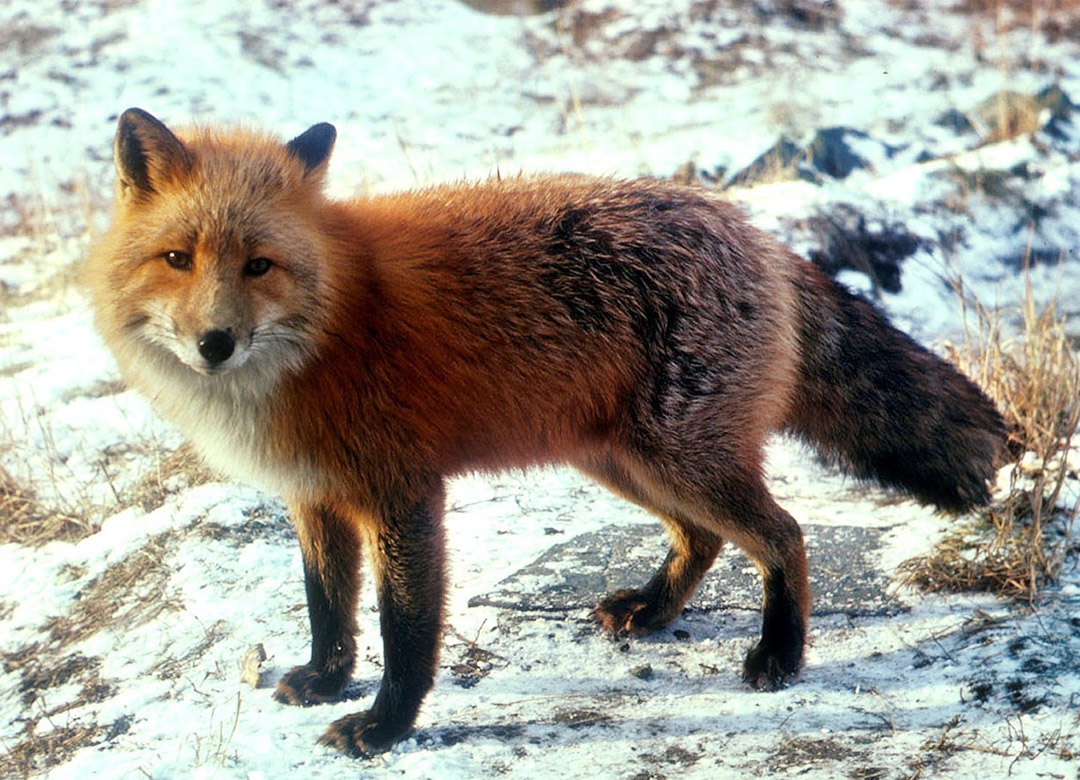
Fox (Vulpes vulpes)
Mammals – Carnivores (Carnivora)
The fox (Vulpes vulpes) is a versatile hunter that feeds on small animals and fruits, highly adaptable to various habitats.
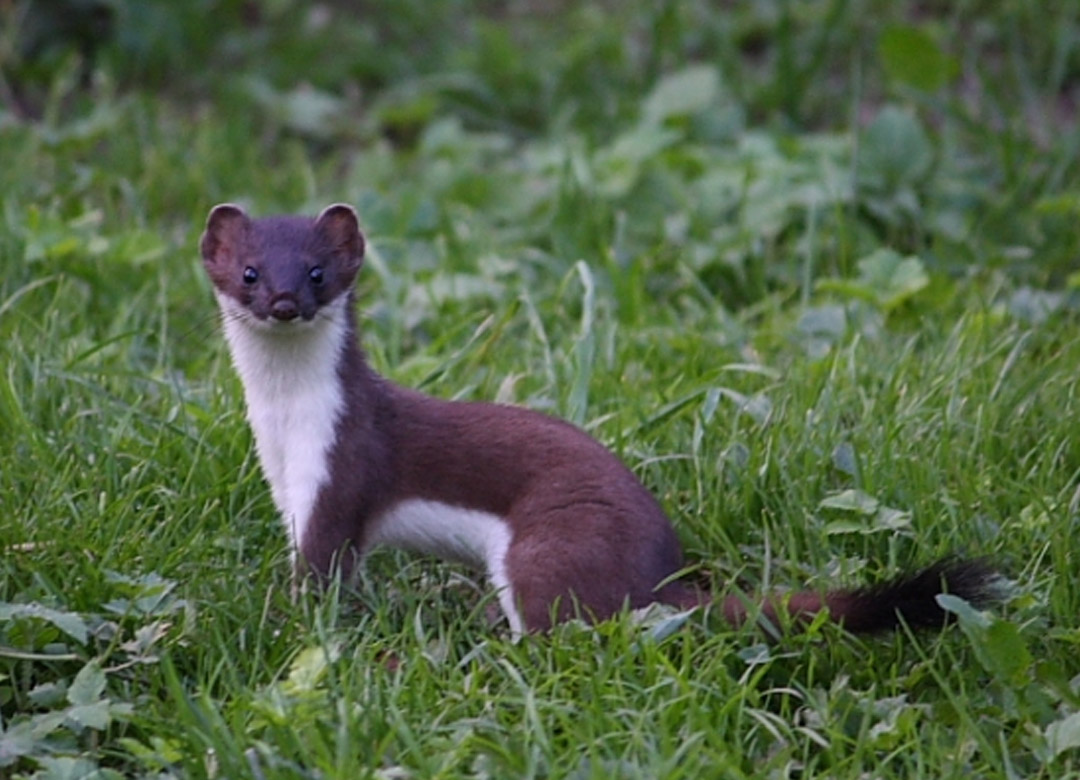
Weasel (Mustela nivalis)
Mammals – Carnivores (Carnivora)
The weasel (Mustela nivalis) is a small carnivore that hunts mice and birds, active during the night.
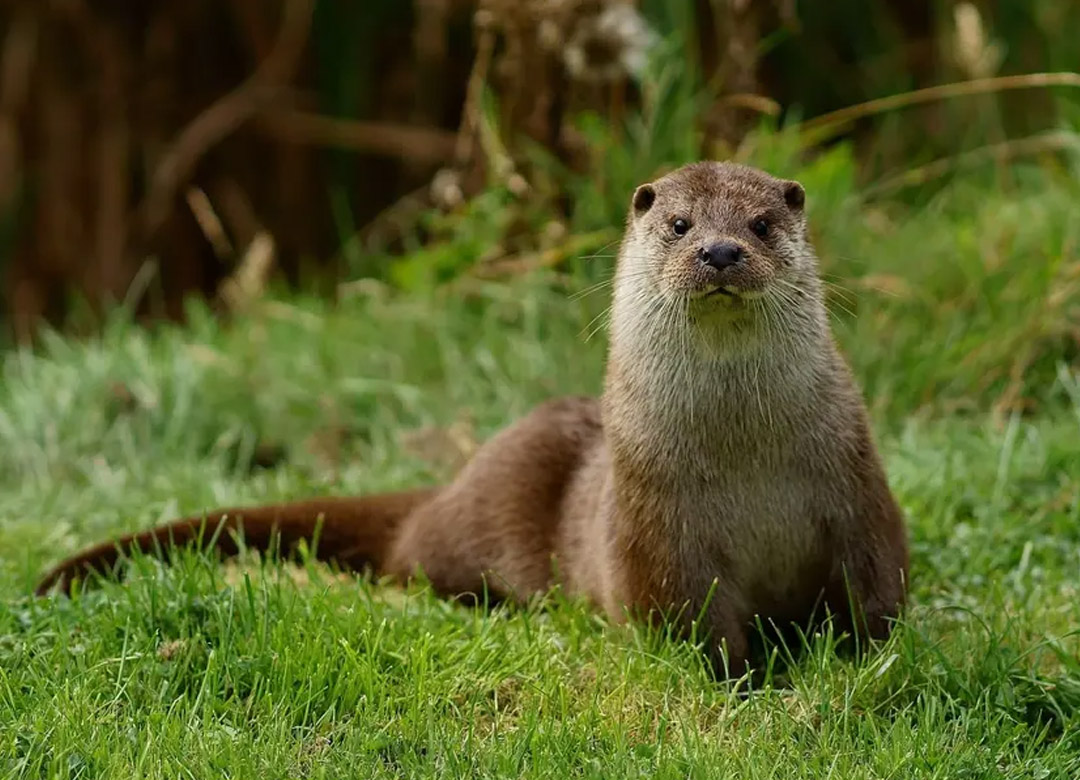
Eurasian otter (Lutra lutra)
Mammals – Carnivores (Carnivora)
The Eurasian otter (Lutra lutra) is a mammal species listed under Annexes II and IV of the EU Habitats Directive (Code 1355). Otters are found near a variety of watercourses, inhabiting both flowing and standing waters. In search of food, they may also be encountered along small streams. These animals cover large home ranges and possess strong dispersal capabilities.
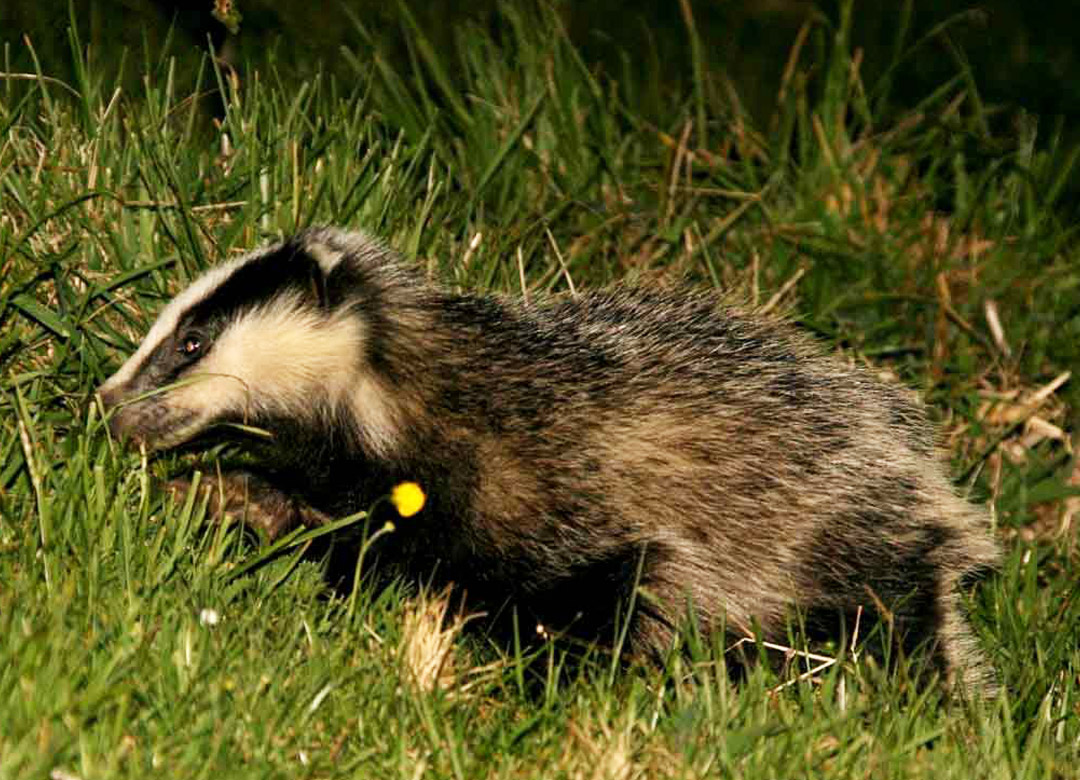
European Badger (Meles meles)
Mammals – Carnivores (Carnivora)
The European badger (Meles meles) is a nocturnal, opportunistic omnivore that feeds on insects, small mammals, and various wild fruits.
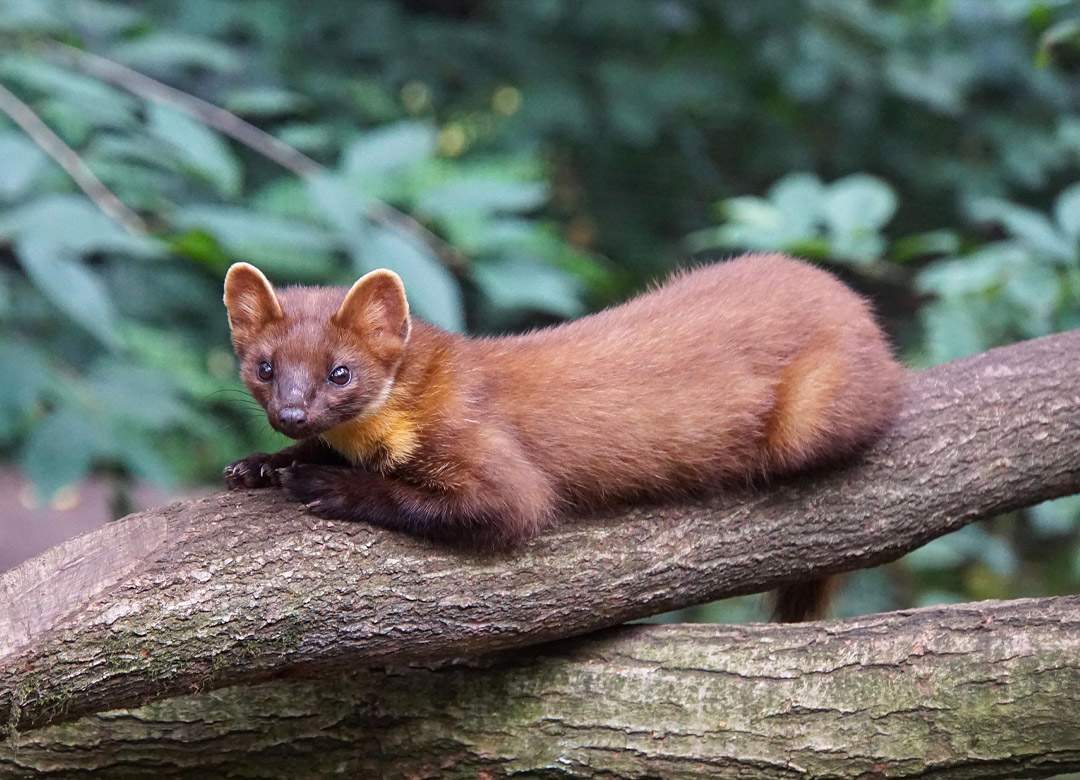
European Pine Marten (Martes martes)
Mammals – Carnivores (Carnivora)
The European pine marten (Martes martes) is an agile forest carnivore that feeds on small mammals, birds, insects, and wild forest fruits.
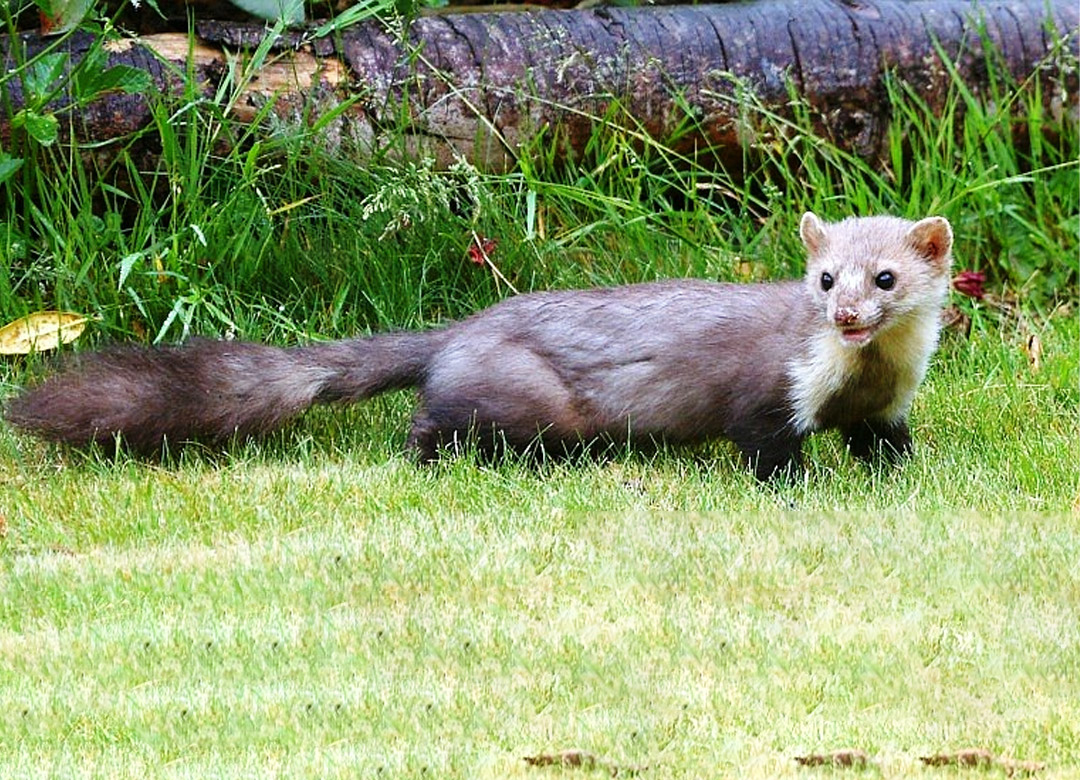
White-Breasted Marten (Martes foina)
Mammals – Carnivores (Carnivora)
The European pine marten (Martes martes) is an agile forest carnivore that feeds on small mammals, birds, insects, and wild forest fruits.
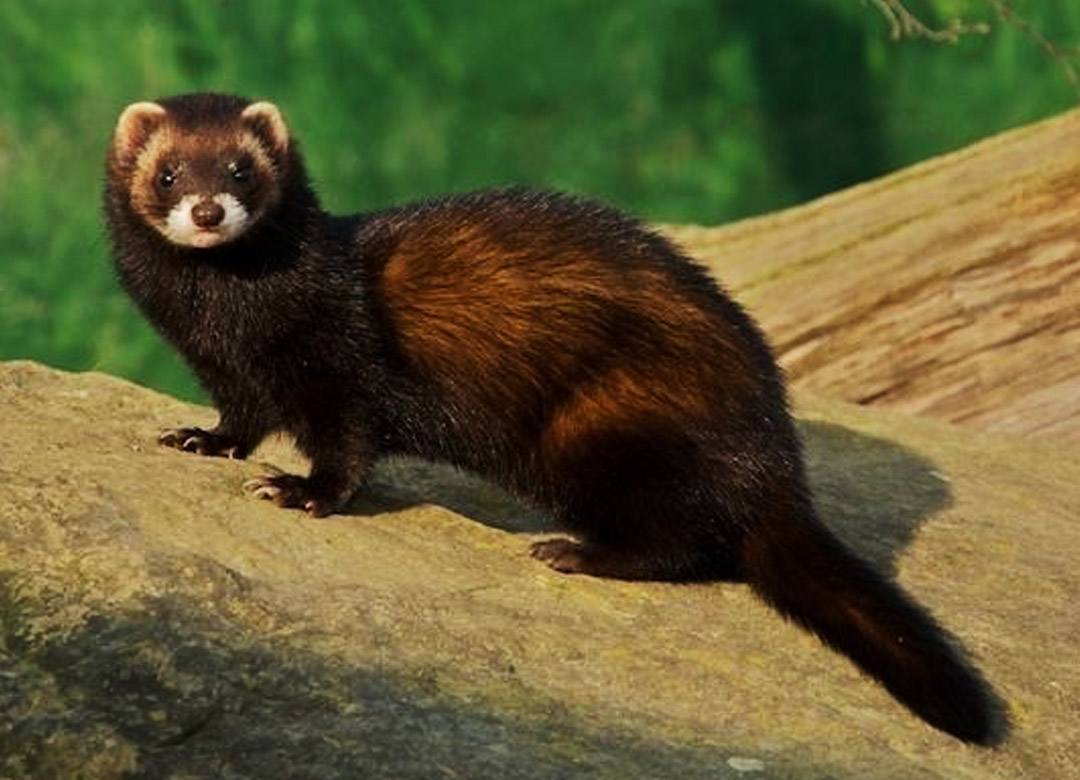
Forest Polecat (Mustela putorius)
Mammals – Carnivores (Carnivora)
The polecat (Mustela putorius) is a medium-sized carnivore that feeds on mice and birds.
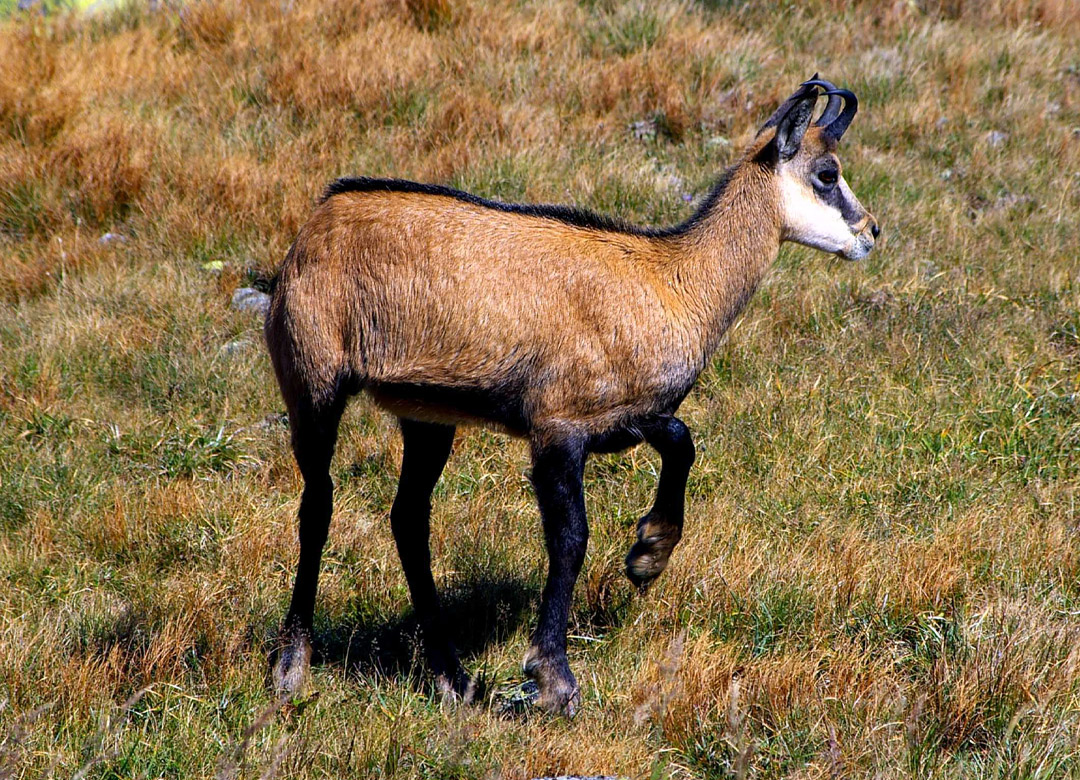
Balkan Chamois (Rupicapra rupicapra balcanica)
Even-Toed Ungulates (Artiodactyla)
The Balkan chamois (Rupicapra rupicapra subsp. balcanica) is a mammal species listed under Annexes II and IV of the Habitats Directive (Code 1371). This chamois inhabits steep, rocky mountain terrains across diverse environments, including alpine meadows, open rocky landscapes, and forest belts such as mixed broadleaf and coniferous forests. During the summer, individuals from the existing Balkan chamois herd can be spotted in the vicinity of Kozji Kamen, within the alpine zone of NP Pelister.
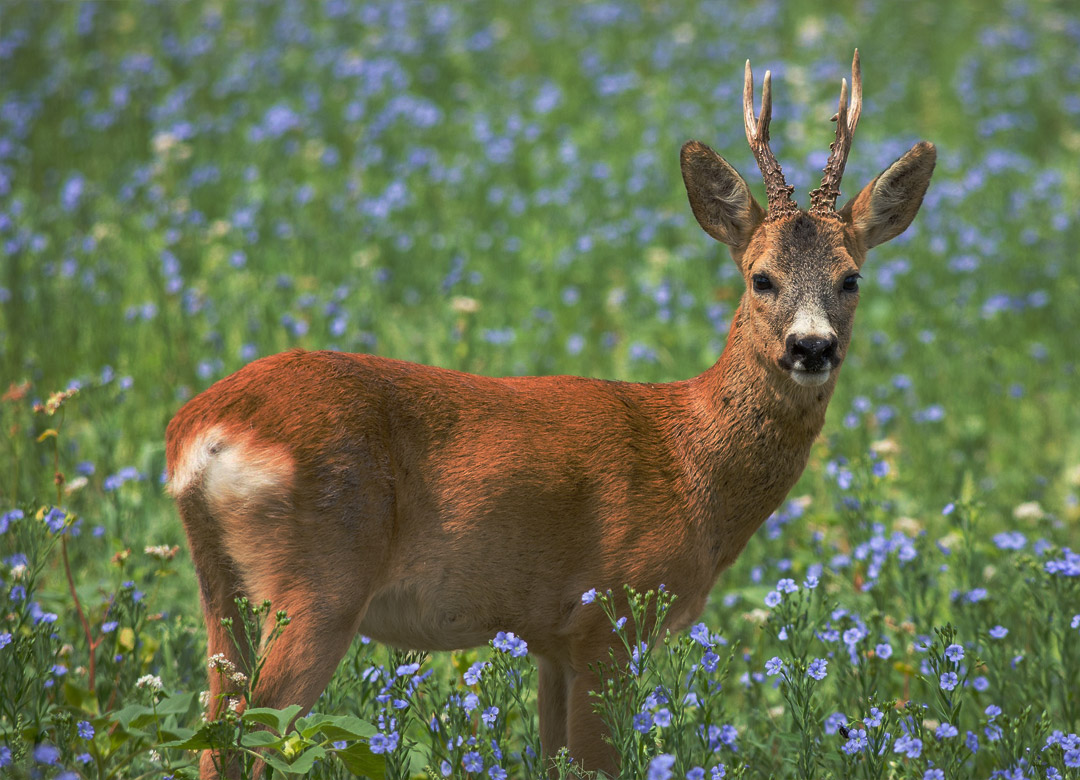
European Roe Deer (Capreolus capreolus)
Even-Toed Ungulates (Artiodactyla)
The European roe deer (Capreolus capreolus) is a small mammal that grazes on grasses and leaves, highly adaptable to forests and meadows.
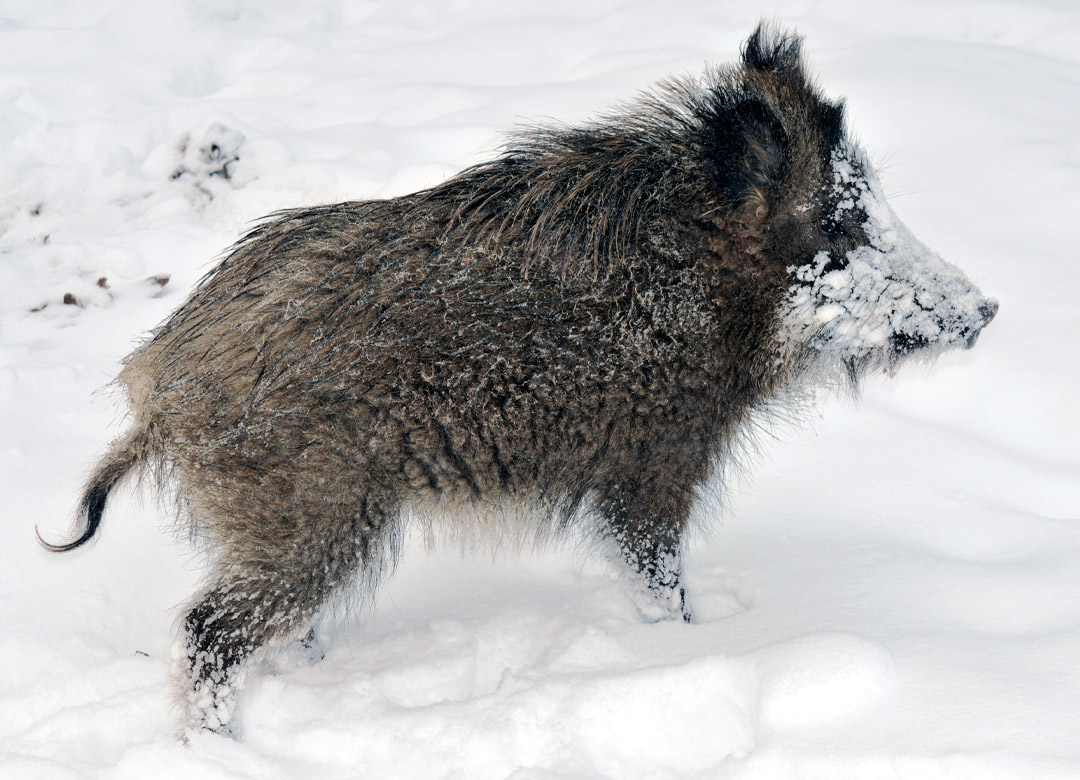
Wild Boar (Sus scrofa)
Even-Toed Ungulates (Artiodactyla)
The wild boar (Sus scrofa) is a large omnivorous mammal that feeds on roots, fruits, and seeds, active at night.
European Hare (Lepus europaeus)
Lagomorphs (Lagomorpha)
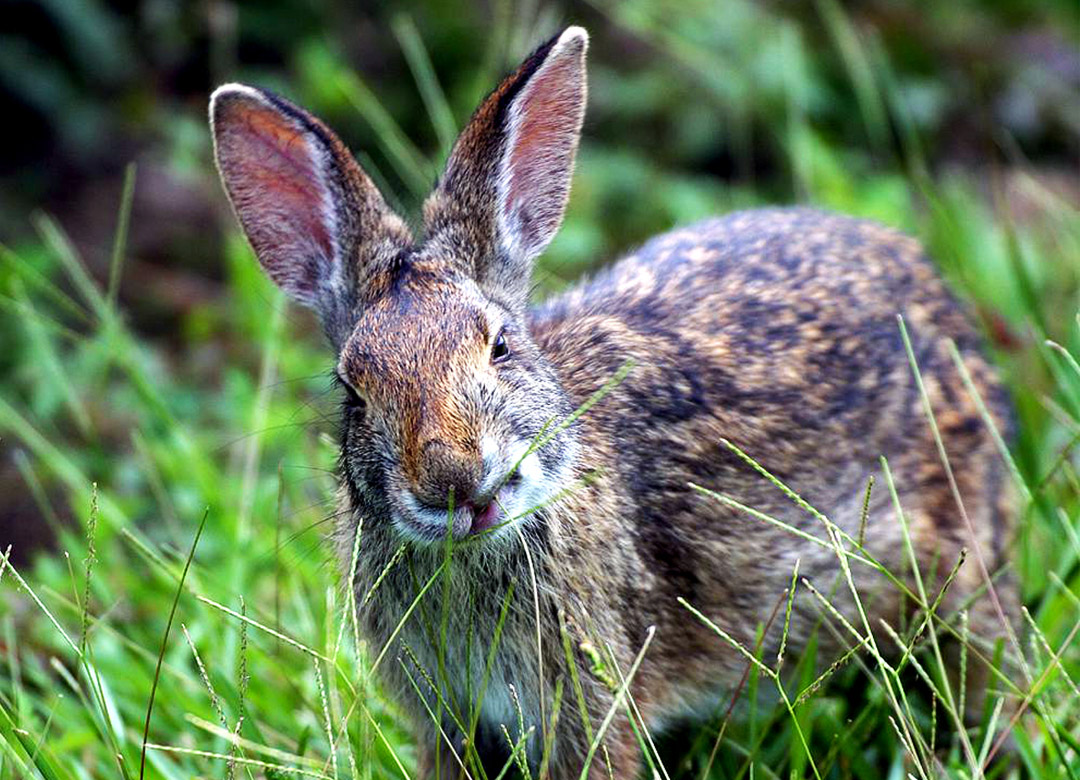
The European hare (Lepus europaeus) is a fast and cautious herbivorous mammal that inhabits open meadows and forest edges. It is known for its sprinting speed and powerful hind legs that allow it to evade predators.
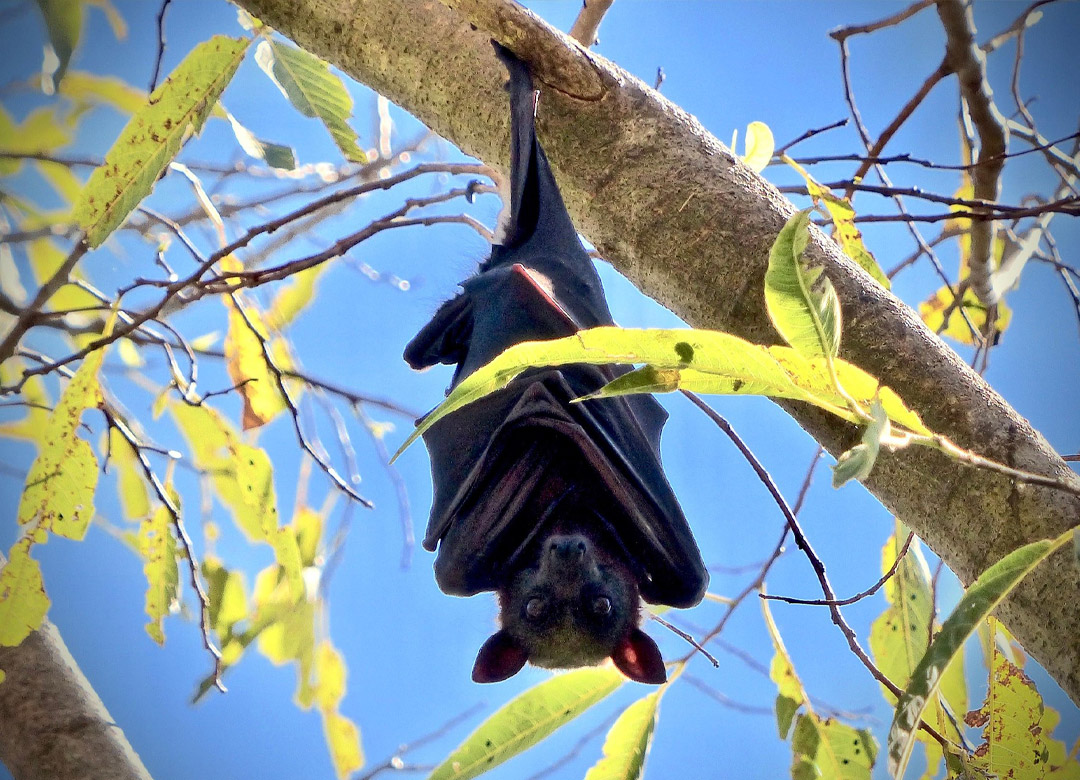
Bats
Chiroptera
Bats (Microchiroptera)—all microbats—are listed under Annex IV of the EU Habitats Directive. The following species have been recorded in National Park Pelister (Avramovski 2006b):
Lesser mouse-eared myotis (Myotis blythii)
Long-fingered bat (Myotis capaccinii)
Blasius’s horseshoe bat (Rhinolophus blasii)
Mediterranean horseshoe bat (Rhinolophus euryale)
Greater horseshoe bat (Rhinolophus ferrumequinum)
Lesser horseshoe bat (Rhinolophus hipposideros)
Myotis capaccinii, Rhinolophus blasii, and Rhinolophus euryale are included in the list of strictly protected species in the Republic of North Macedonia.
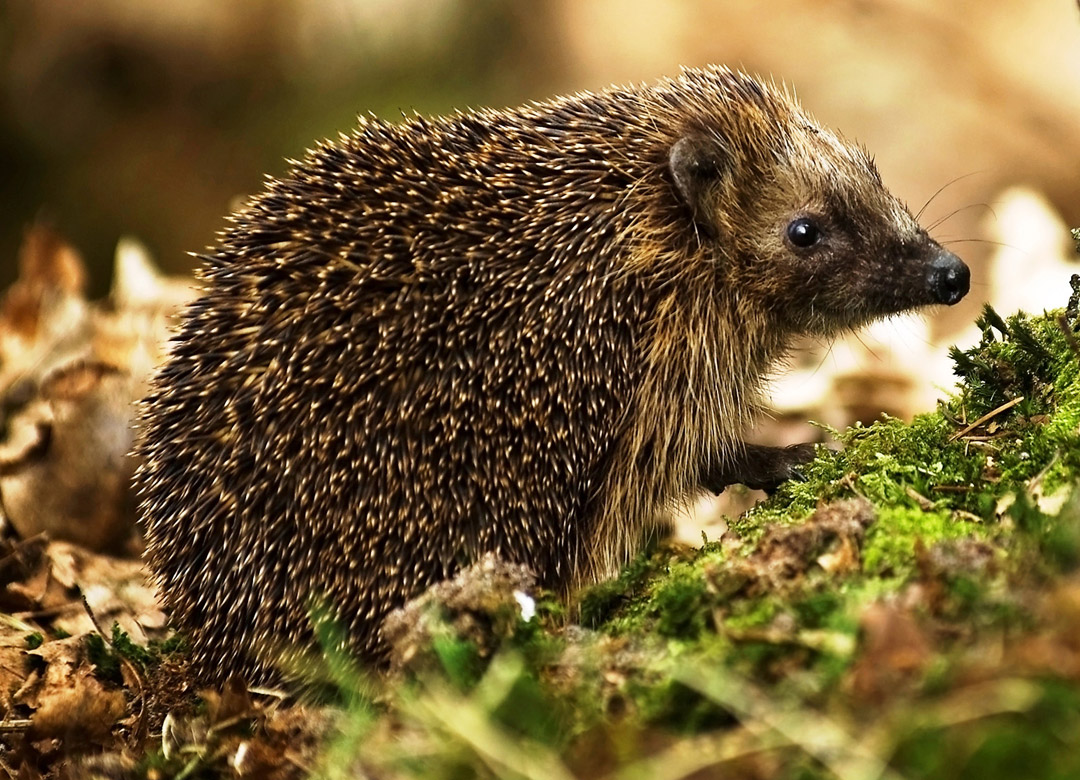
Northern White-breasted Hedgehog (Erinaceus roumanicus)
Insectivores (Eulipotyphla/Insectivore)
The Northern white-breasted hedgehog (Erinaceus roumanicus) is a nocturnal mammal recognizable by its spiny skin, which serves as a defense against predators. It feeds mainly on insects, worms, and small invertebrates, and plays an important role in controlling harmful insects.
Common Shrew (Sorex araneus)
Insectivores (Eulipotyphla/Insectivore)
The common shrew is a small, highly active mammal with a high metabolic rate, constantly foraging for food such as insects and larvae. It inhabits damp and shaded areas with dense vegetation.
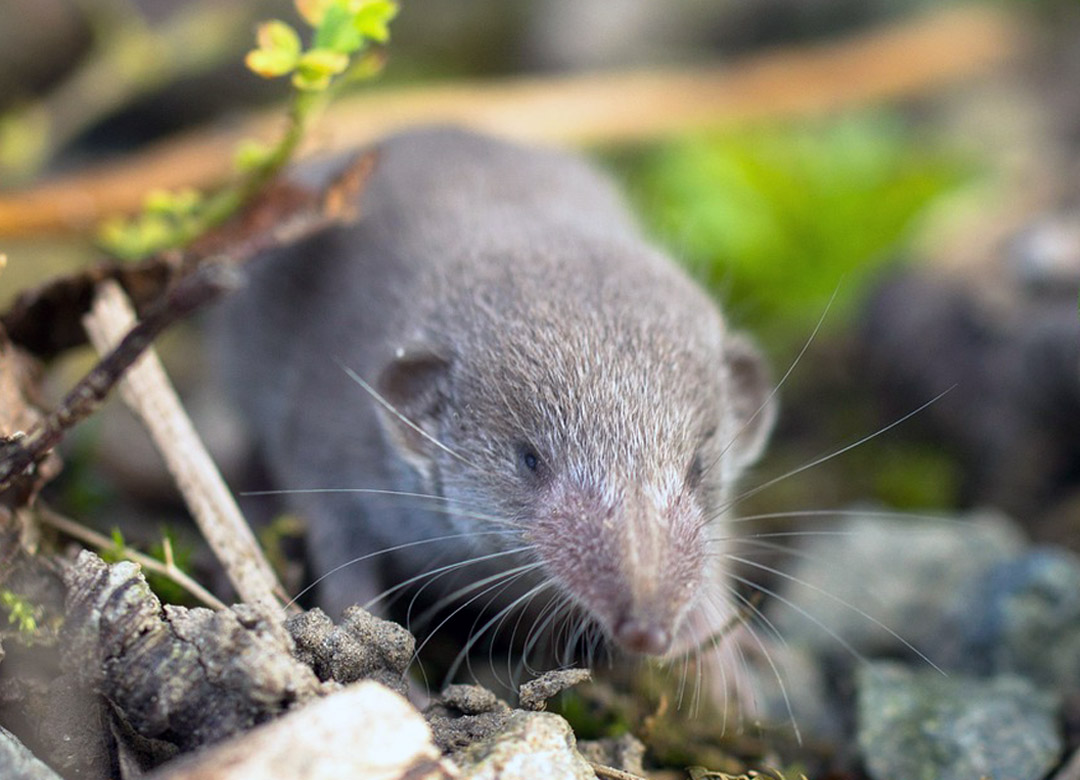
Pygmy Shrew (Sorex minutus)
Insectivores (Eulipotyphla/Insectivore)
The pygmy shrew is one of the smallest mammals in Europe, known for its speed and continuous movement in search of food. It prefers forest and grassy habitats rich in insects.
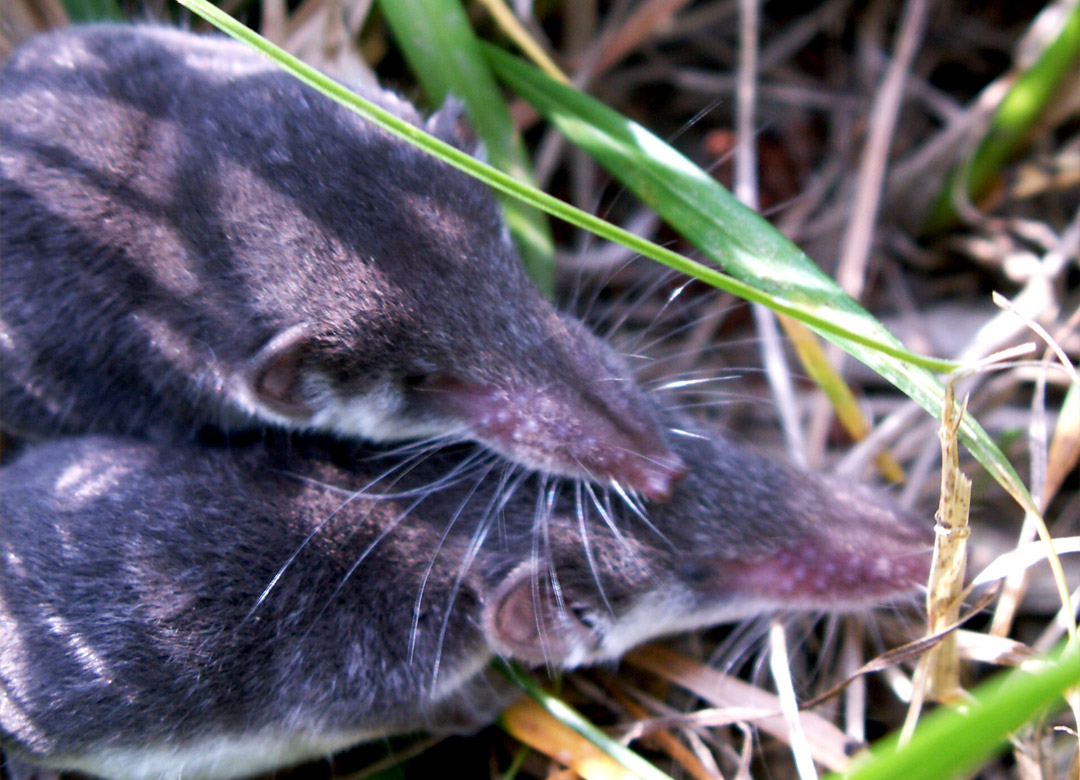
Eurasian Water Shrew (Neomys fodiens)
Insectivores (Eulipotyphla/Insectivore)
The Eurasian water shrew is an excellent swimmer and diver, adapted to a life along watercourses. It feeds on aquatic invertebrates, insects, and small aquatic animals.
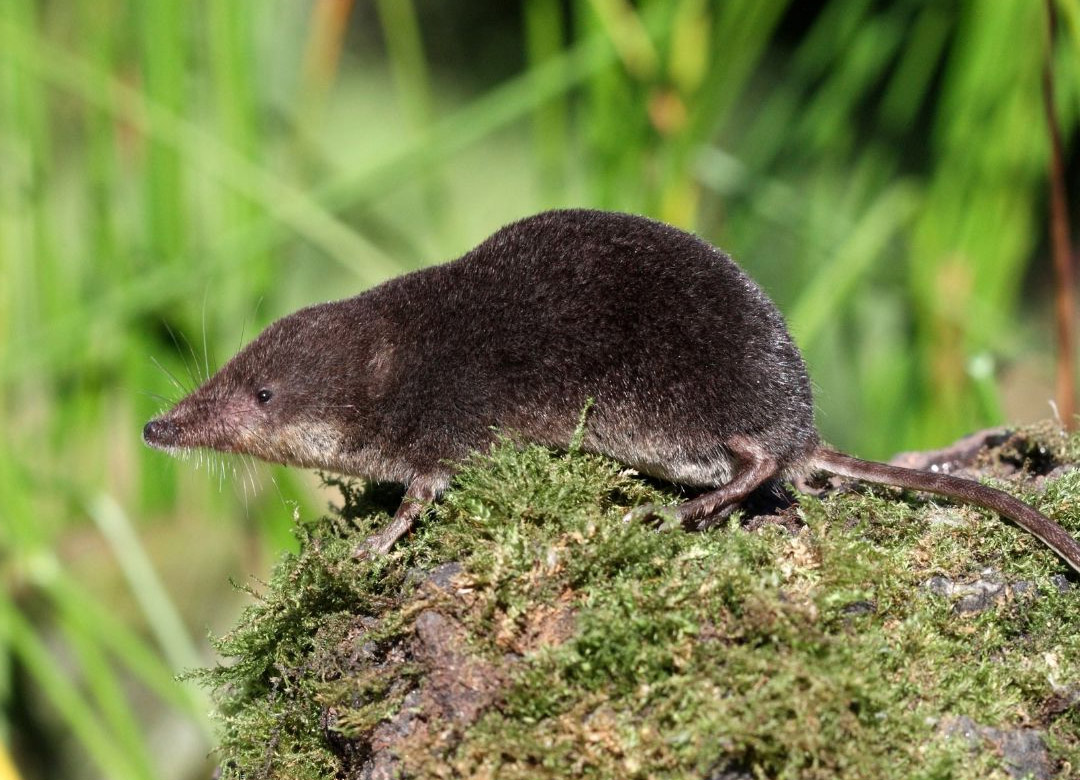
Mediterranean Water Shrew (Neomys anomalus)
Insectivores (Eulipotyphla/Insectivore)
The Mediterranean water shrew lives in damp environments and along clean streams, where it preys on small aquatic organisms. It is sensitive to pollution and serves as an indicator of healthy aquatic ecosystems.
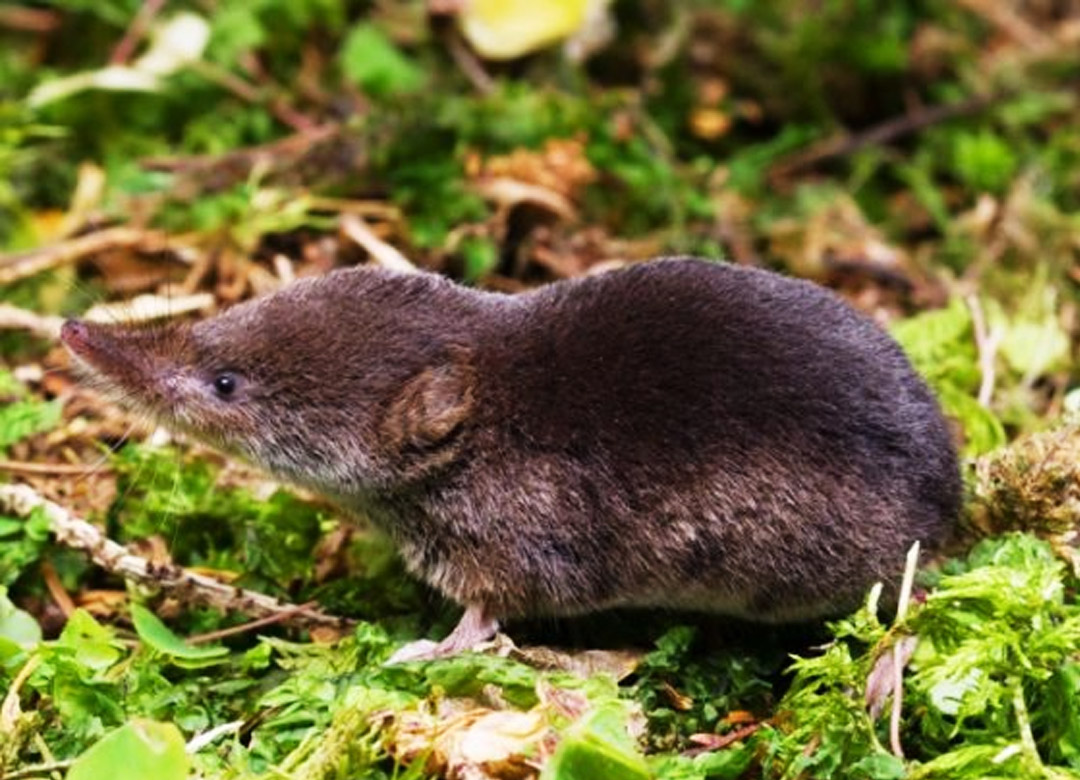
Blind Mole (Talpa caeca)
Insectivores (Eulipotyphla/Insectivore)
The European mole (Talpa europaea) is a subterranean mammal featuring powerful forelimbs adapted for digging and highly reduced vision. It resides in underground tunnel systems, feeding primarily on earthworms and subterranean insects.
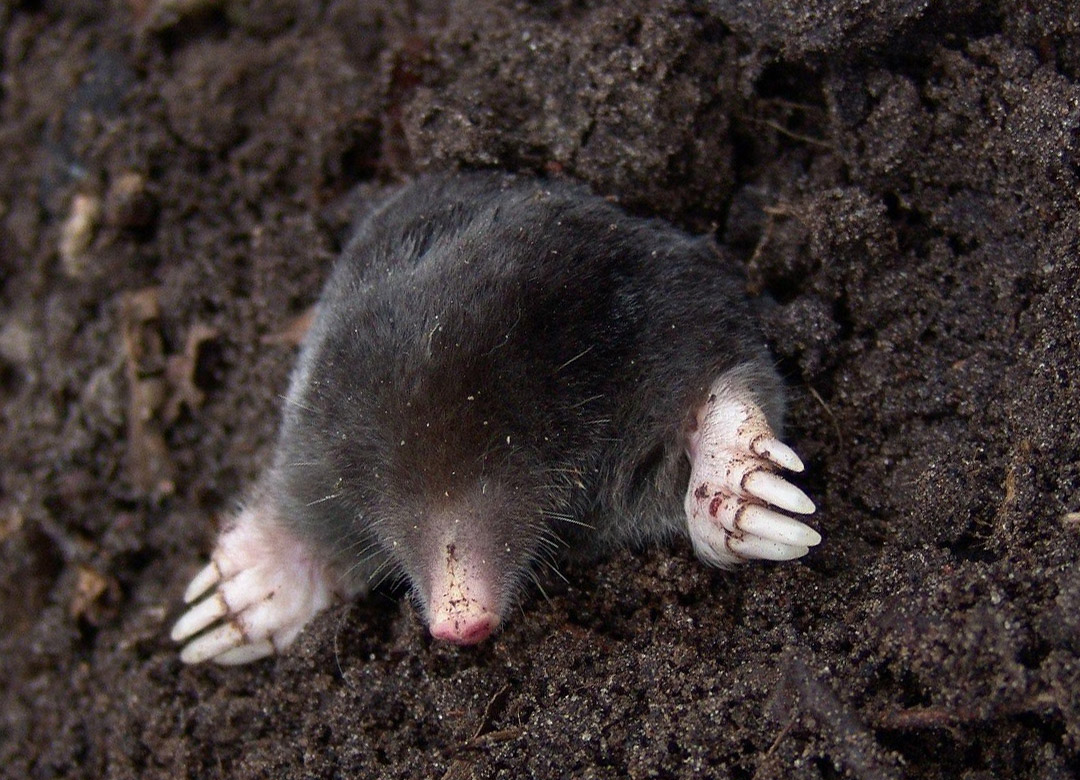
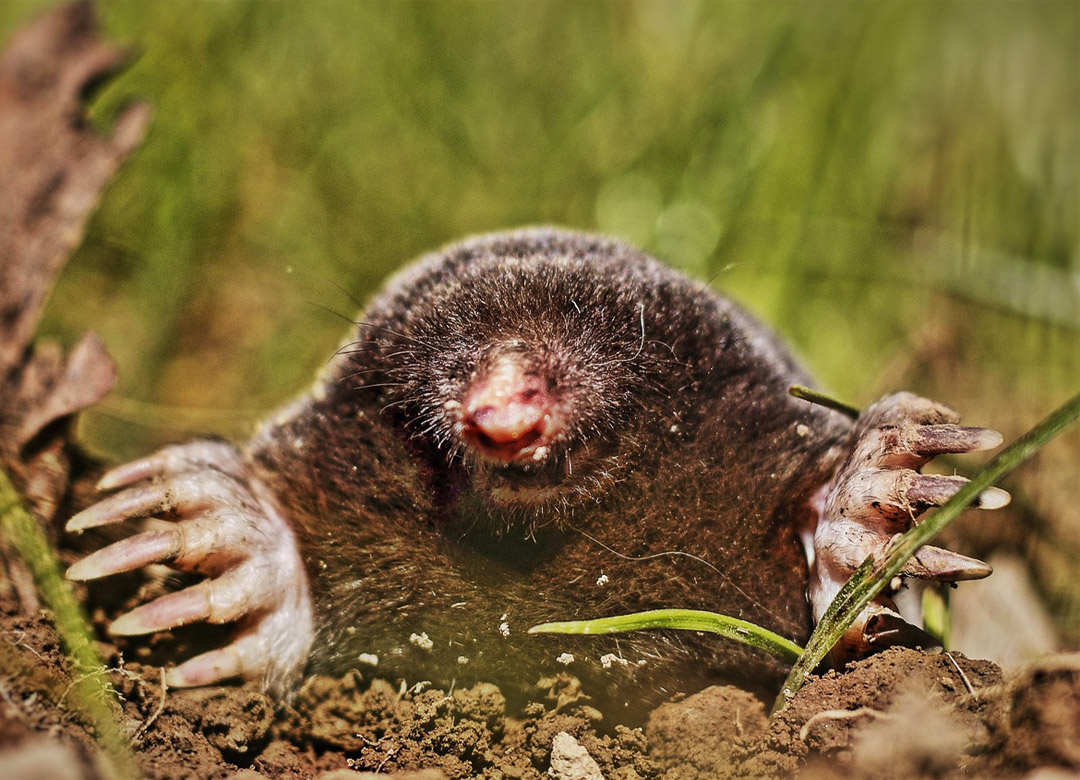
Balkan Mole (Talpa stankovici)
Insectivores (Eulipotyphla/Insectivore)
The Balkan mole (Talpa stankovici) is a species endemic to the Balkans, adapted to life in underground tunnels within forest and grassland habitats. Like other moles, it significantly improves soil structure through its constant burrowing activity.
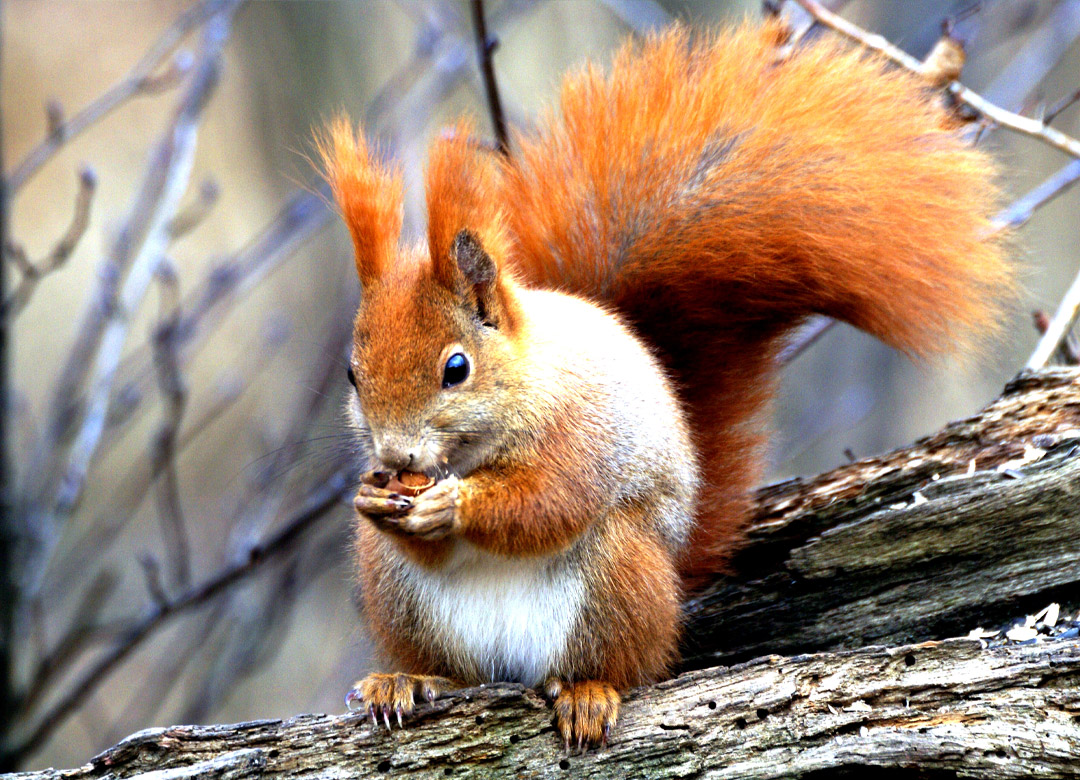
Red squirrel (Sciurus vulgaris)
Rodents (Rodentia)
The red squirrel is an arboreal rodent recognizable by its bushy tail and agility. It feeds on seeds, nuts, and forest fruits, playing an important role in seed dispersal.
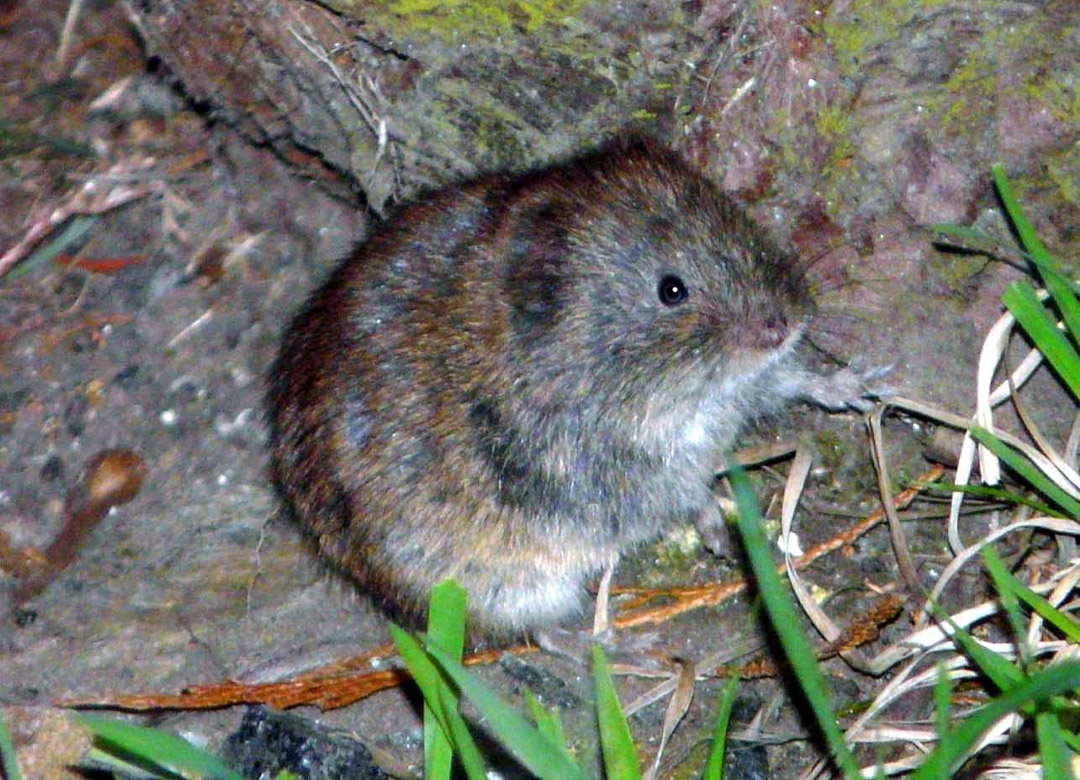
Bank Vole (Myodes glareolus)
Rodents (Rodentia)
The bank vole is a small forest rodent with brown fur that lives in dense vegetation. It feeds on seeds, leaves, and insects, and serves as an important food source for many predators.
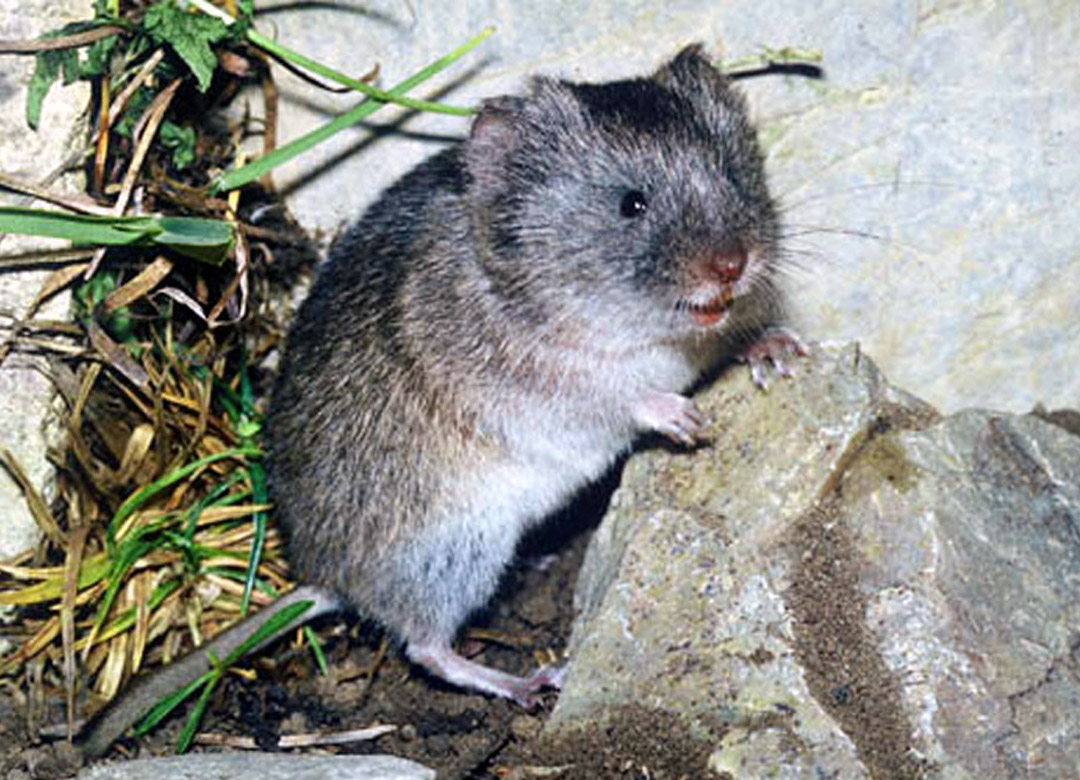
Snow Vole (Chionomys nivalis)
Rodents (Rodentia)
The snow vole inhabits mountain and karst regions with a cold climate. It adapts to harsh conditions and feeds on grasses, seeds, and roots.
Balkan Pine Vole (Microtus felteni)
Rodents (Rodentia)
This endemic Balkan rodent inhabits coniferous forests and alpine pastures. It feeds on grasses and roots, contributing significantly to soil aeration.
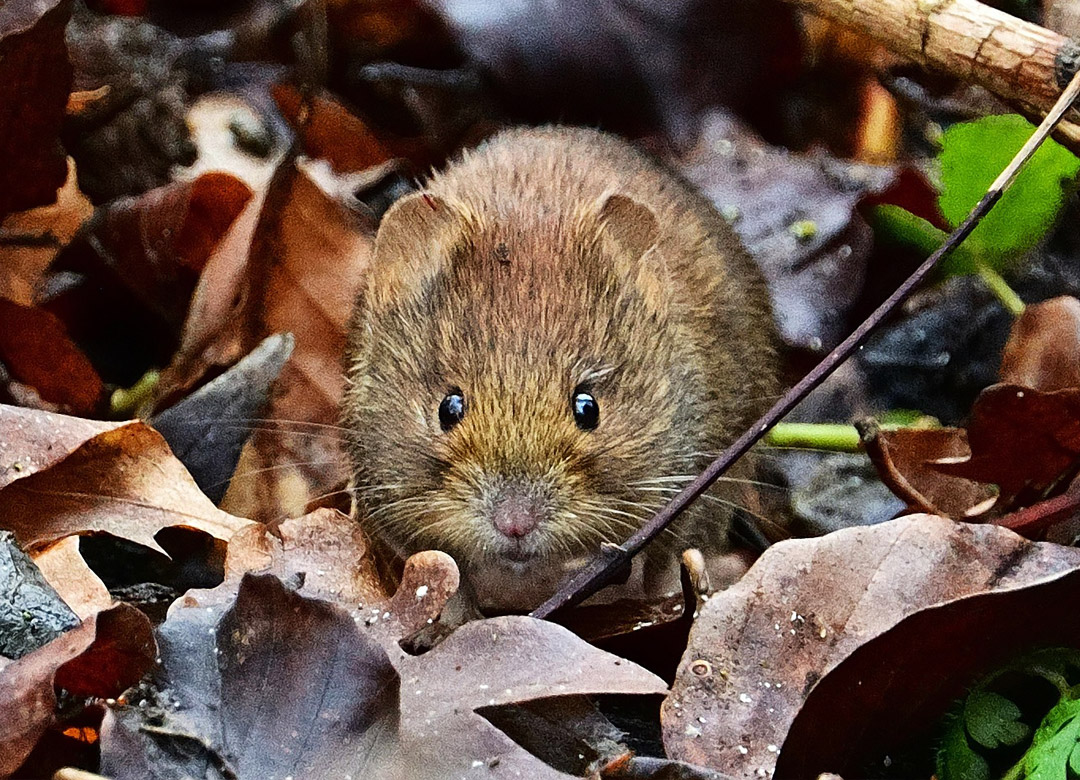
European Pine Vole (Microtus subterraneus)
Rodents (Rodentia)
The European pine vole lives in underground tunnels and is rarely seen on the surface. It finds its food in roots, grasses, and underground plant parts.
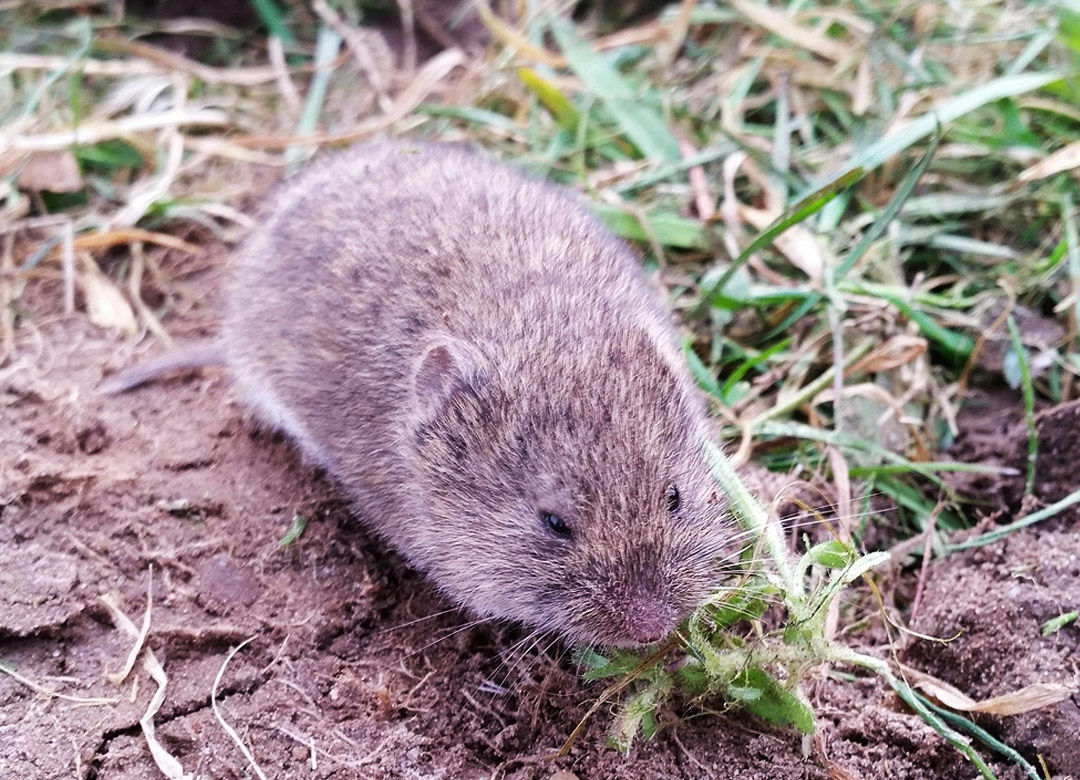
Wood Mouse (Apodemus sylvaticus)
Rodents (Rodentia)
The wood mouse is an active and highly agile rodent that lives in forest areas and meadows. It feeds on seeds, insects, and fruit, and often stores food for the winter period.
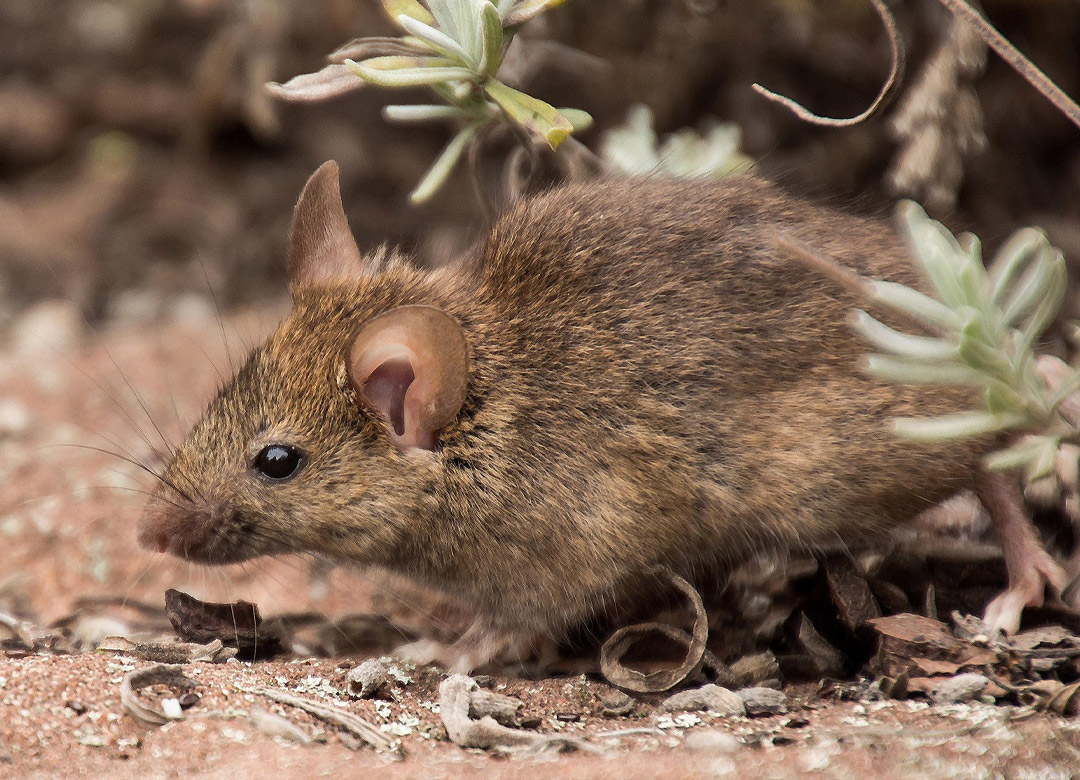
Yellow-Necked Wood Mouse (Apodemus flavicolis)
Rodents (Rodentia)
This mouse is characterized by a yellow band on its neck and prefers beech and mixed forests. It finds its food in seeds, fruits, and small invertebrates.
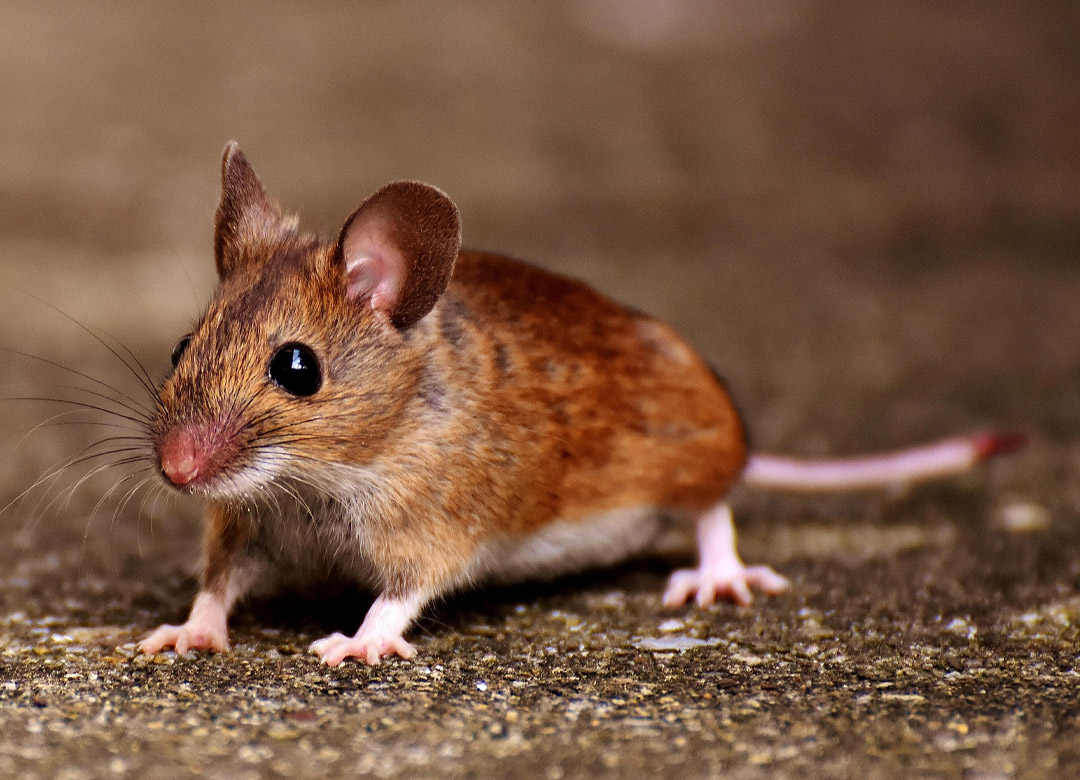
Black Rat (Rattus rattus)
Rodents (Rodentia)
The black rat is an intelligent and adaptive rodent that mostly lives near settlements, as well as in nature. It feeds on a variety of plant and animal food and is known for its climbing skills.
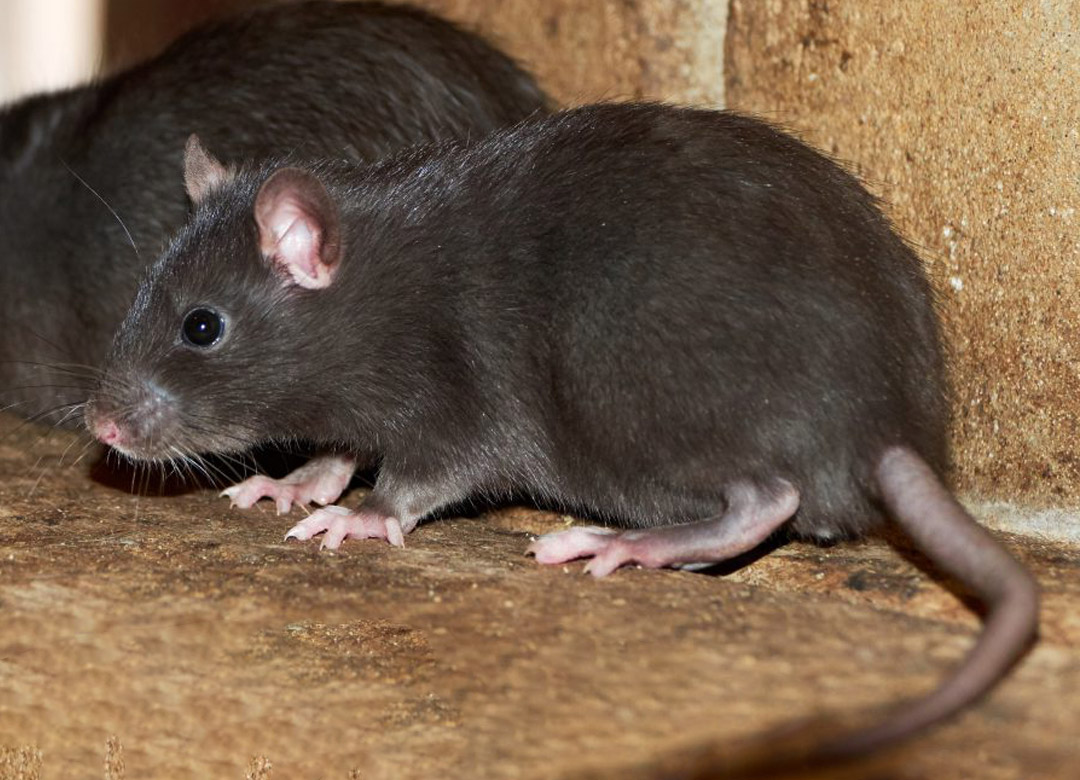
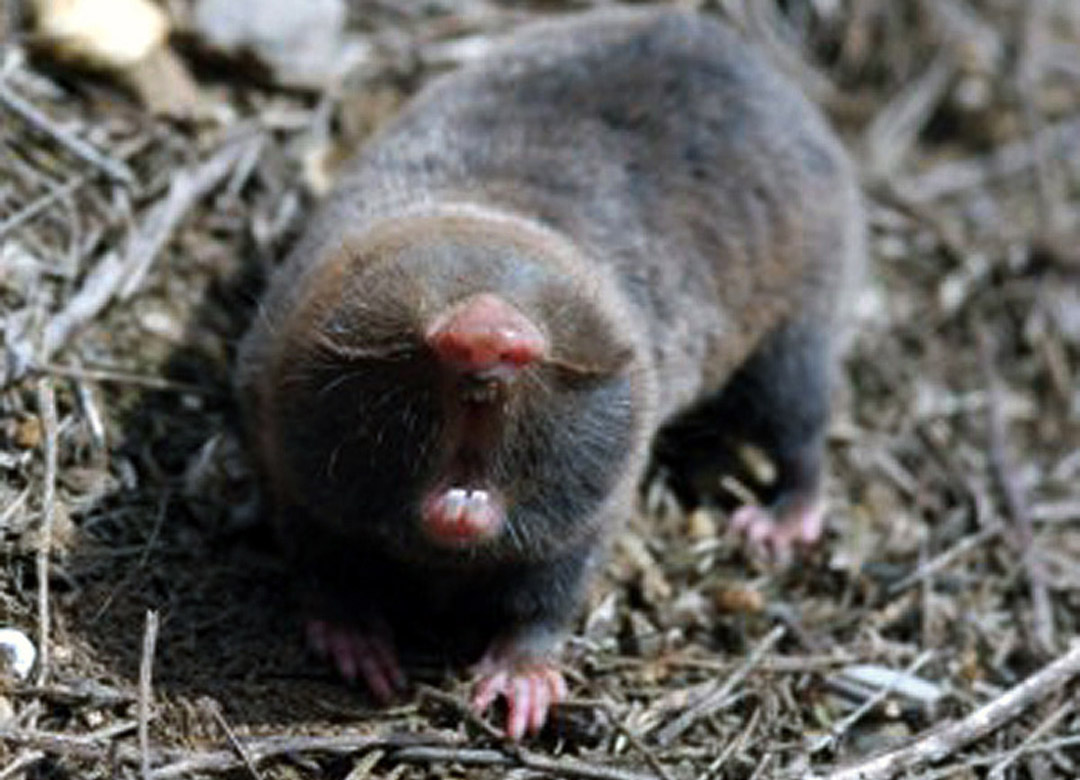
Lesser Mole-Rat (Spalax leucodon)
Rodents (Rodentia)
The lesser mole-rat is a subterranean rodent that lives in tunnels beneath the soil. It feeds on roots and underground plant parts, and rarely appears on the surface.
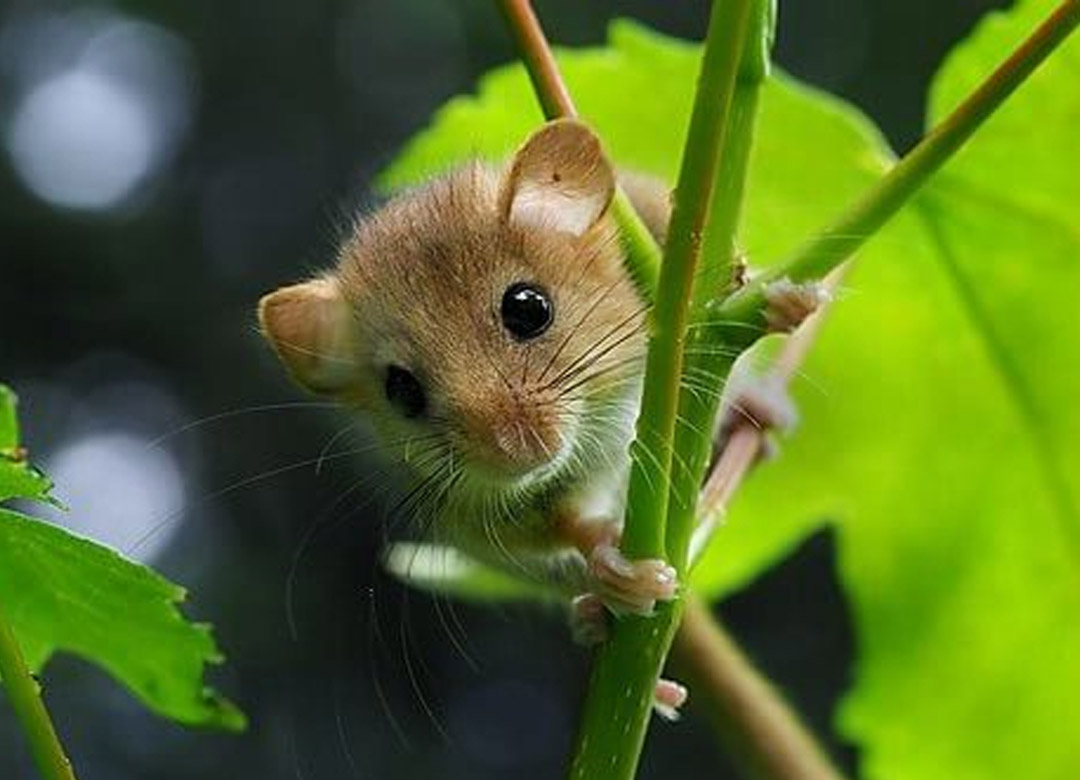
Hazel Dormouse (Muscardinus avellanarius)
Rodents (Rodentia)
The hazel dormouse is a small forest mammal that lives in trees and shrubs and feeds on hazelnuts, fruits, and insects. It is known for long periods of hibernation and a nocturnal lifestyle.
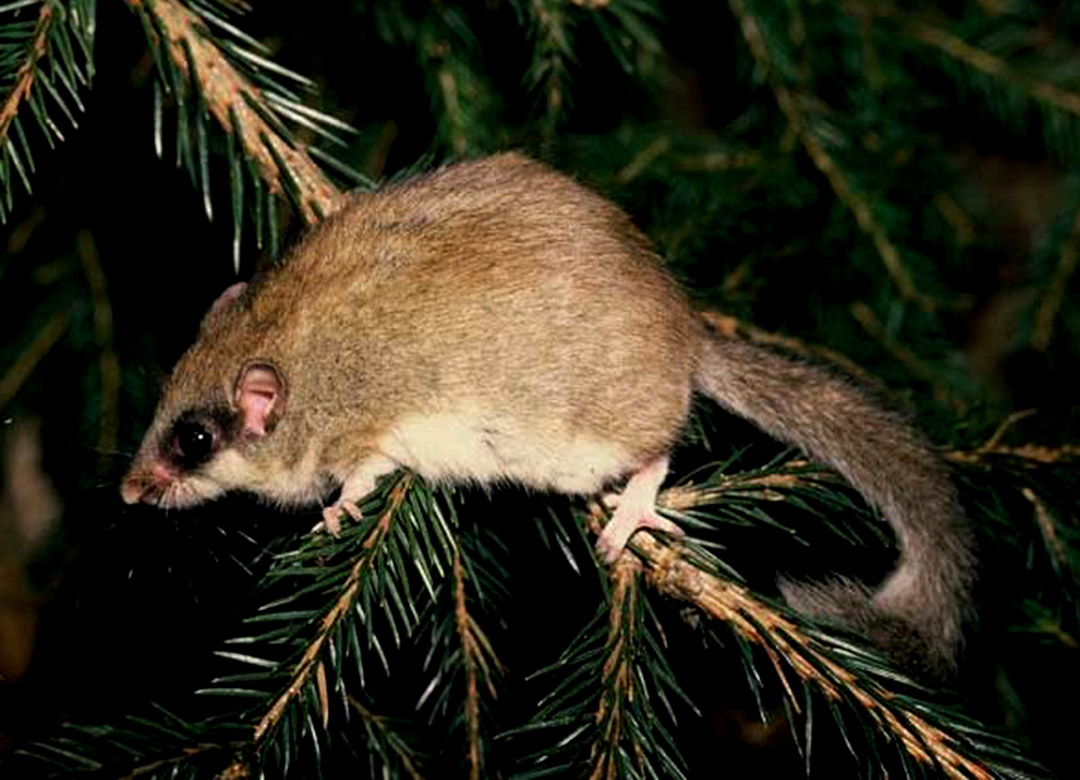
Forest Dormouse (Dryomys nitedula)
Rodents (Rodentia)
The forest dormouse lives in deciduous forests and is an excellent climber. It is active at night and feeds on seeds, fruits, and insects.
Edible Dormouse (Glis glis)
Rodents (Rodentia)
This species of dormouse lives mainly in forest areas and is the largest among European dormice. It is known for its hibernation and ability to store fat reserves before winter.
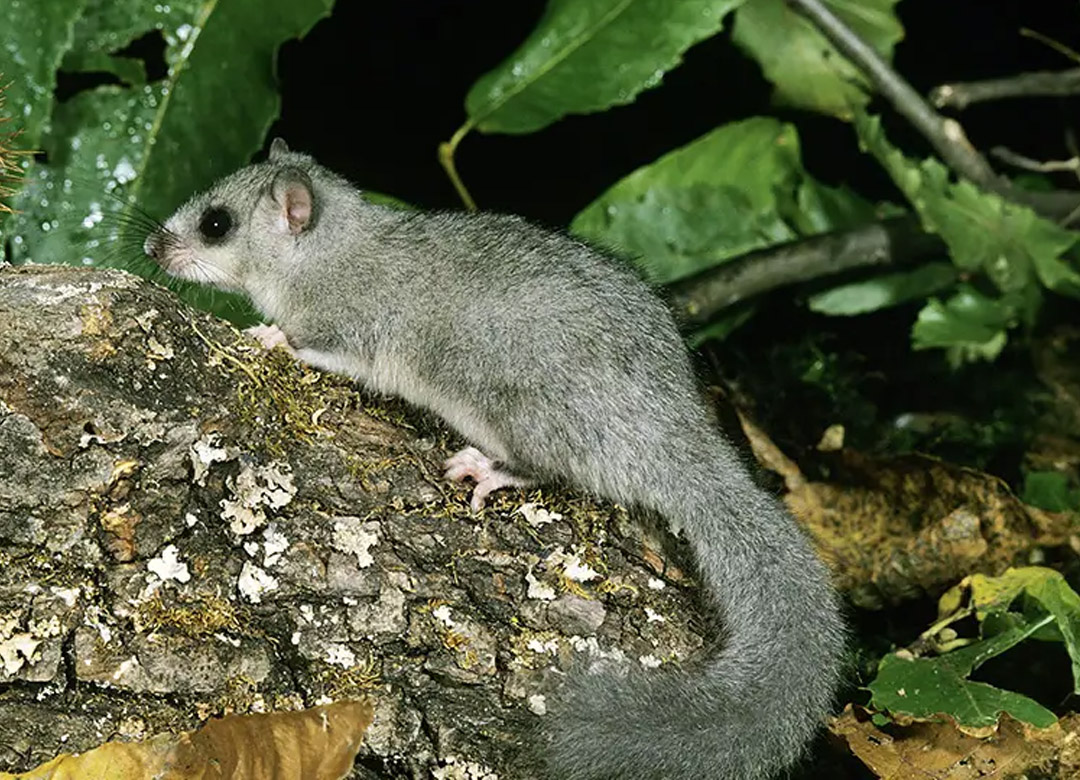
Reptiles and Amphibians
According to the management plan of NP Pelister, the following amphibians are present: Bombina variegata, Bufo bufo, Bufo viridis, Hyla arborea, Rana dalmatina, Rana graeca, Rana ridibunda, Salamandra salamandra, Triturus carnifex, and Triturus vulgaris.
Regarding reptiles, the following species are listed in the Management Plan of NP Pelister: Ablepharus kitaibelii, Anguis fragilis, Coluber caspius, Coronella austriaca, Elaphe longissima, Lacerta agilis, Lacerta trilineata, Lacerta viridis, Natrix natrix, Natrix tessellata, Podarcis erhardii, Podarcis muralis, Podarcis taurica, Testudo hermanni, Vipera ammodytes, and Vipera berus.
European Snake-Eyes Skink (Ablephdrus Kitaibelii)
Reptiles (Reptilia)
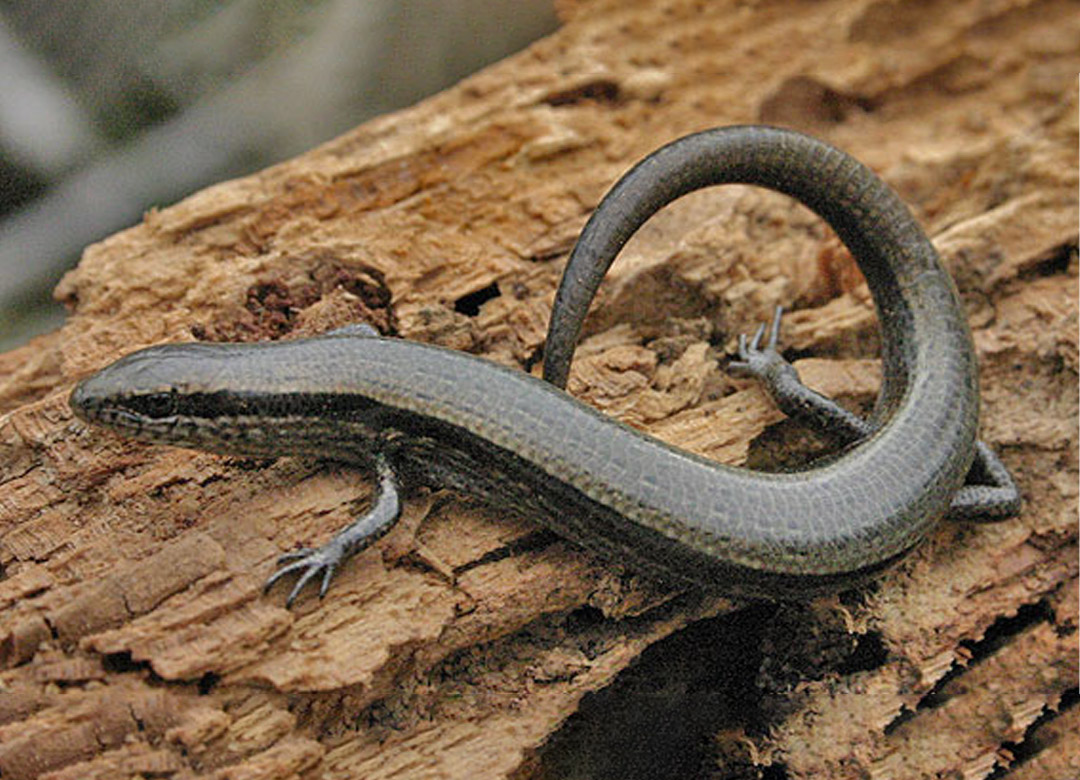
The European snake-eyed skink is a reptile species listed under the Habitats Directive Annex IV (code 1276). It is a small and slender lizard belonging to the family Scincidae, colored in dark copper with an even darker lateral side of the body. This species inhabits dry areas, including slopes, meadows, thickets, and forest clearings (both deciduous and coniferous) and is usually found near places where the ground is covered with fallen leaves, dead wood, stones, bushes, and other vegetation. In National Park Pelister, the European snake-eyed skink was found on dry grassy areas – juniper scrub near the village of Magarevo.
Sand Lizard (Lacerta Agilis)
Reptiles (Reptilia)
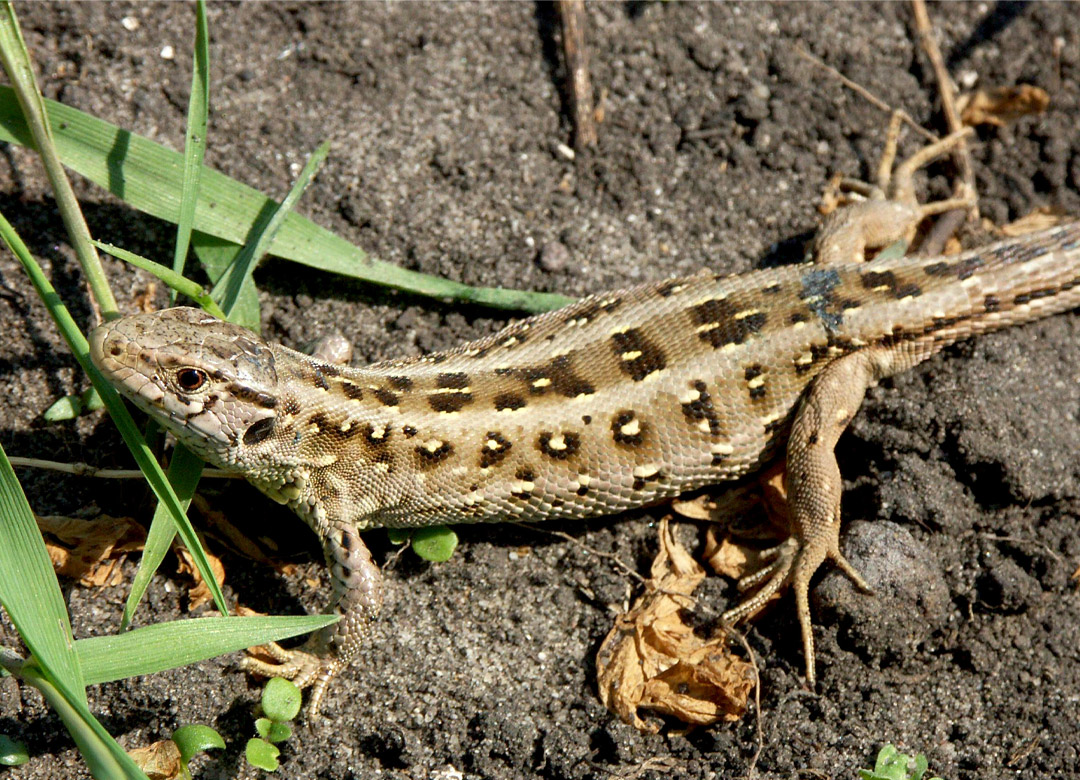
The sand lizard (Lacerta agilis) is a reptile species listed under the Habitats Directive Annex IV (code 1261). It can be found in various types of habitats, including meadows, heathlands, grasslands, subalpine and alpine meadows, thickets, etc. It occurs on sun-exposed grasslands, juniper clearings, rocky habitats, and along roadsides in the lower parts of National Park Pelister.
Three Lined Lizard (Lacerta trilineata)
Reptiles (Reptilia)
The three-lined lizard (Lacerta trilineata) is a reptile species listed under the Habitats Directive Annex IV (code 1251). This species prefers semi-open shrubby landscapes, sun-exposed forest edges, roadsides, and rocky grasslands with a mosaic of higher vegetation and small open patches. It occurs on sun-exposed grasslands, juniper clearings, rocky habitats, and along roadsides in the lower parts of National Park Pelister.
Balkan Green Lizard (Lacerta viridis)
Reptiles (Reptilia)
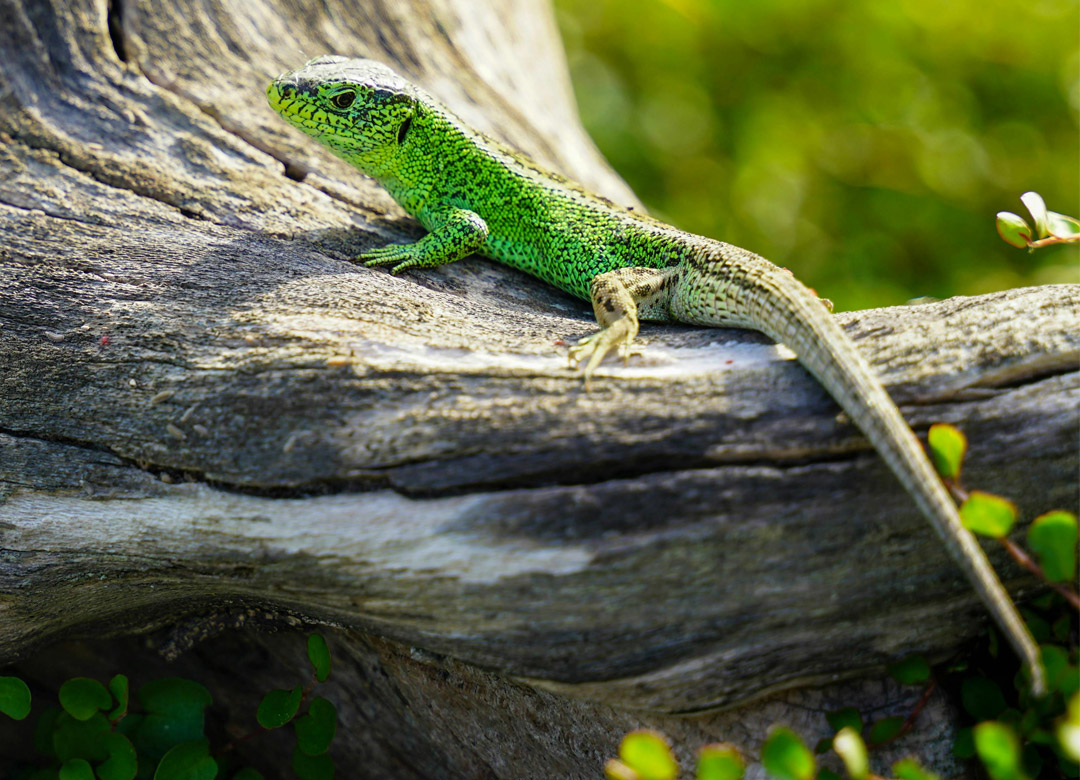
The Balkan green lizard (Lacerta viridis) is a reptile species listed under the Habitats Directive Annex IV (code 1263). The species inhabits semi-open shrubby landscapes, sun-exposed forest edges, roadsides, and rocky grasslands with a mosaic of higher vegetation and small open patches. In National Park Pelister, it is found on sun-exposed grasslands, in juniper clearings, rocky habitats, and along roadsides in the lower parts of the park.
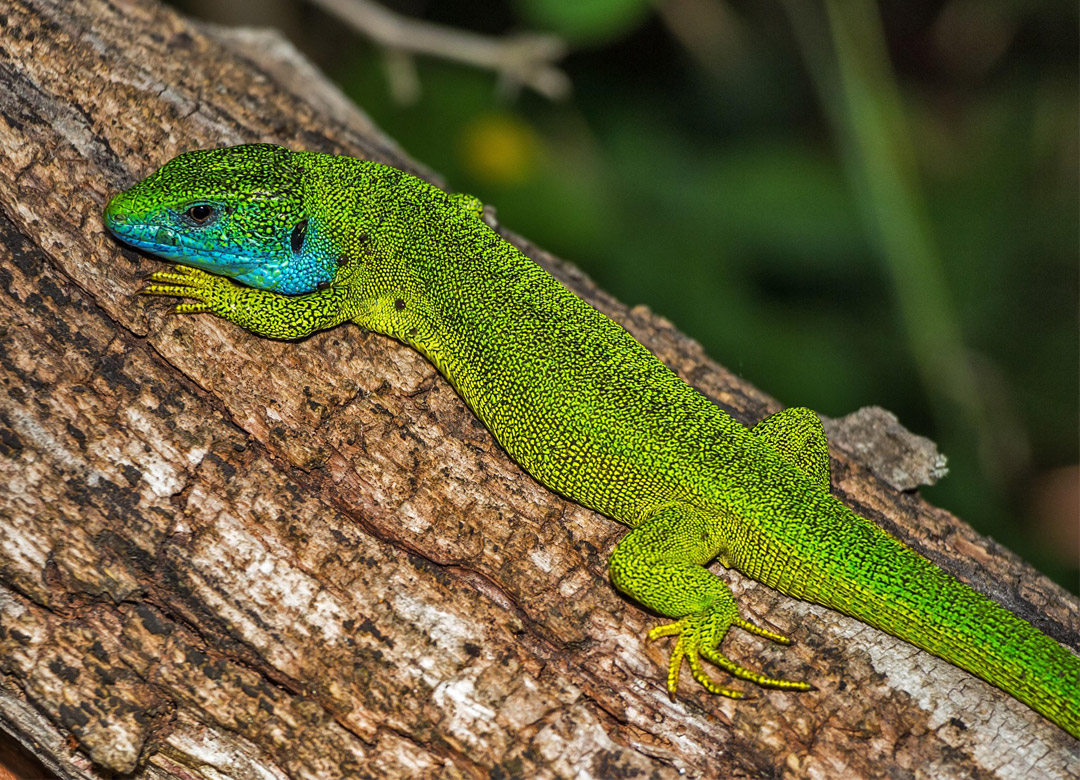
Erhard’s Wall Lizard (Podarcis Erhardii)
Reptiles (Reptilia)
Erhard’s wall lizard (Podarcis erhardii) is a reptile species listed under the Habitats Directive Annex IV (code 1238). The species inhabits sun-exposed rocky meadows, open rocks, and other stony habitats. In National Park Pelister, it has been observed on dry grassy areas.
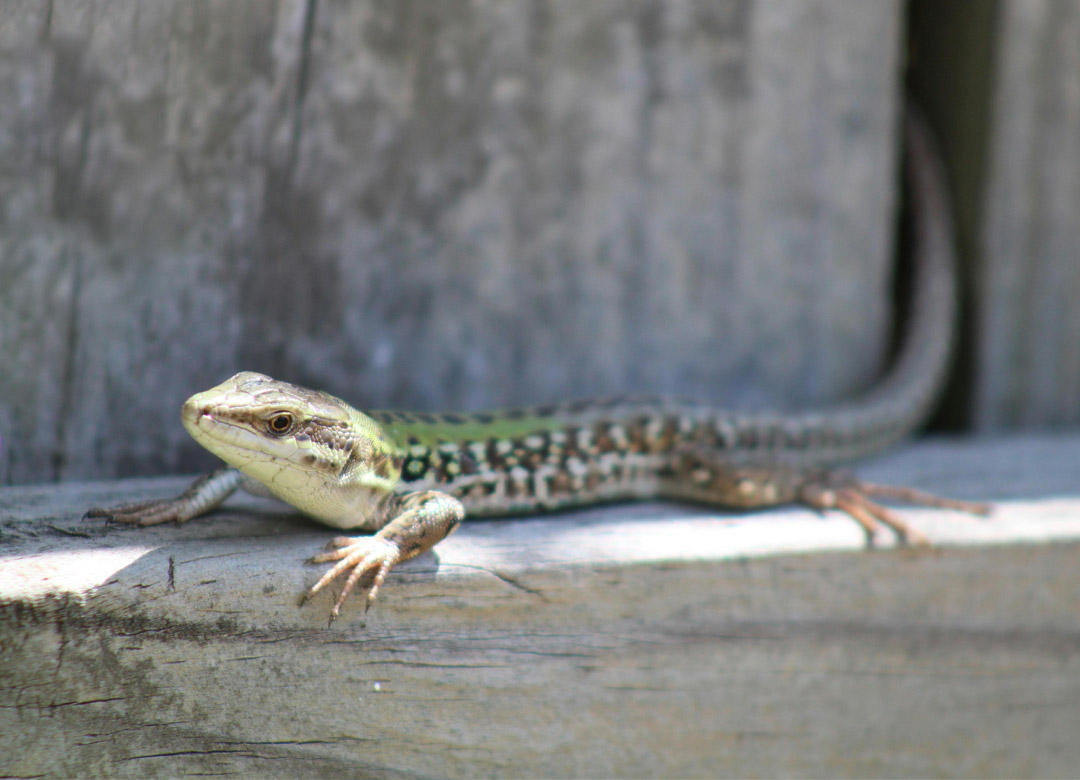
Common Wall Lizard (Podarcis Muralis)
Reptiles (Reptilia)
The common wall lizard (Podarcis muralis) is a reptile species listed under the Habitats Directive Annex IV (code 1256). This species is quite common and inhabits various habitats, including warm forest slopes, forest edges, clearings, roadsides, and various urbanized habitats. In National Park Pelister, the species is mainly found in lower places, pastures, and open forests.
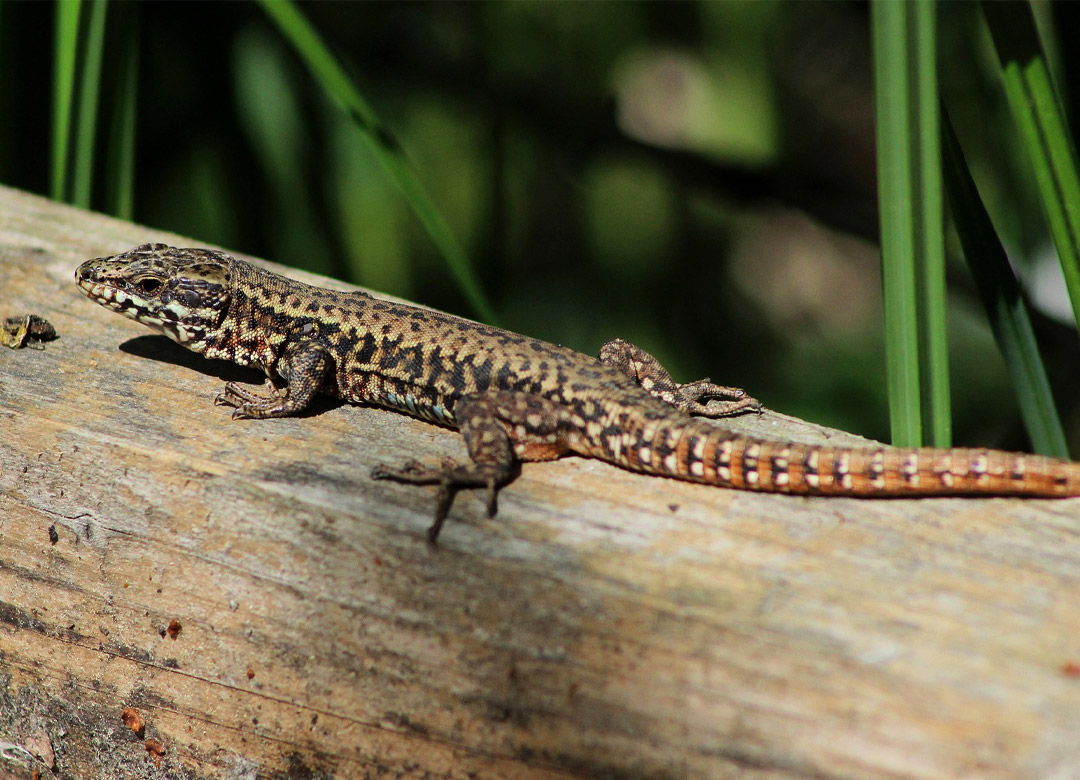
Aesculapian Snake (Elaphe Longissima)
Reptiles (Reptilia)
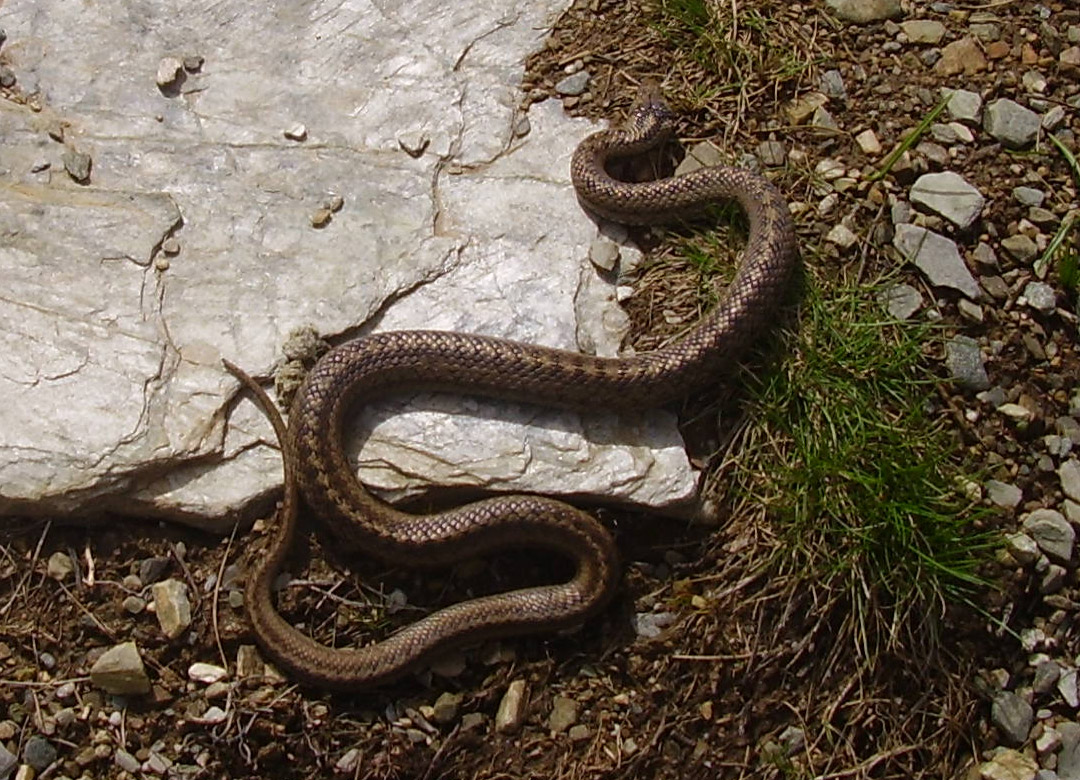
The Aesculapian snake (Elaphe longissima) is a reptile species listed under the Habitats Directive Annex IV (code 1281). It is a non-venomous snake from the Colubridae family. Adult individuals can reach a length of 1-1.5 m, making them one of the longest snakes in Europe. It is typically found in the broad-leaved forest zone and in forested hills with varying humidity along river valleys.
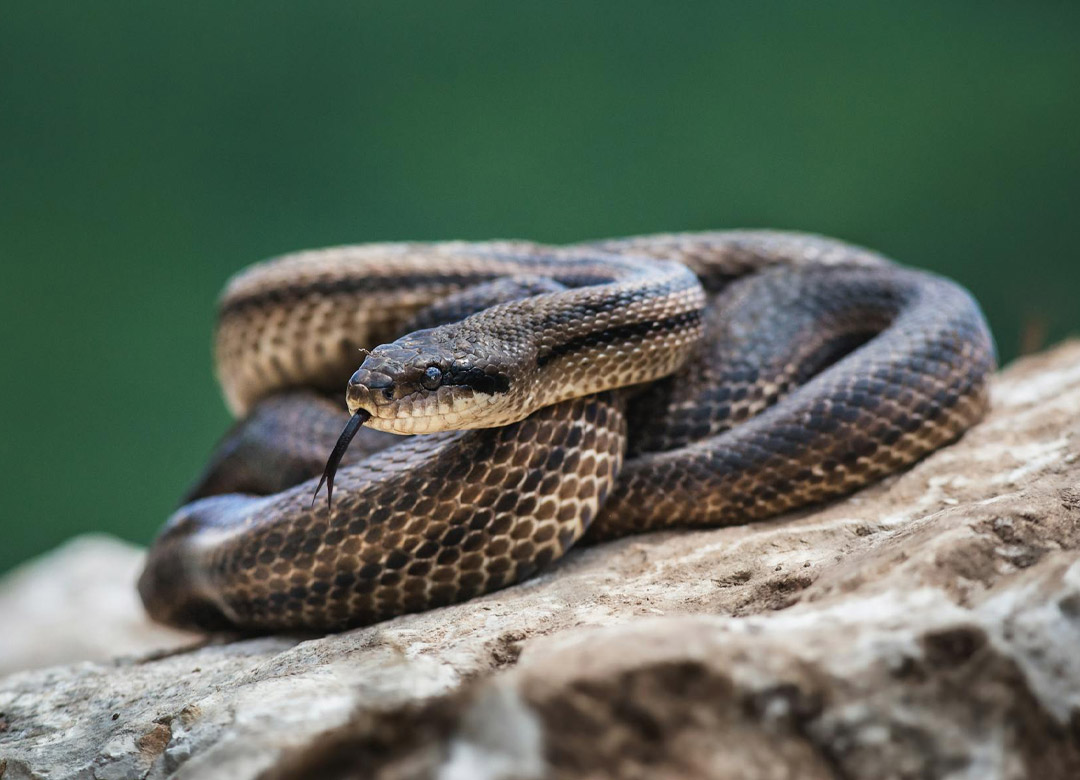
Nose-Horned Viper (Vipera ammodytes)
Reptiles (Reptilia)
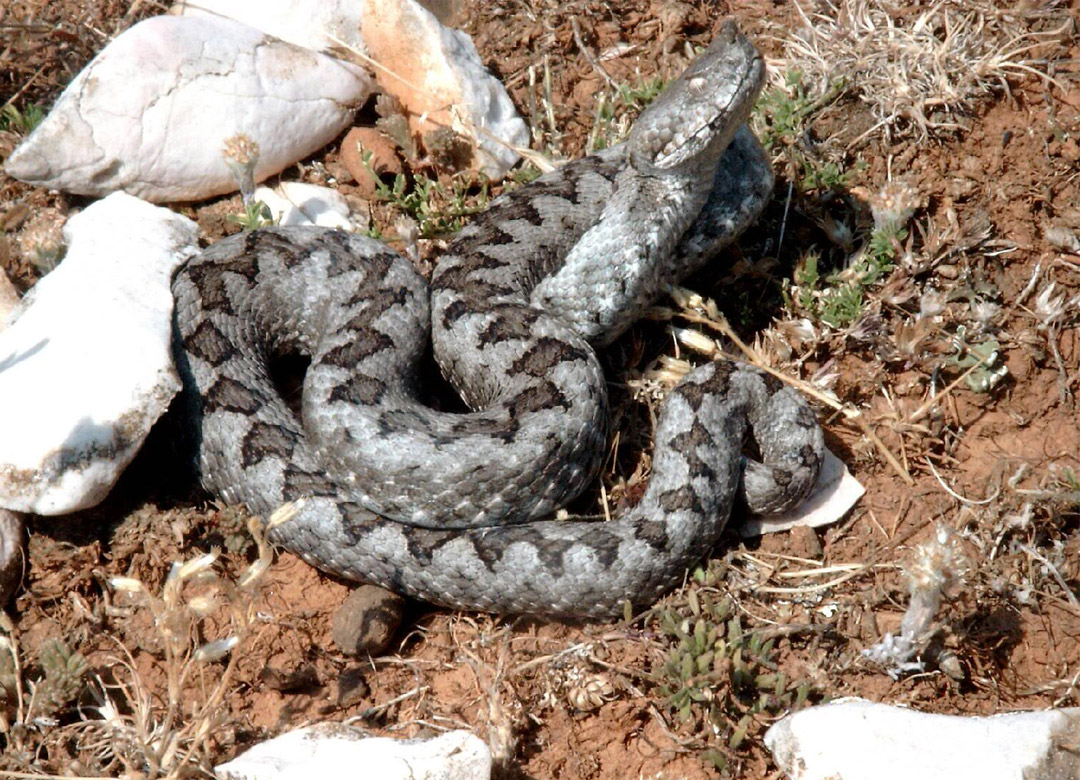
The nose-horned viper (Vipera ammodytes) is a reptile species listed under the Habitats Directive Annex IV (code 1295). It is a rare species of snake in National Park Pelister. It occurs in various habitats, but it prefers sun-exposed rocky slopes and other open and semi-open areas, although it can also be found in forests.
Hermann's Tortoise (Testudo hermanni)
Reptiles (Reptilia)
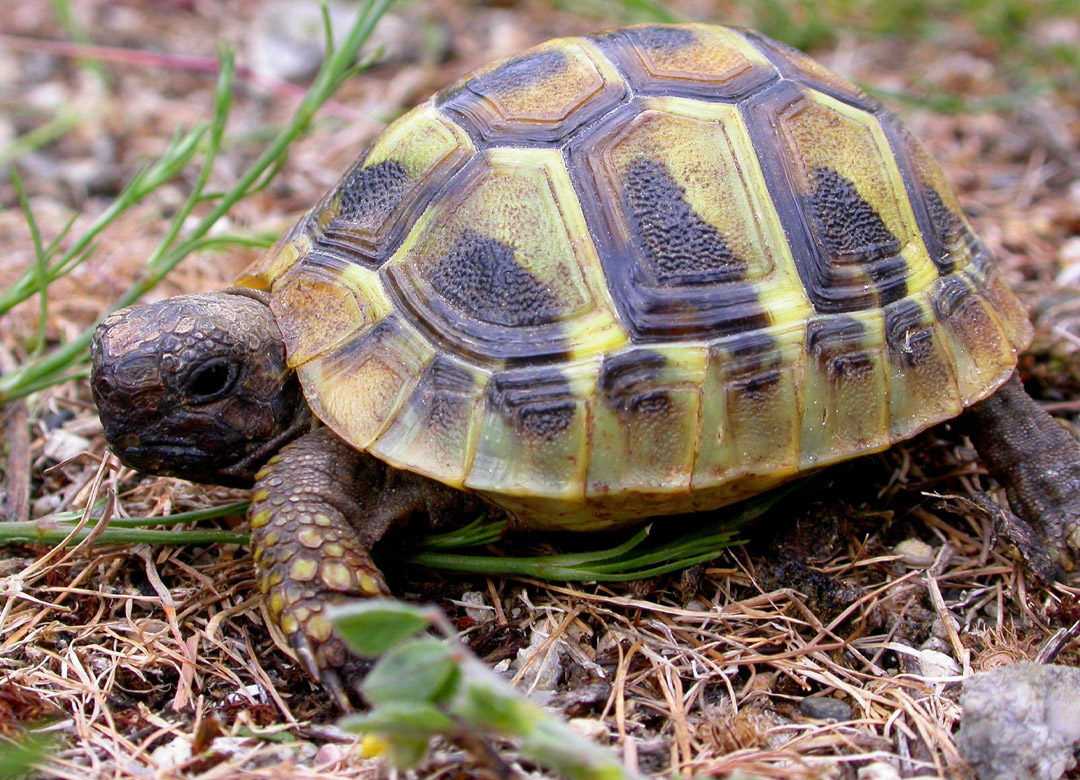
The Hermann’s tortoise (Testudo hermanni) is a reptile species listed under the Habitats Directive Annex II and IV (code 1217). It inhabits a variety of natural habitats, such as meadows, open oak forests, and secondary forests, where the influence of the Mediterranean climate is present. In National Park Pelister, the Hermann’s tortoise has been recorded in the lower parts of the park, in oak forests and semi-natural open habitats near the villages of Magarevo and Capari.
Yellow-Bellied Toad (Bombina variegata)
Amphibians (Amphibia)
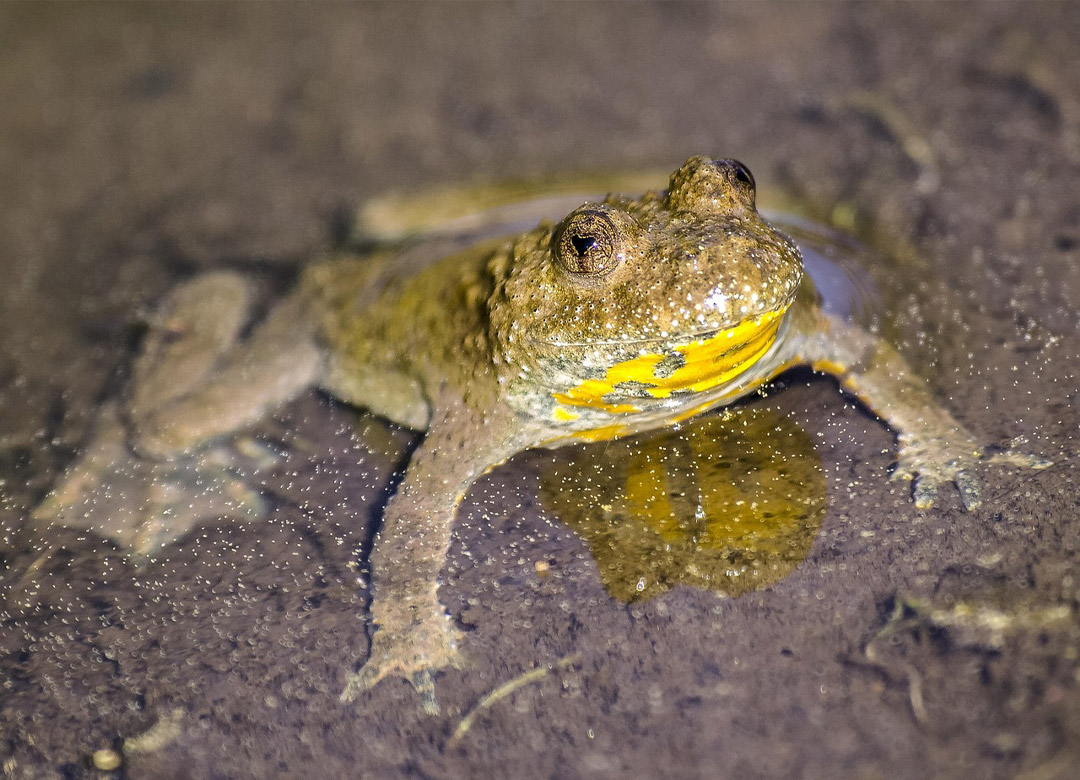
The yellow-bellied toad (Bombina variegata) is an amphibian species listed under the Habitats Directive Annex I and IV (code 1193). It inhabits temporary pools in various environments, ranging from forests, forest tracks, and open lowlands to plateaus, and can also be found near lakes and rivers. The pools inhabited by this toad species generally lack vegetation and contain few, if any, competitive species or predators.
Agile Frog (Rana Dalmatina)
Amphibians (Amphibia)
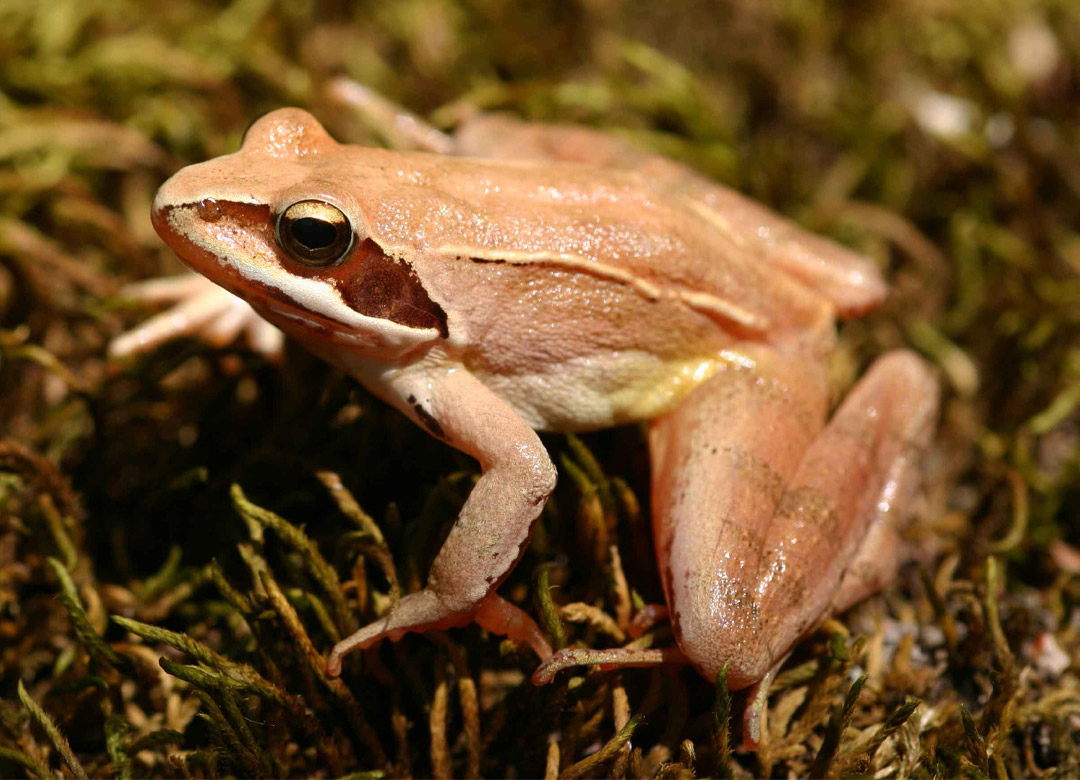
The agile frog (Rana dalmatina) is an amphibian species listed under the Habitats Directive Annex IV (code 1209). The agile frog is common and can be observed in this area. It inhabits various wetland habitats, such as the shores of lakes and pools, marshes, excavations, and areas along rivers and small streams.
Fish
Scientific research confirms the presence of two distinct trout species within the waters of National Park Pelister, although their exact distribution patterns remain a subject of ongoing study. These native species include the Pelister trout (Salmo peristericus Karaman, 1938) and the Pelagonian trout (Salmo pelagonicus Karaman, 1938).
Pelister Trout – Ѕаlmо Peristericus
Fish (Pisces)
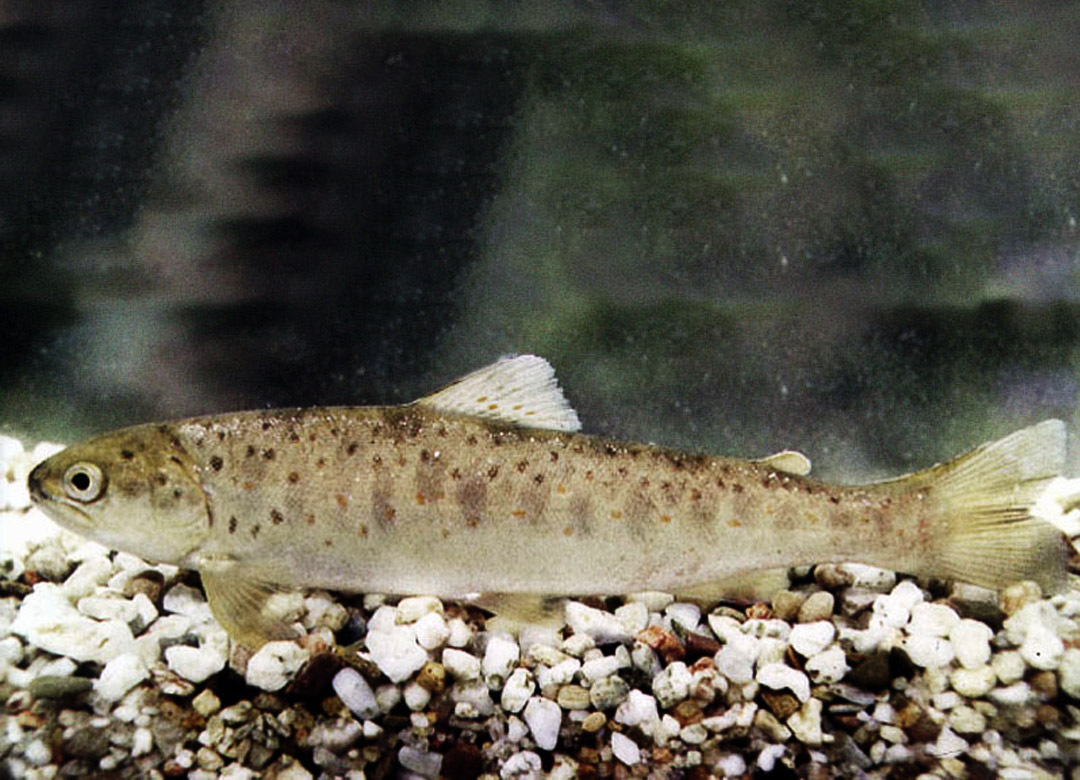
The Pelister trout (Salmo peristericus Karaman, 1938) was first described as the subspecies Salmo trutta peristericus. Historically associated with Lake Prespa and the Brajčinska River, this species is found in higher densities within the Germanos River (Greece) and in lower densities on the Macedonian side, including the Brajčinska River and its tributaries, as well as the Kranska and Leva Rivers.
Scientific monitoring has significantly refined our understanding of its range. In 2010, a stable population was confirmed in the Ržanska River. Subsequent field studies in 2011 detected the species in the Brajčinska River (between the villages of Brajčino and Ljubojno), below the confluence of Stanišar, in the Ržanska River, and in the lower sections of Kriva Kobila. Molecular research conducted in 2015 identified distinct genetic differences between the trout populations inhabiting the Brajčinska and Kranska Rivers.
Pelagonian Trout - Ѕаlmо Pelagonicus
Fish (Pisces)
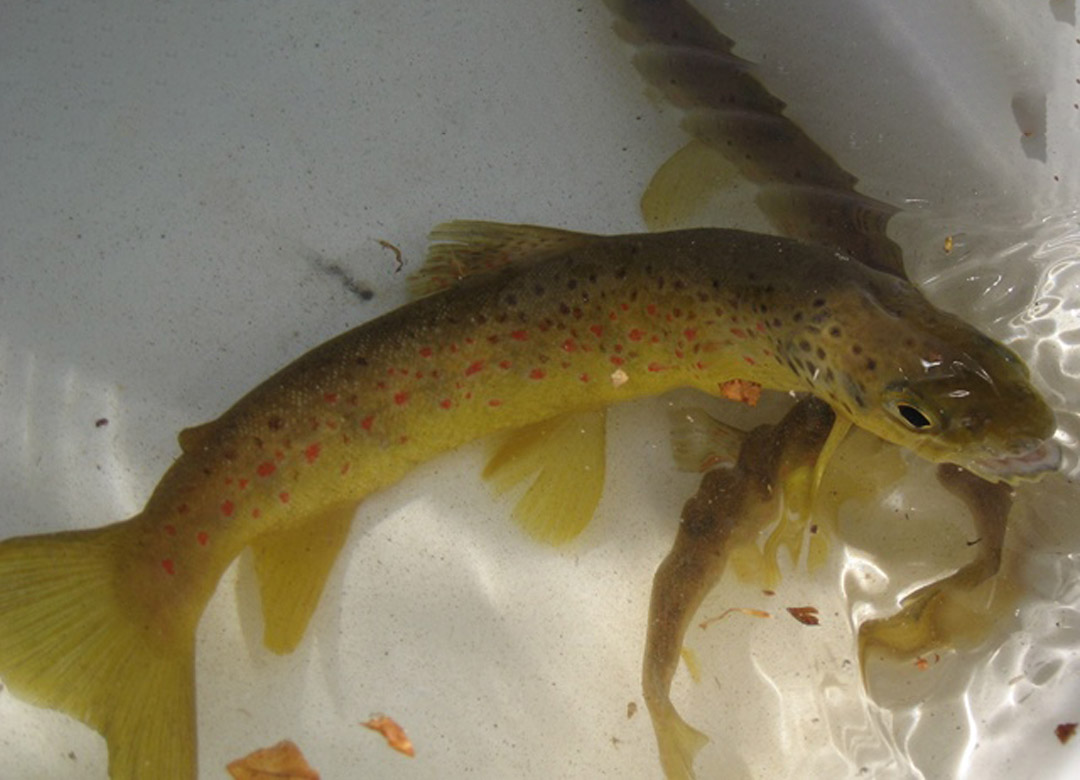
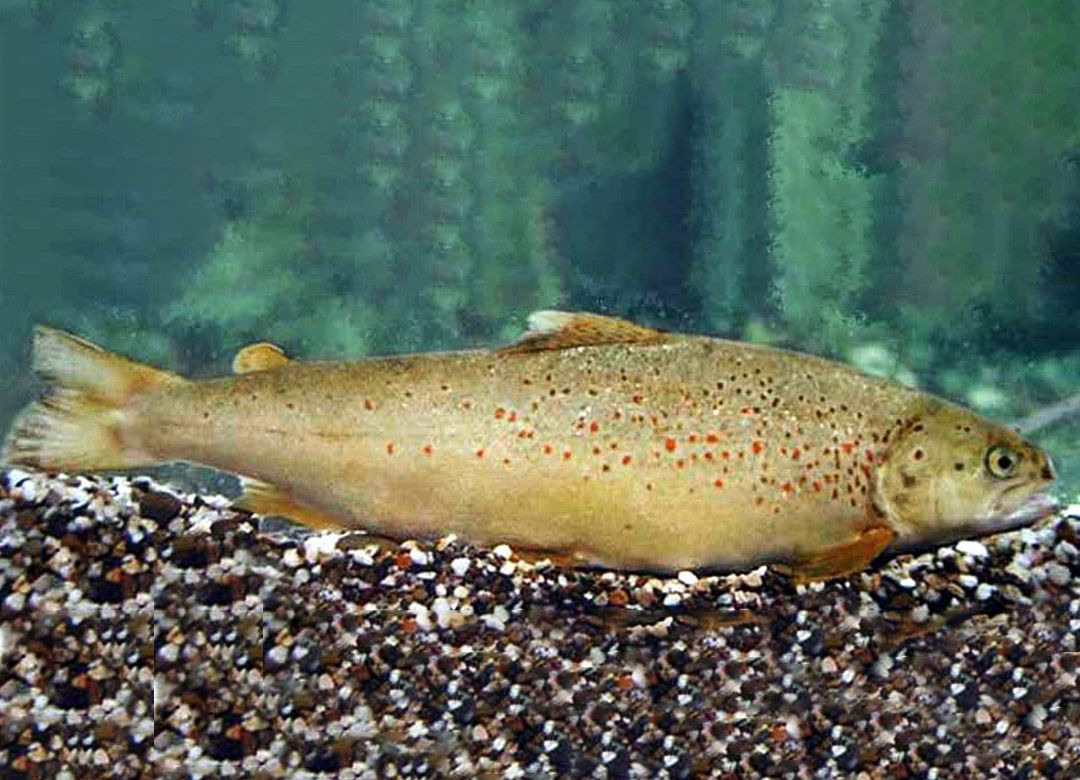
National Park Pelister also encompasses waters gravitating toward the Crna River, as part of the Vardar River basin. Given that the Macedonian trout (Salmo macedonicus Karaman, 1924) lives in the waters of the Vardar River basin, the taxonomic status of the Pelagonian trout (Salmo pelagonicus Karaman, 1938) was resolved after a long period of time.
Unfortunately, modern data on the distribution and population status of the Pelagonian trout in the waters of Pelister that gravitate toward the Crna River and are part of National Park Pelister do not exist. Ichthyological research is needed on several watercourses of the Crna River basin, especially the Šemnica River.
In order to monitor the distribution of the Pelagonian trout in 2019, electrofishing was carried out on the Magareška River, Rotinska River, Čaparska River, Sapunčica, and Crvena River. Water supply intakes have been built on all of the aforementioned rivers. The presence of these intakes is the main reason for the reduced water flow in the riverbeds. This may also be one of the reasons for the absence of trout in the Magareška River and Rotinska River.
Fish sampling was also conducted on the Sapunčica River. On this river, in the section that falls within the boundaries of National Park Pelister, an intake has been built for the “Sapunčica” small hydropower plant, which is located within the park’s boundaries. On the Sapunčica River, immediately above the intake, the presence of trout was detected. Trout was not recorded in the Stara Buka River. The presence of trout was also detected on the Crvena River, immediately above the water supply intake.
The presence of trout was not recorded in the Čaparska River. According to the local population, trout is often detected, but only in the upper parts of the river (above the drinking water intakes) and in much smaller numbers than in the past.
The possibility of the Pelagonian trout’s presence in the Ezerska River is not excluded. Ichthyological research is needed to determine whether the trout also inhabits the waters of Zli Dol, Manastirska River, Mala Korija, and Ezerska River.
INVERTEBRATES
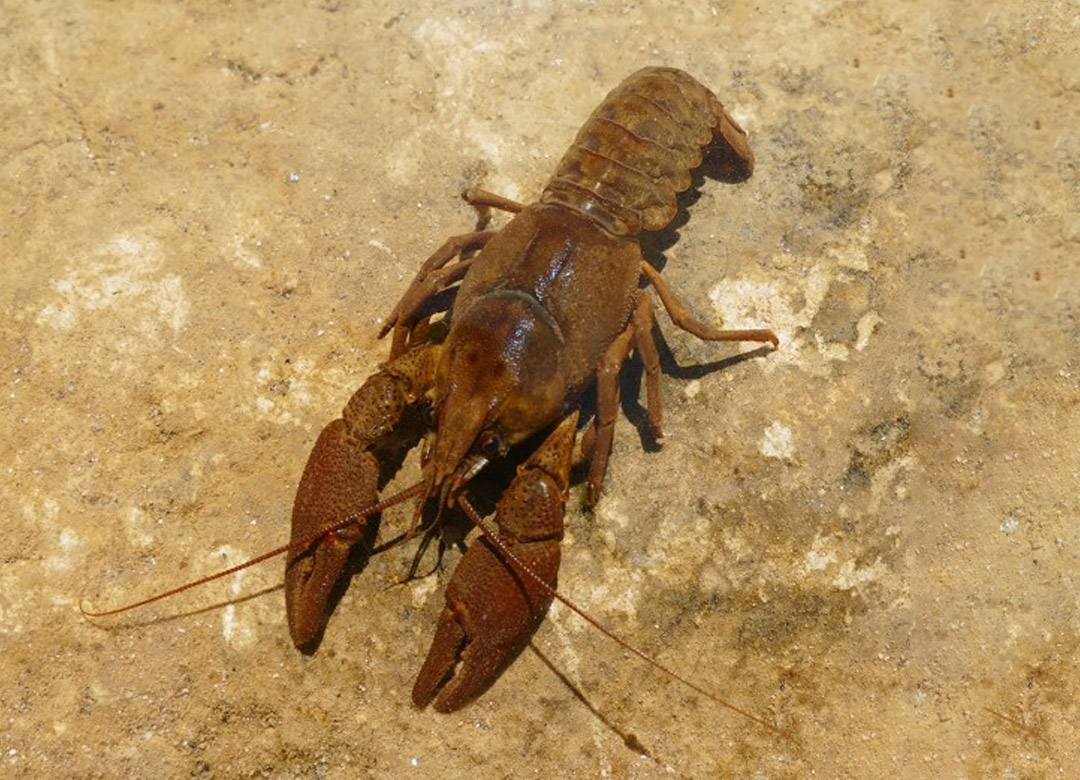
Stone Crayfish (Austropotamobius torrentium)
Crustaceans (Crustacea)
The stone crayfish (Austropotamobius torrentium) is a species of crayfish from the Habitats Directive Annex II and IV (code 1093). Its preferred habitat is clean flowing waters (springs, streams), but it can also be found in rivers or lakes in the mountainous part. It usually prefers galleries that it digs in the ground, and very often lives hidden in underwater roots, stones or rocks. In Pelister National Park, this species is found in the Brajcinska Reka and Stanishar rivers (at an altitude of 1050-1200 m).
Beetle Fauna (Coleoptera)
The beetle fauna (Coleoptera) of Pelister includes about 14 references referring to 16 localities on Pelister and its surroundings, encompassing a total of 130 taxa from 22 families. This number does not include species from the family Carabidae (which comprises a total of 105 species), as the latter is treated in more detail below.
Diversity of ground beetles (Carabidae, Coleoptera) – 105 taxa.
More serious research on ground beetles (Carabidae) on Pelister began in 1908, and in 1909 the first species from Pelister was described: Penetretus sterbai Rambousek, a species known only from Mount Pelister. During the First World War, the species Tapinopterus monastirensis, Trechus hajeki, Duvalius macedonicus, and Duvalius peristericus were recorded, followed by the species Trechus goebli…
In the last twenty years, individual data for Pelister have been published. During this period, another interesting species from the Shemnica River valley was described – Winklerites moraveci. Comprehensive information on the distribution of ground beetles in the scientific literature has been published in the last five years (Hristovski and Gueorguiev 2015; Hristovski et al. 2016).
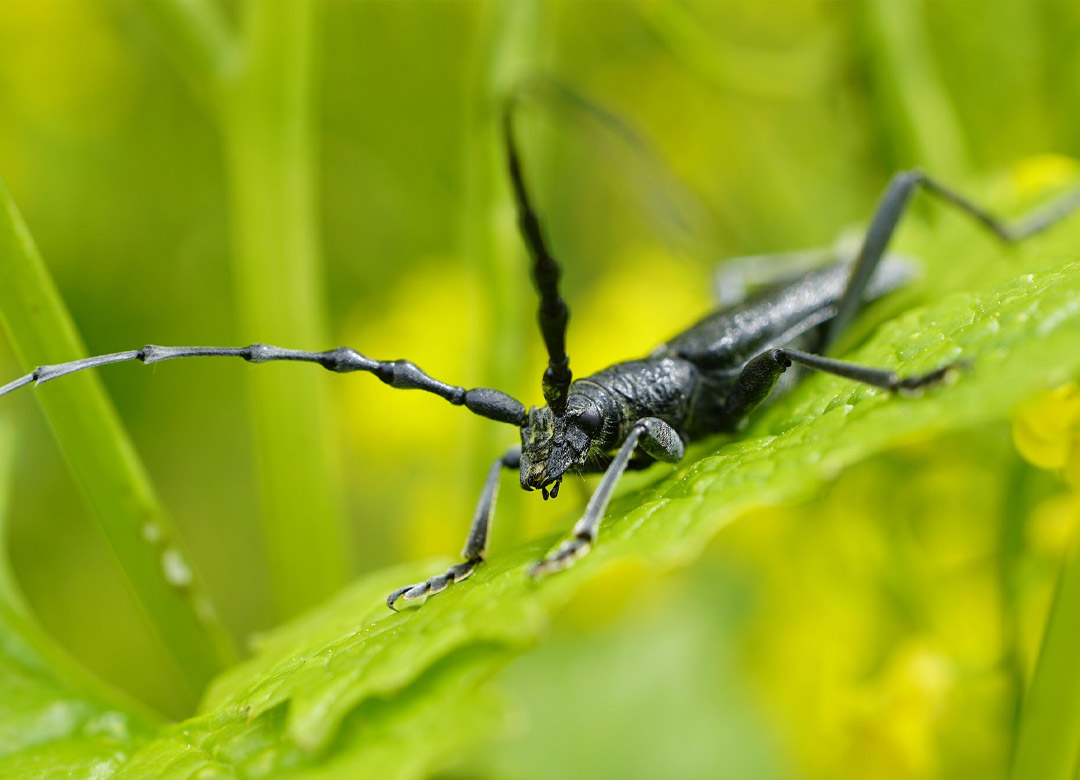
Great Capricorn Beetle – Cerambyx longicorn (Cerambyx cerdo)
Beetles (Coleoptera)
The great capricorn beetle – Cerambyx longicorn (Cerambyx cerdo) is a beetle species from the Habitats Directive Annex II and IV (code 1088). The great capricorn beetle is one of the largest European beetle species. The species lives in broadleaved deciduous forests, parks, and other semi-open habitats with large dead oak (Quercus) trees. In Pelister National Park, the species has been observed on an old oak tree above the village of Capari.
Cucujus cinnaberinus
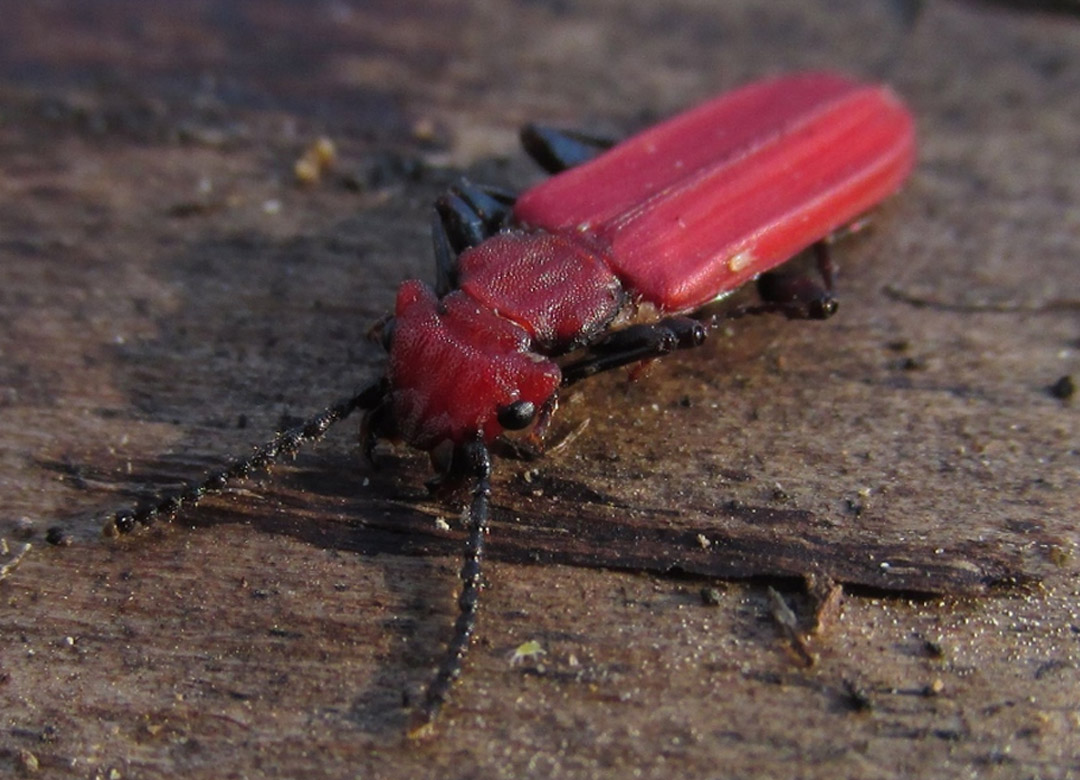
Beetles (Coleoptera)
Cucujus cinnaberinus is a beetle species listed under the Habitats Directive Annex II and IV (code 1086). It belongs to the Cucujidae family, known as flat bark beetles. This species lives under the bark of dead trees. In National Park Pelister, it has been found under the bark of dead Macedonian pine (Pinus peuce) trees.
Stag Beetle (Lucanus cervus)
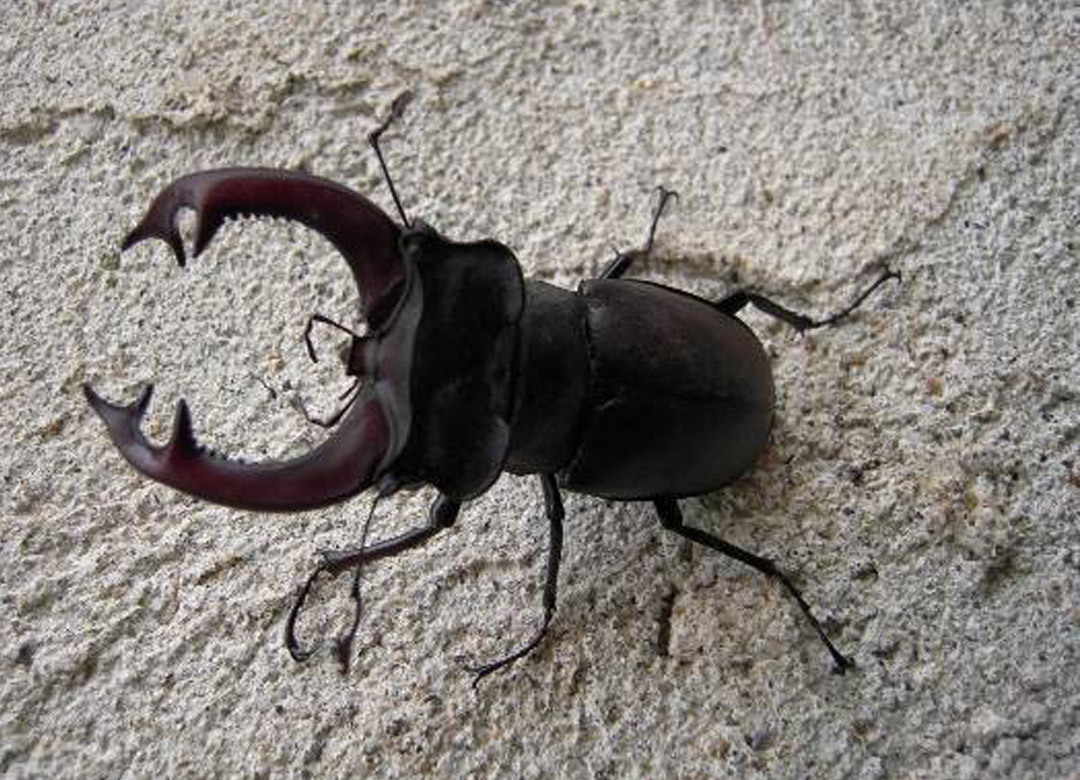
Beetles (Coleoptera)
The stag beetle (Lucanus cervus) is a beetle species listed under the Habitats Directive Annex II (code 1083). Stag beetles typically inhabit forest environments with large oak trees. In National Park Pelister, the stag beetle has been observed in oak forests above the villages of Capari, Magarevo, and Brajcino.
Morimus Funereus
Beetles (Coleoptera)
The Morimus funereus is a beetle species listed under the Habitats Directive Annex II (code 1089). This species prefers old deciduous trees with thick bark. In National Park Pelister, it has been observed in old poplars and oaks at three separate locations above Capari, and in old oak and beech forests at several locations above Brajcino.
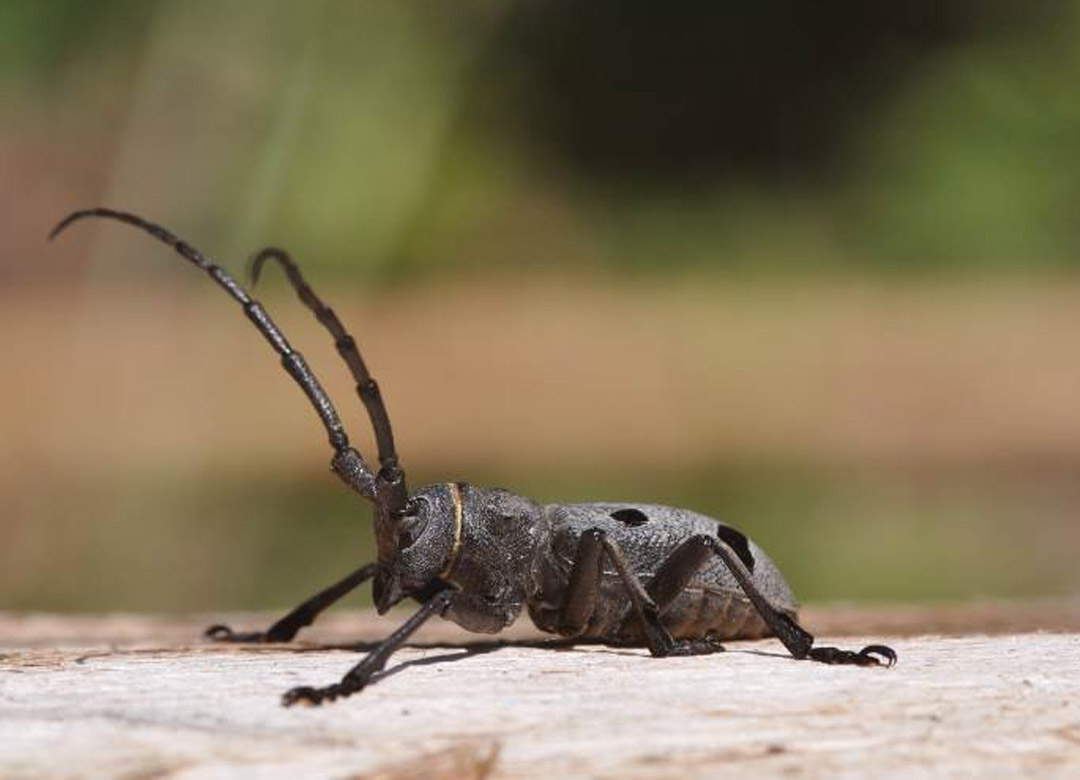
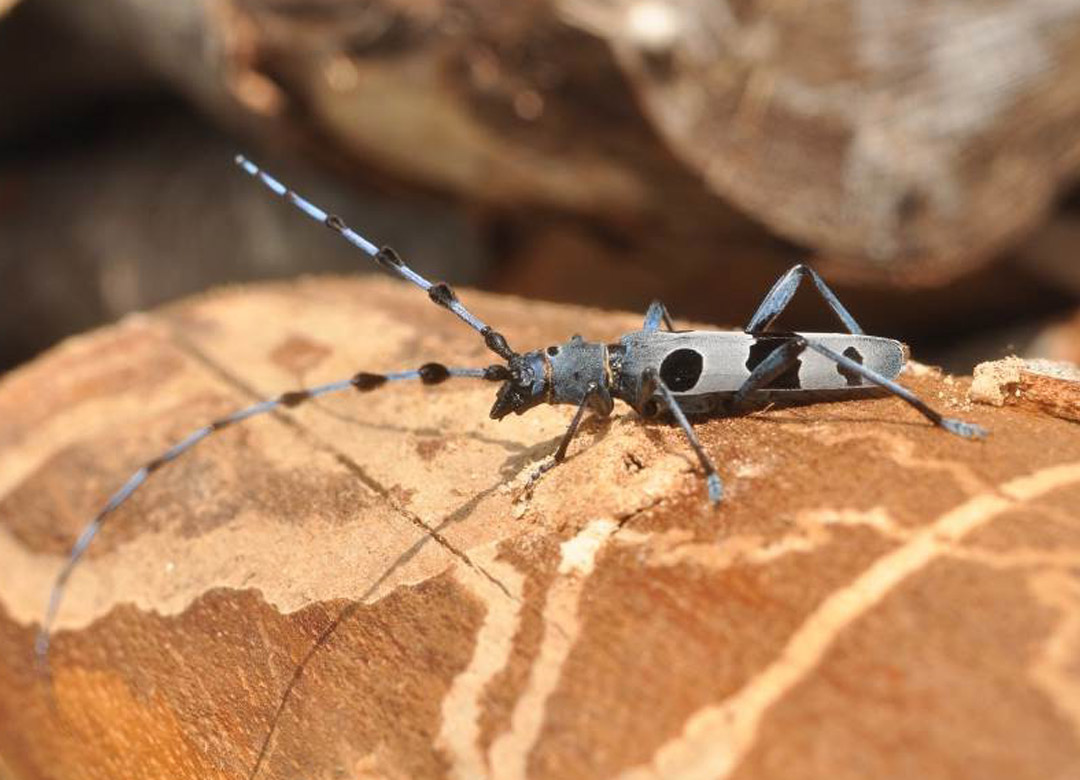
Alpine Longhorn Beetle – Rosalia longicorn (Rosalia alpina)
Beetles (Coleoptera)
The alpine longhorn beetle (Rosalia alpina) is a priority beetle species listed under the Habitats Directive Annex II and IV (code 1087). The alpine longhorn beetle inhabits beech forests with old-growth characteristics: large, old, rotting or dead trees in habitats that are more or less exposed to the sun. In National Park Pelister, it has been observed on the territory of the village of Brajcino.
Terrestrial Invertebrate Fauna
The terrestrial invertebrate fauna of National Park Pelister represents a significant component of its natural heritage. A total of 288 taxa, belonging to 10 different invertebrate groups, have been recorded within the park’s territory. These organisms play a key role in Pelister’s ecosystems, participating in vital processes such as decomposition, pollination, and the regulation of other species’ populations.
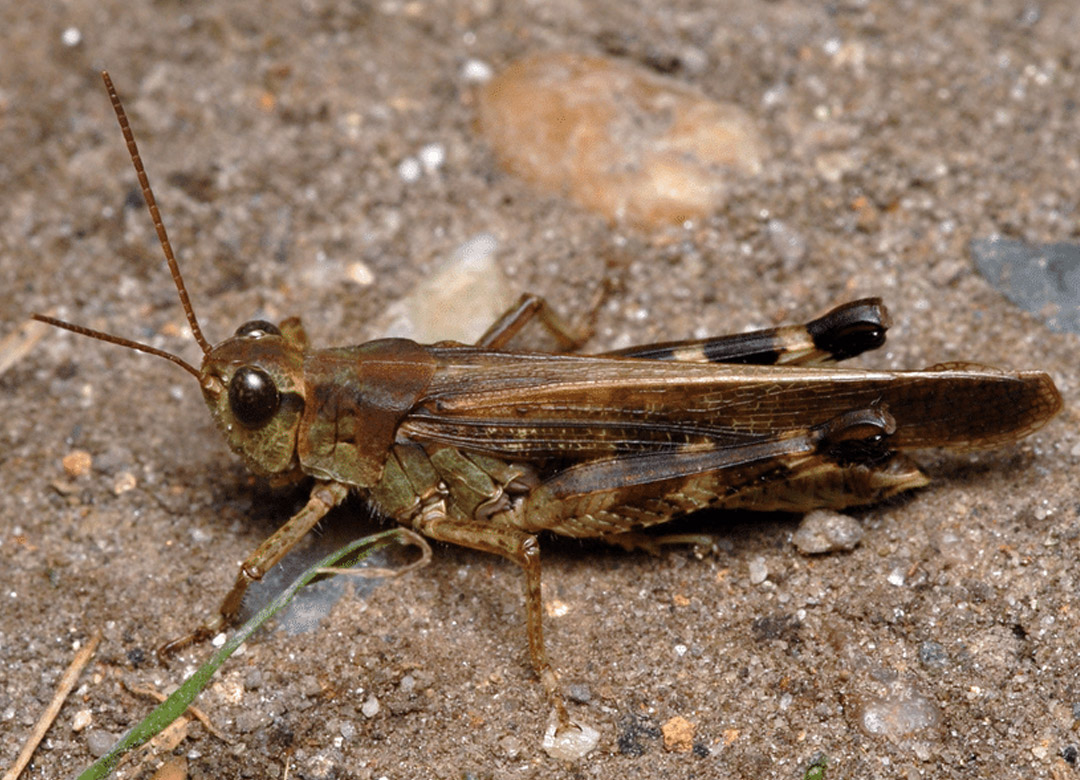
Orthoptera
Grasshoppers, Locusts & Crickets
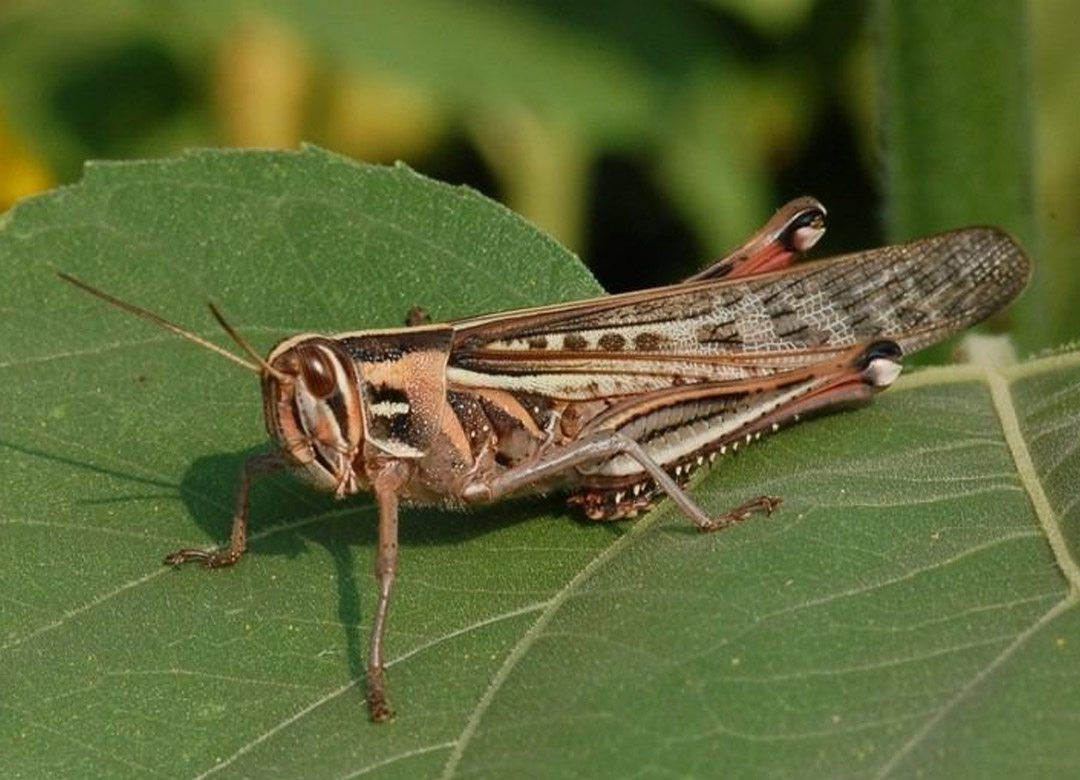
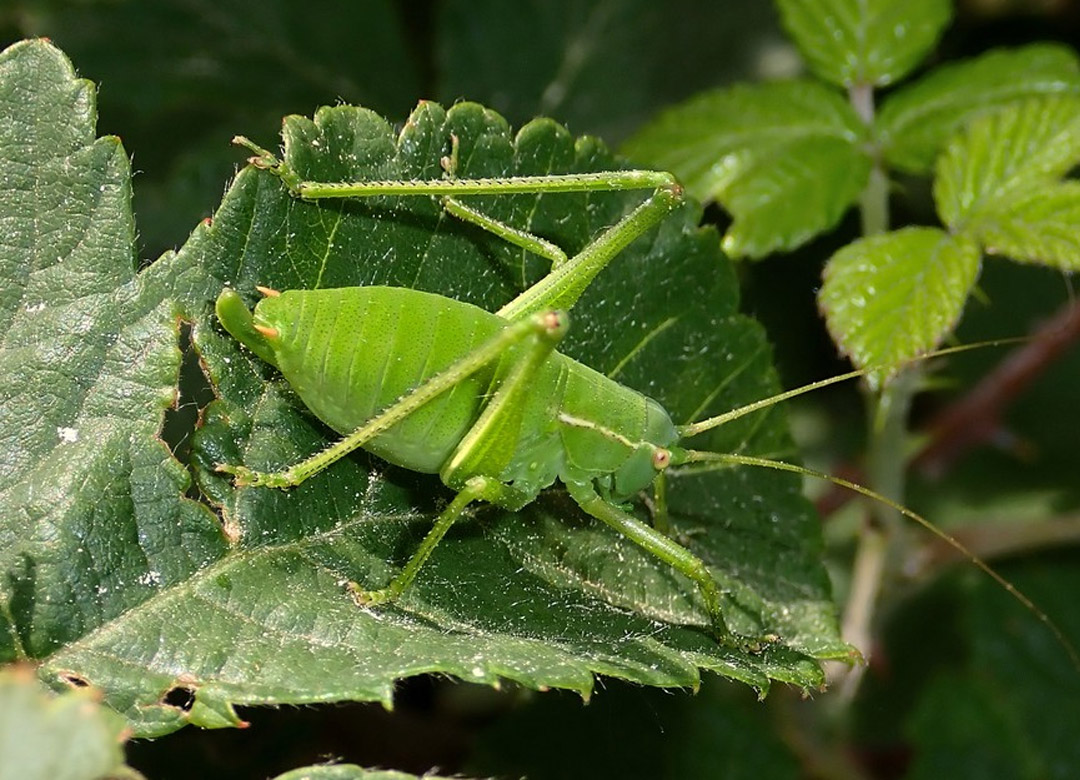
Orthoptera are one of the best-studied invertebrate groups on Pelister. The fauna of this group is represented by a total of 107 taxa from 11 families, namely: Acrididae (grasshoppers), Tettigoniidae (bush-crickets), Tridactylidae, and Phaneropteridae. These species are characteristic of mountain ecosystems and contribute to the park’s biological diversity.
Diptera: Chironomidae
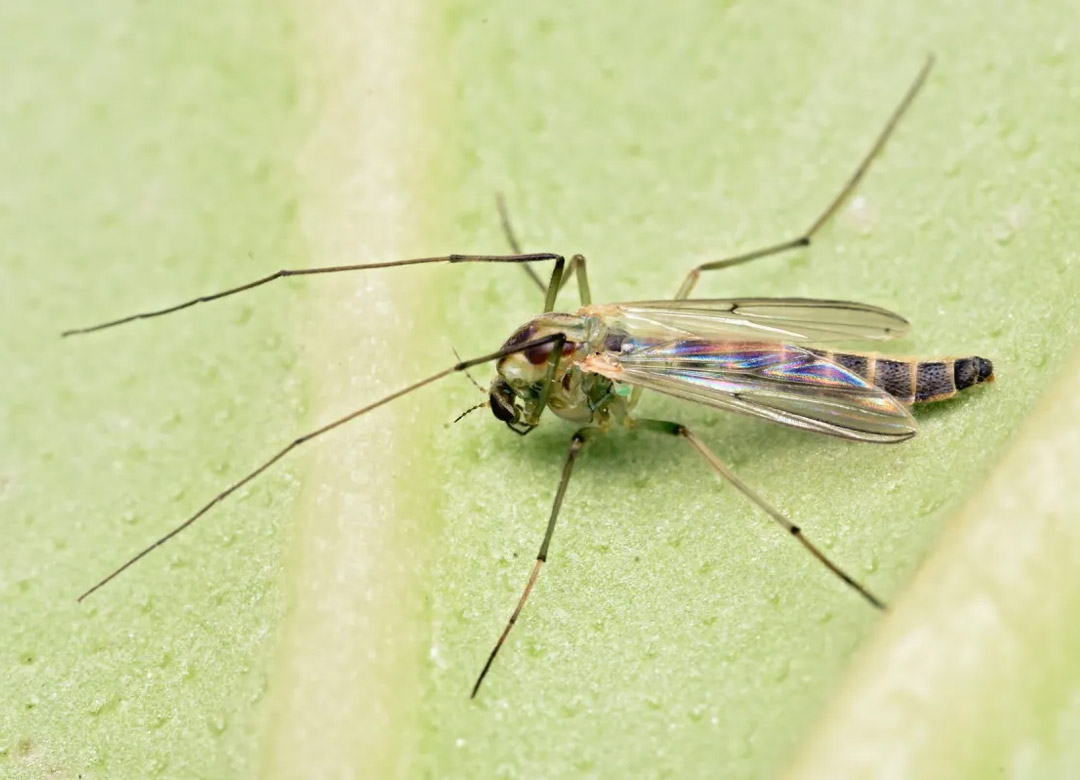
Flies, Mosquitoes & Related Groups
Within the group of true flies, including flies, mosquitoes, and other related species, 35 taxa have been recorded on Pelister. These insects play an important role in ecosystems as pollinators, detritivores, and parts of food webs.
Gastropoda
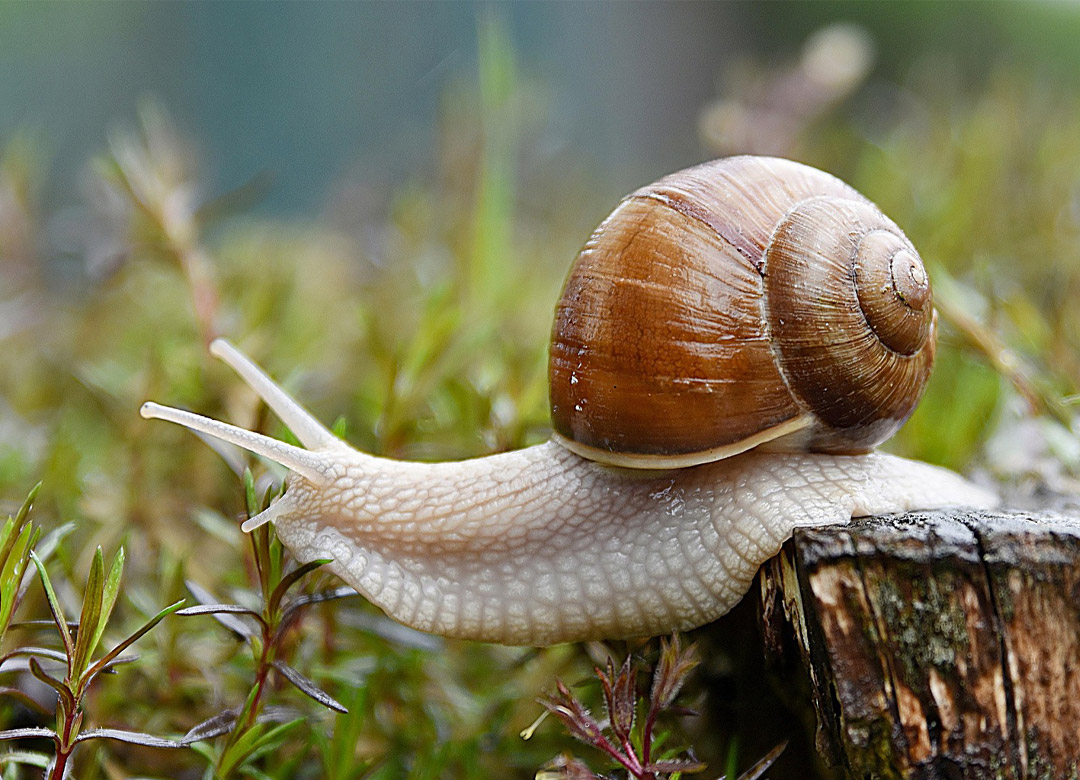
Snails & Land Slugs
A total of 30 species of snails and land molluscs, belonging to 16 families, have been recorded on Pelister. This group is relatively well-studied.
Of particular significance is the discovery of a rare species new to science: Vestia lazarovii sp. n. (Dedov, 2012). This species was found at the Kopanki locality (1,639 m a.s.l.) under dead logs in a pine forest with Macedonian pine (Pinus peuce), and has additionally been recorded at the Palisnopje locality. These data highlight Pelister’s importance as a refugium for rare and endemic species.
Other Terrestrial Invertebrate Groups
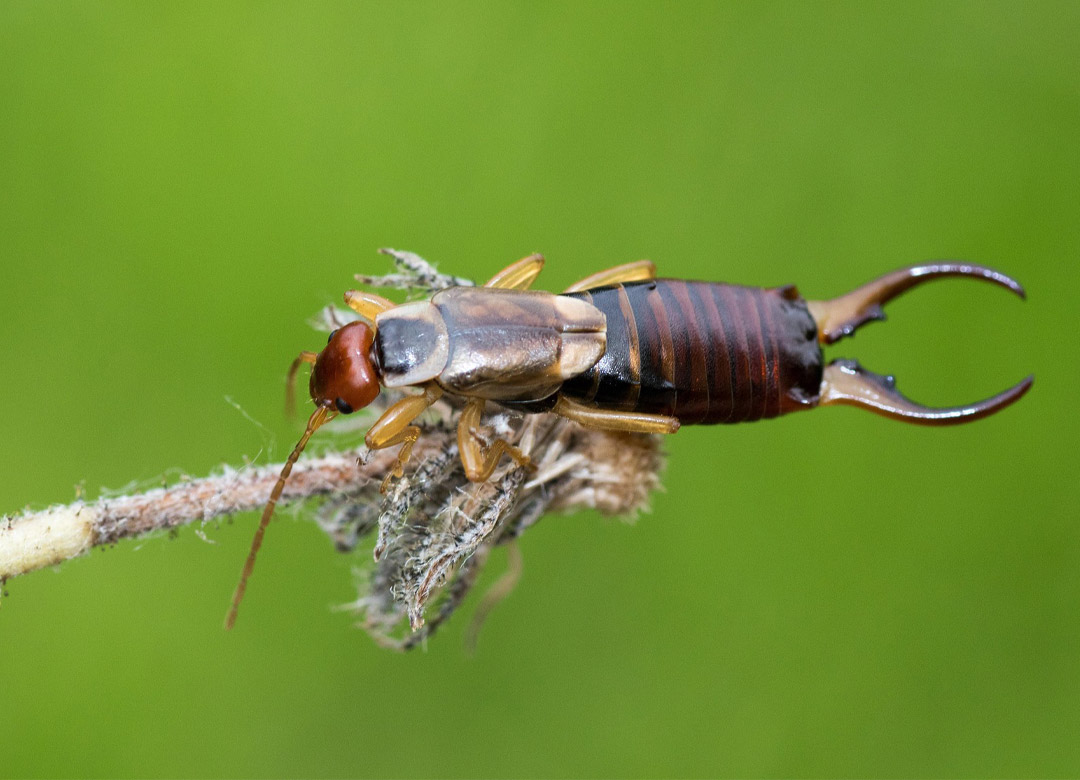
For the following taxa on Pelister, the presence of only 1 to 5 species has been recorded, indicating limited yet significant data regarding their presence and ecology:
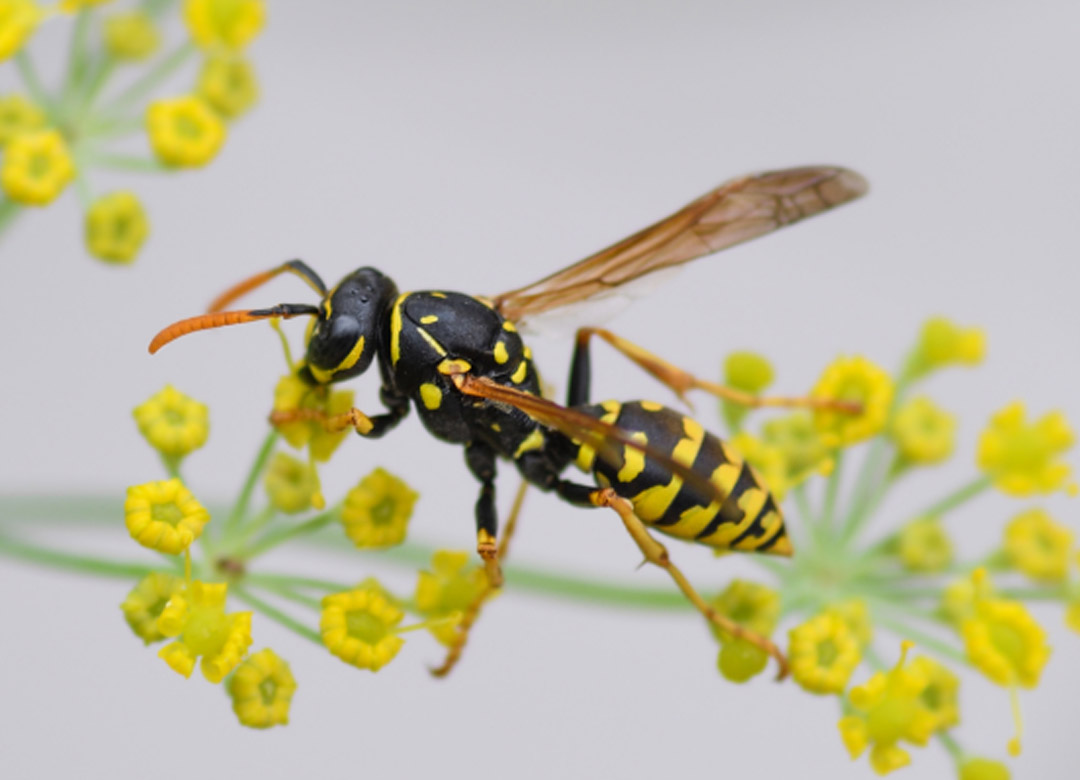
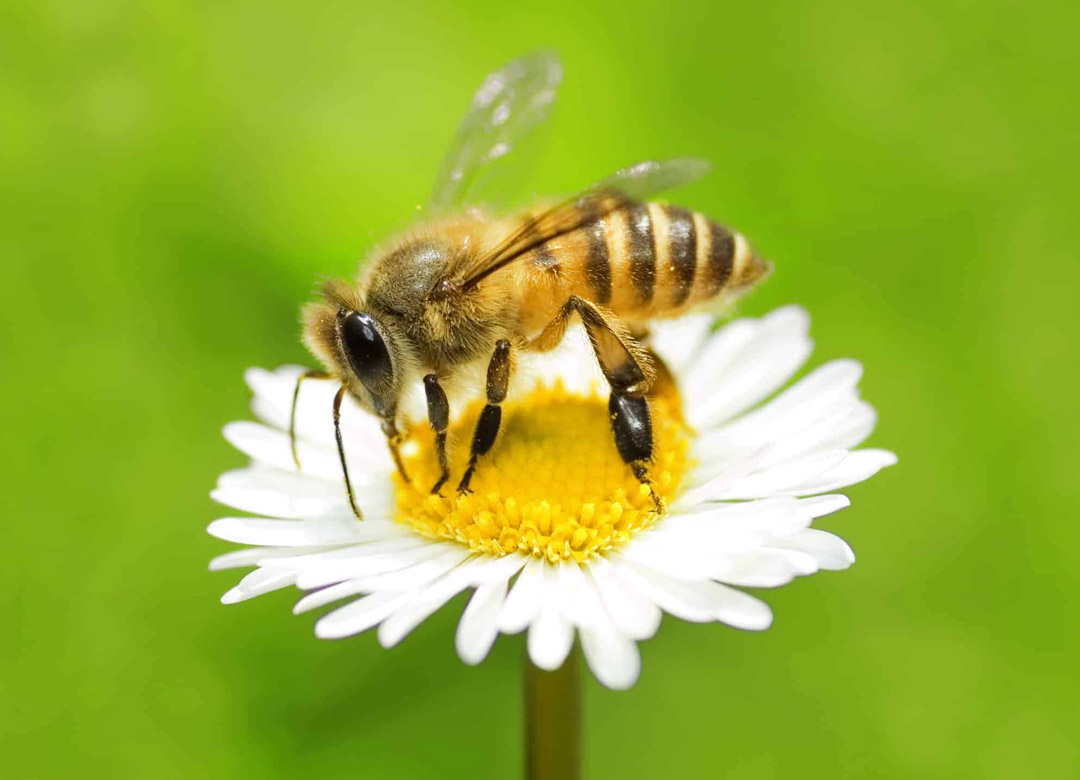
Hymenoptera – Sawflies, wasps, bees & ants / Опнокрилци
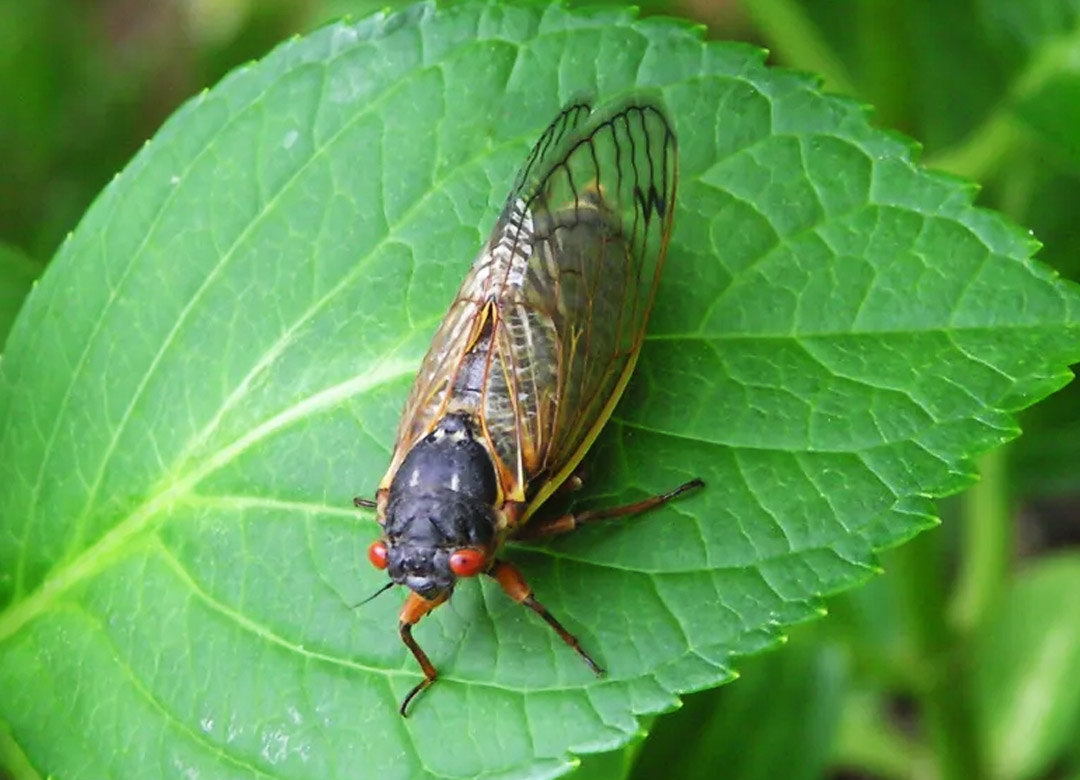
Homoptera – Aphids, scale insects, cicadas & leafhoppers / Еднаквокрилци
Heteroptera – True bugs / Полутврдокрилци
Dermaptera – Earwigs / Уволажи
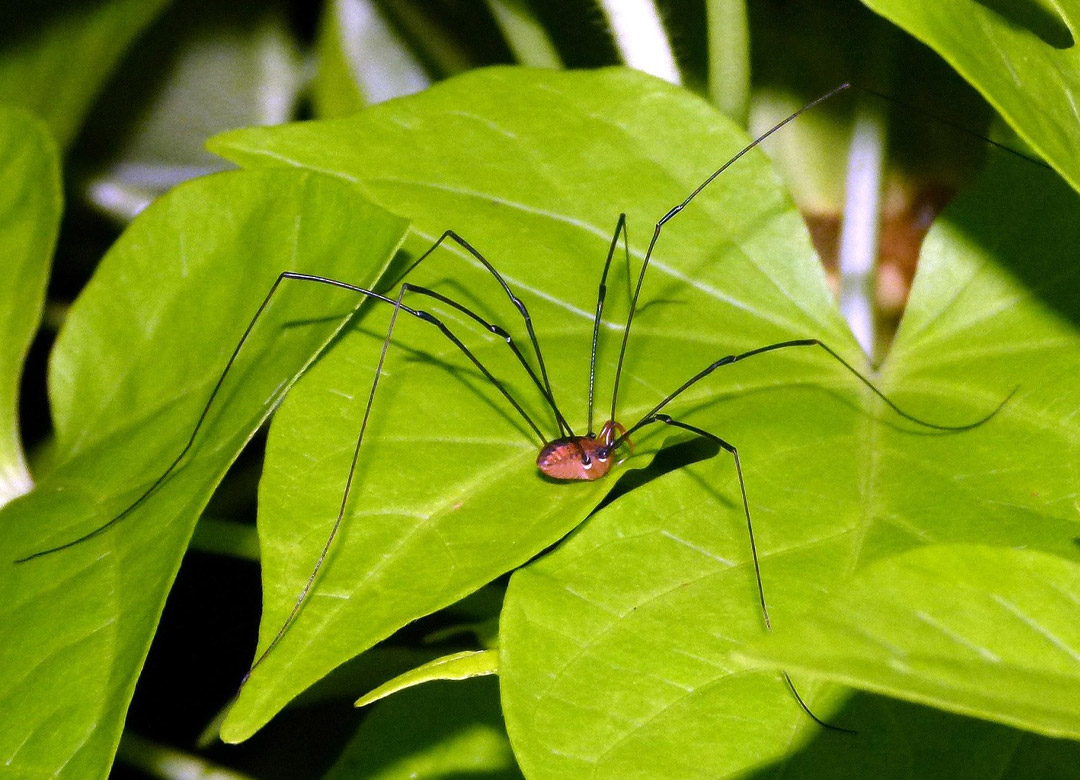
Opiliones – Harvesters / Daddy longlegs / Сенокосци
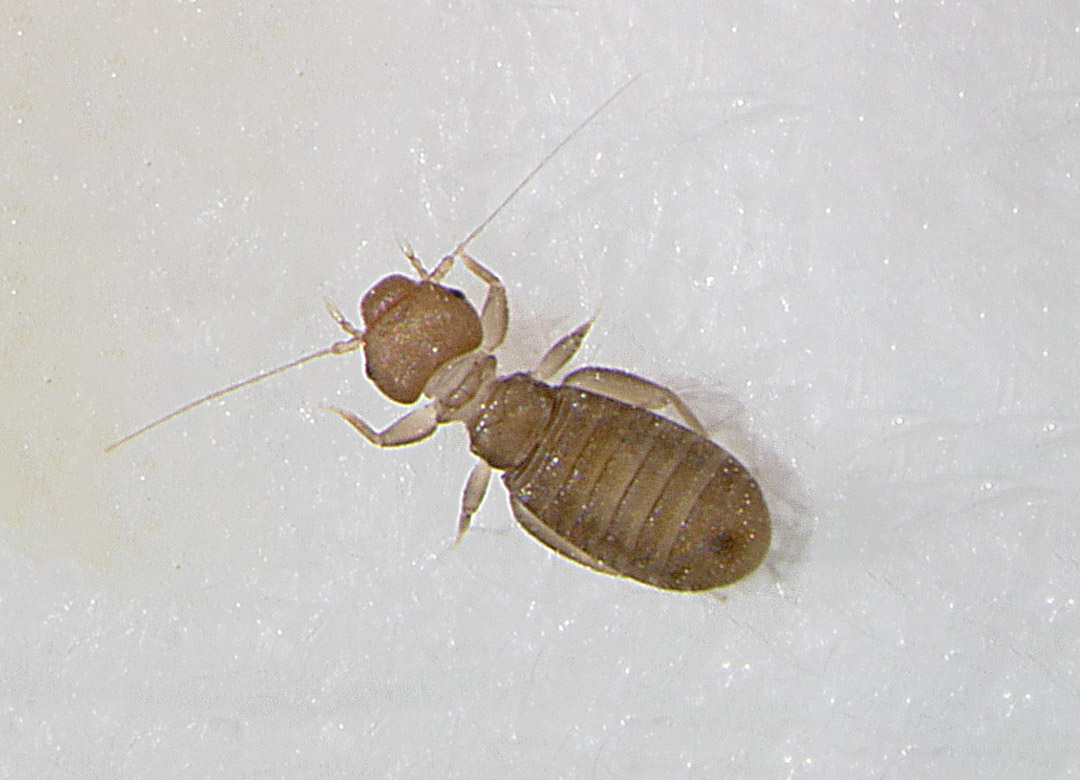
Psocoptera – Booklice & barklice / Книшки вошки
Although faunistic data exist for these groups, they are scarce and do not represent the full diversity of their populations on Pelister. This highlights the need for more detailed research, which would contribute to a more comprehensive understanding of the National Park’s biological diversity.
Dragonflies & Damselflies
Odonata
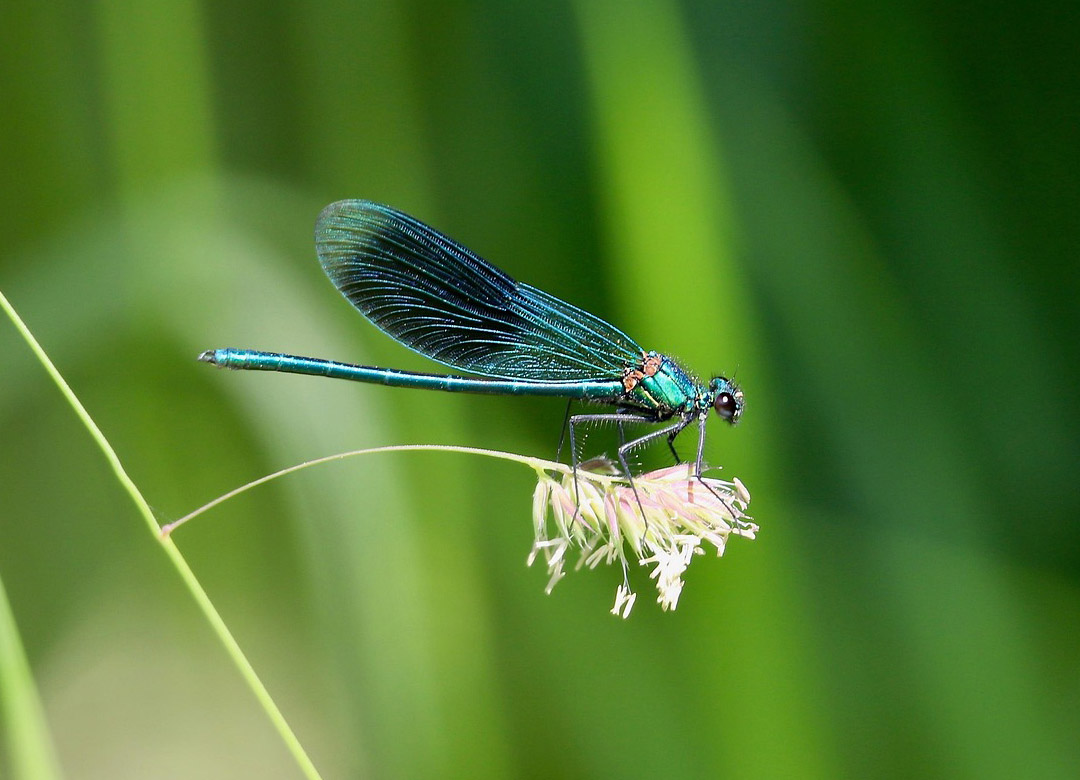
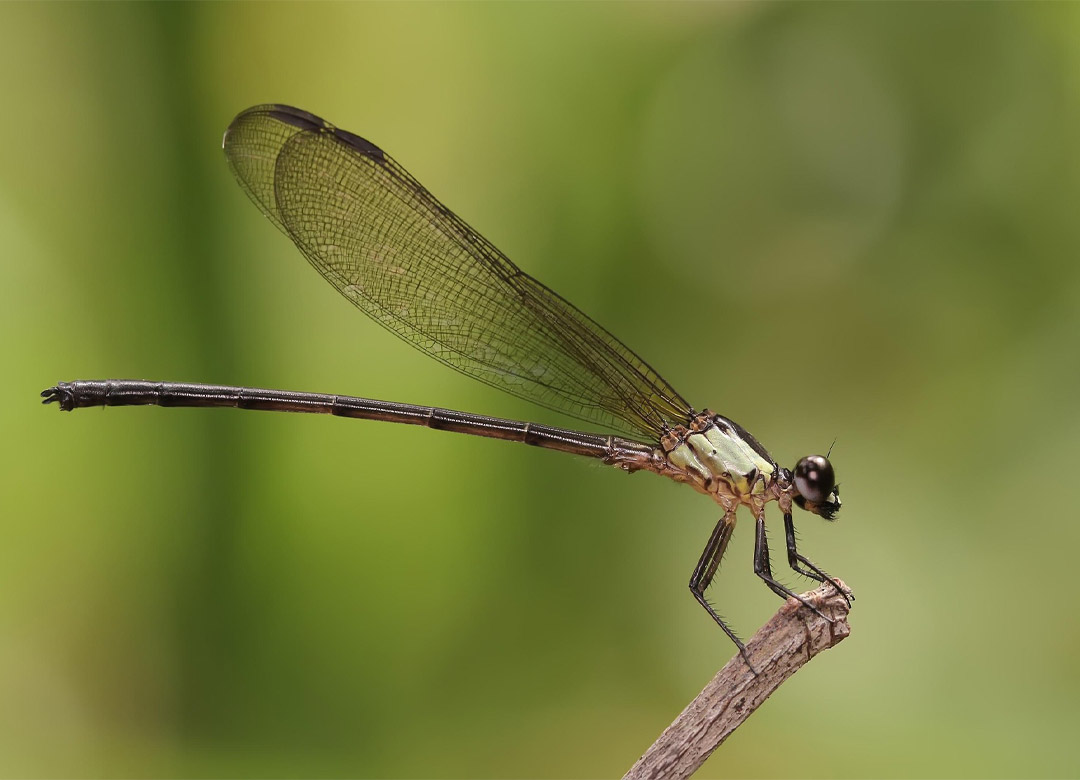
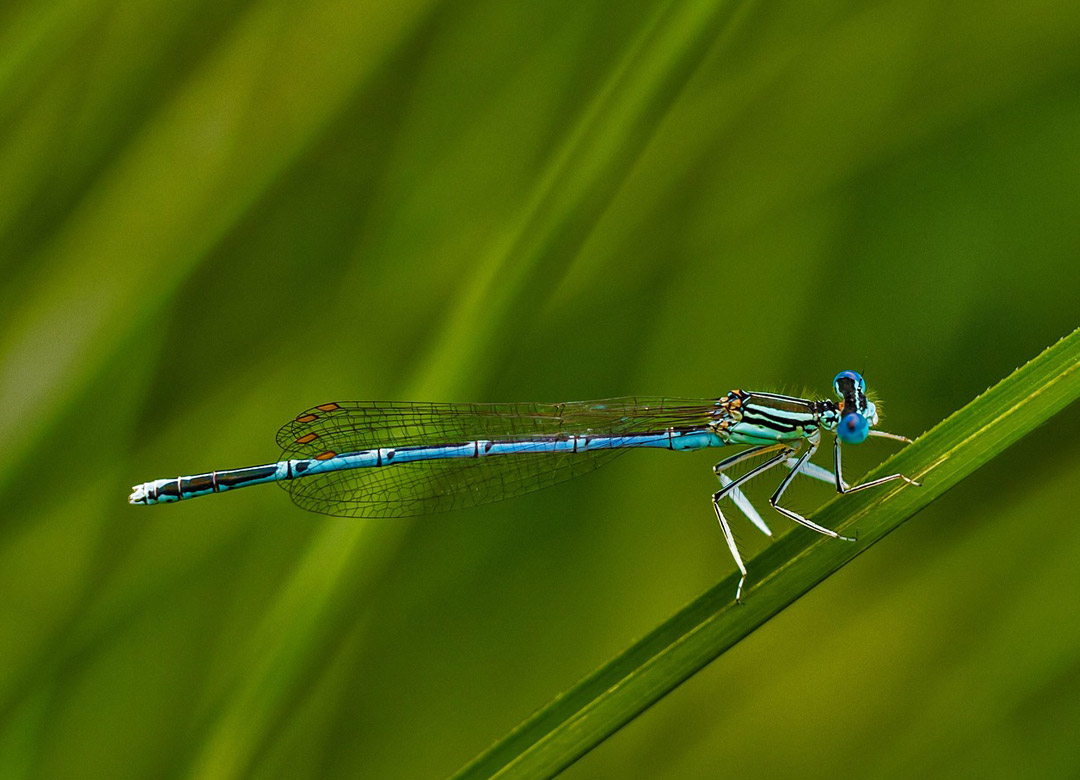
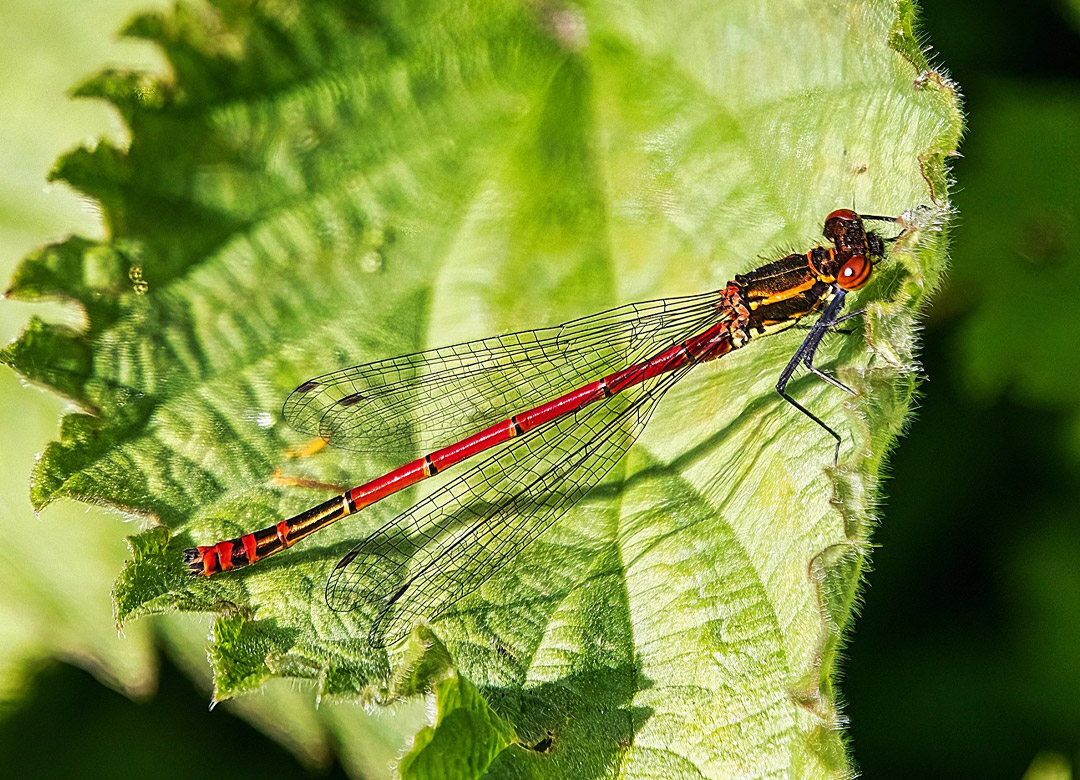
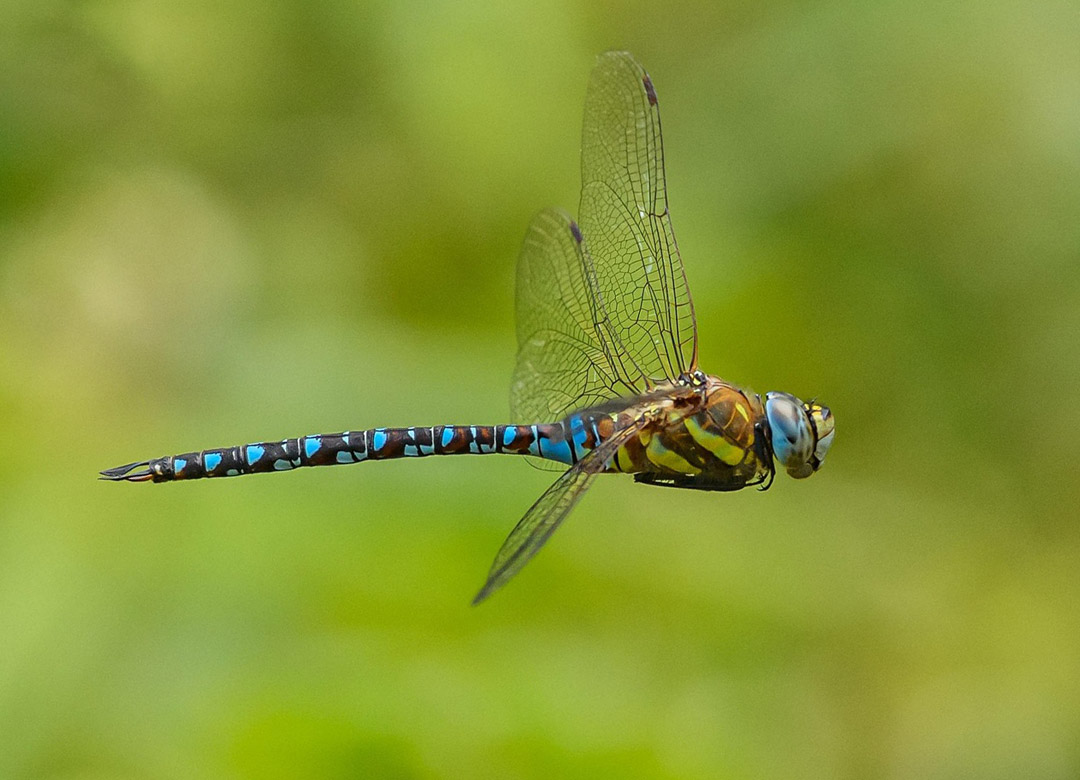
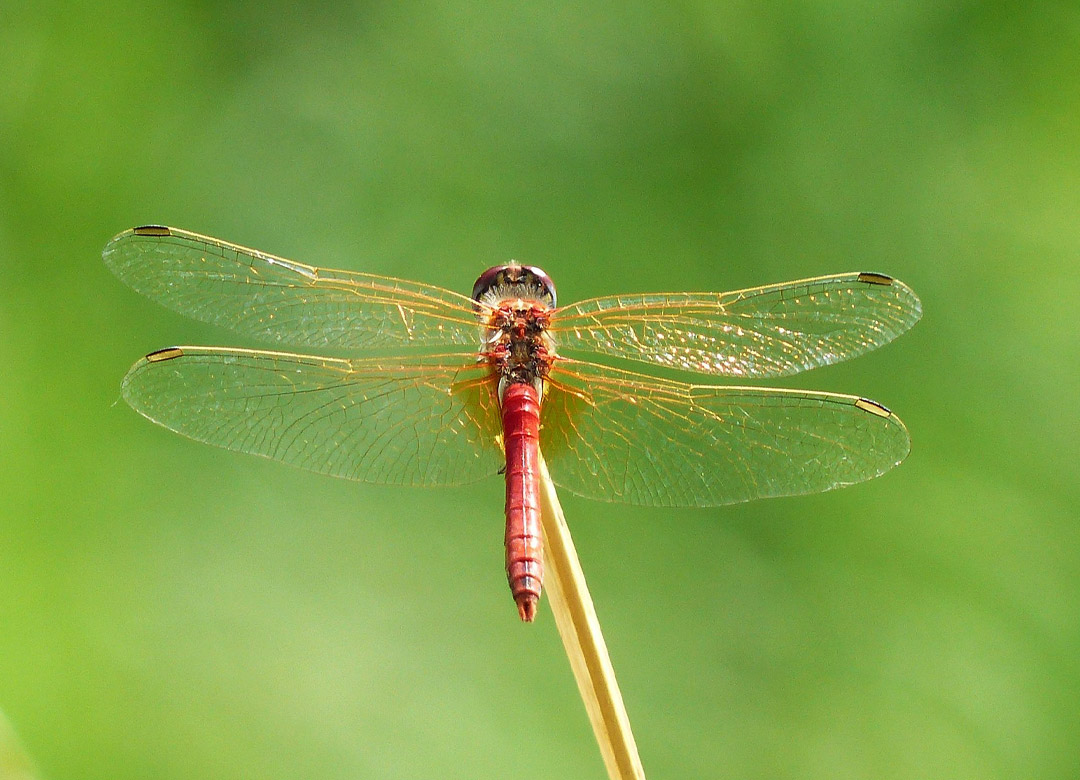
According to literature data and previous findings, 22 species of dragonflies and damselflies belonging to 8 families have been recorded on Pelister. Among these, there are typical rheophilic representatives, such as those from the families Cordulegastridae and Gomphidae. The larval forms of these species are tied to specific riverbed habitats, are sensitive to environmental changes, and therefore serve as indicators of the condition of river ecosystems.
They are most commonly found in sections of rivers with slower flows, sandy-stony bottoms, and relatively well-developed aquatic vegetation. Other species are found in standing water bodies (around glacial lakes, marshes, swampy areas along riverbeds, ponds, or wet meadows), as well as in slow-flowing waters. Such representatives belong to the families Calopterygidae, Lestidae, Coenagrionidae, Platycnemidae, Aeshnidae, and Libellulidae.
Butterflies & Moths (Lepidoptera)
There are 120 recorded species of diurnal butterflies (Lepidoptera, Rhopalocera) on Pelister.
Diurnal butterflies in Macedonia are a relatively well-studied group of insects, thanks to the significant interest from both domestic and foreign entomologists during the 20th and 21st centuries. The earliest literature data for Mount Pelister dates back to the beginning of the 20th century. As a result of recent research in National Park Pelister, 101 species were published by Micevski and Micevski (2005).
When comparing data, 16 species were not confirmed in the most recent 2019 studies; however, by including all species documented in the literature, the total number of species on Pelister reaches 120. This accounts for 58.5% of the total diurnal butterfly fauna in the Republic of North Macedonia.
Eastern eggar (Eriogaster catax)
Lepidoptera
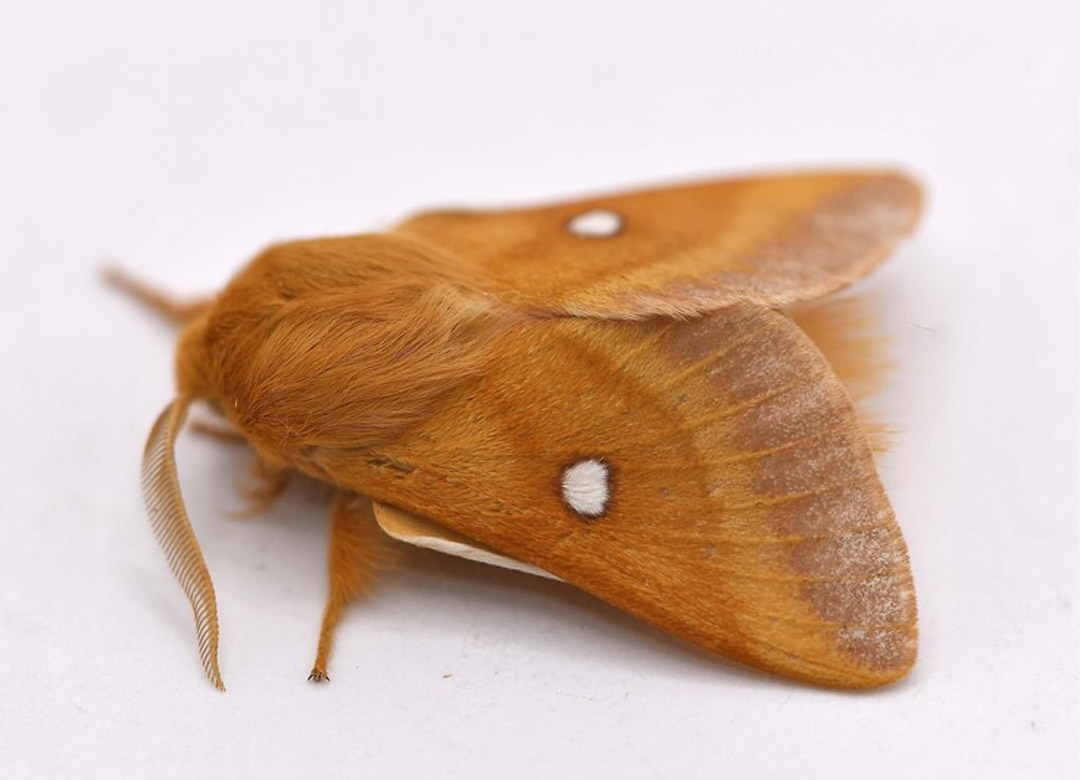
The Eastern eggar (Eriogaster catax) is a moth species listed under the Habitats Directive Annex II and IV (code 1074). The species is widely distributed throughout the country. This moth is nocturnal and inhabits semi-open habitats, forest edges, and roadsides. In National Park Pelister, colonies of Eriogaster catax have been found in several locations near the village of Magarevo, along the road.
Marsh Fritillary (Euphydryas aurinia)
Lepidoptera
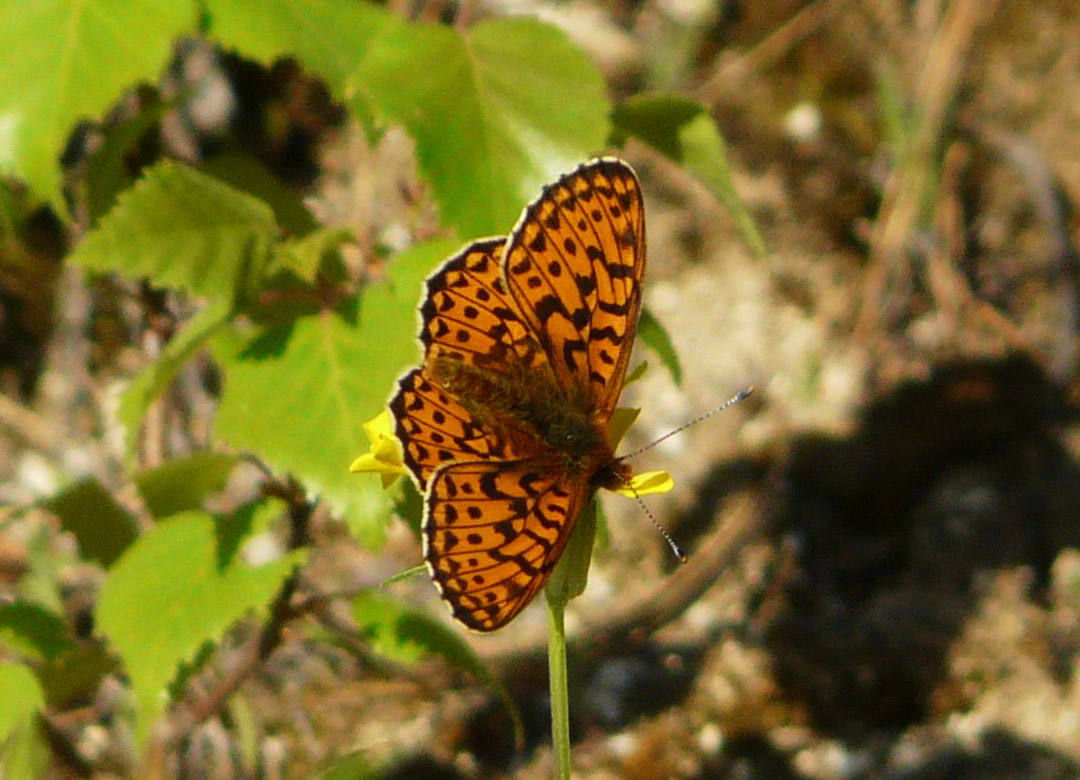
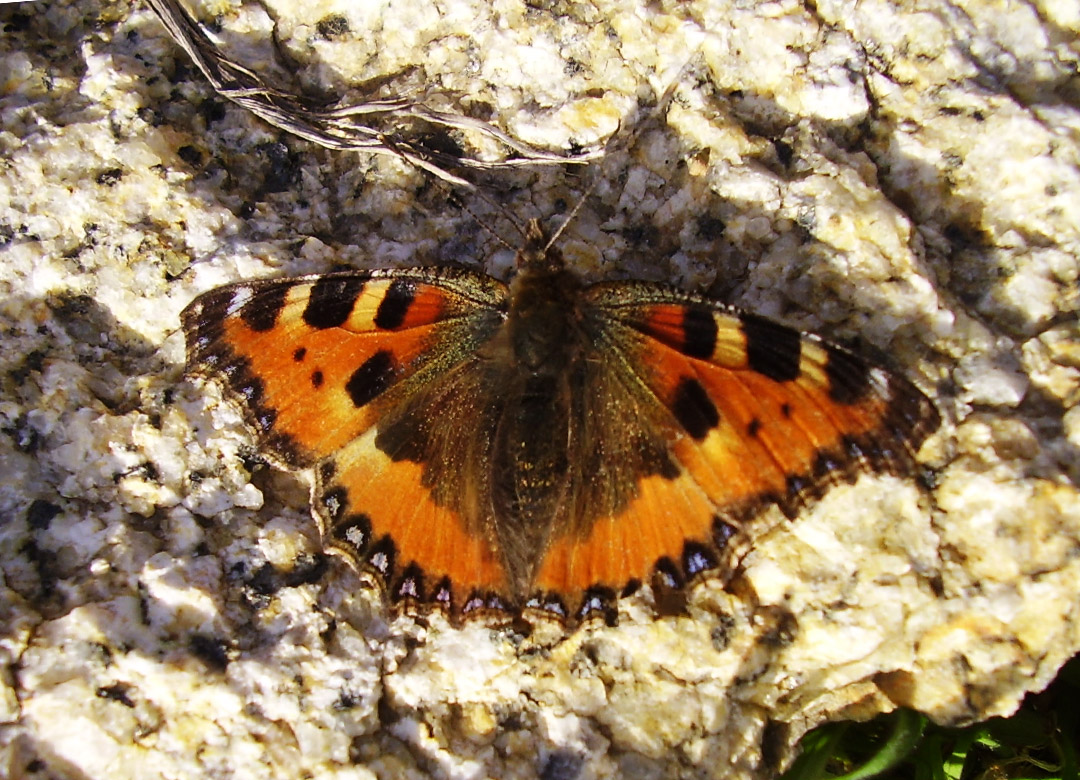
The Marsh fritillary (Euphydryas aurinia) is a butterfly species listed under the Habitats Directive Annex II (code 1065). It inhabits dry or relatively dry meadows. In National Park Pelister, this species has been observed in Magarevo, Capari, and above Brajcino.
Jersey Tiger (Gallimorpha quadripunctaria)
Lepidoptera
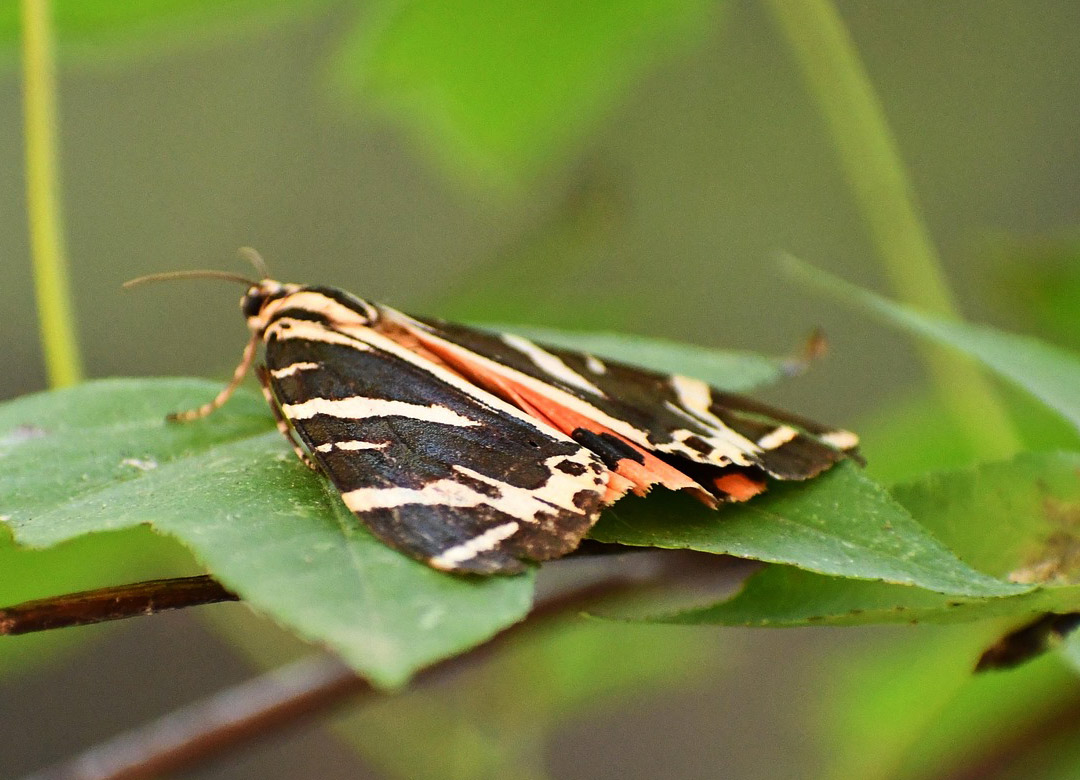
The Jersey tiger (Callimorpha quadripunctaria) is a butterfly species listed under the Habitats Directive Annex II (code 6199). This butterfly species can be found in forests, semi-open areas, shrub-covered locations, and similar habitats. This species has been recorded in Gjavato, on the border of National Park Pelister.
Large Copper (Lycaena dispar)
Lepidoptera
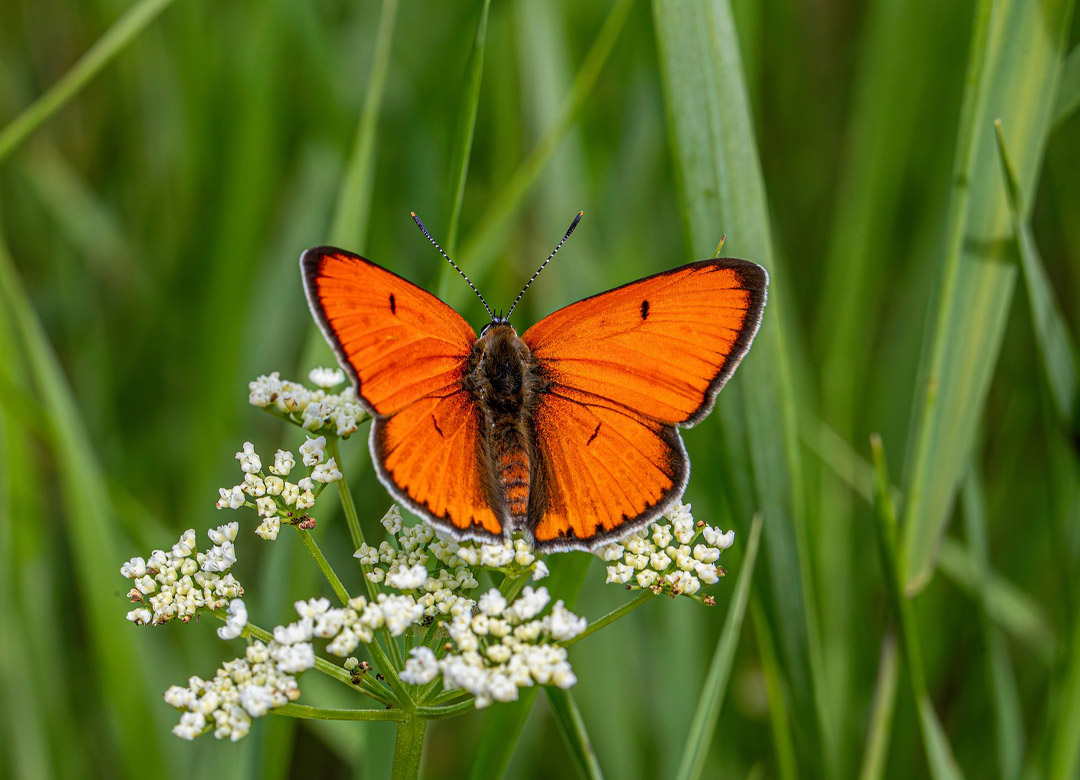
The Large copper (Lycaena dispar) is a butterfly species listed under the Habitats Directive Annex II and IV (code 1060). It can be found in various types of grassland habitats. It inhabits open and semi-open ecosystems that are important for other butterfly species as well. In National Park Pelister, this species has been found in the lower parts of the park, near the villages of Capari and Magarevo.
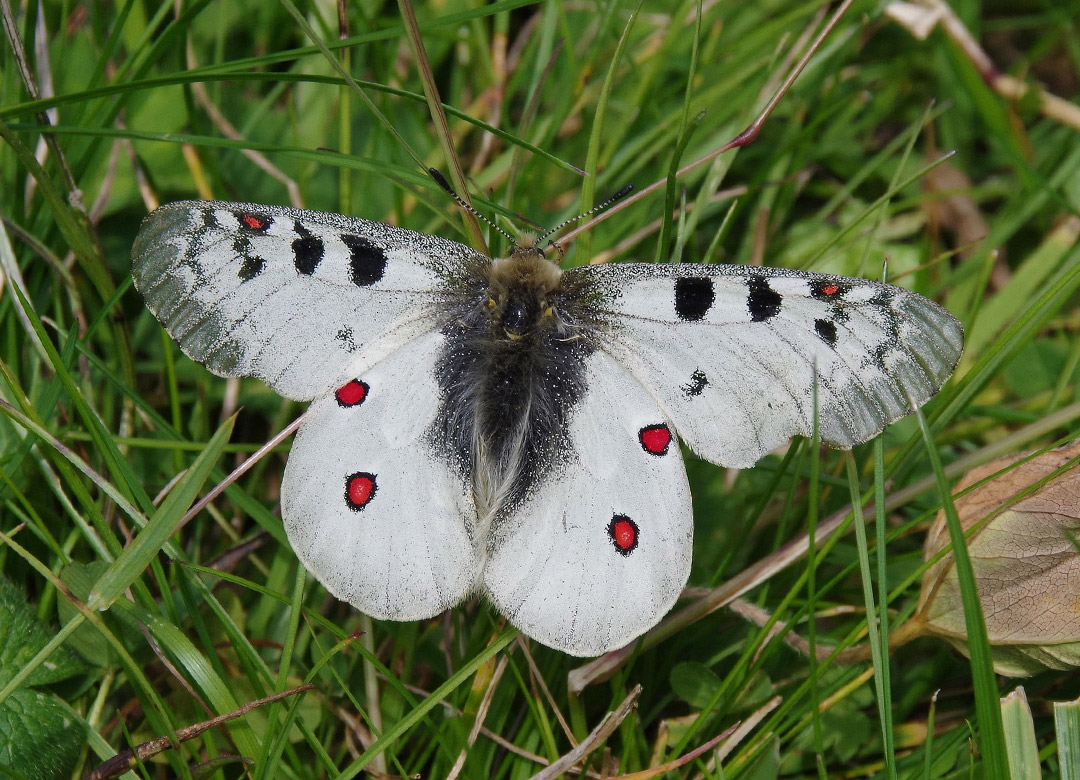
Clouded Apollo (Parnassius Mnemosyne)
Lepidoptera
The Clouded apollo (Parnassius mnemosyne) is a butterfly species listed under the Habitats Directive Annex IV (code 1056). In National Park Pelister, this butterfly species is represented by several (small) local populations across various river valleys. The Clouded apollo prefers low-growing herb-rich grasslands and other open or semi-open habitats.
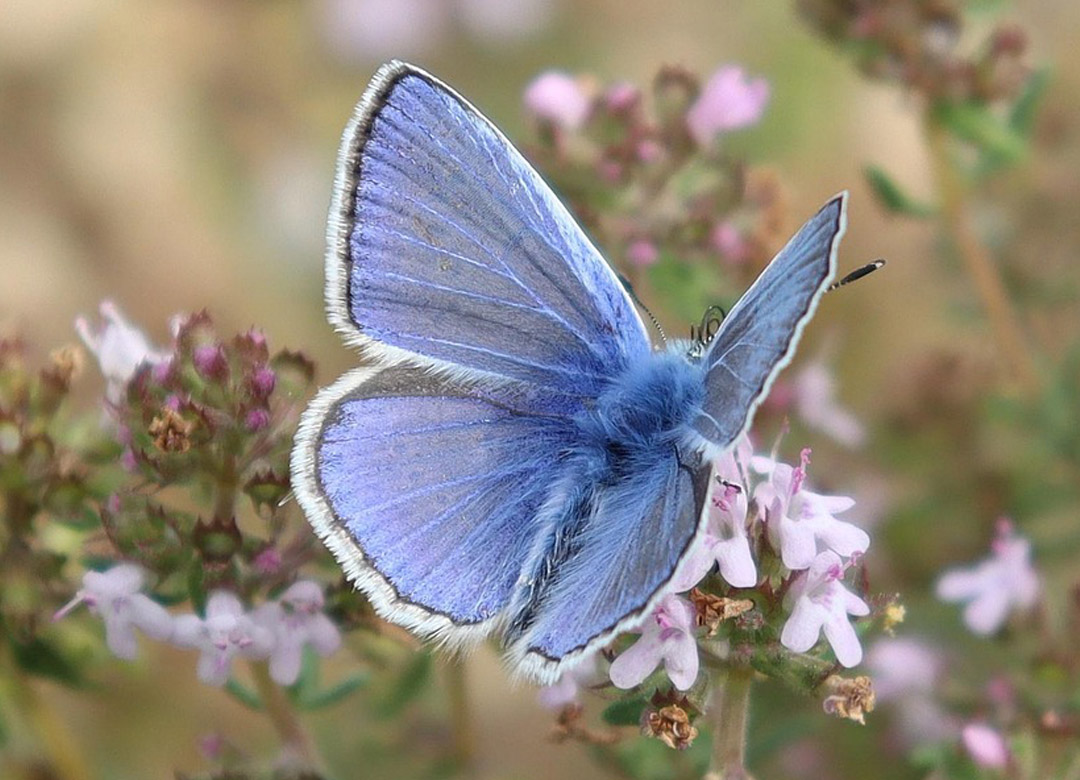
Large Blue (Phengaris Arion)
Lepidoptera
The Large blue (Phengaris arion) is a butterfly species listed under the Habitats Directive Annex IV (code 1058). Typical habitats for this butterfly species are open, warm meadows with wild thyme (Thymus) and colonies of Myrmica ants. In National Park Pelister, this species has been observed above Brajcino, with several records also noted on the park’s border in Magarevo-Dihovo, on the dry pastures on both sides of the existing water supply installation.
Birds – Aves
The first records of the avifauna on Mount Pelister date back to 1903 and 1905, recorded by the British Consul in Bitola, Yates Peter McGregor, who kept notes on birds in the surrounding area of Bitola. He mentioned 8 bird species, among which the most notable records were the alpine chough (Pyrrhocorax graculus), bearded vulture (Gypaetus barbatus), Egyptian vulture (Neophron percnopterus), and a nest of the greater spotted eagle (Clanga clanga).
Although the birds of Pelister were also studied after World War I and World War II, a more serious study of the avifauna in the Macedonian pine (Pinus peuce) forests of Pelister was conducted by Micevski & Stojanovski (1991), who recorded 32 bird species. In 2001, the Student Biological Research Society recorded 56 bird species on Pelister (Velevski et al. 2003). Together with subsequent research, the total number of bird species in NP Pelister reached 93.
With the latest surveys in 2019 through a Twinning project by Lithuanian and Finnish researchers, as well as studies by domestic experts for the Study on the Revaluation of Values of NP Pelister, a total list of 116 bird species has been established. Of these, 5 species were formerly present on Pelister but are now extirpated: the bearded vulture, cinereous vulture, alpine chough, wallcreeper, and saker falcon.
The richest in species diversity are the oak forests of NP Pelister (51 species, of which 48 are nesting species), followed by Macedonian pine communities, beech forests, and fir forests.
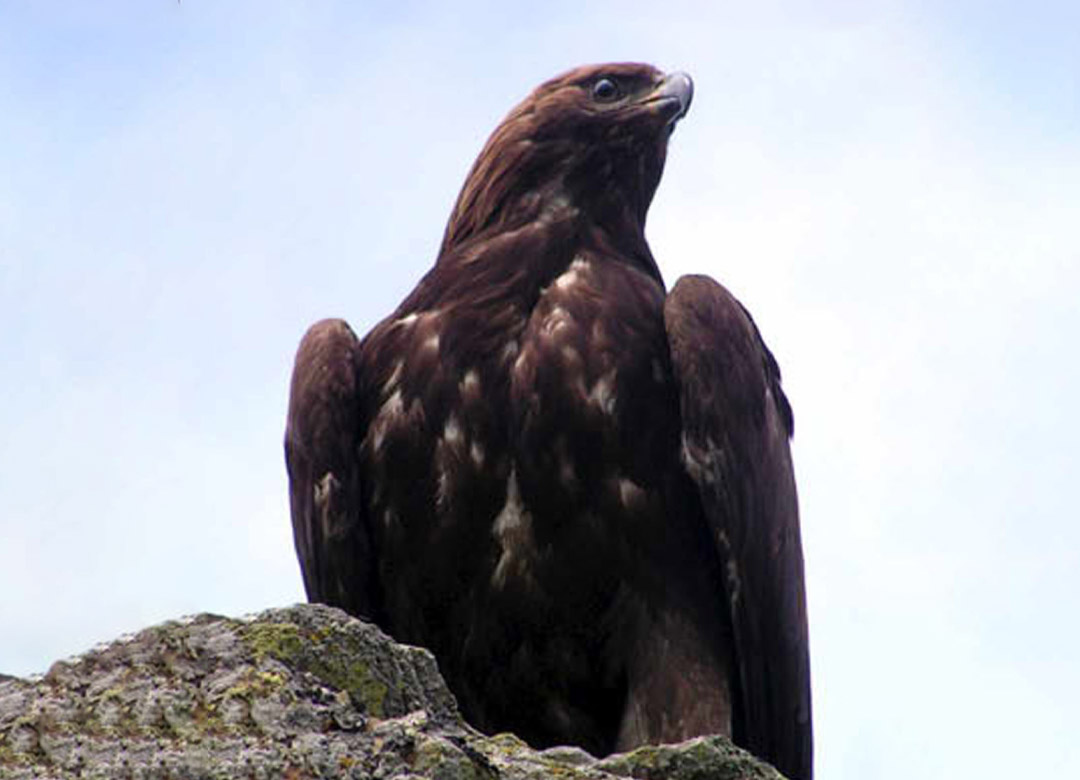
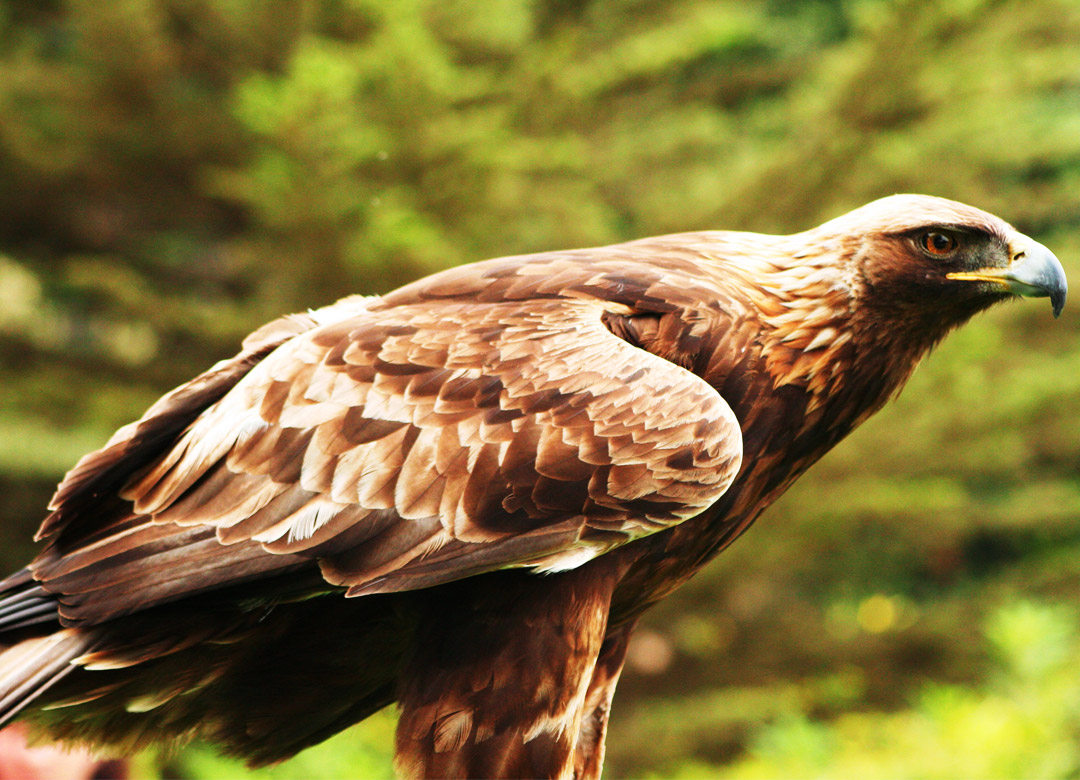
Golden Eagle (Aquila chrysaetos)
Raptors / Birds of Prey
The golden eagle (Aquila chrysaetos) is a resident species in National Park Pelister, a breeding bird, and a rare species found in high-altitude mountain areas. The golden eagle is a bird species that lives exclusively in the wild. If nesting sites are identified, all types of disturbance in the area should be avoided during the breeding season.
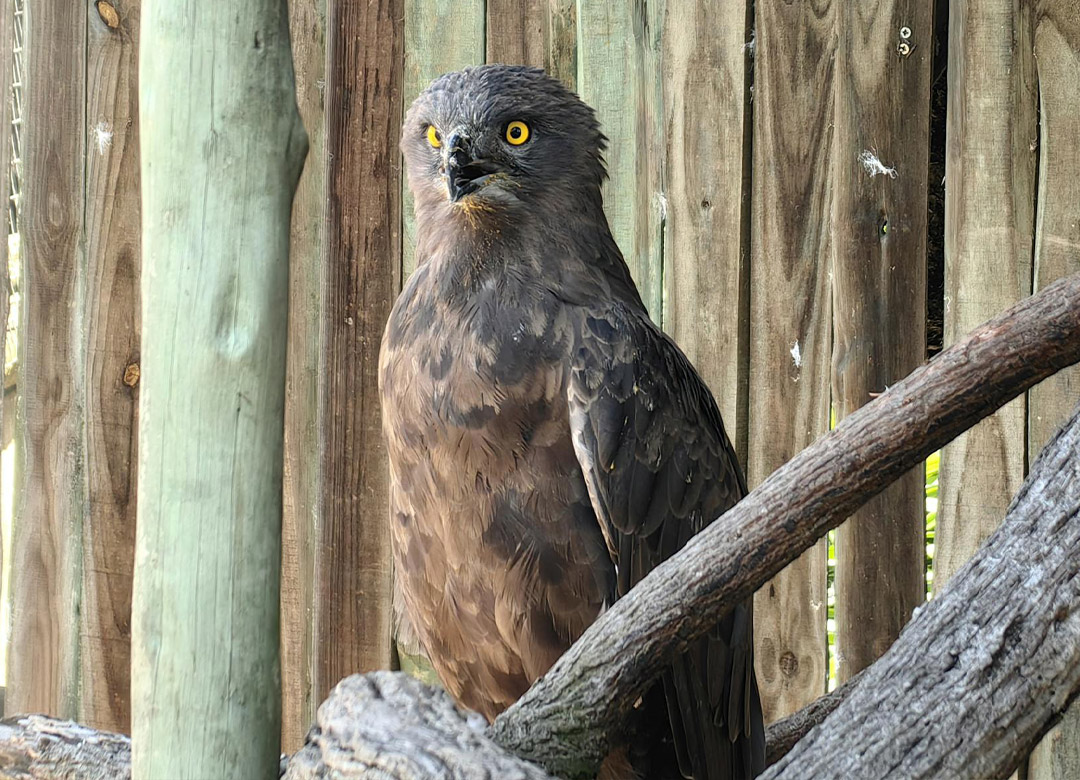
Орел змијар – Short-toed snake eagle (Circaetus gallicus)
Raptors / Birds of Prey
The Short-toed snake eagle (Circaetus gallicus) is a probable breeding species within National Park Pelister. The exact size and population trend of this species remain unknown. The Short-toed snake eagle prefers open areas rich in reptiles, specifically snakes and lizards, which constitute its primary diet.
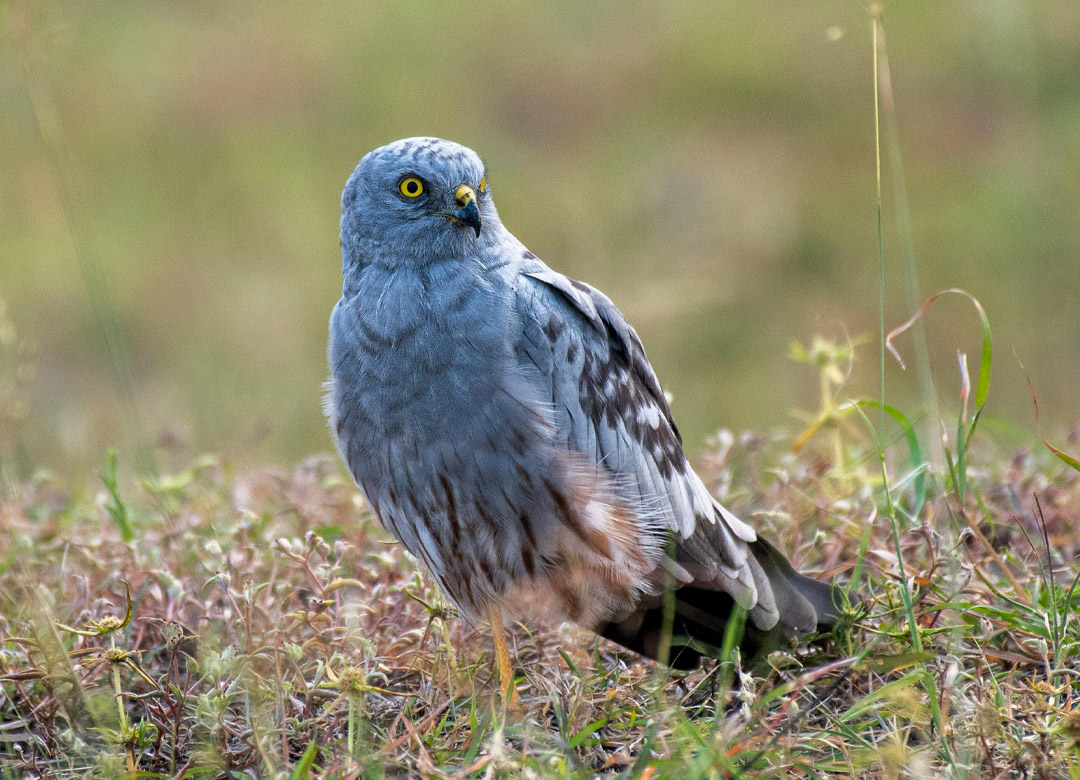
Montagus Harrier (Circus pygargus)
Raptors / Birds of Prey
The Montagu’s harrier (Circus pygargus) is likely a breeding species in National Park Pelister, inhabiting lowland hay meadows. Its habitat and dietary requirements are similar to those of the Short-toed snake eagle. This harrier feeds on small mammals, lizards, small birds, frogs, and various insects.
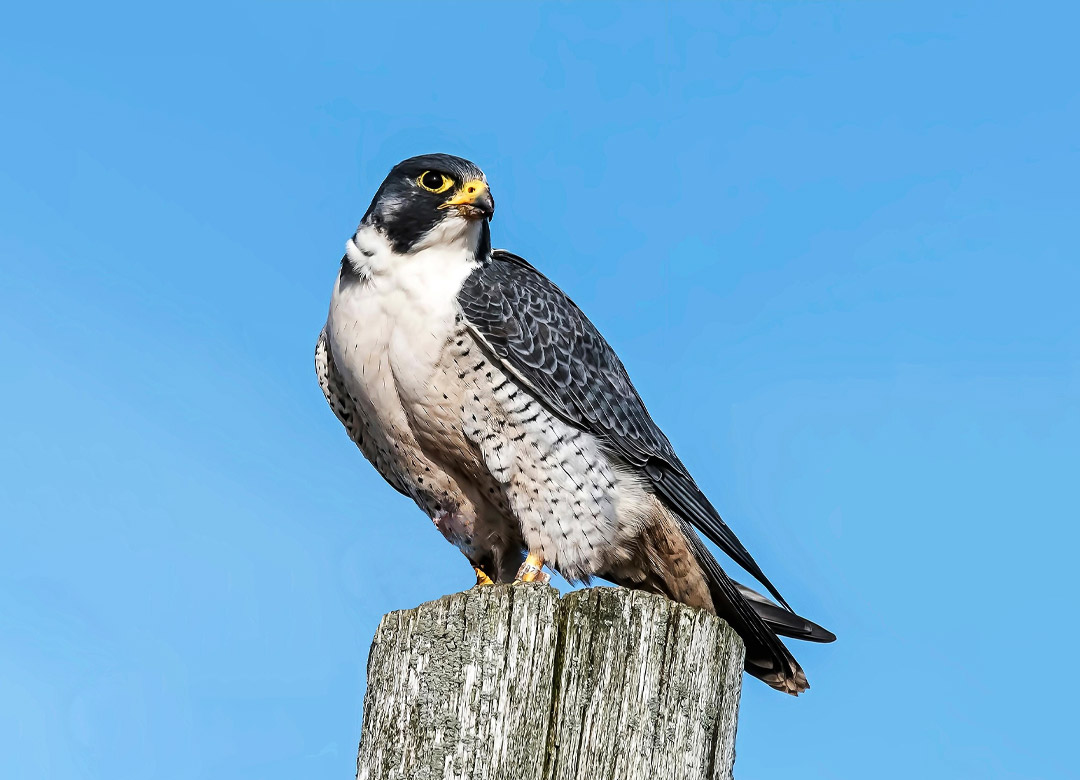
Peregrine Falcon (Falco peregrinus)
Raptors / Birds of Prey
The Peregrine falcon (Falco peregrinus) is a permanent resident and breeding species within National Park Pelister. It is a rare species, primarily observed in high-altitude mountain areas, rocky terrains, dry grasslands, and shrubland zones.
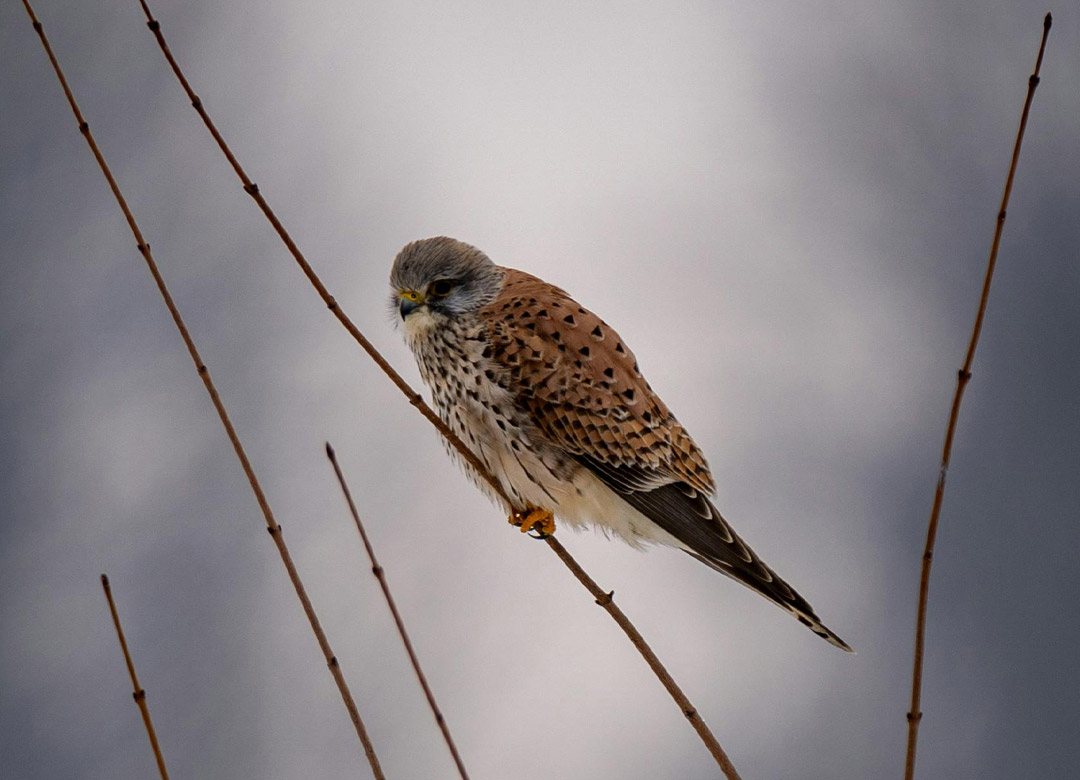
Lesser Kestrel (Falco Naumanni)
Raptors / Birds of Prey
The Lesser kestrel (Falco naumanni) has an unknown breeding status within National Park Pelister. Potential suitable nesting habitats include open areas in valleys or the surroundings of sparsely populated settlements.
European Honey Bazzard (Pernis Apivorus)
Raptors / Birds of Prey
The European honey buzzard (Pernis apivorus) is likely a breeding species within National Park Pelister, inhabiting all types of forests. Its population size and trend remain unknown. Globally, populations are declining in many regions, often due to food shortages linked to unfavorable weather conditions.
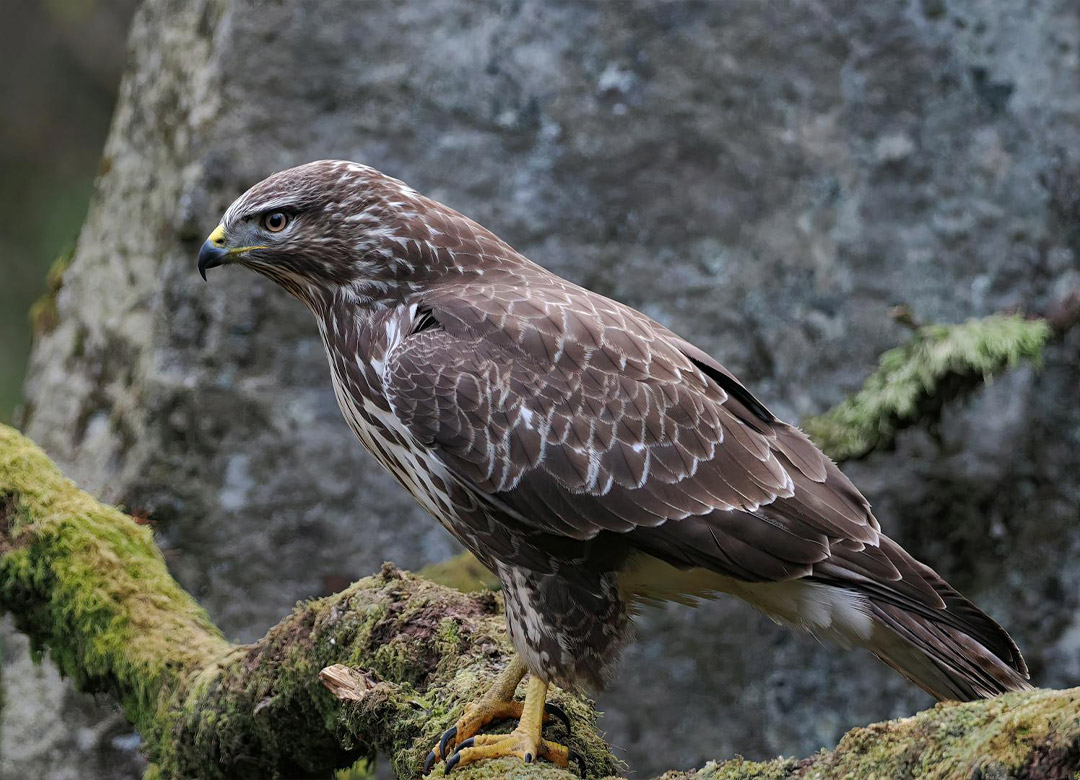
Middle Spotted Woodpecker (Dendrocopos medius)
Woodpeckers
The middle spotted woodpecker (Dendrocopos medius) is a permanent resident within National Park Pelister. Its abundance is closely dependent on the availability of dead wood, particularly oak. The exact population size and trend remain unknown.
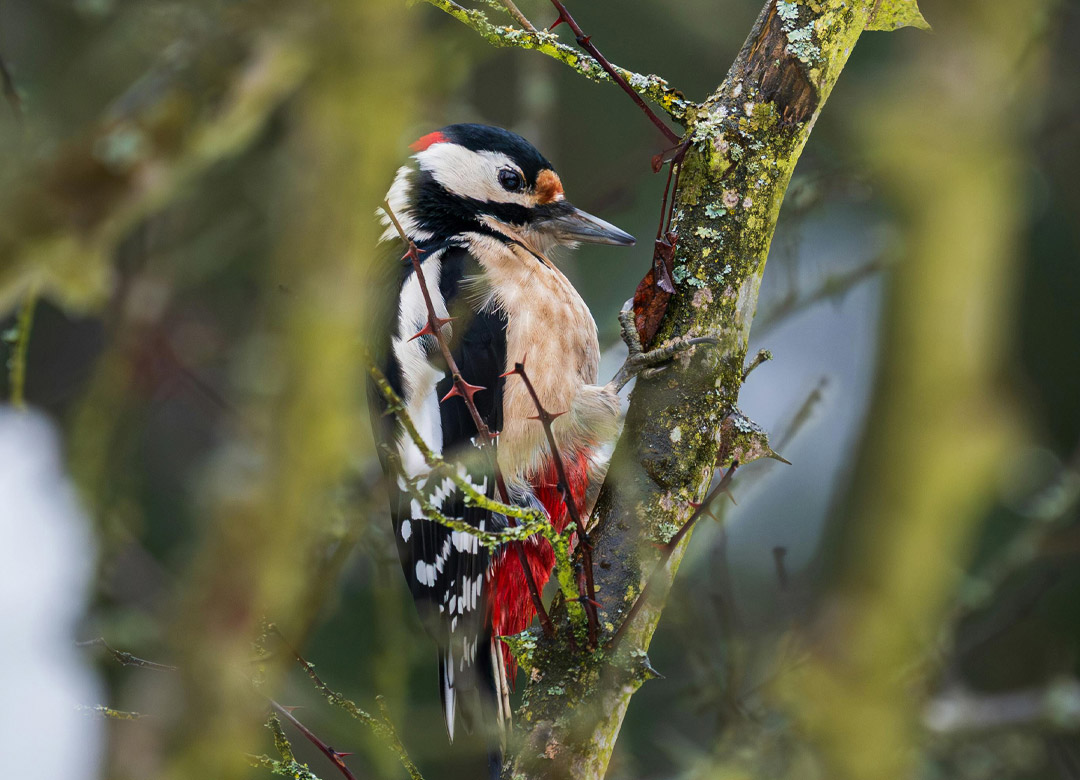
White-Backed Woodpecker (Dendrocopos Leucotos)
Woodpeckers
The White-backed woodpecker (Dendrocopos leucotos) is a permanent resident within National Park Pelister. It is a rare species inhabiting various forest types, particularly broad-leaved forests. Its abundance is directly dependent on the availability of dead wood and old-growth trees. The population size and trend remain unknown.
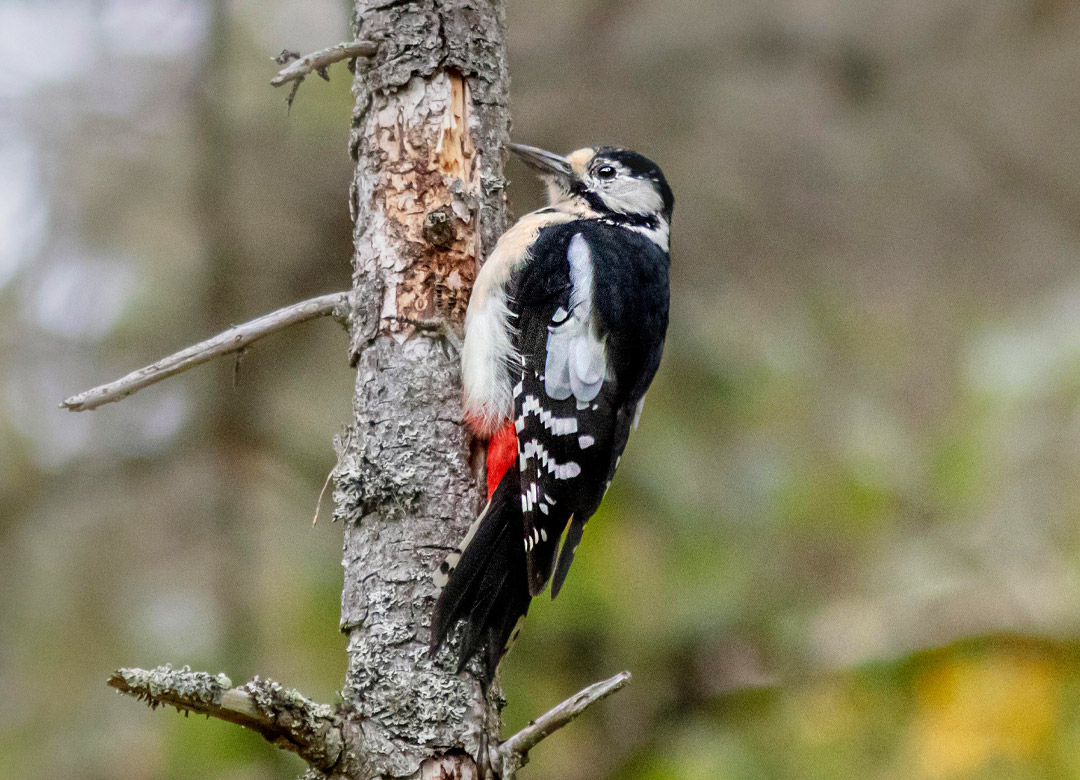
Syrian Woodpecker (Dendrocopos Syriacus)
Woodpeckers
The Syrian woodpecker (Dendrocopos syriacus) is a permanent resident within National Park Pelister and is common in open forest habitats. Its abundance depends on the availability of dead wood and old trees. The population size and trend remain unknown.
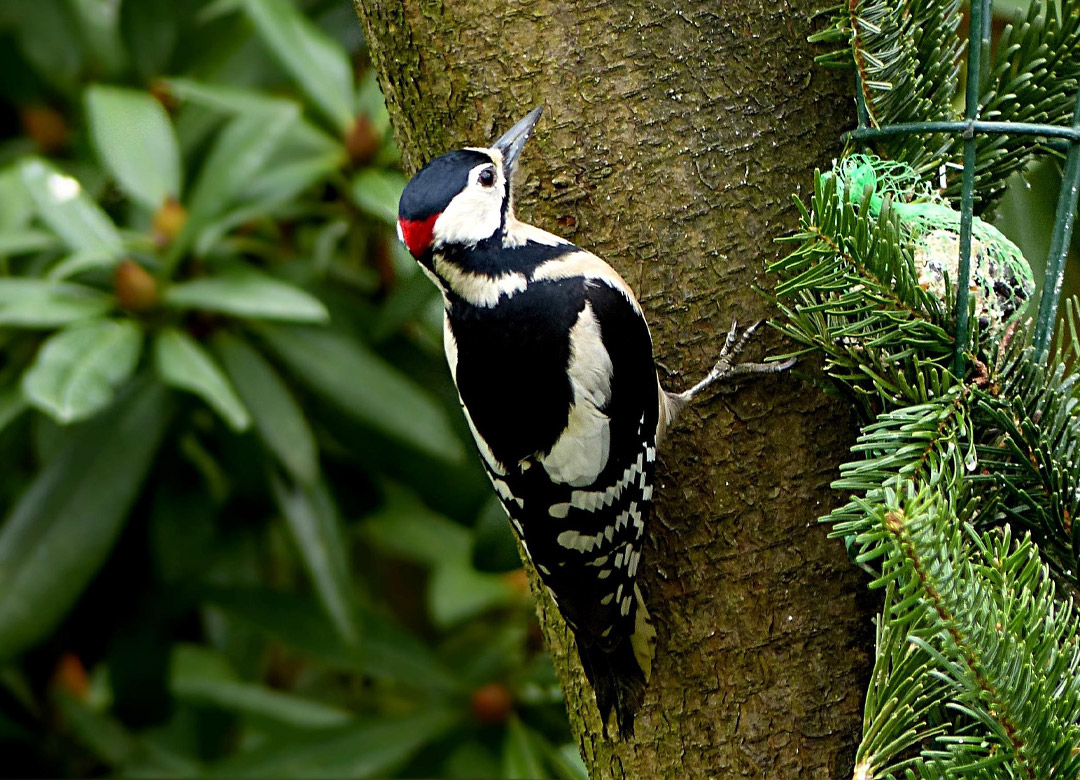
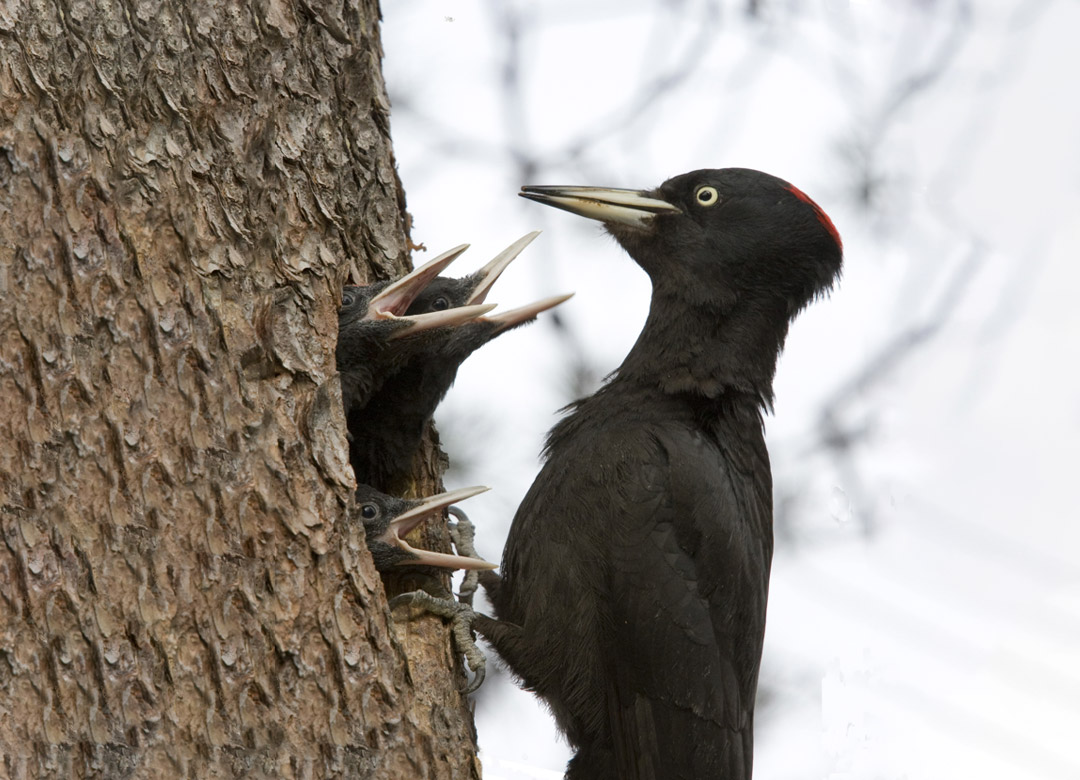
Black Woodpecker (Dryocopus Martius)
Woodpeckers
The Black woodpecker (Dryocopus martius) is a permanent resident within National Park Pelister, occurring as a rare species across all forest types in the park, including both broad-leaved and coniferous forests. Its abundance is dependent on the availability of dead wood and old-growth trees. The population size and trend remain unknown.
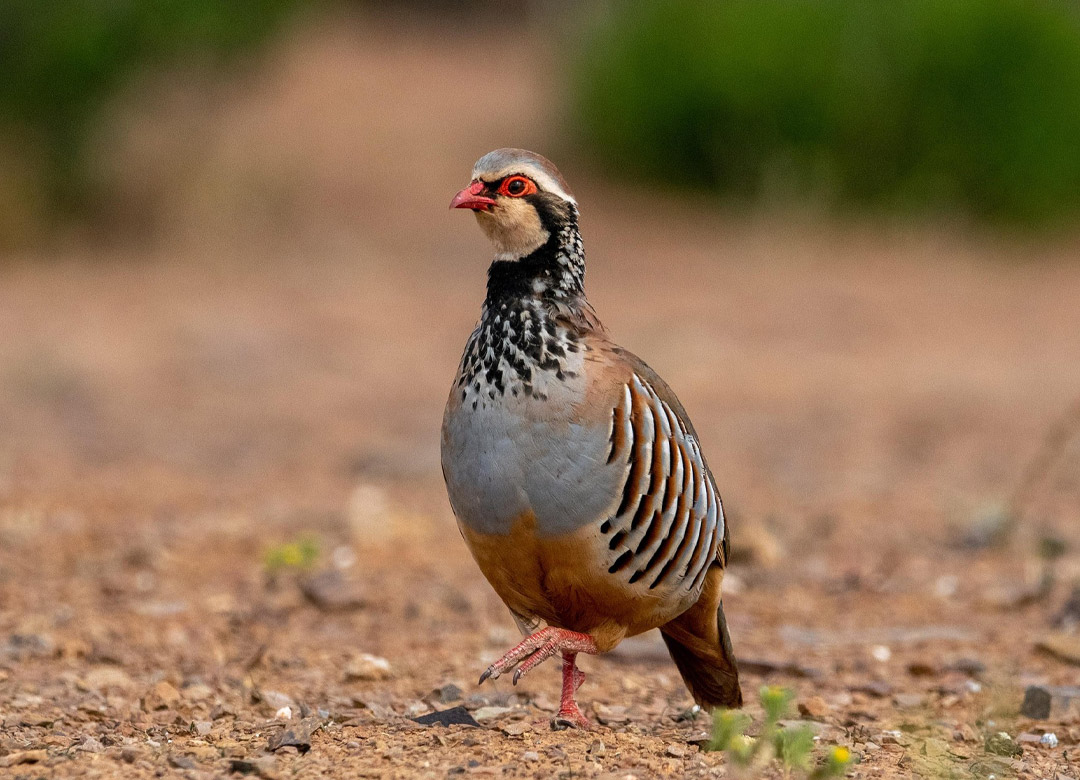
Rock Partridge (Alectoris Graeca)
Копнени птици (Ground & Upland birds)
The Rock partridge (Alectoris graeca) is a permanent resident and breeding species within National Park Pelister. Its population is likely declining due to the overgrowth and succession of its suitable habitats, which include high-altitude rocky areas and open semi-natural grasslands.
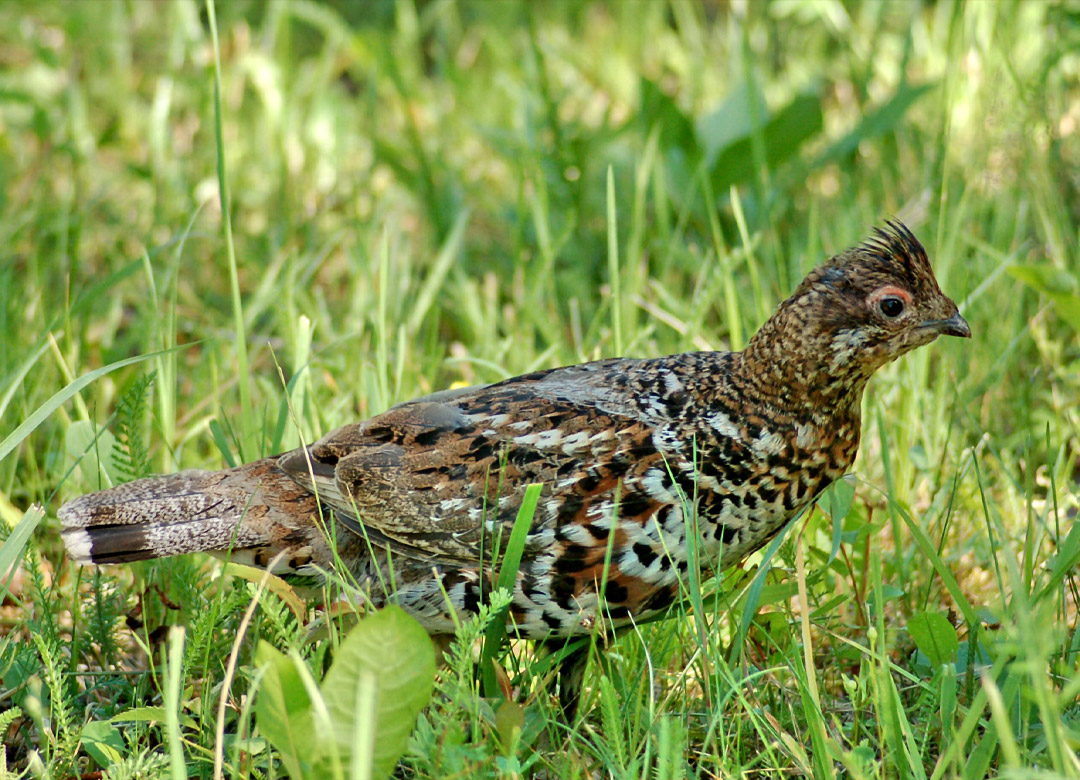
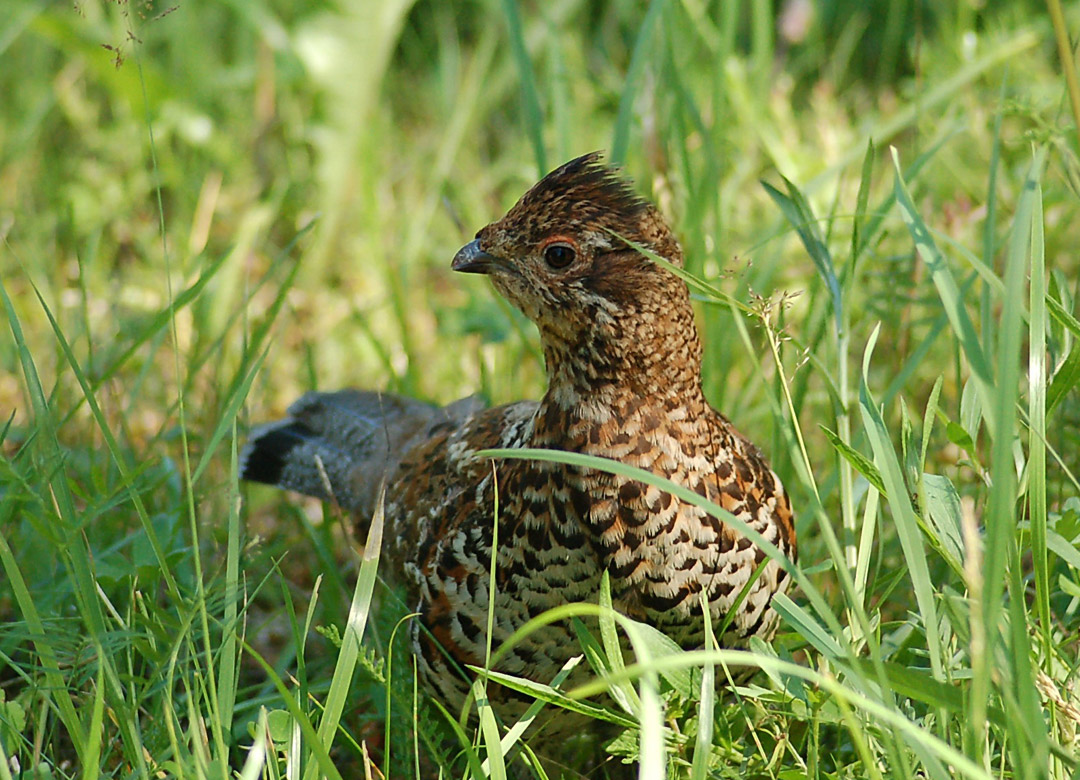
Hazel Grouse (Tetrastes Bonasia)
Копнени птици (Ground & Upland birds)
The Hazel grouse (Tetrastes bonasia) is a permanent resident and breeding species within National Park Pelister. It predominantly occurs in forest habitats, particularly mixed or broad-leaved forests, but can also be encountered in the lower parts of the alpine belt within the park. It requires trees or shrubs for cover to hide from predators.
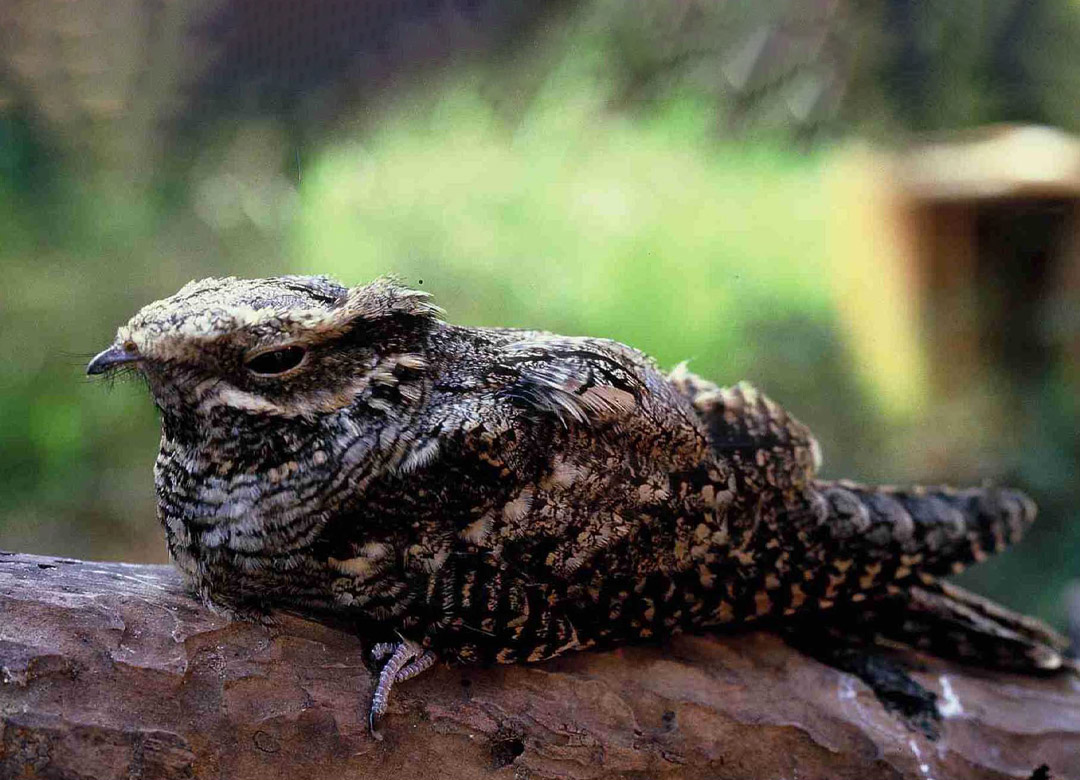
European Nightjar (Caprimulgus Europaeus)
Nocturnal Insectivorous Birds
The European nightjar (Caprimulgus europaeus) is a breeding and migratory species within National Park Pelister, typical of Mediterranean and mountain forest habitats. The European nightjar inhabits open, semi-open, and nearly closed forest ecosystems. It hunts insects in open areas during the evening hours.
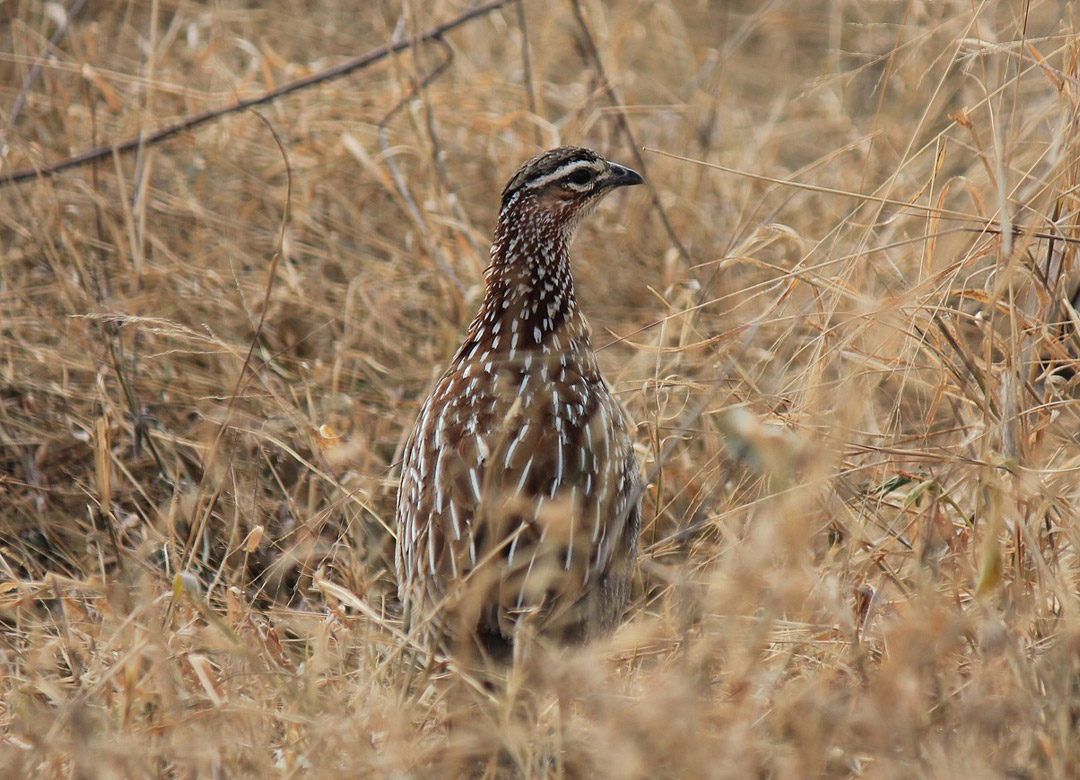
Corn Crake (Crex Crex )
Passerines / Songbirds
The Corn crake (Crex crex) is a probable permanent breeder or occasional breeding species within National Park Pelister. The corn crake inhabits grassland ecosystems, preferring areas with tall vegetation that provides cover from predators. Typically, hay meadows serve as suitable nesting habitats for the corn crake.
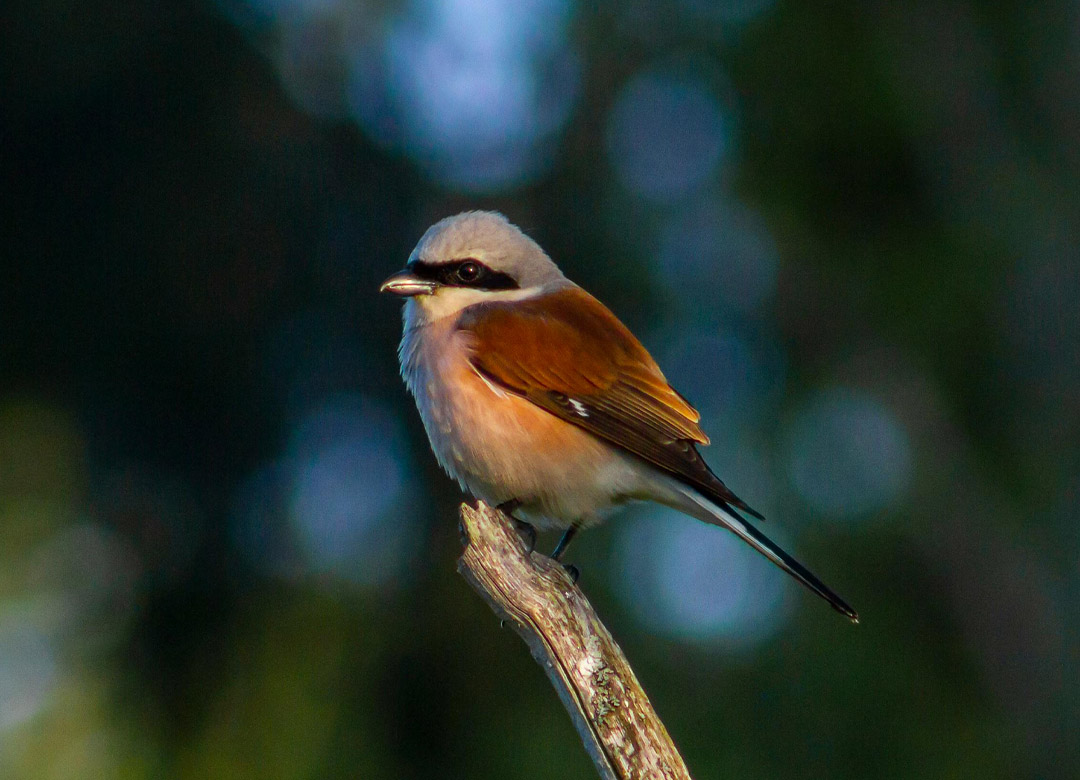
Red - Backed Shrike (Lanius collurio)
Passerines / Songbirds
The Red-backed shrike (Lanius collurio) is a breeding and migratory species within National Park Pelister. This species is quite common in open habitats partially overgrown with low-growing woody vegetation and shrubs. All shrike species prefer semi-open landscapes, which are typically well-maintained through traditional livestock grazing.
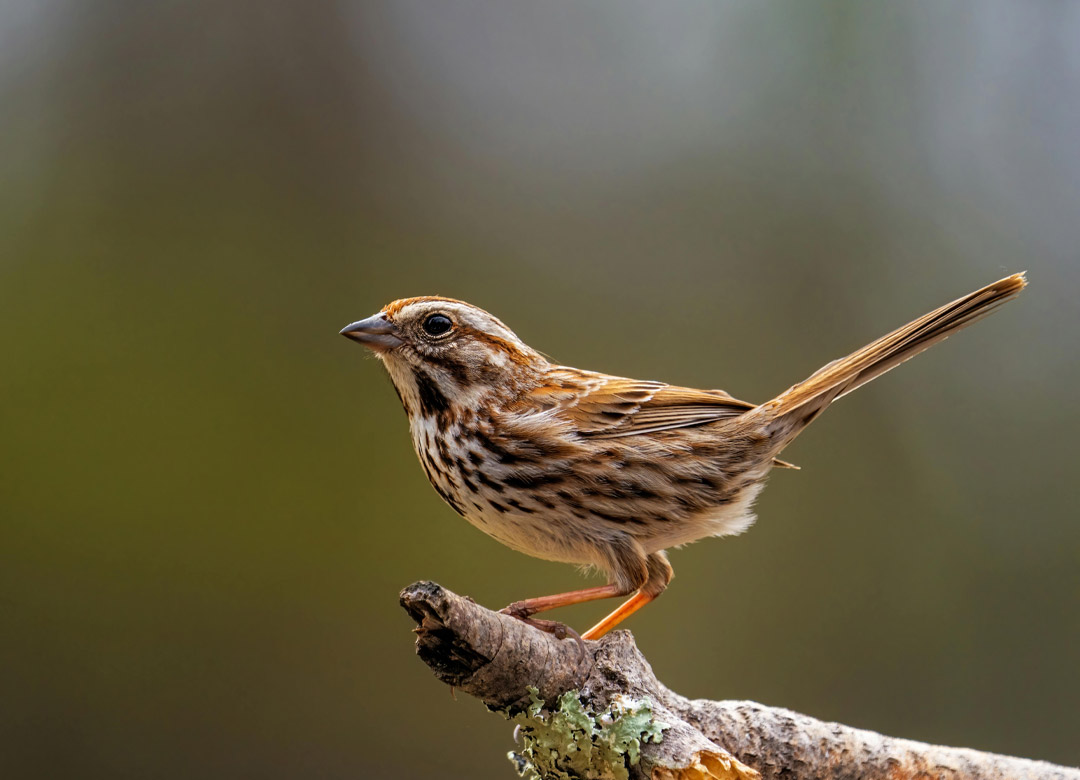
Woodlark (Lullula Arborea)
Passerines / Songbirds
The Woodlark (Lullula arborea) is a breeding species within National Park Pelister, inhabiting semi-open forest environments. The woodlark prefers semi-open habitats and young forests with young trees. It can also be encountered in clearings, though these typically serve only as temporary habitats. The species may additionally be found in the lower parts of alpine habitats, reaching up to the forest edge.
Red-Billed Chough ( Pyrrhocorax Pyrrhocorax)
Passerines / Songbirds
The Red-billed chough (Pyrrhocorax pyrrhocorax) is a rare permanent resident and breeding species within National Park Pelister. It nests in rocky areas within the alpine zone of the mountains and forages for food in open spaces. The species remains social throughout the year.