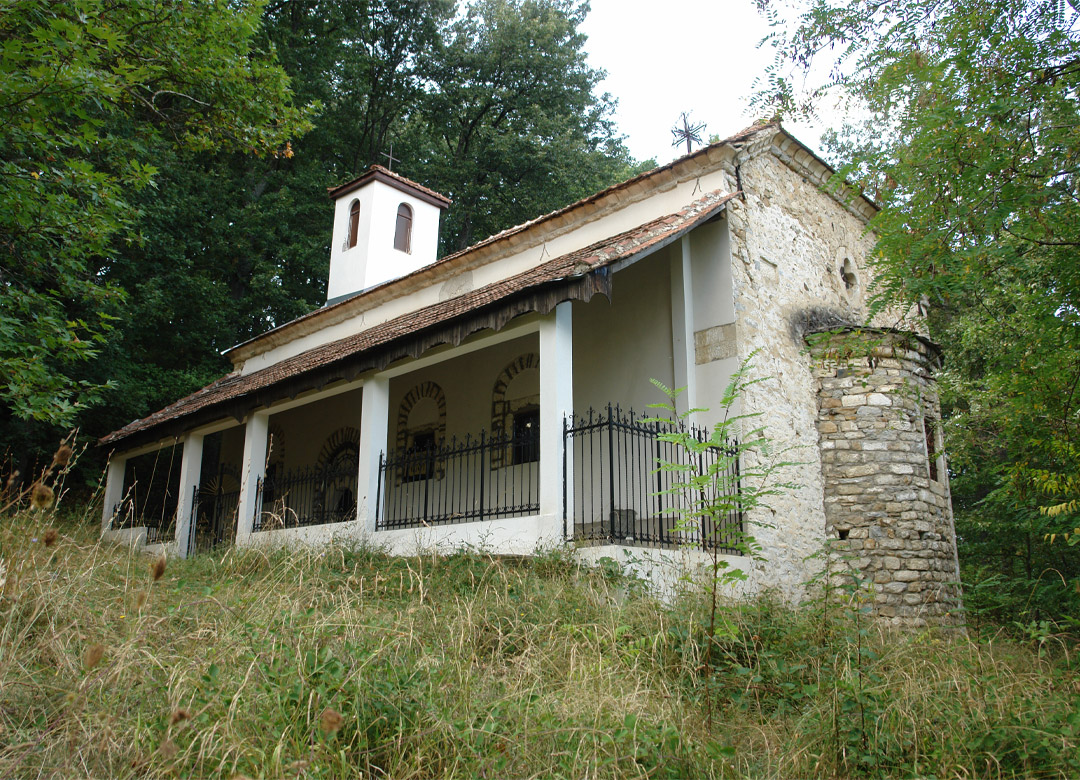
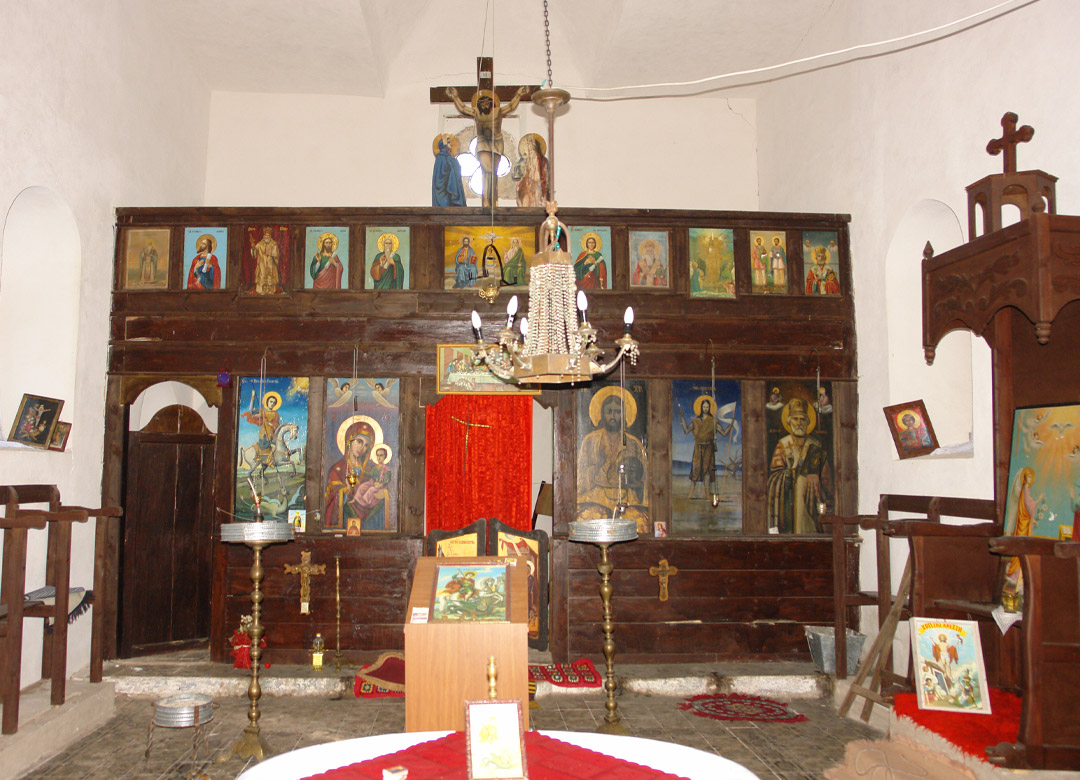
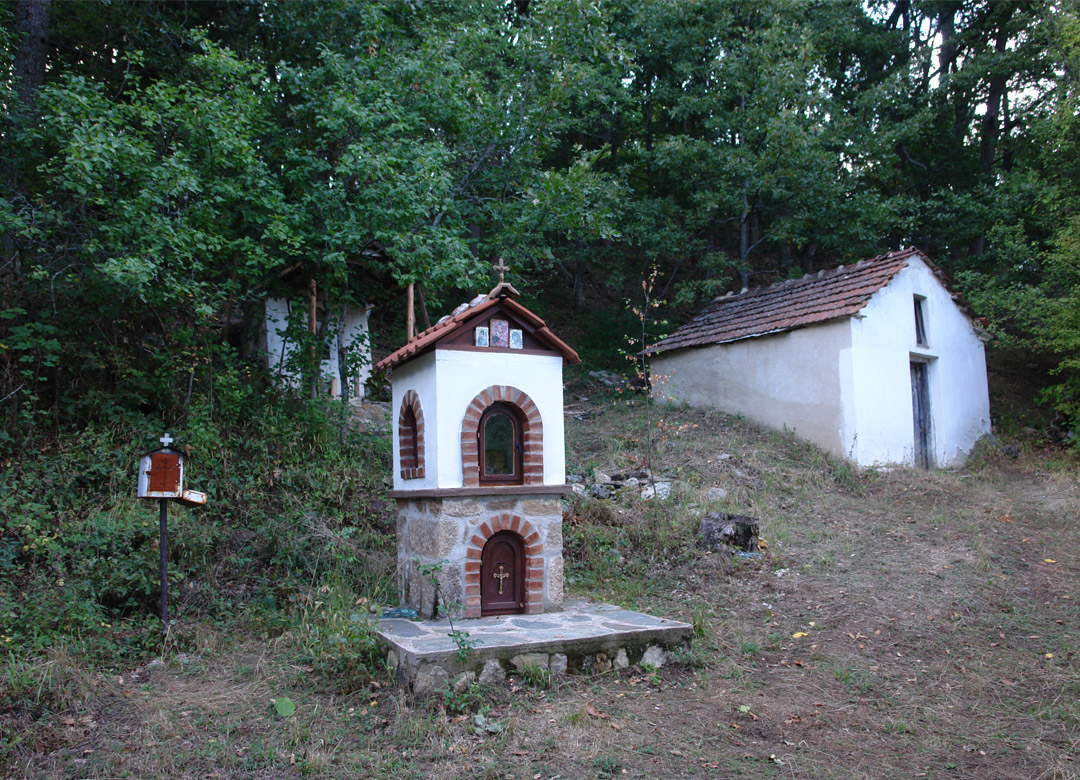
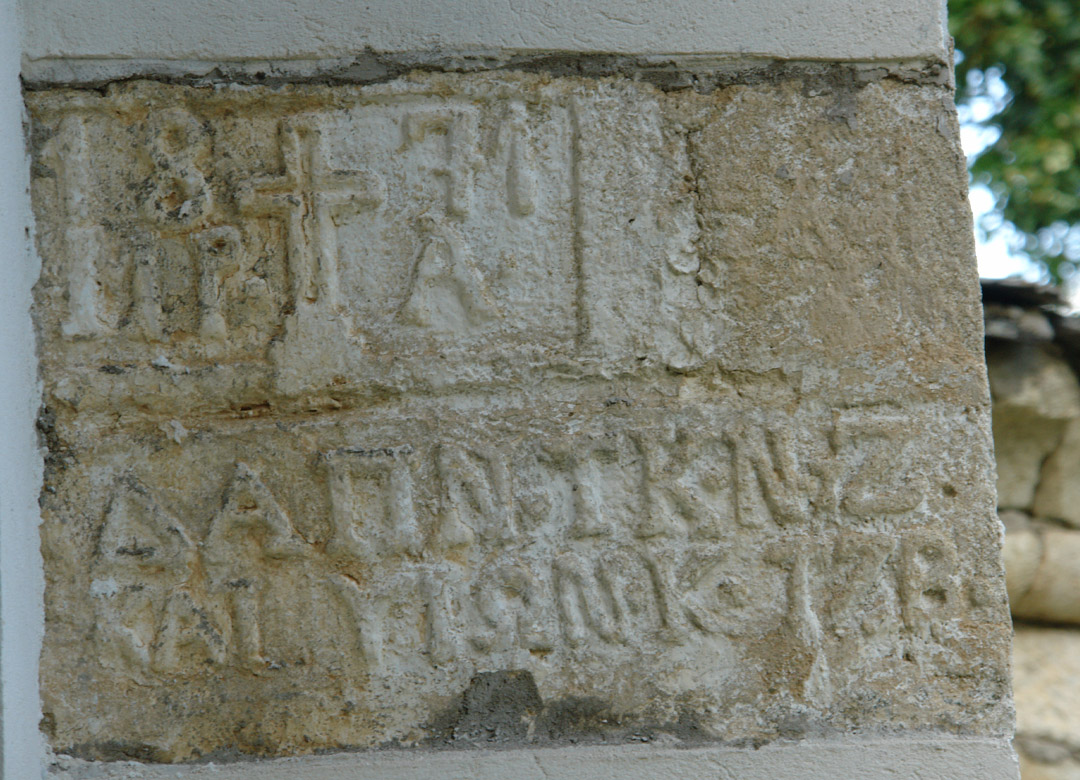
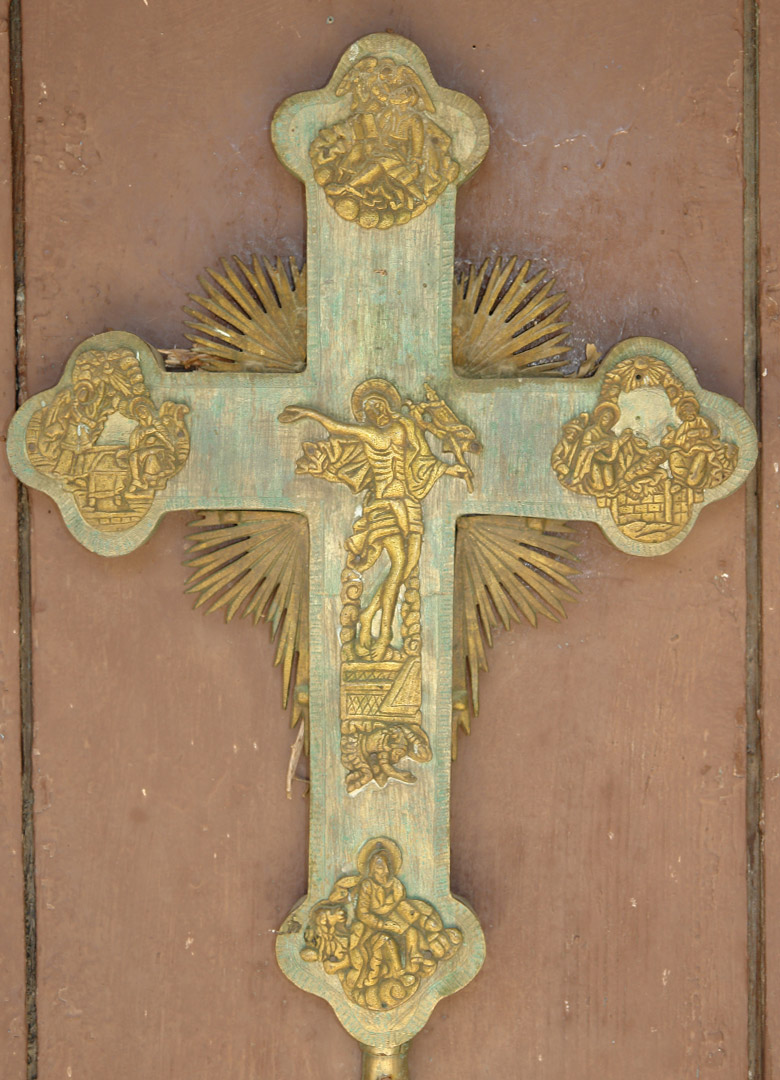
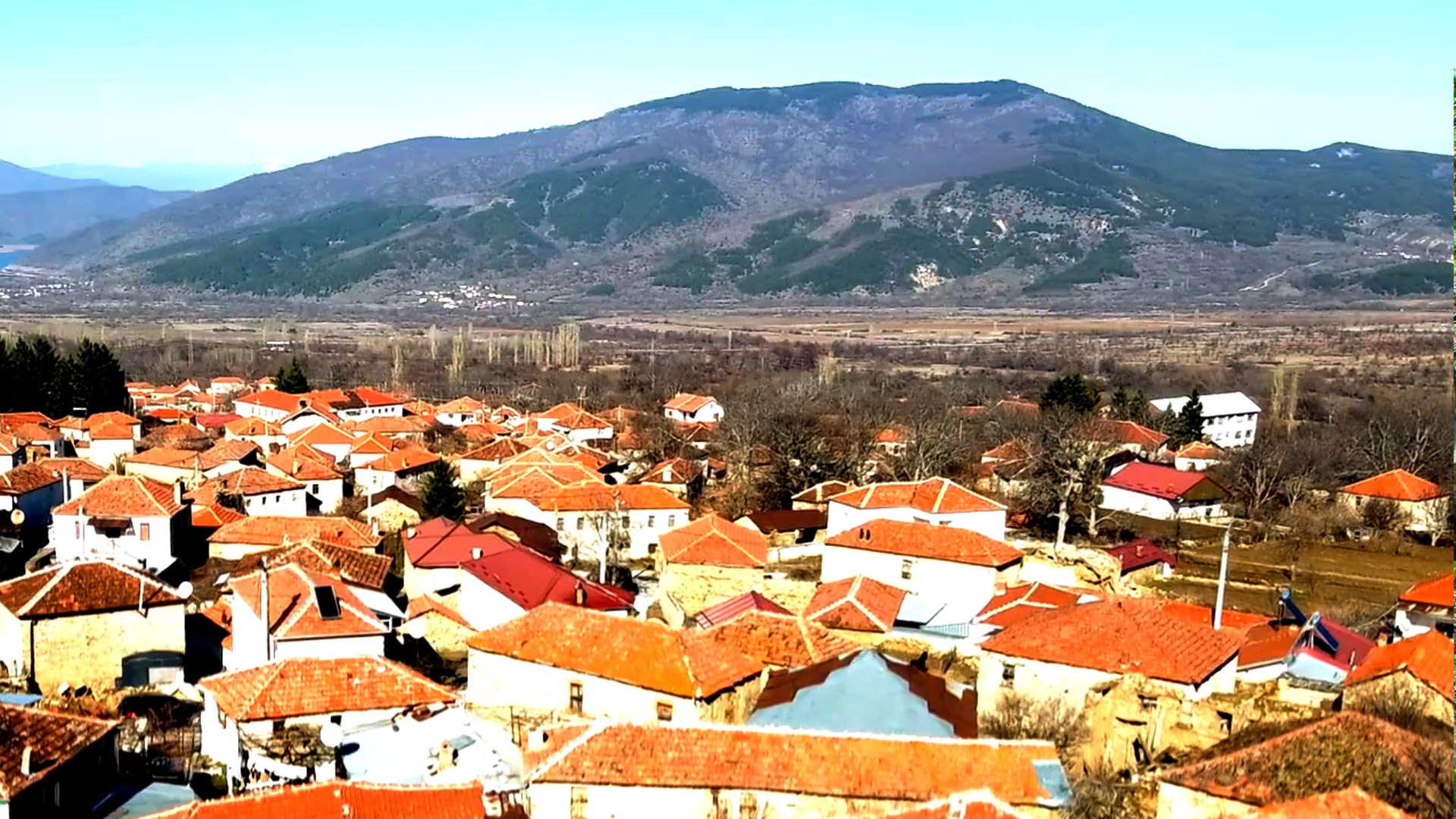
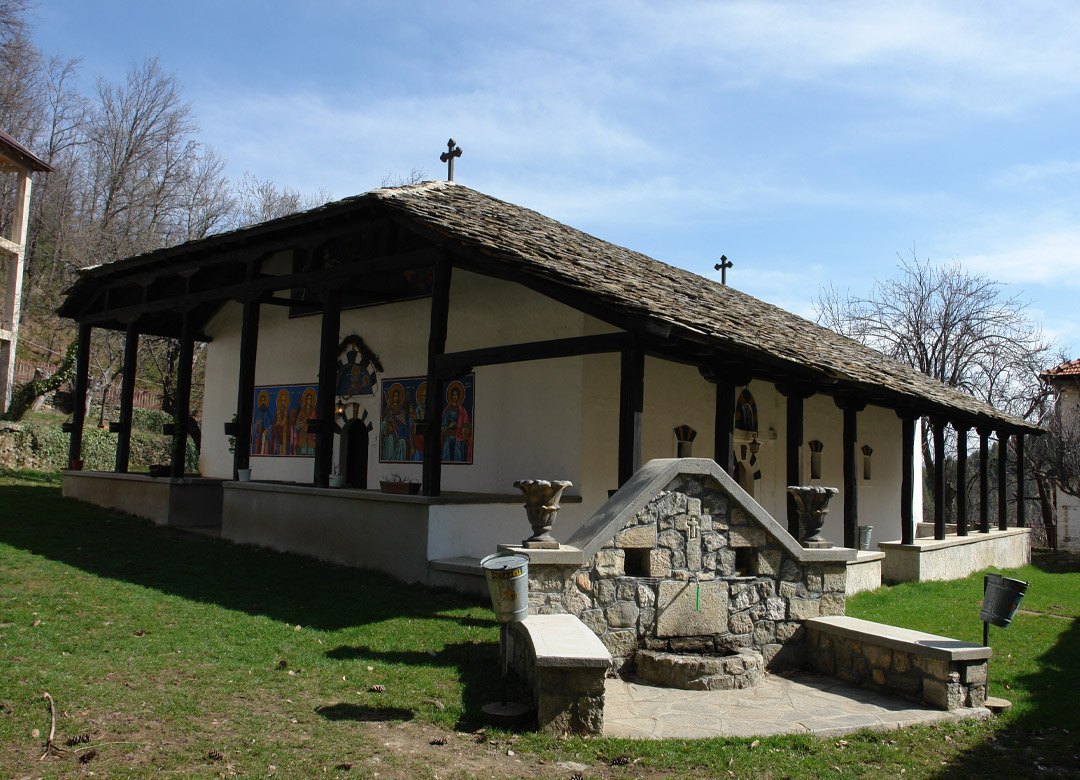
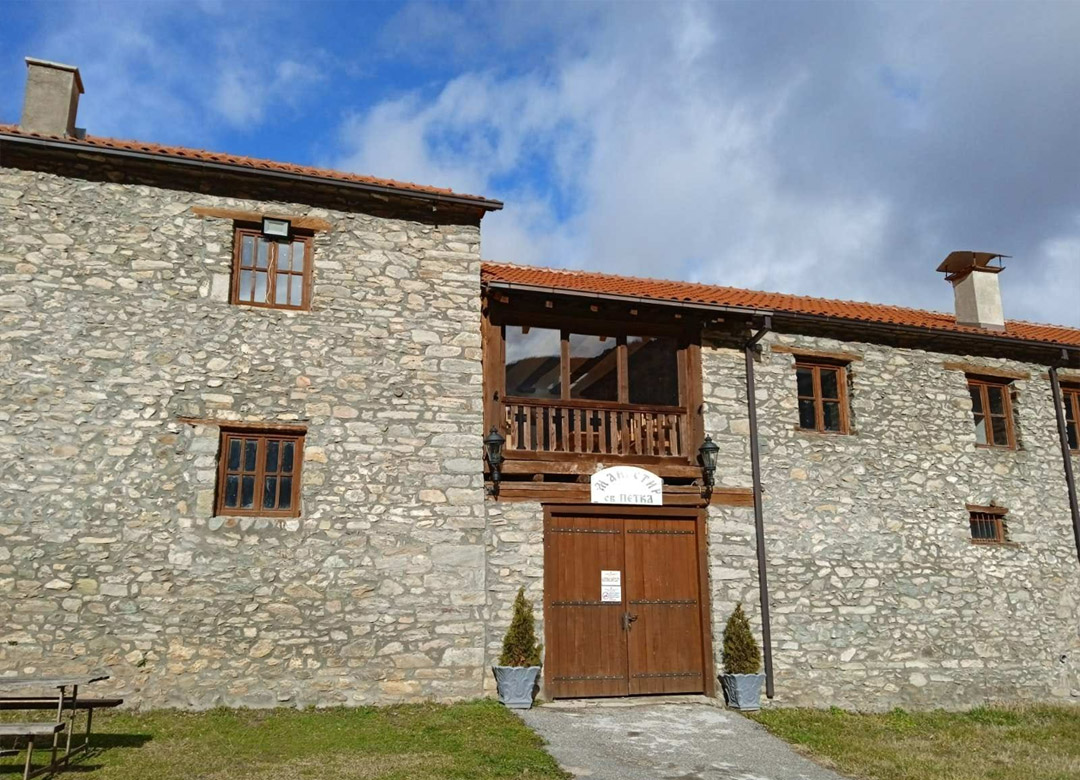
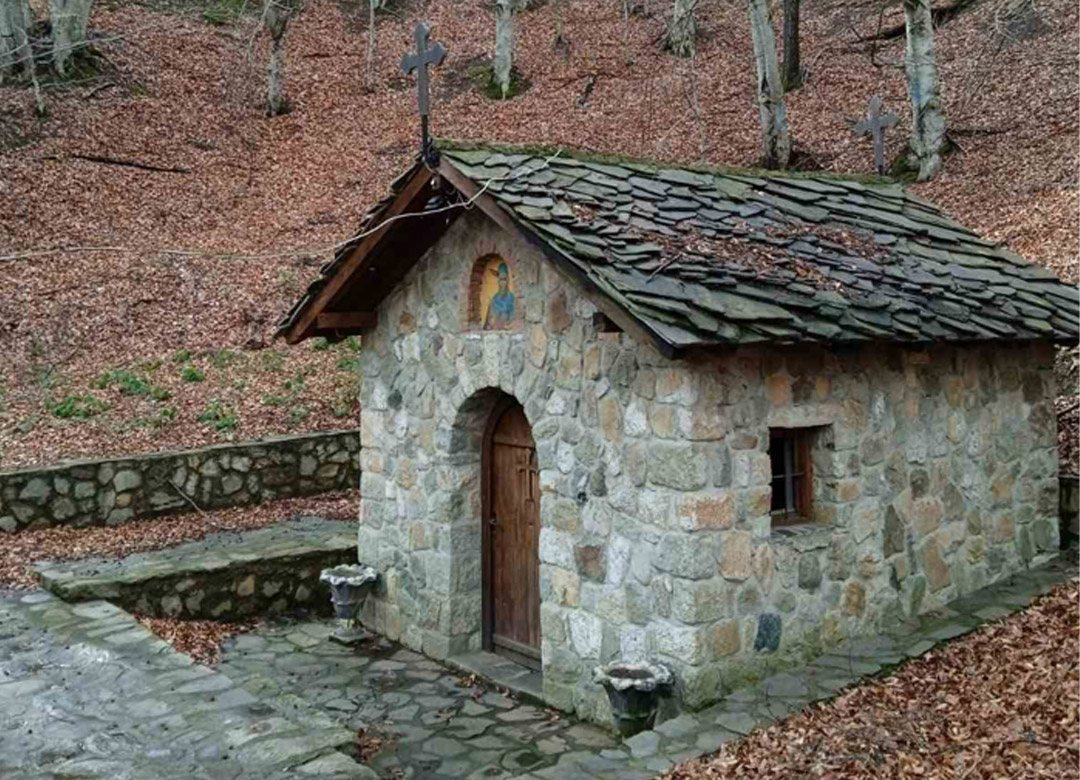
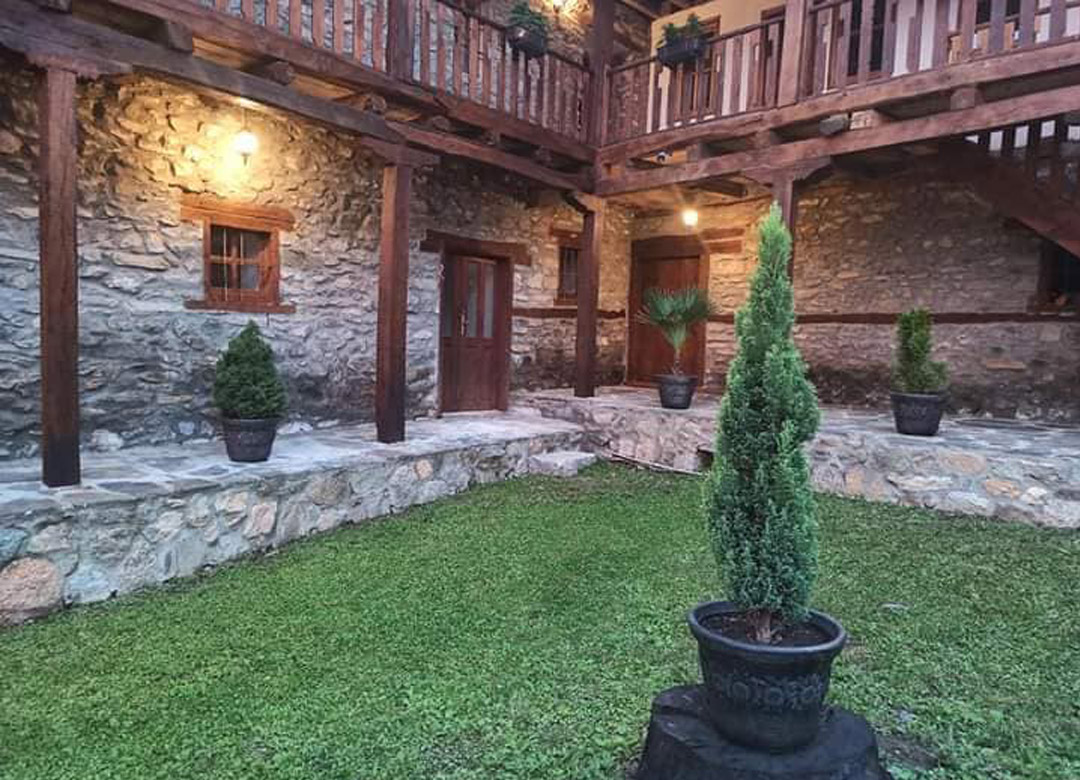
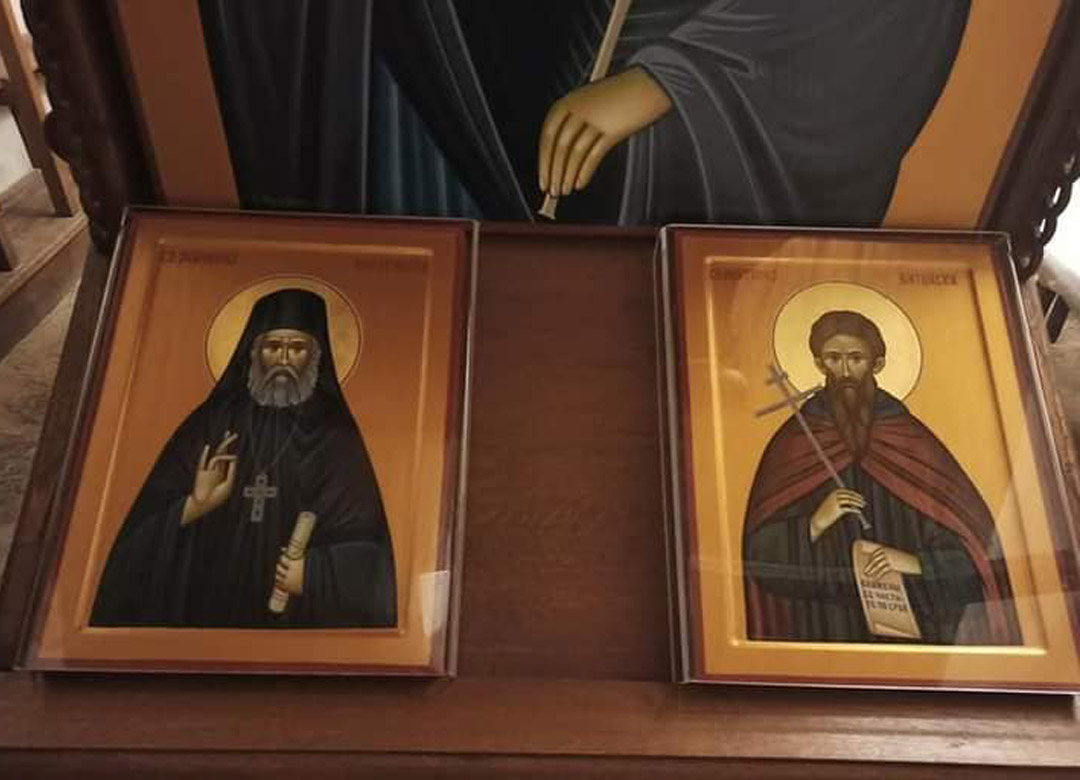
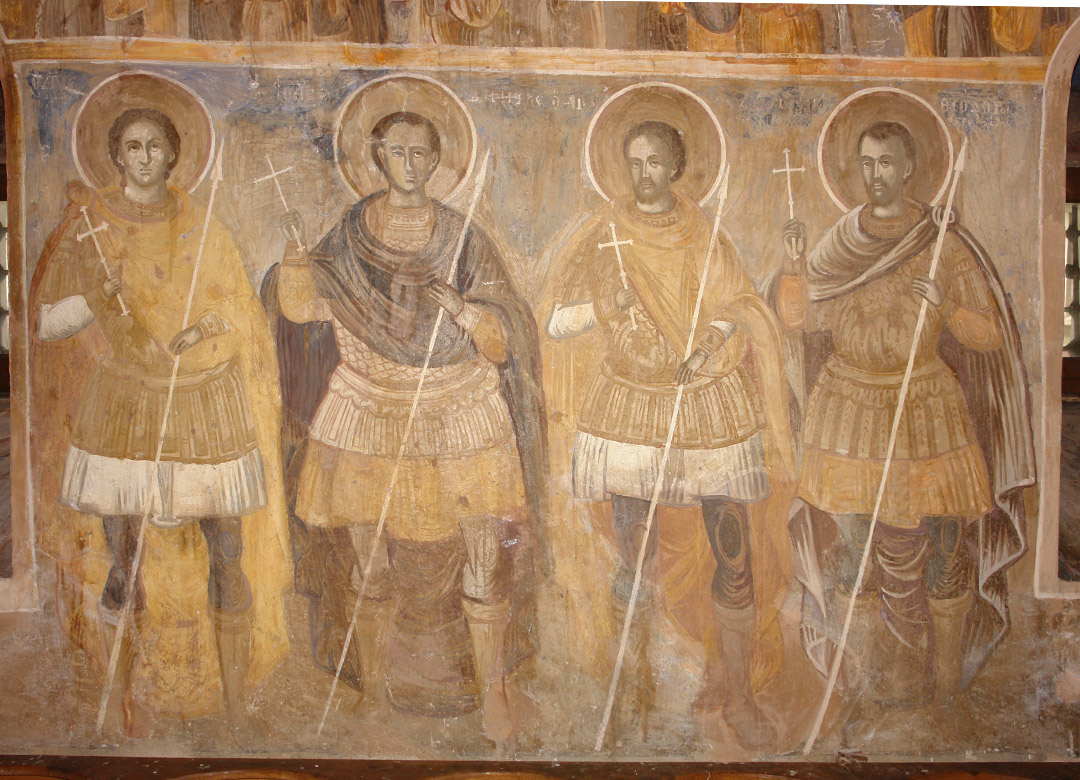
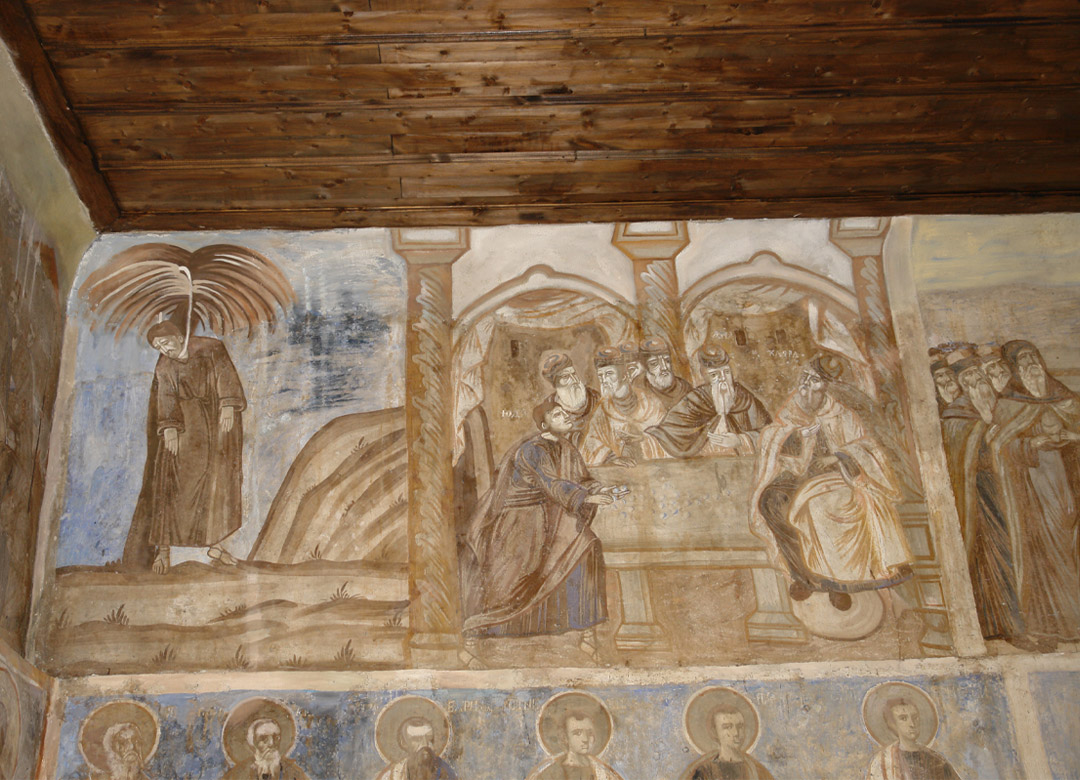
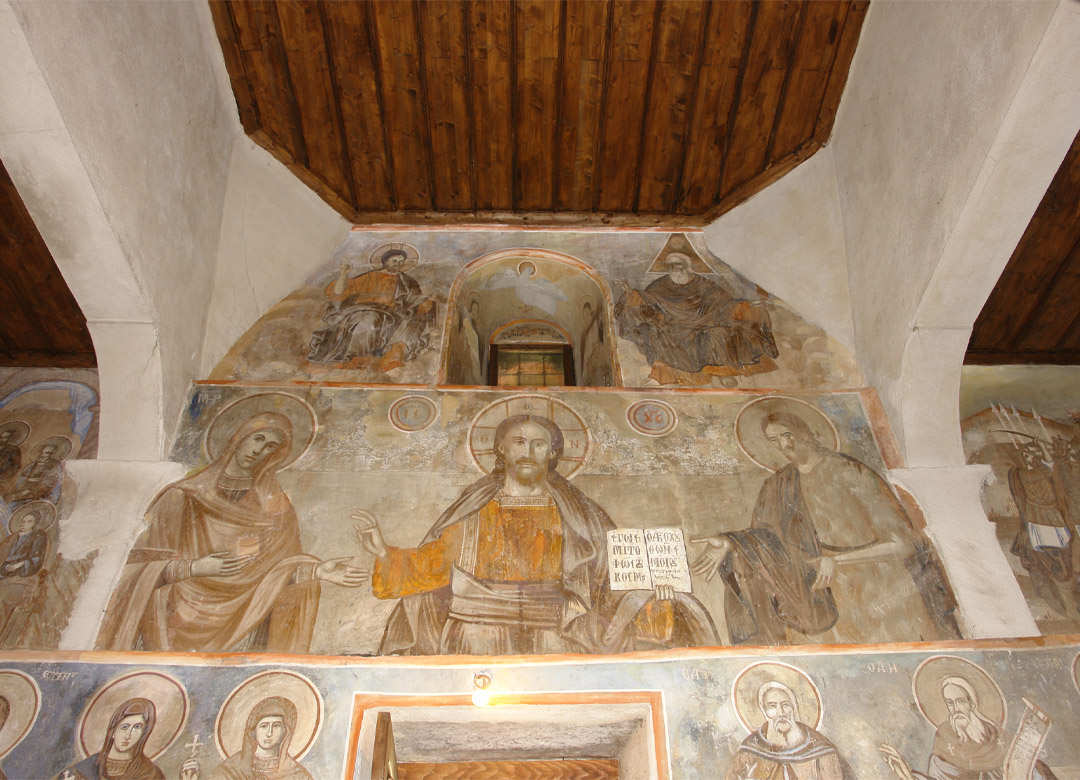
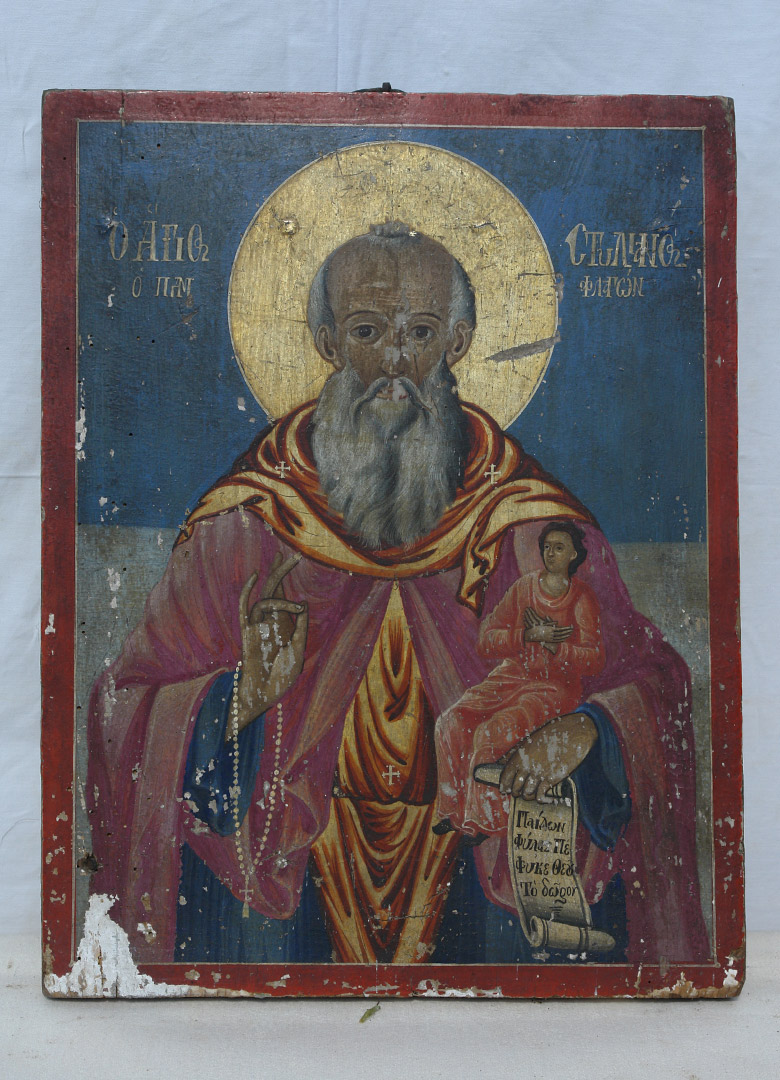
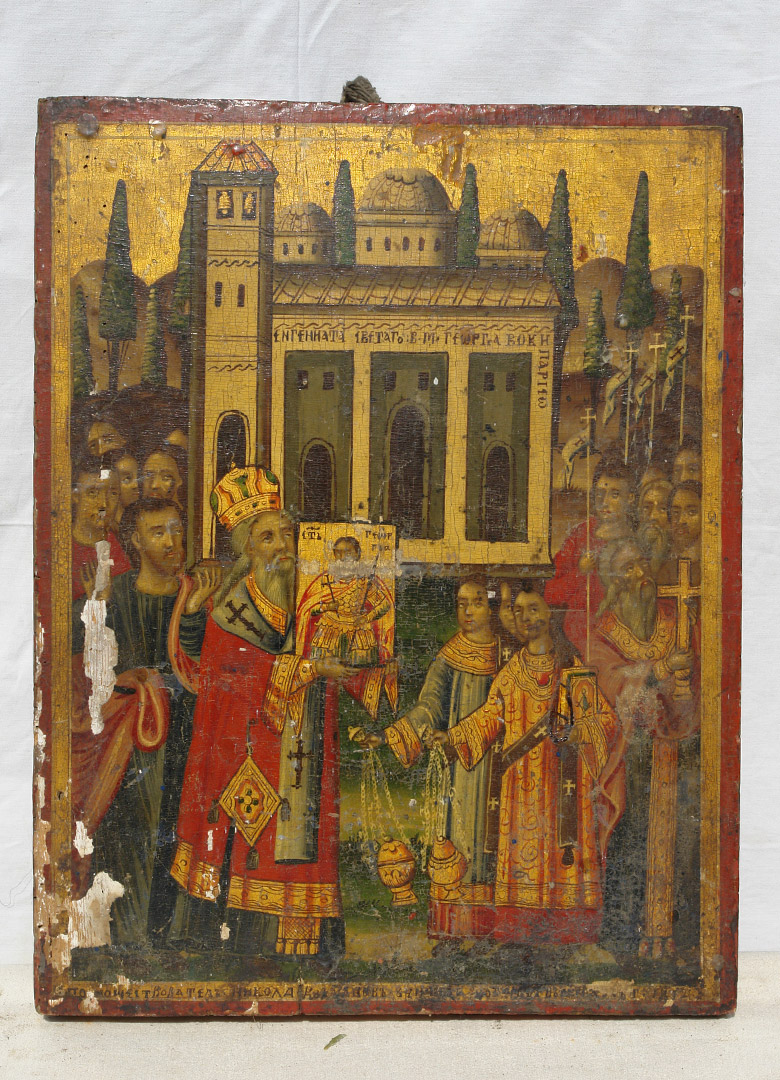
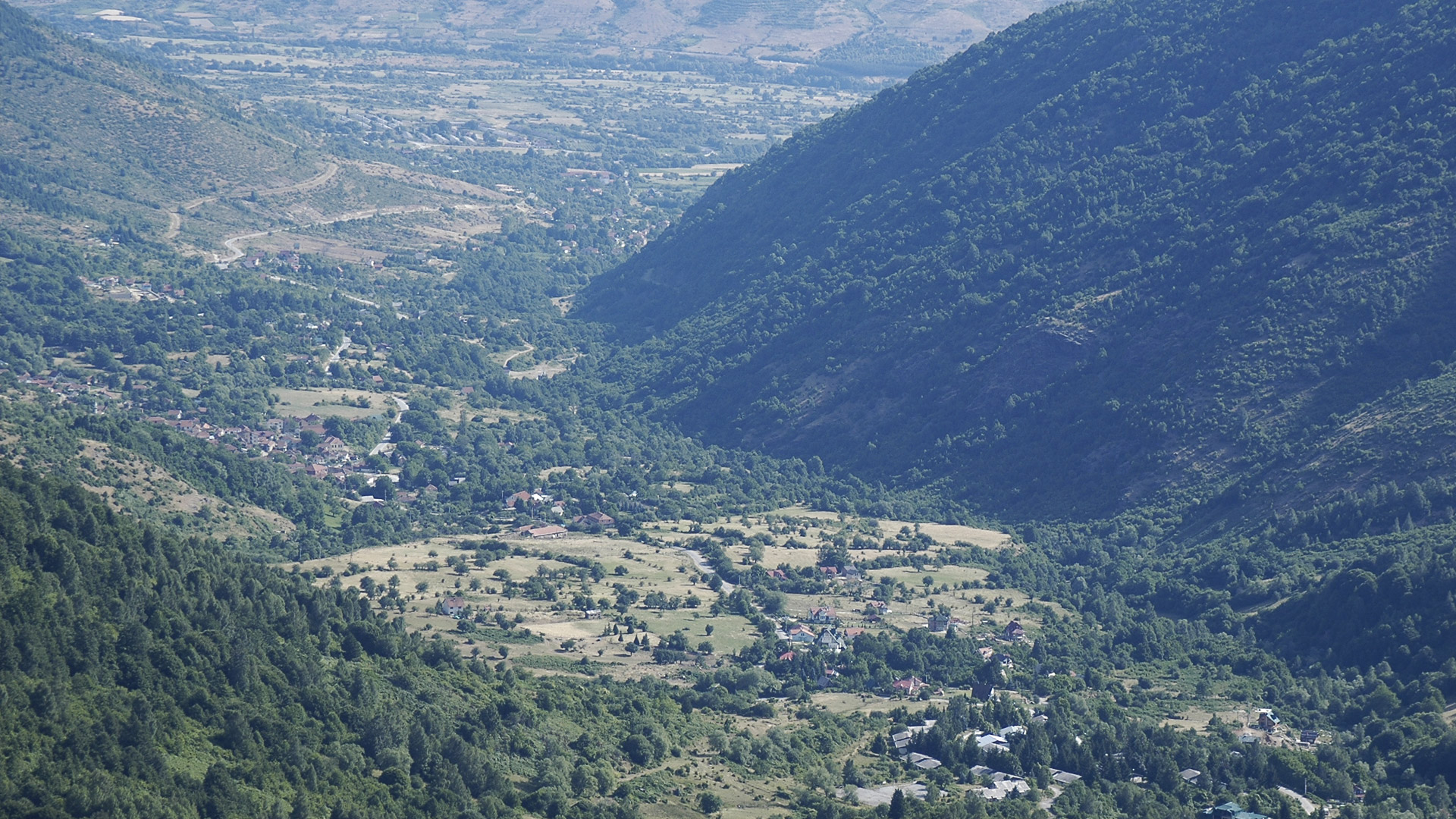
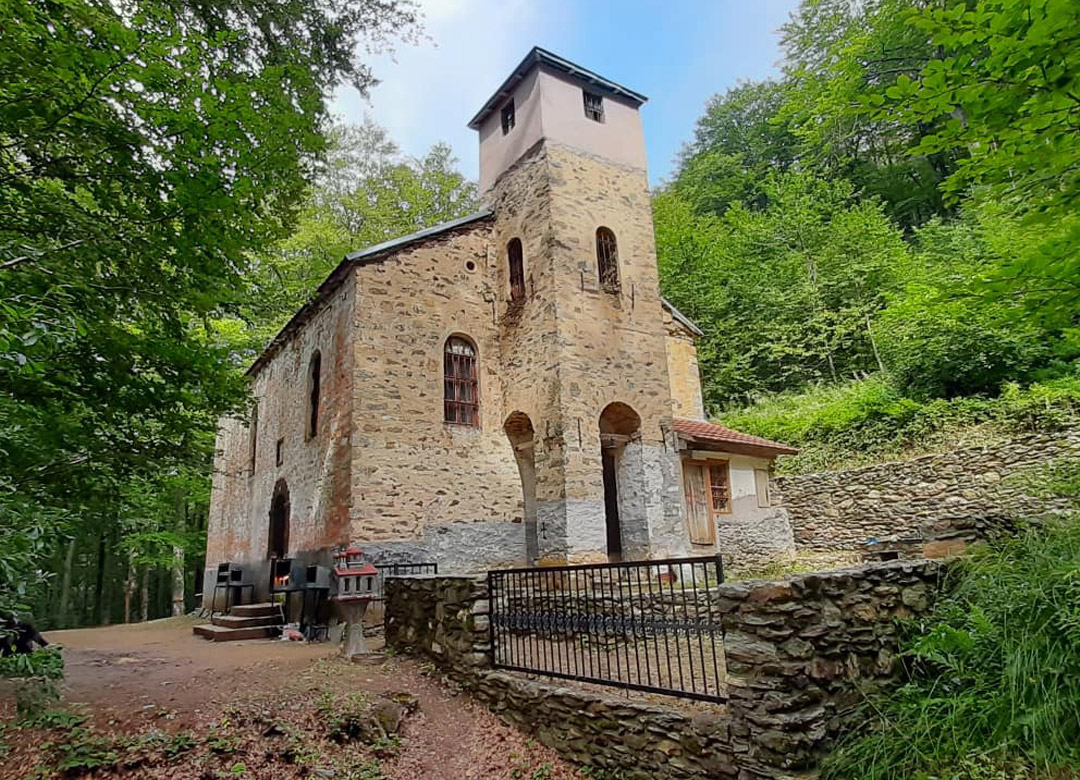
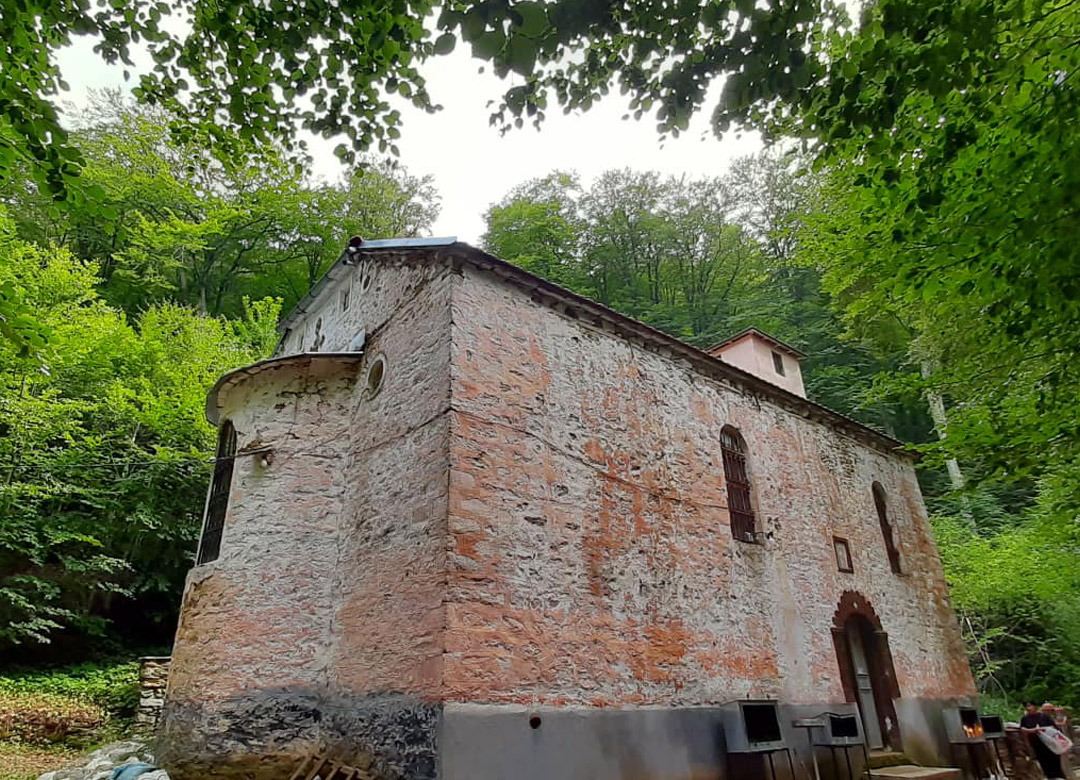
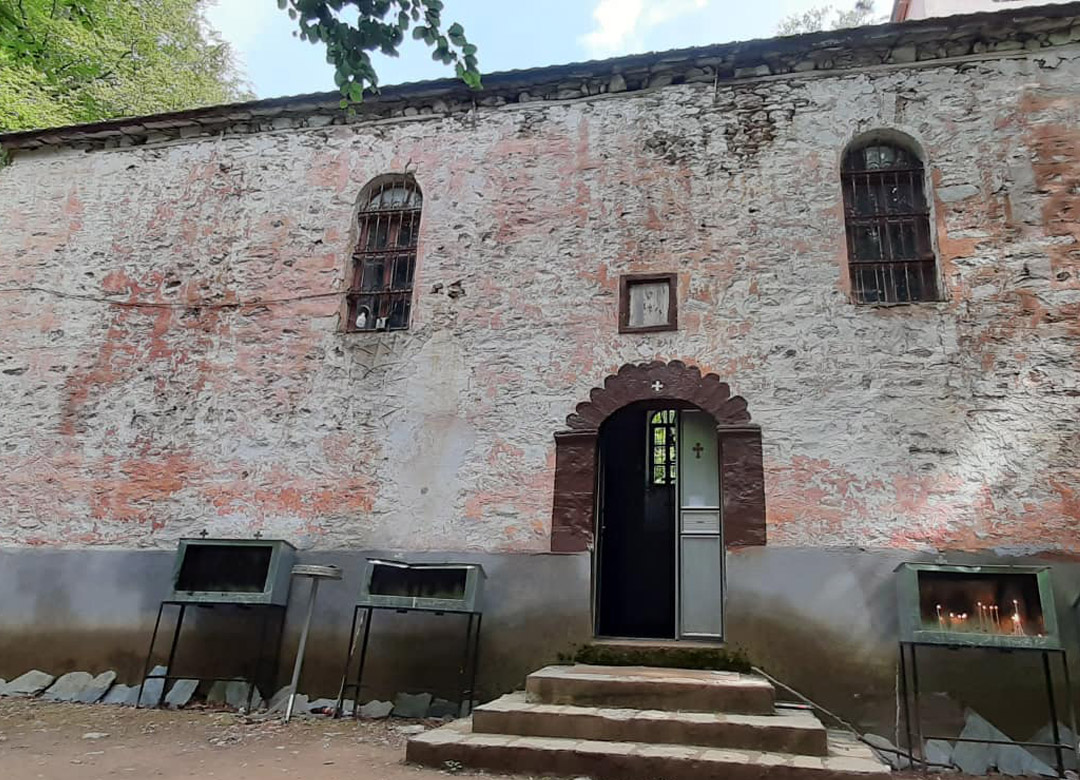
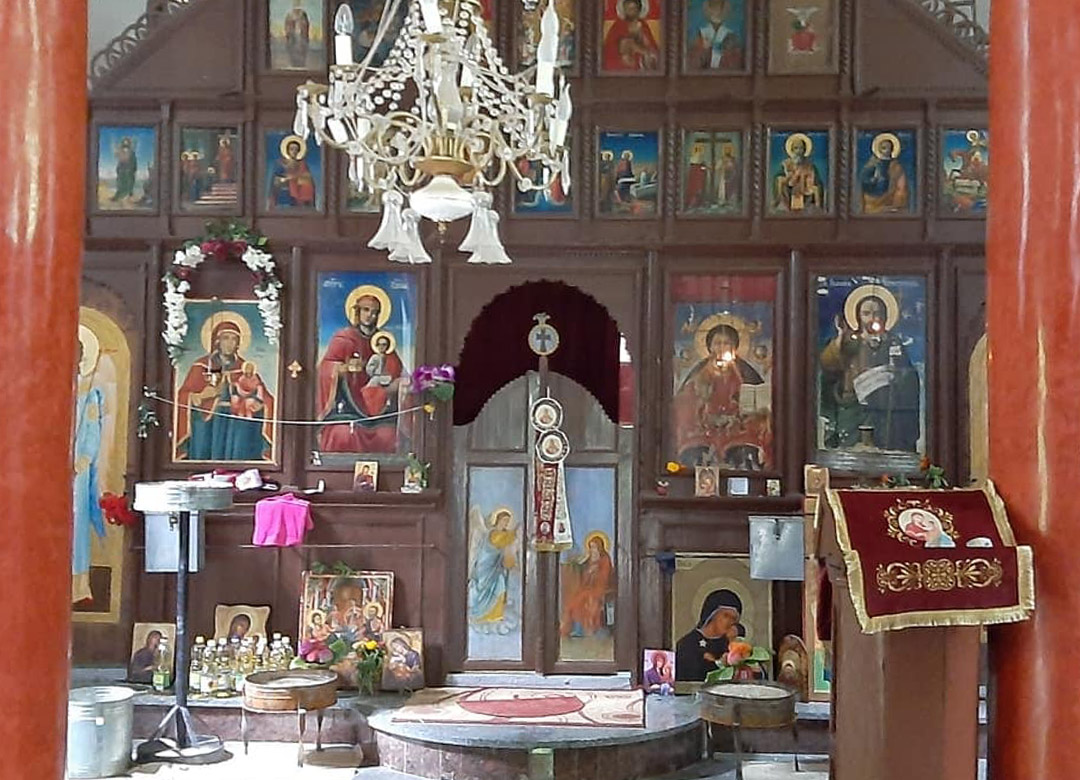
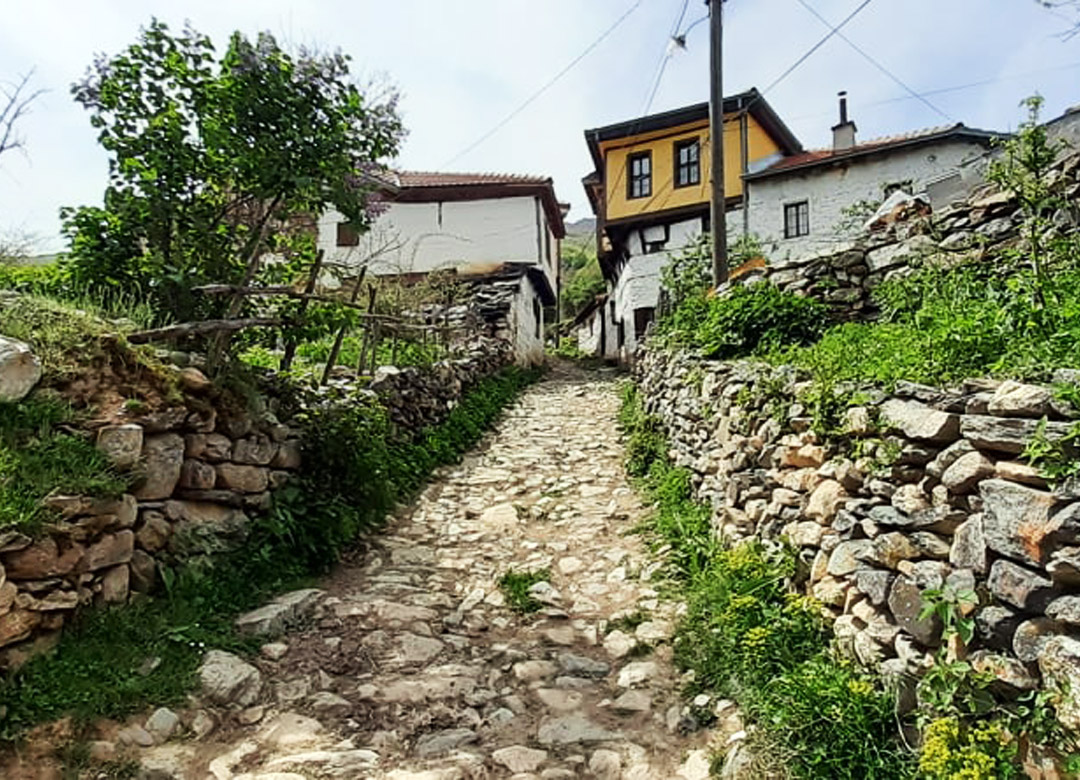
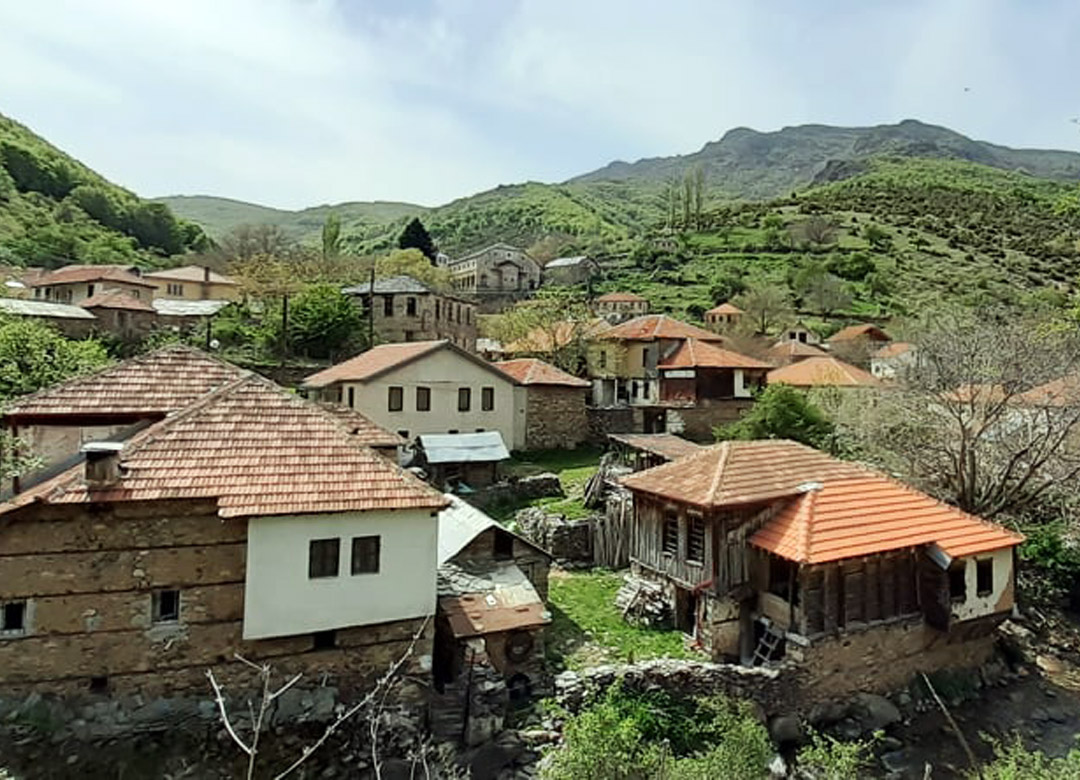
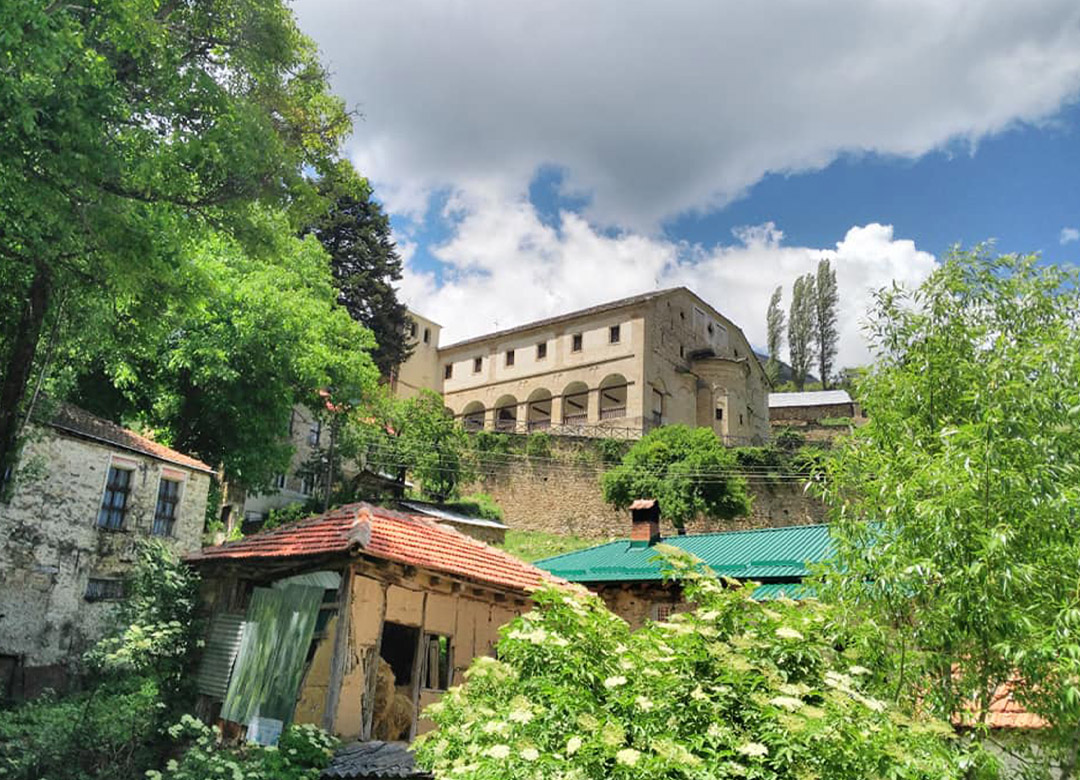
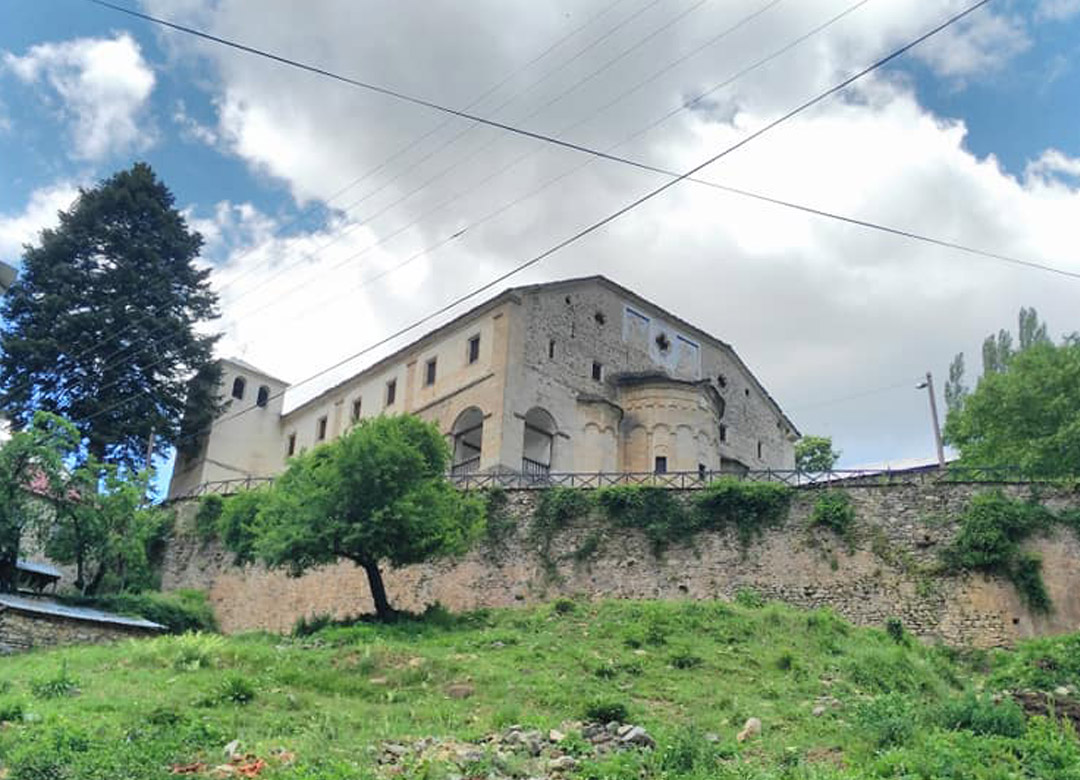
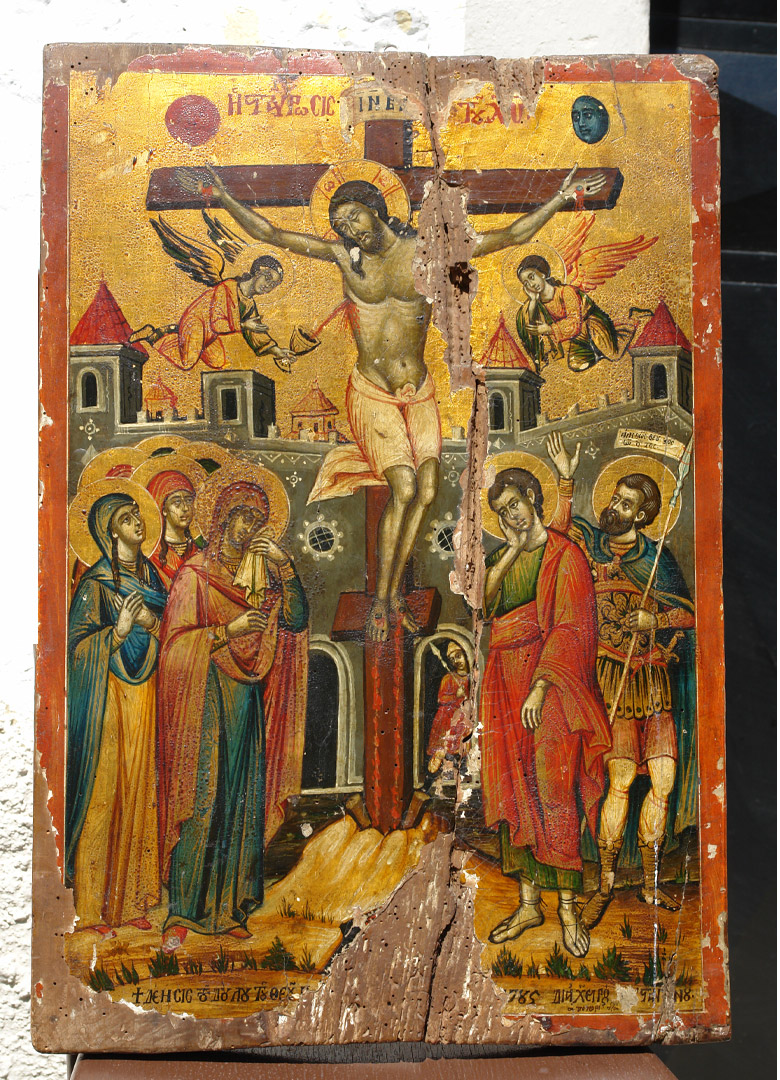
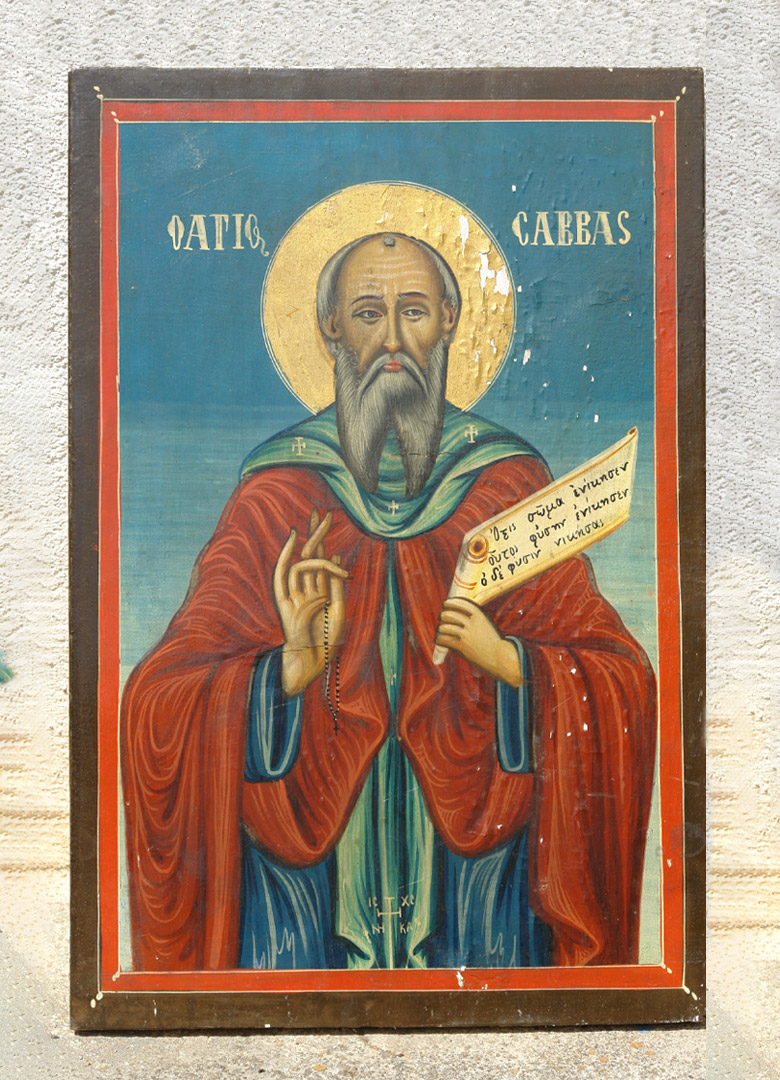
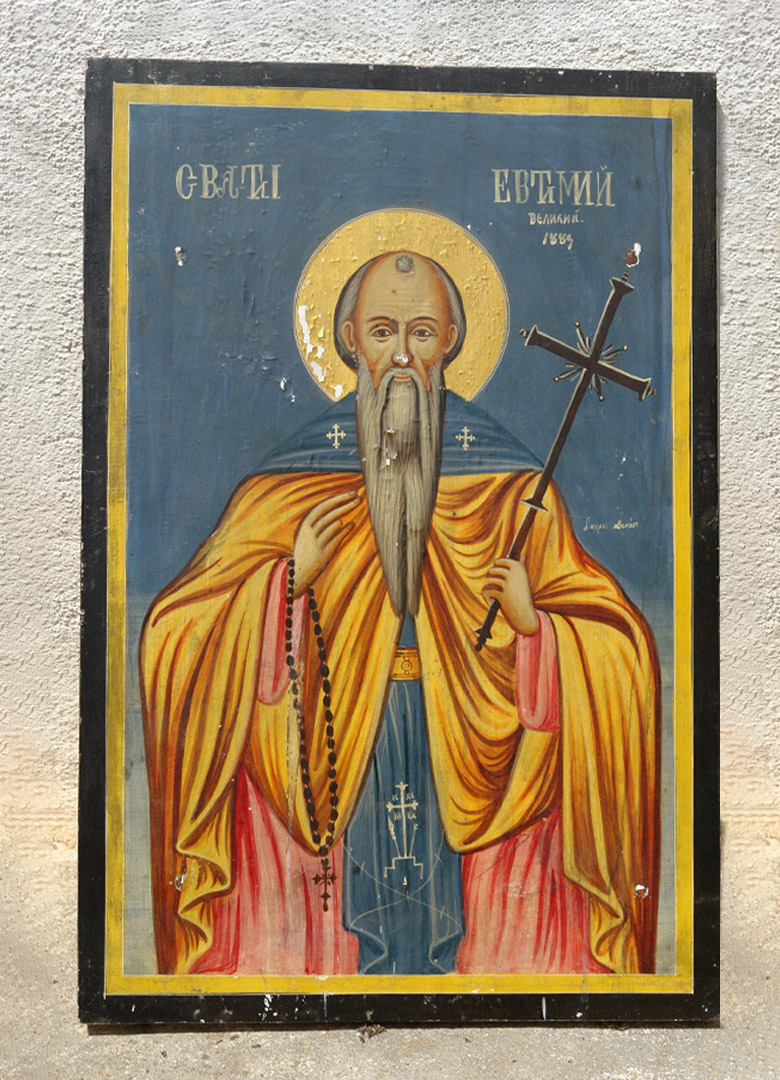
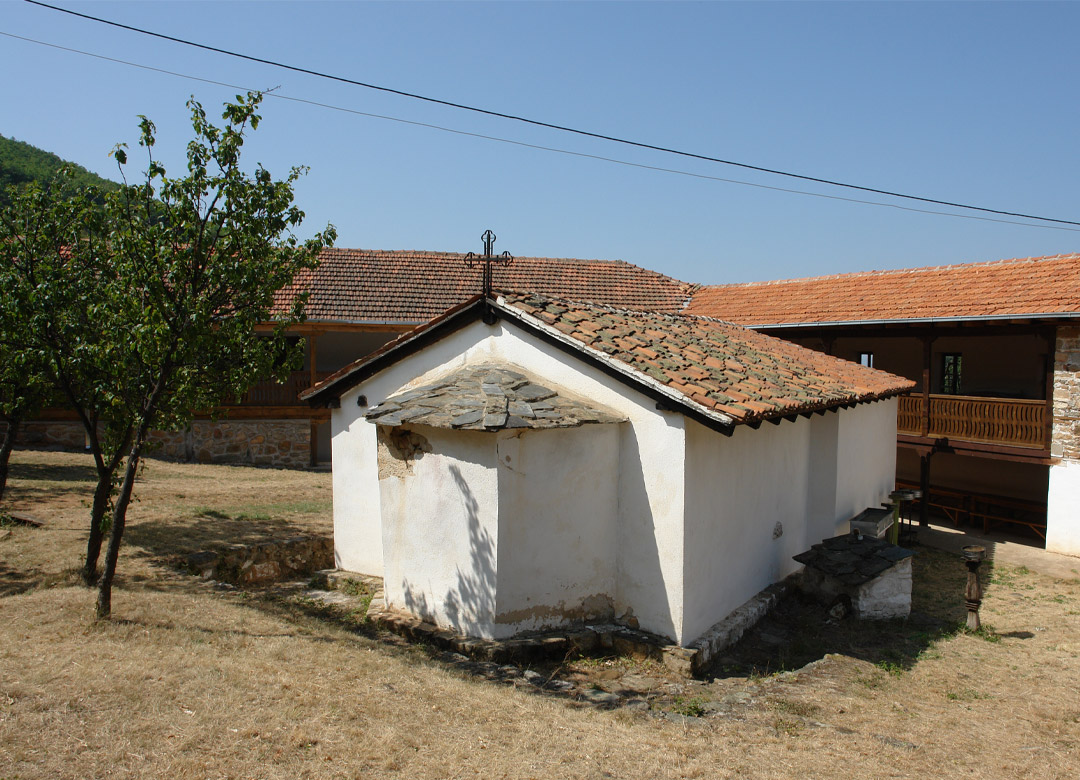
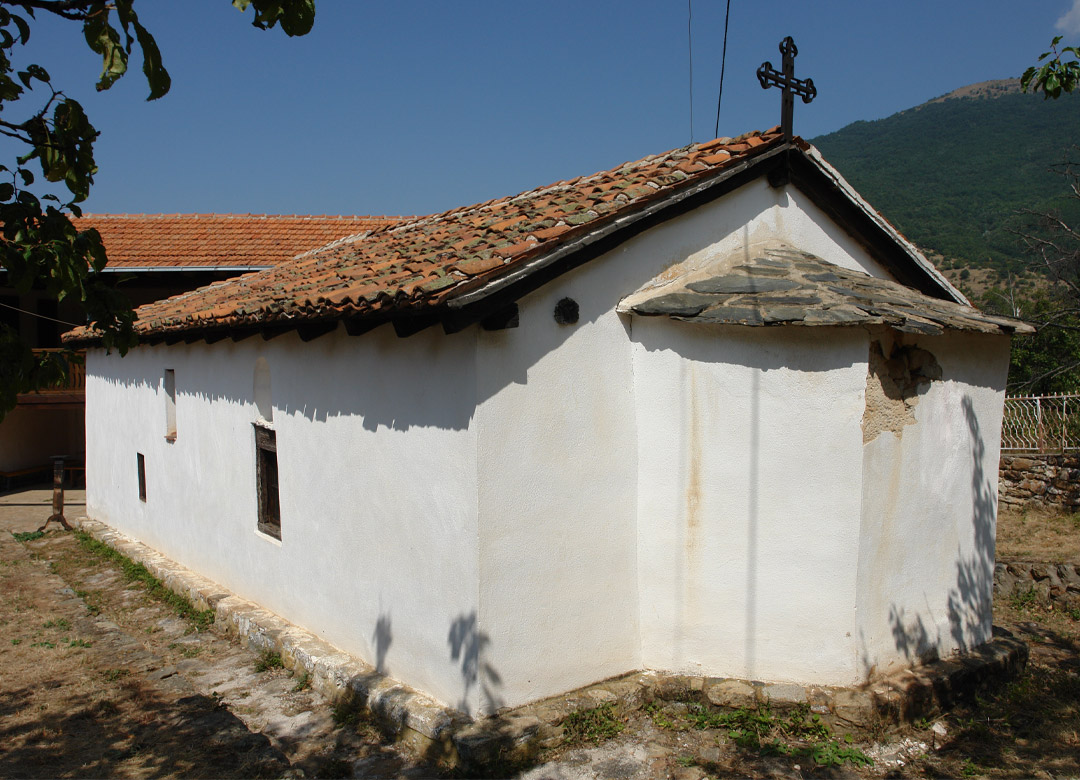
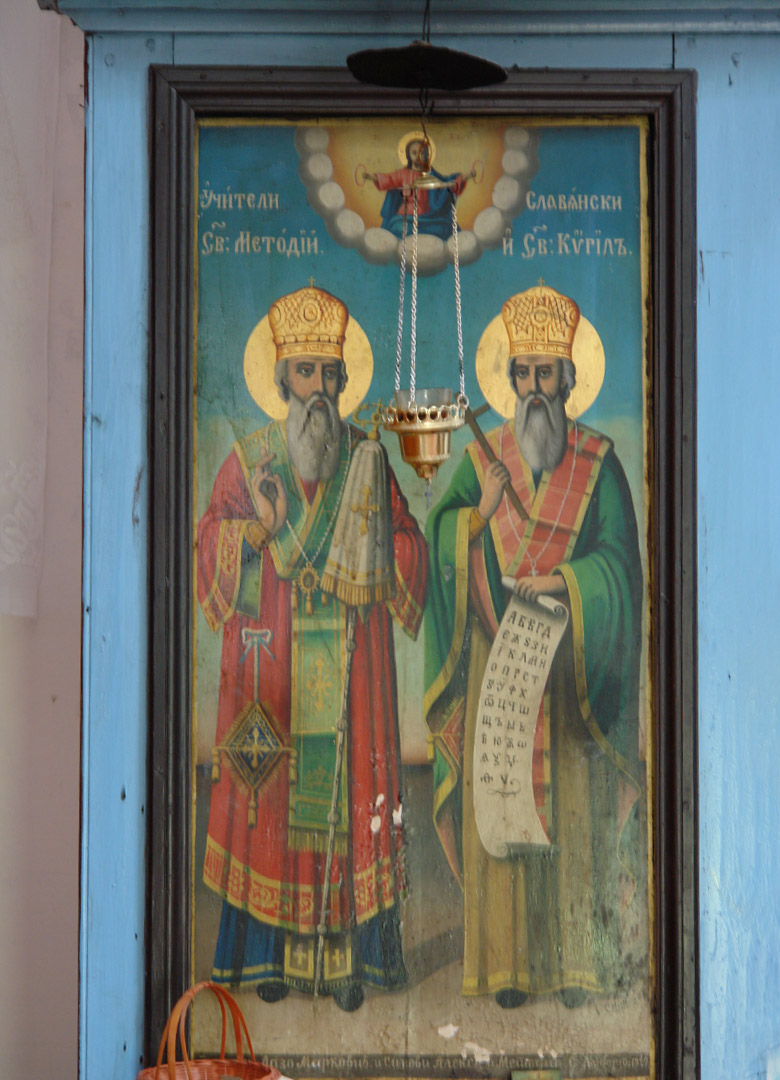
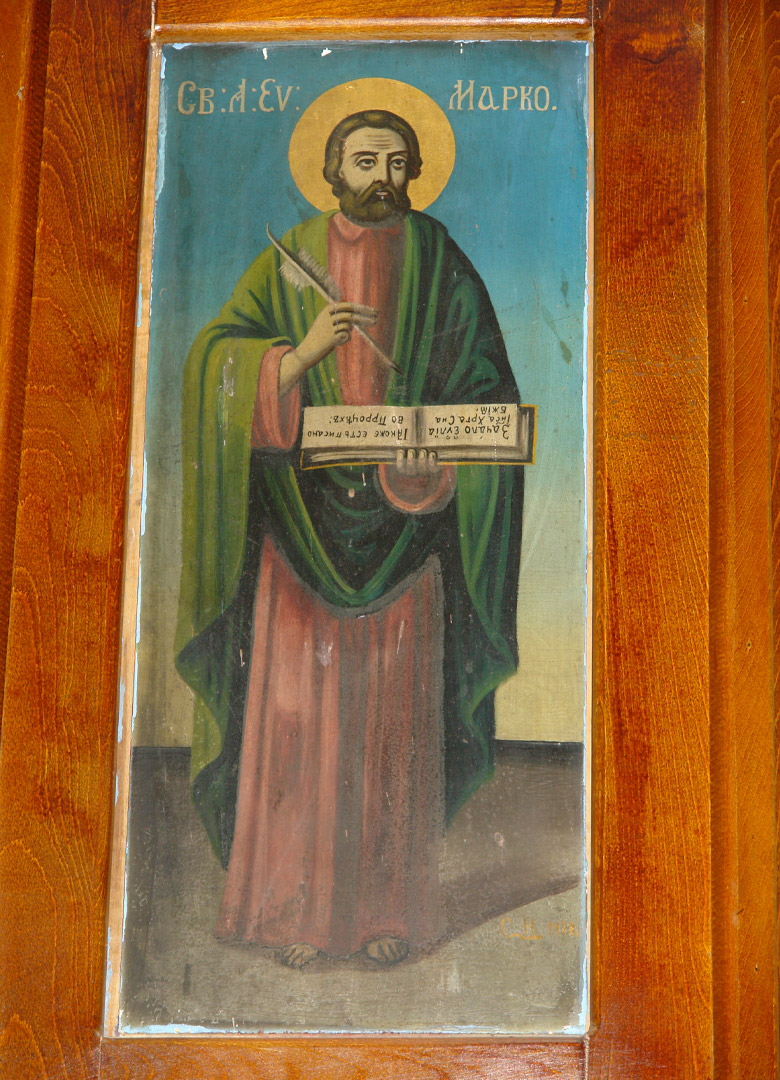
Villages and Sacred Objects reflecting the traditional way of life and the spirituality nurtured for centuries.
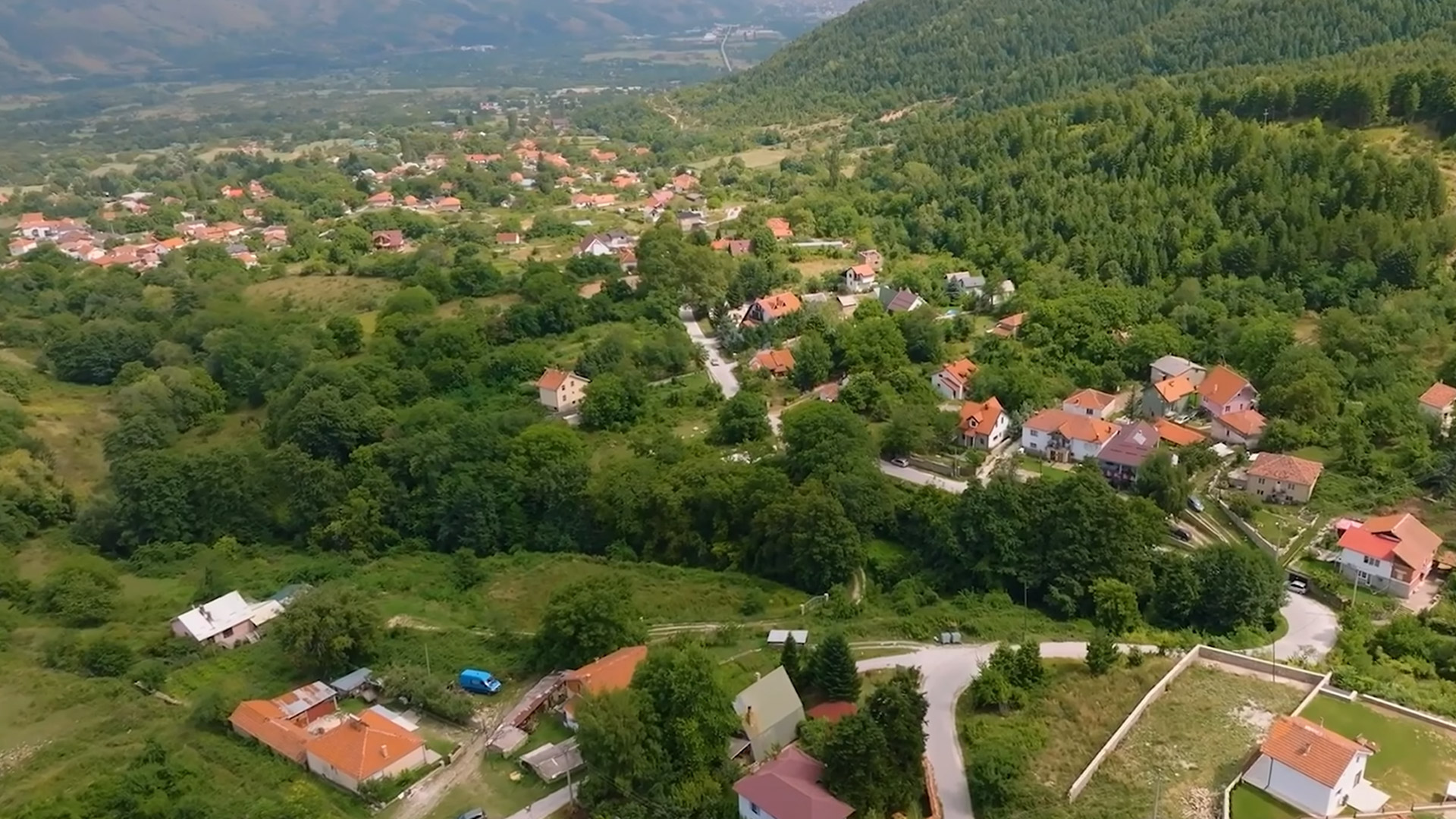
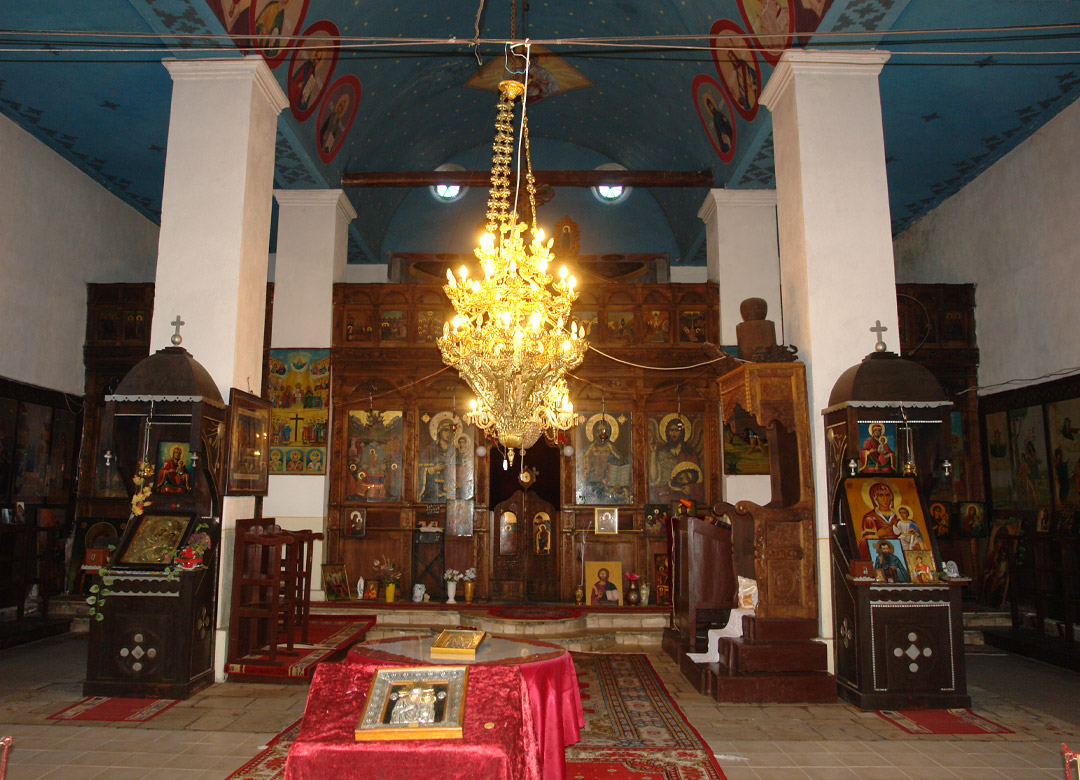
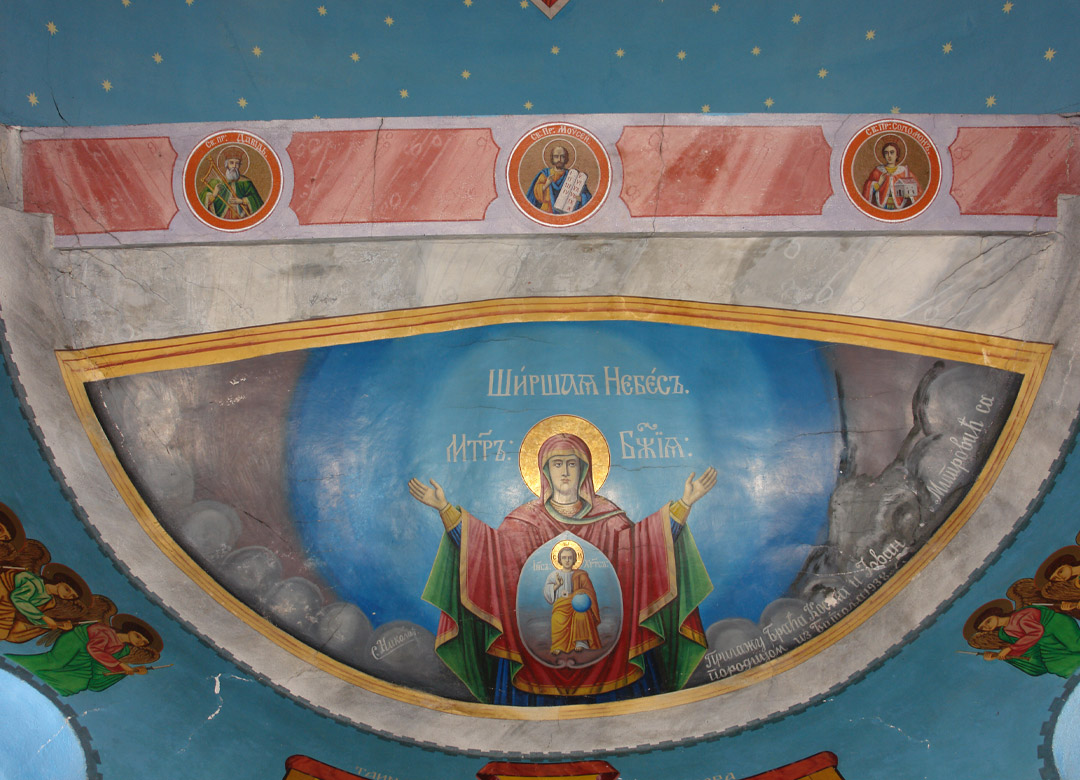
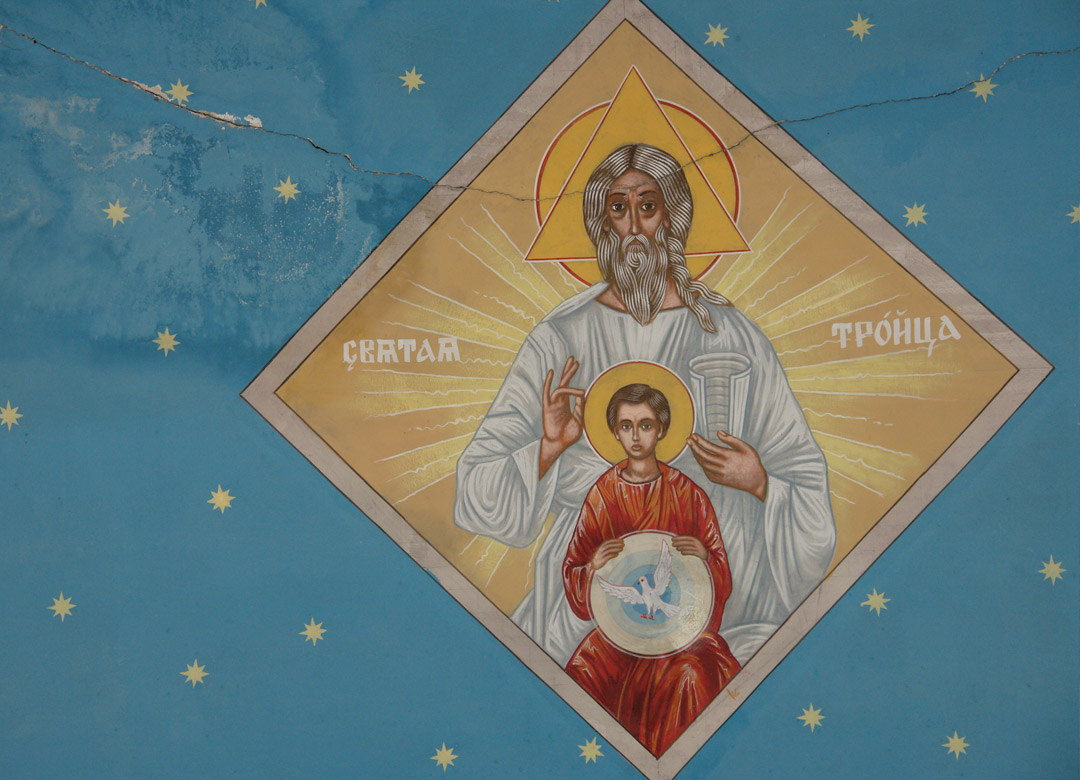
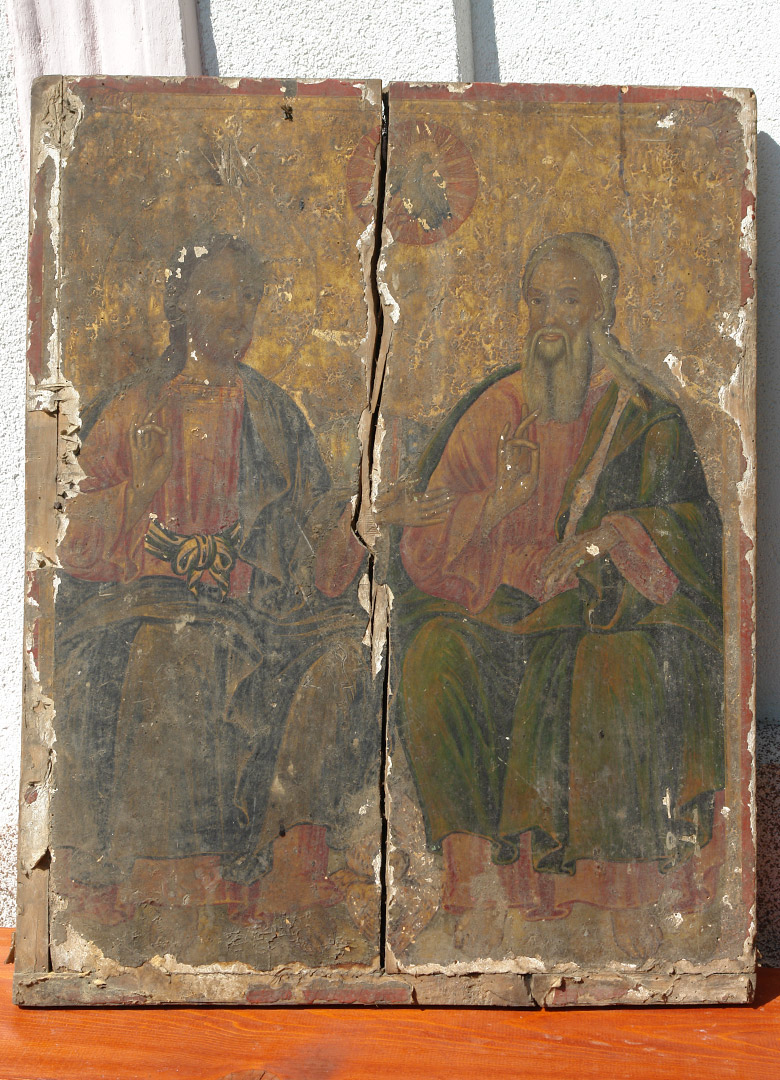
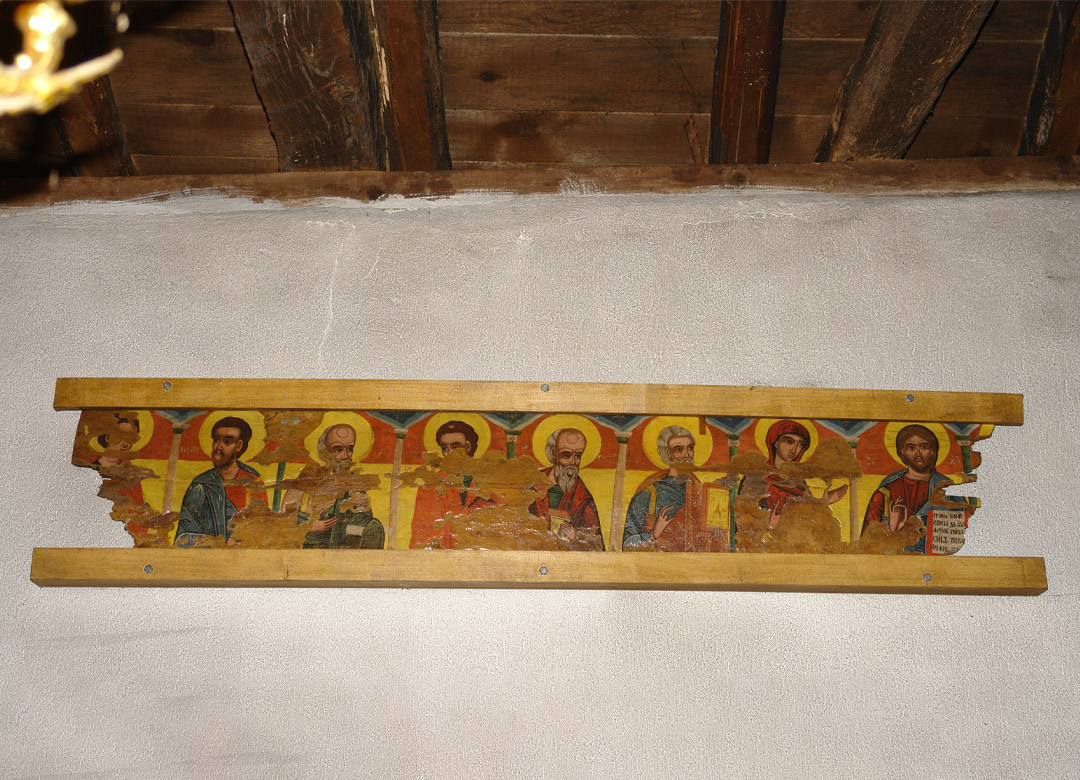
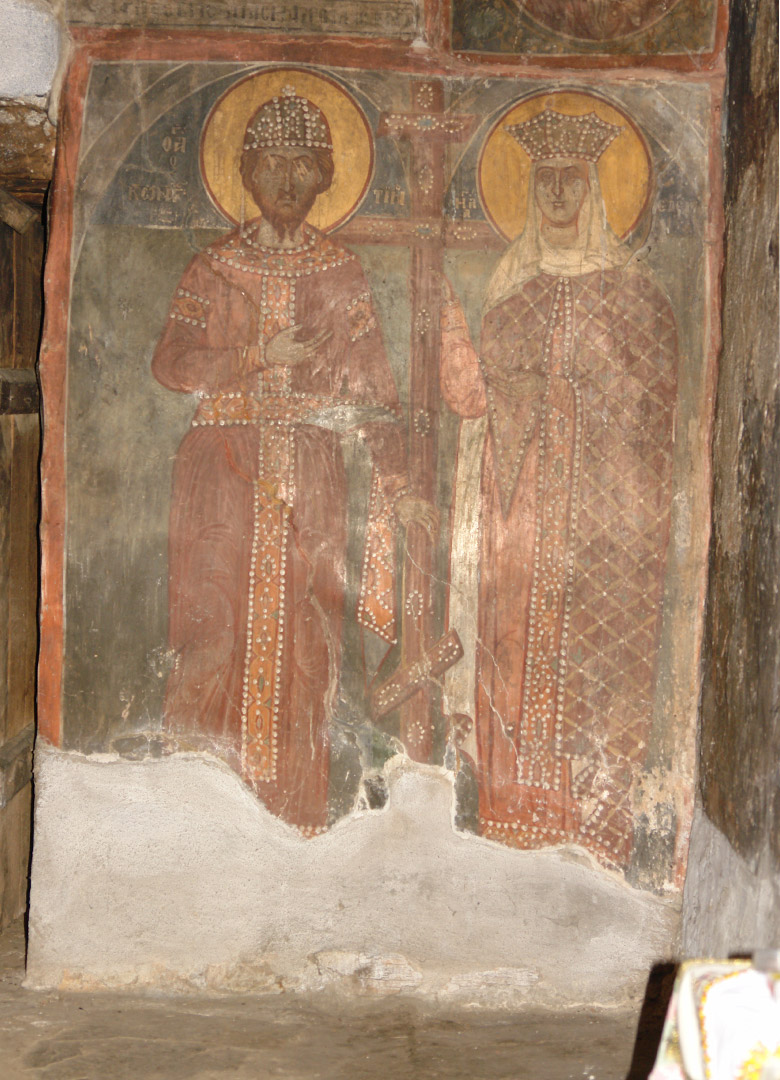
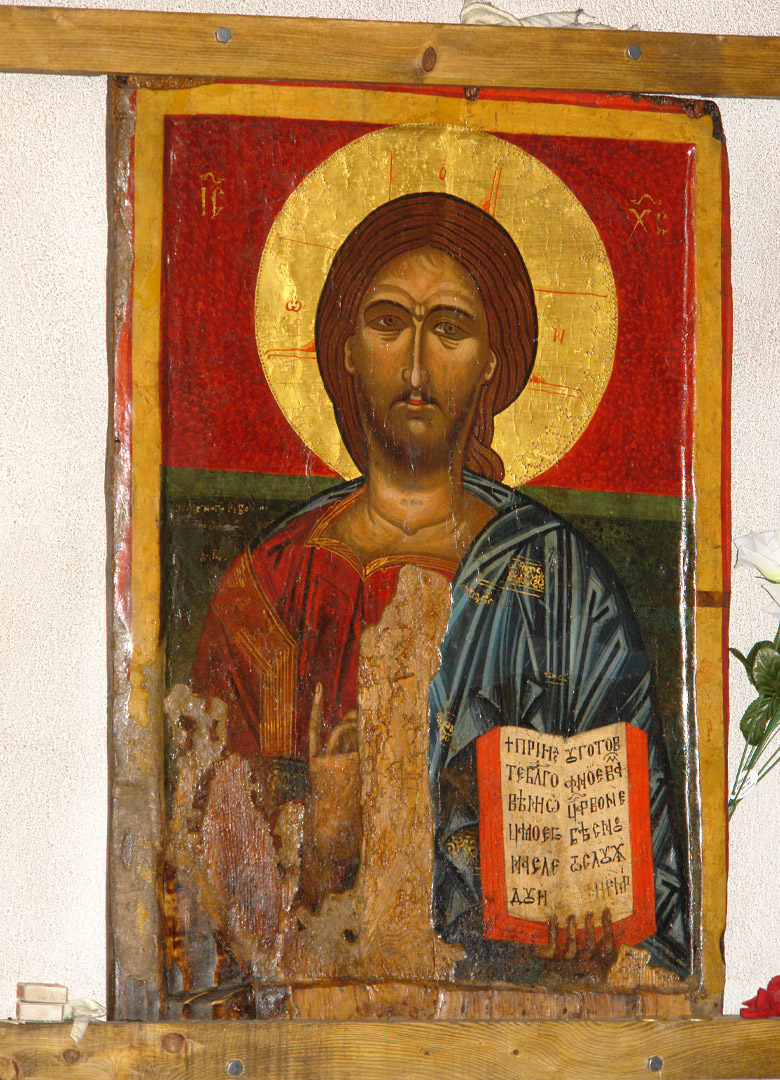
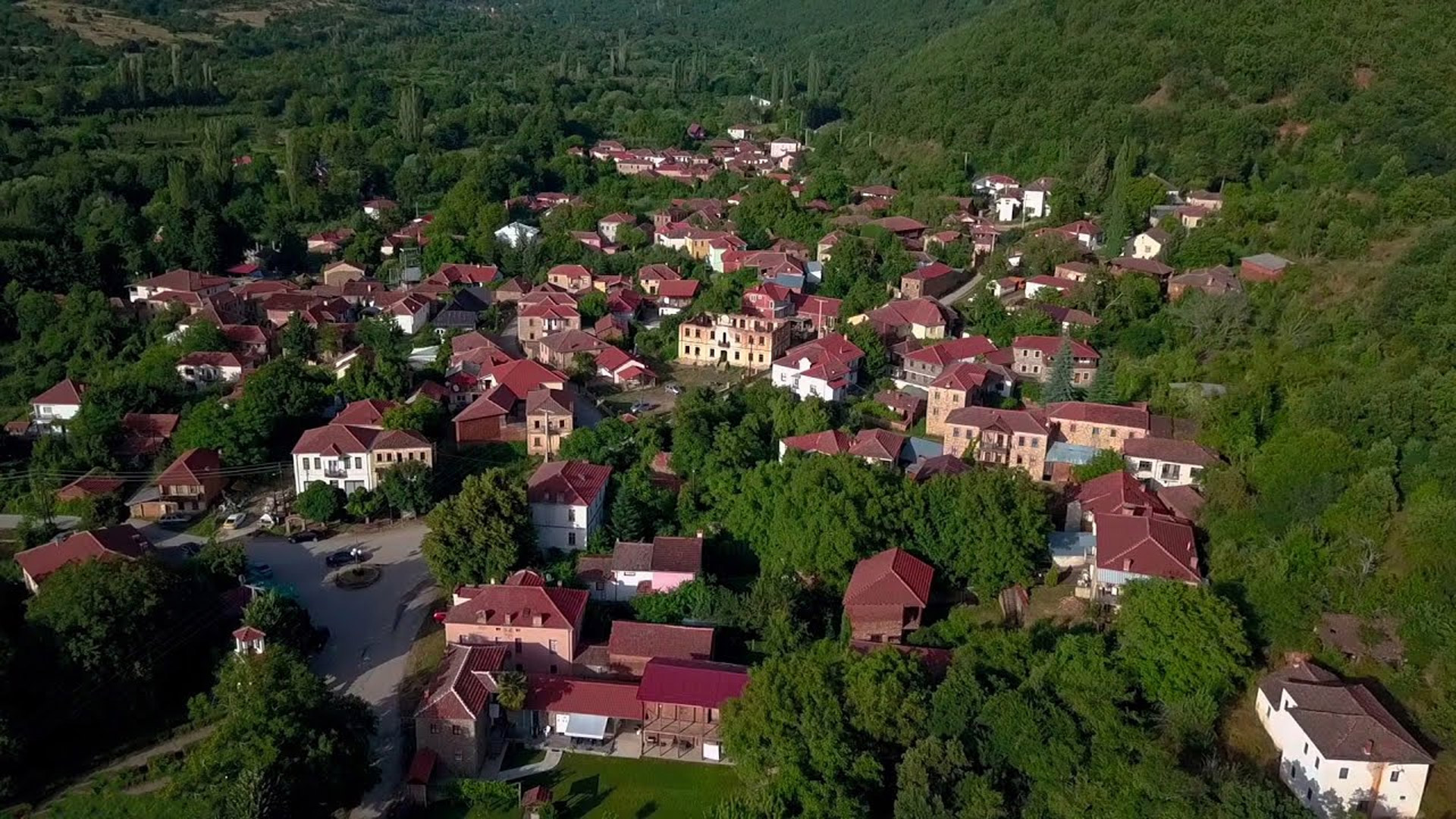
Discover the villages surrounding National Park Pelister—places rich in spirituality, archaeology, tradition, and natural beauty. National Park Pelister and its surrounding villages are renowned for their rich spiritual and cultural heritage. Each village is home to churches and monasteries from various historical periods—from Roman times and Late Antiquity to the Middle Ages and modern eras.
Village of Trnovo
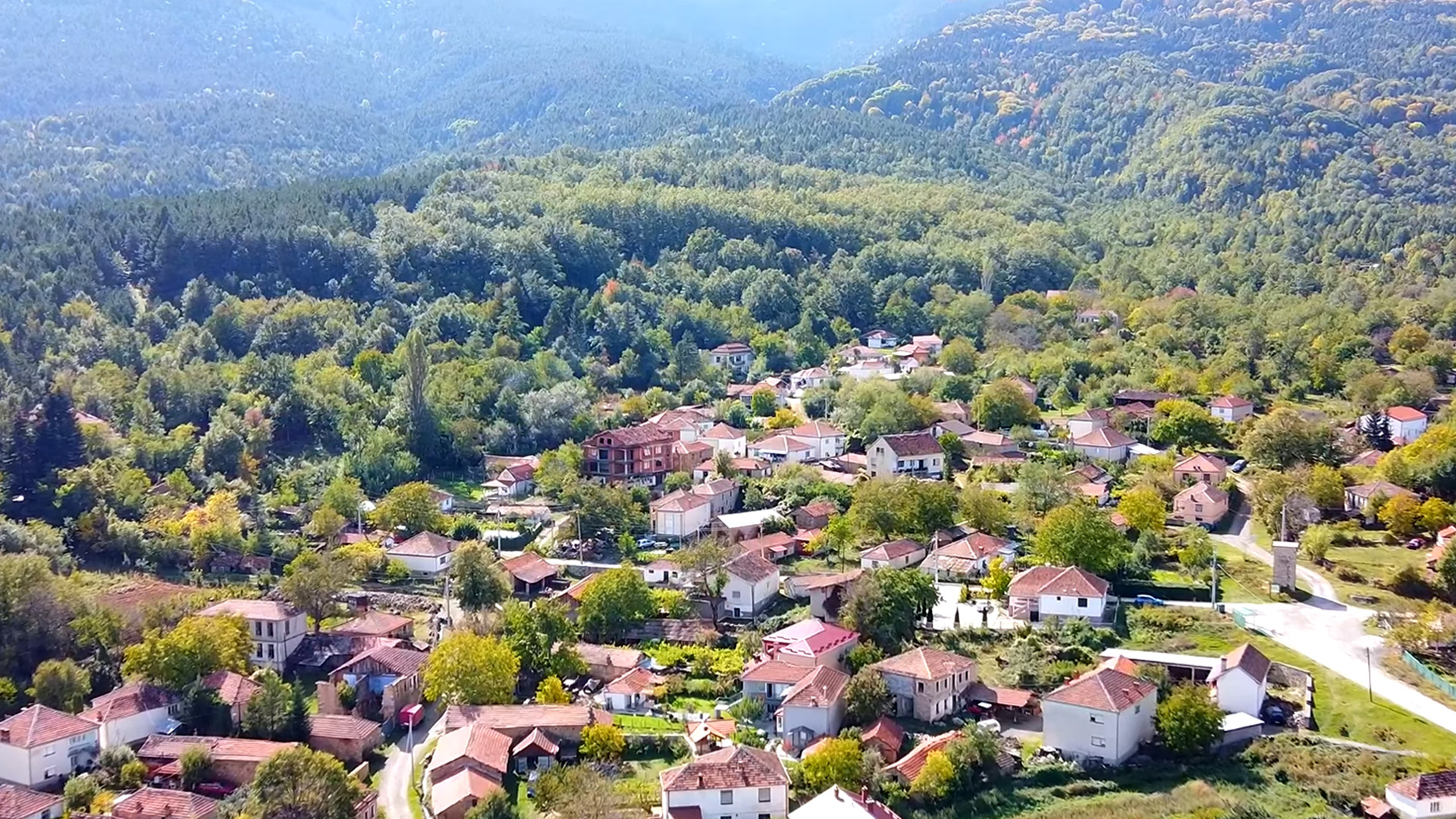
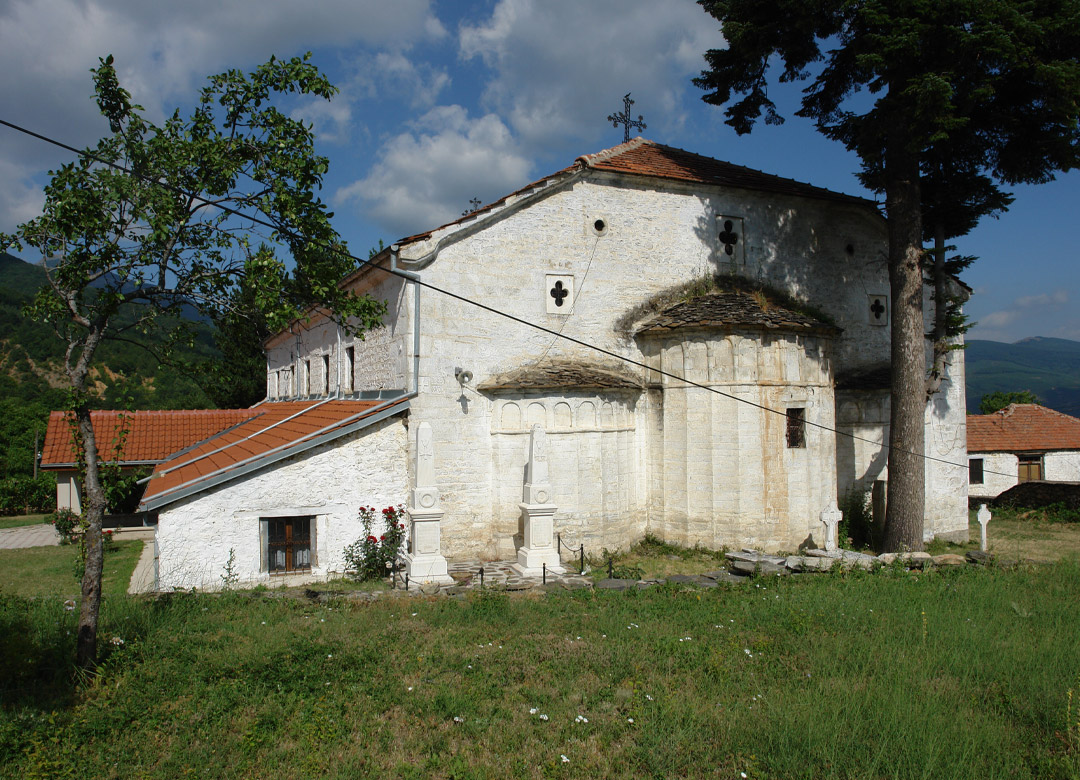
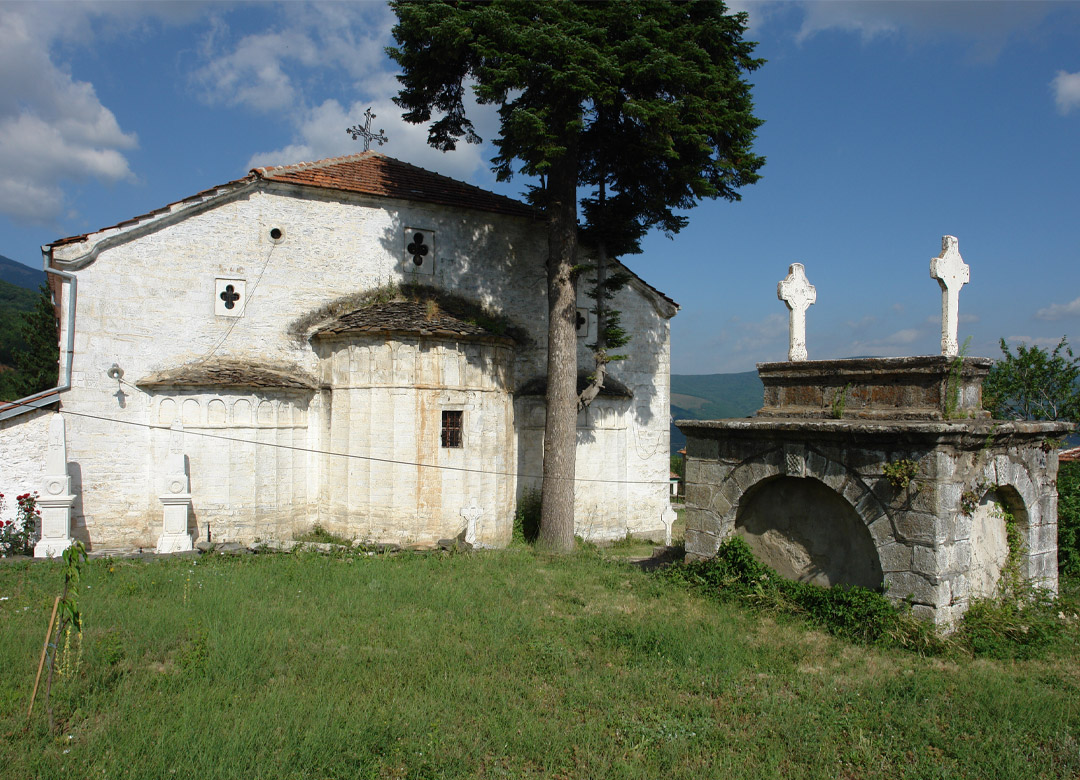
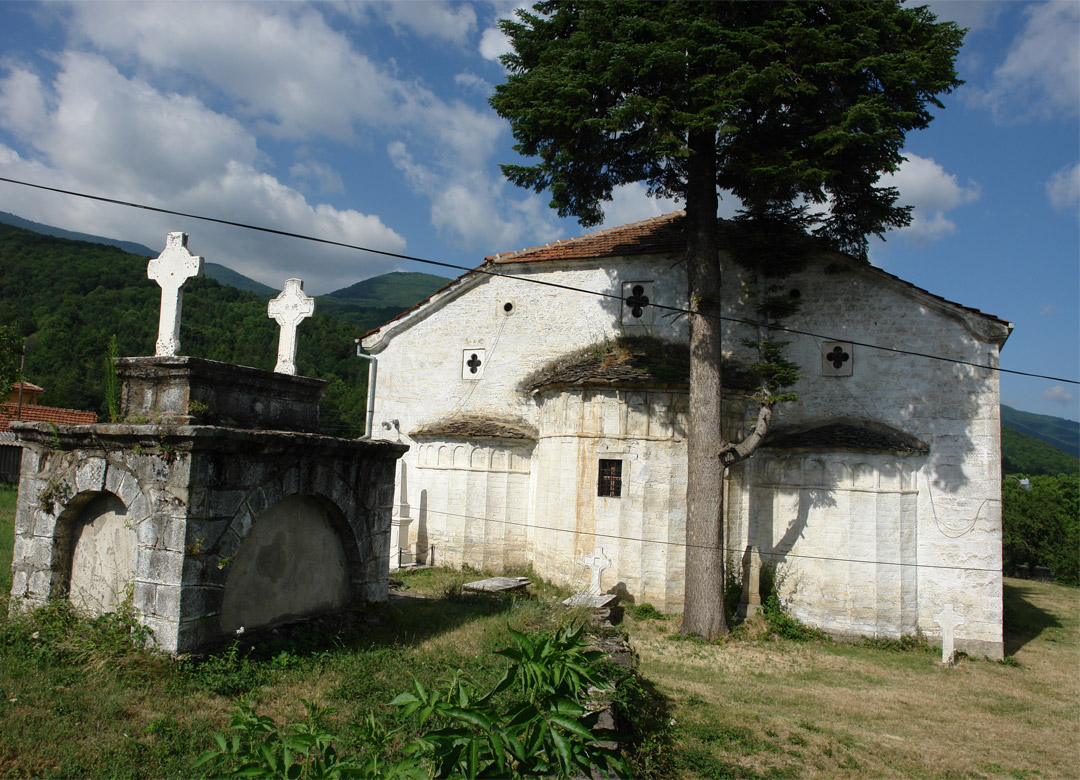
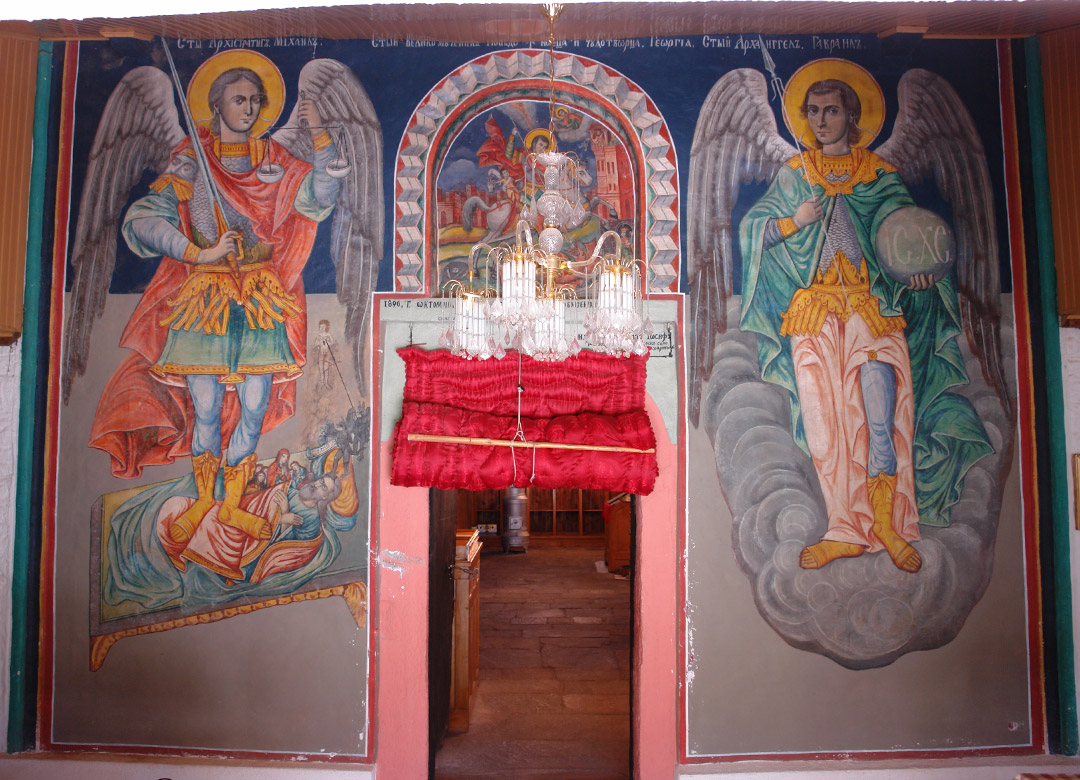
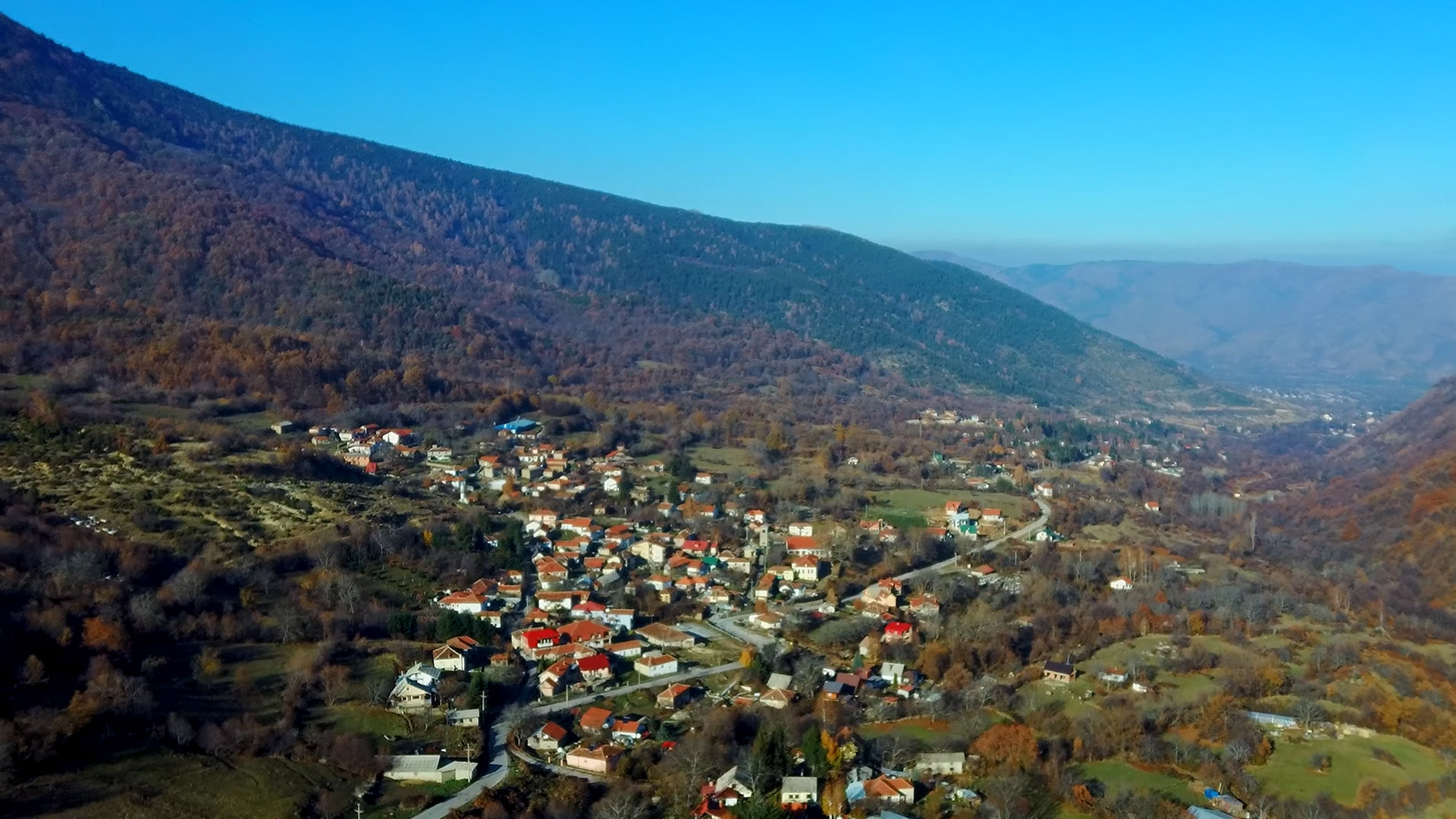
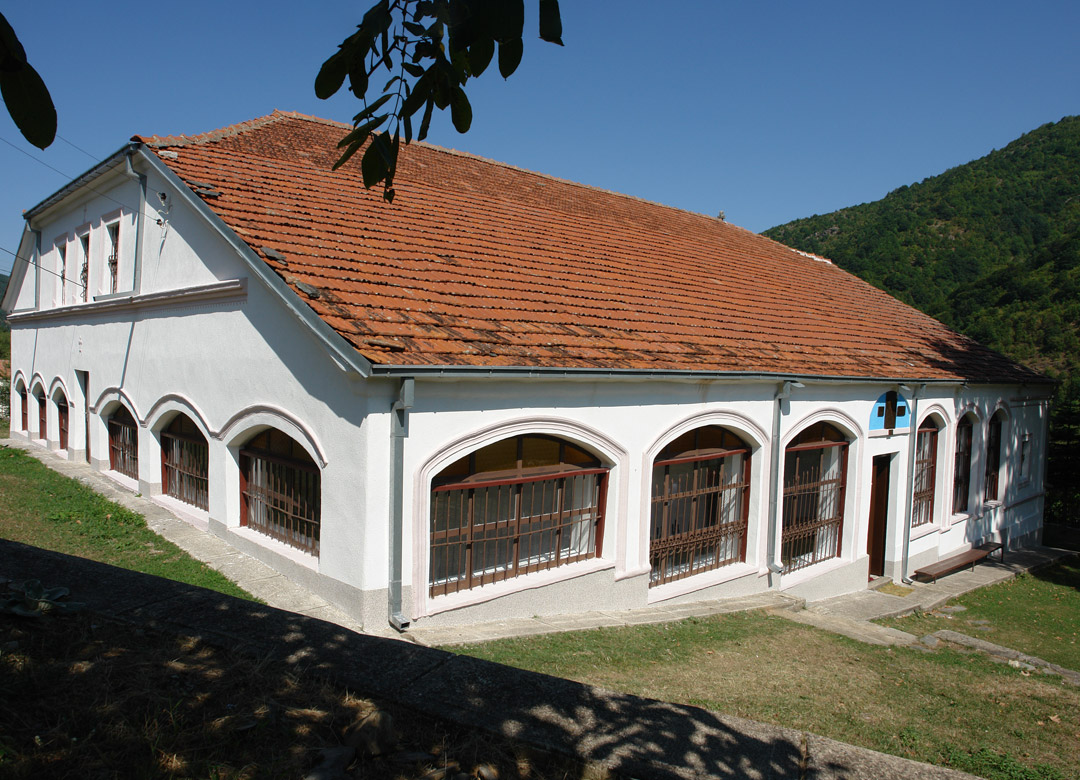
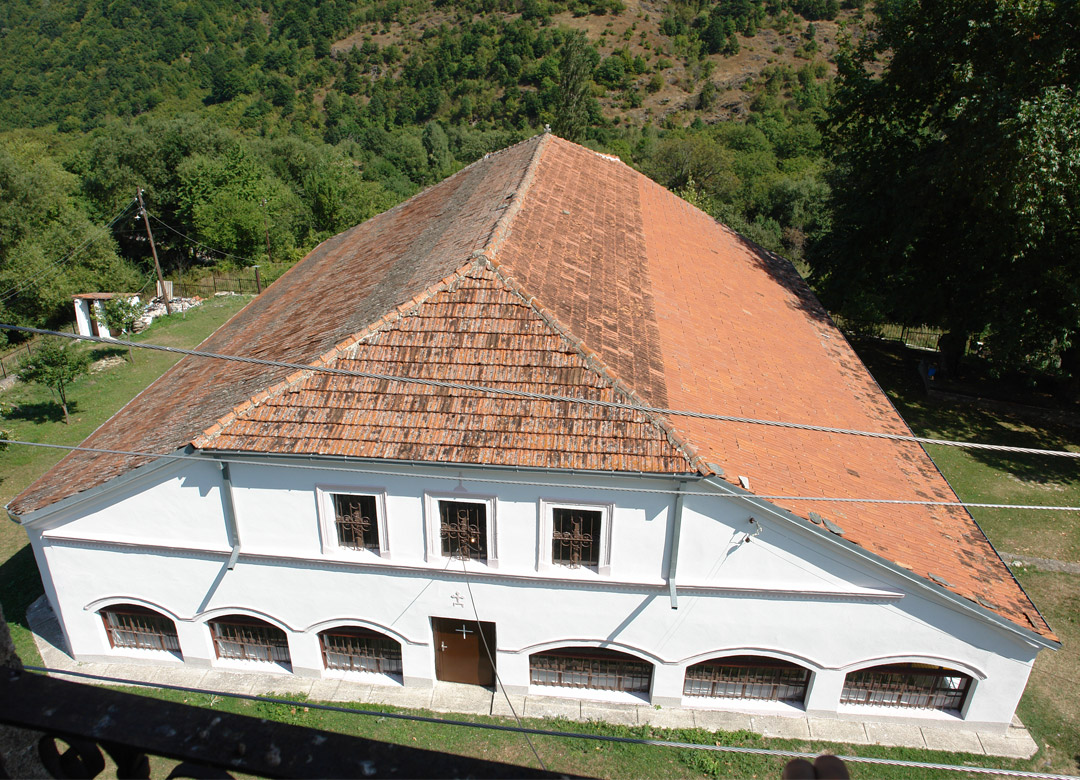
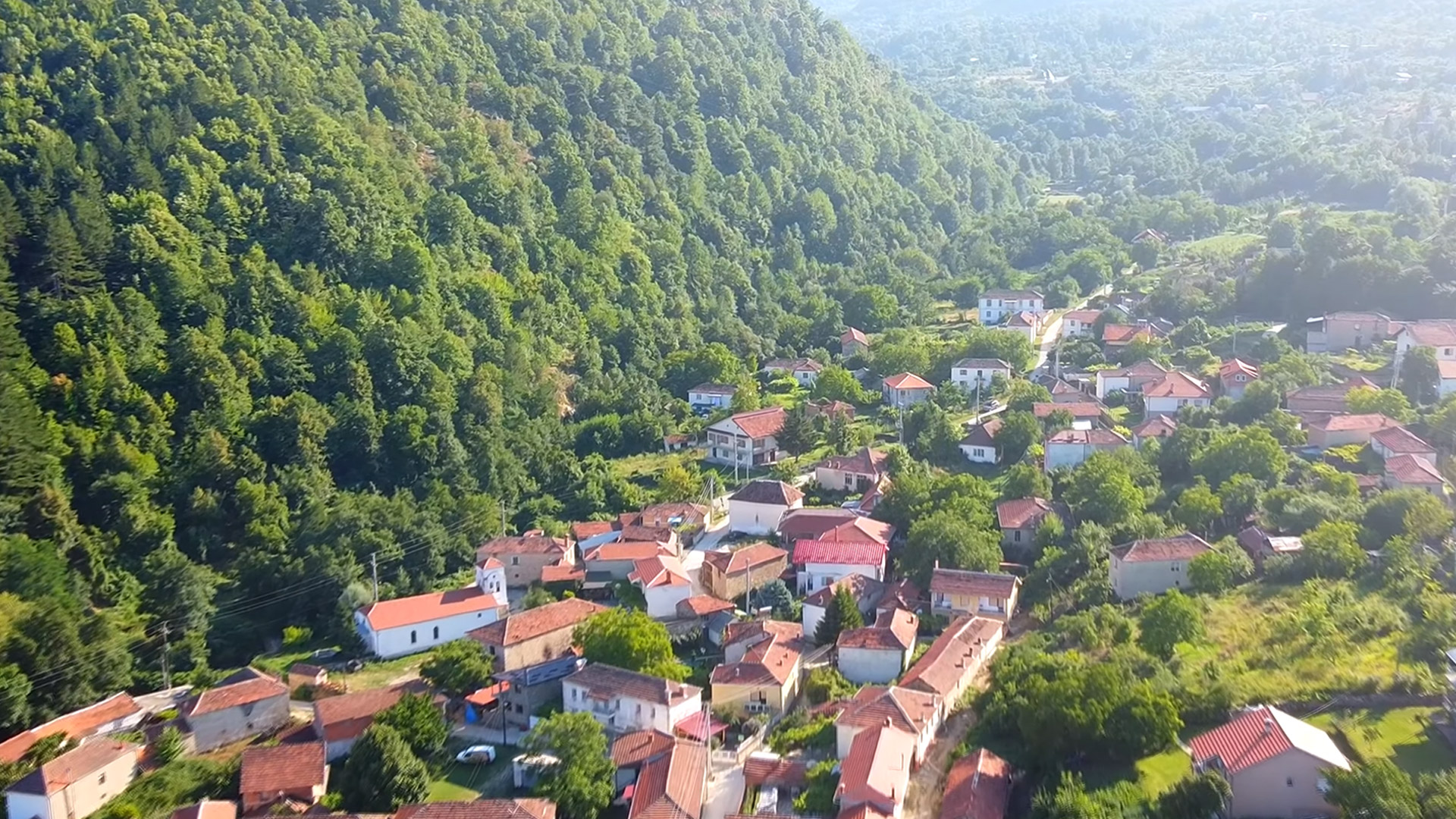
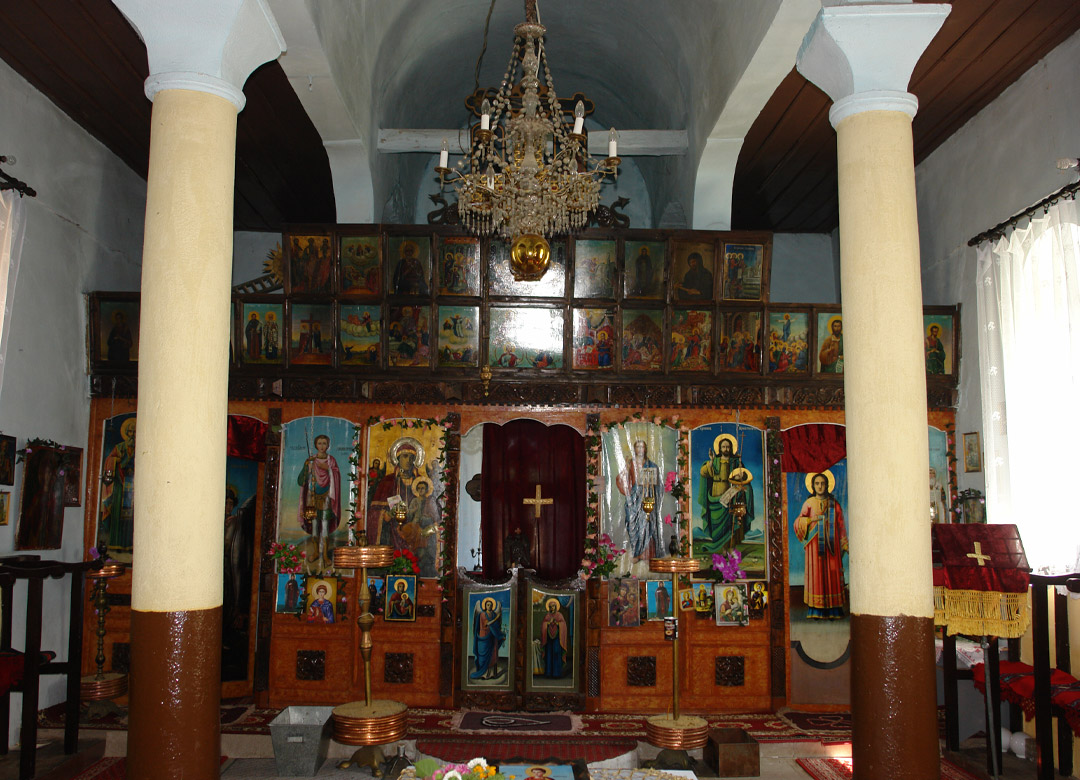
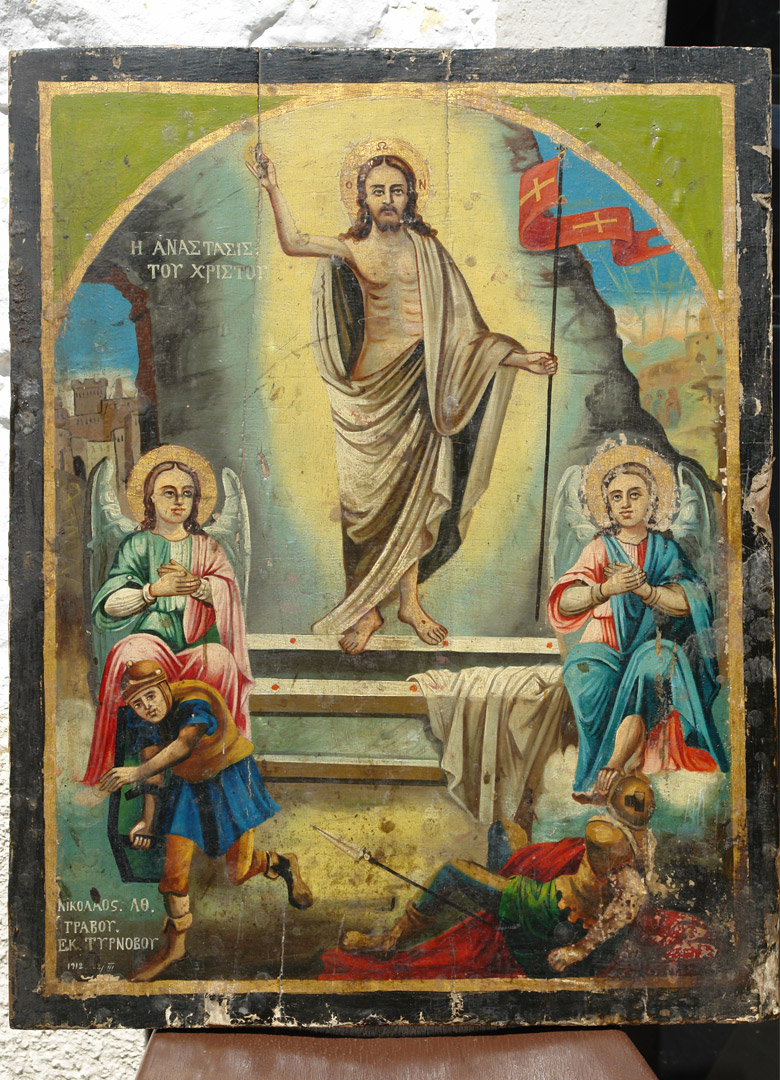
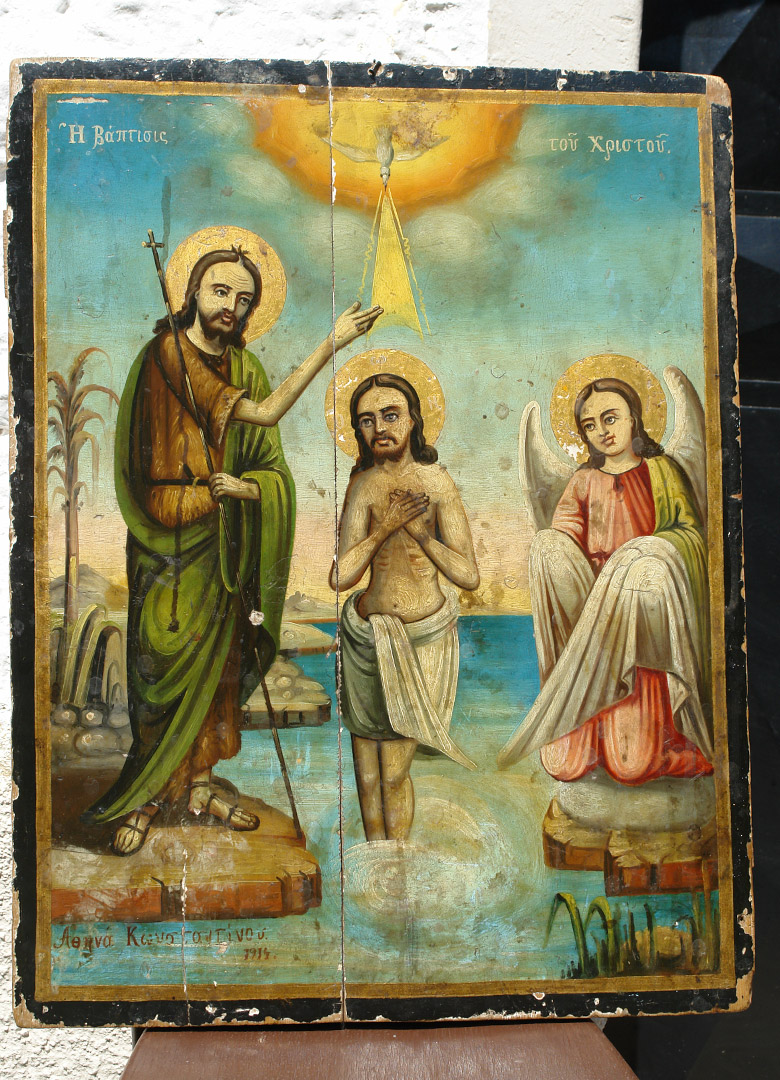
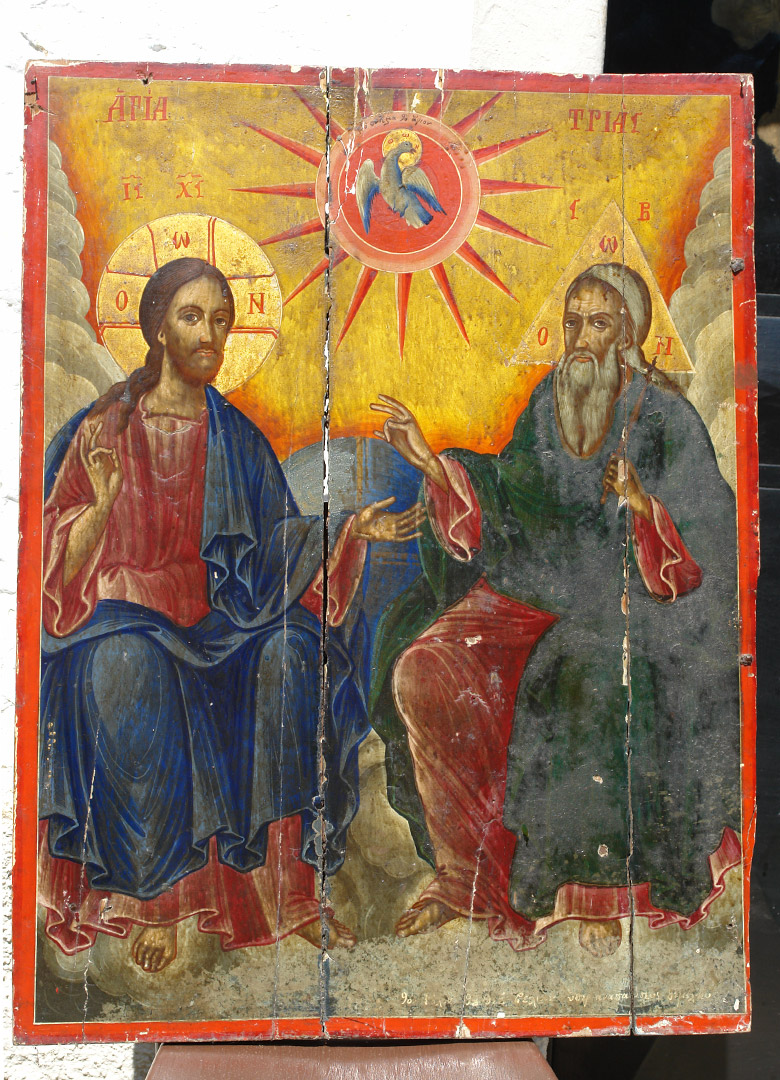
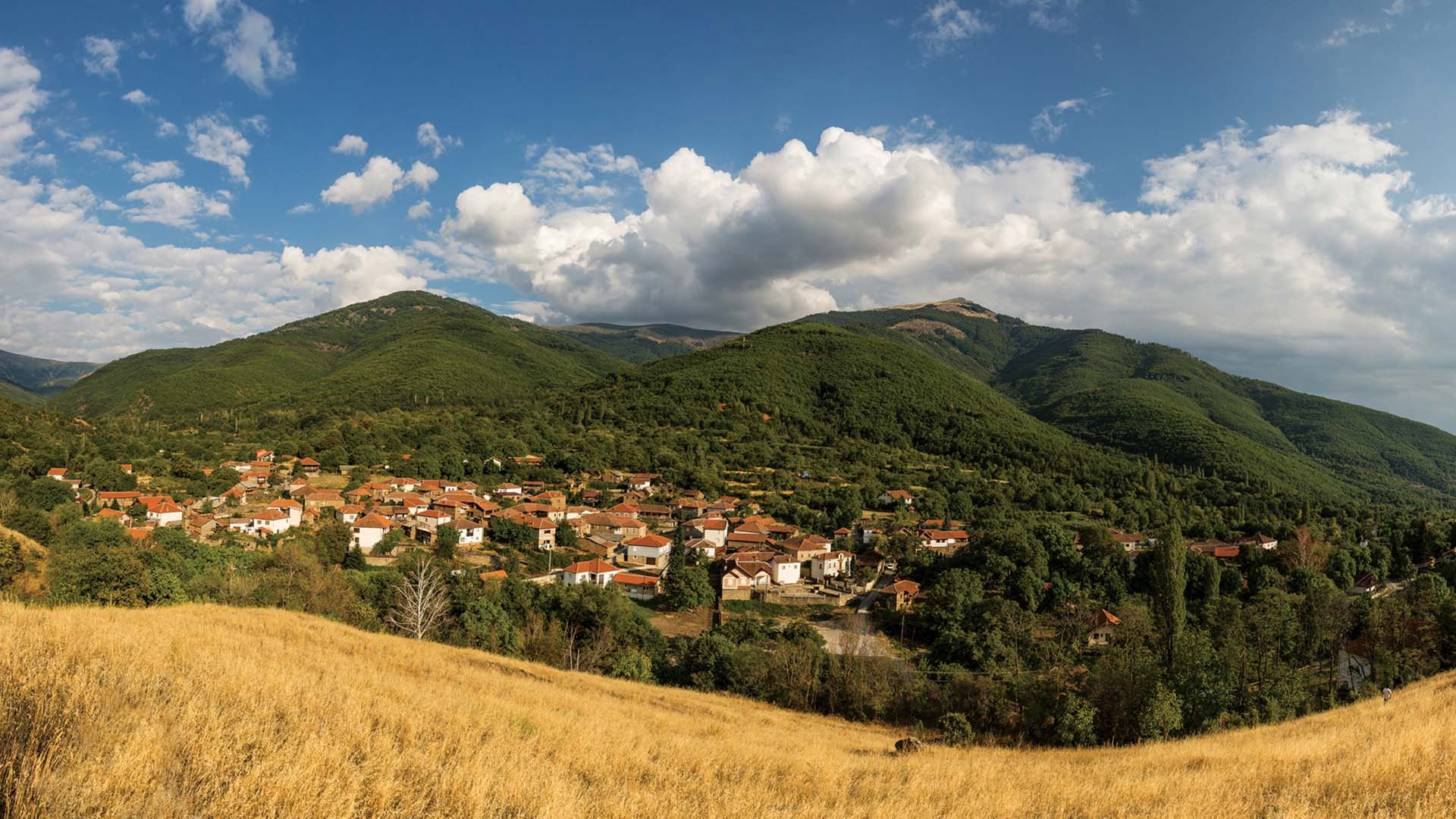
The village of Trnovo is located at the foothills of Baba Mountain, right before the entrance to National Park Pelister, about 7 km from Bitola. The village is known for its tradition, mixed ethnic composition, and the old Aromanian school dating back to 1864. Thanks to its proximity to Pelister, Trnovo serves as a natural starting point for hiking trails, excursions, and tourist visits to the park’s most famous natural attractions, such as the Pelister Lakes, the Molika pine, and the rich flora and fauna. Trnovo is a village with exceptional cultural and religious heritage.
Religious Objects
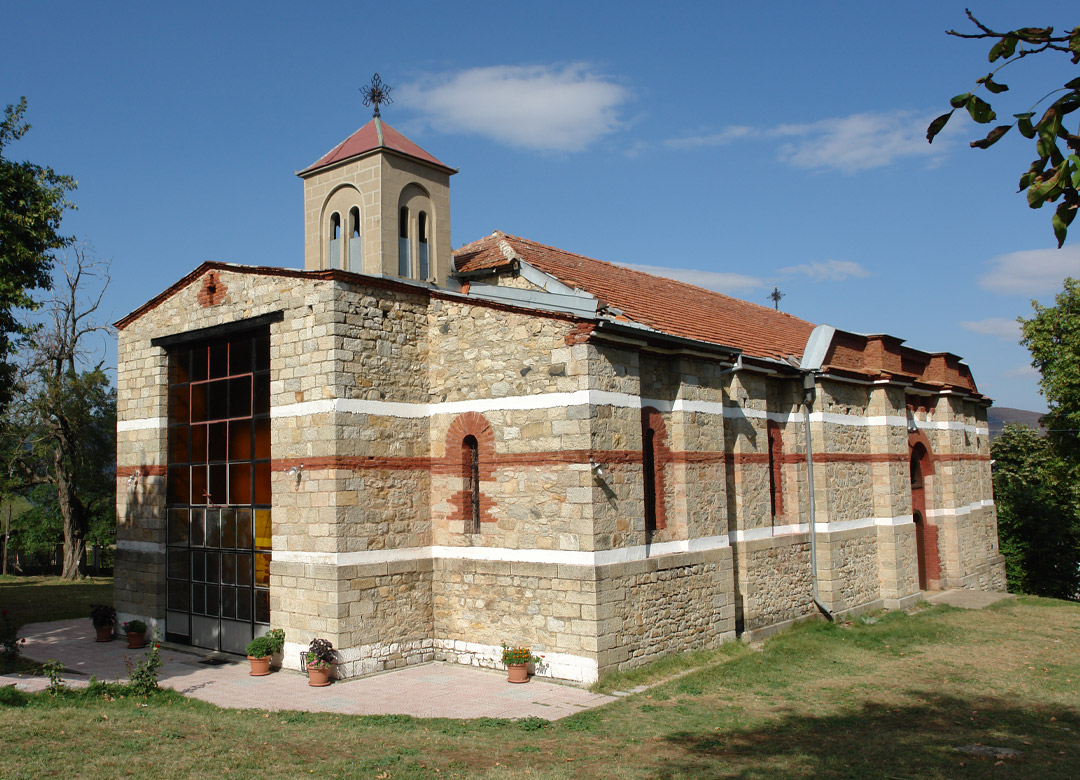
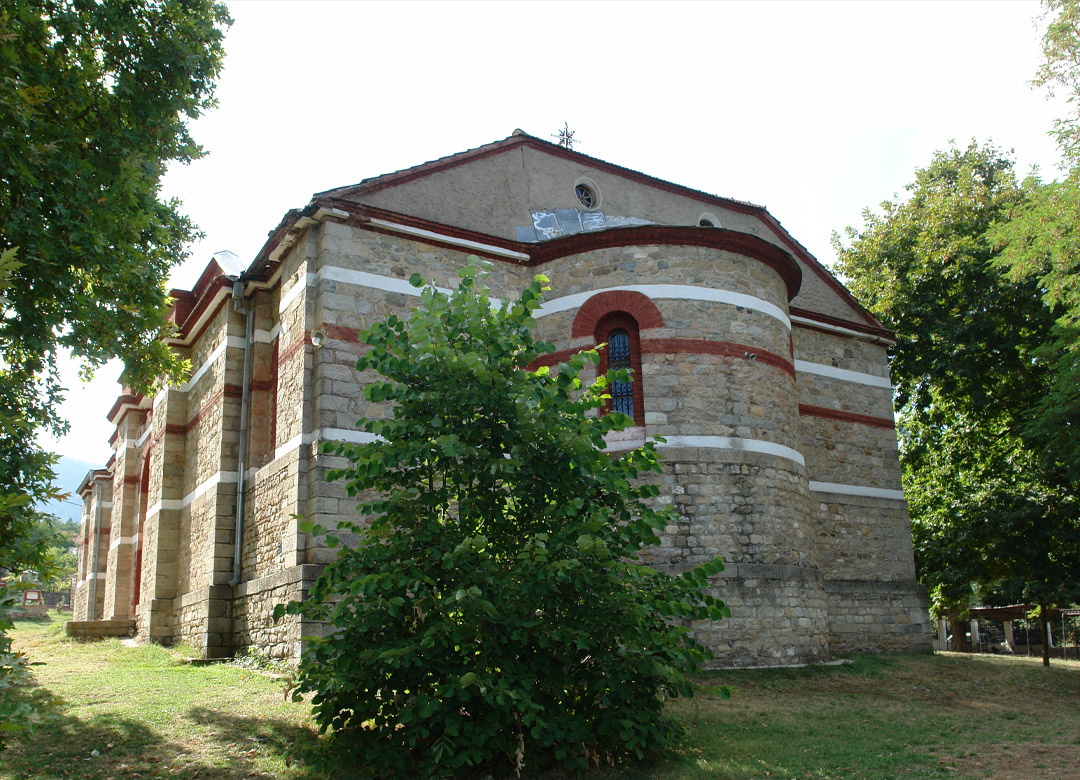
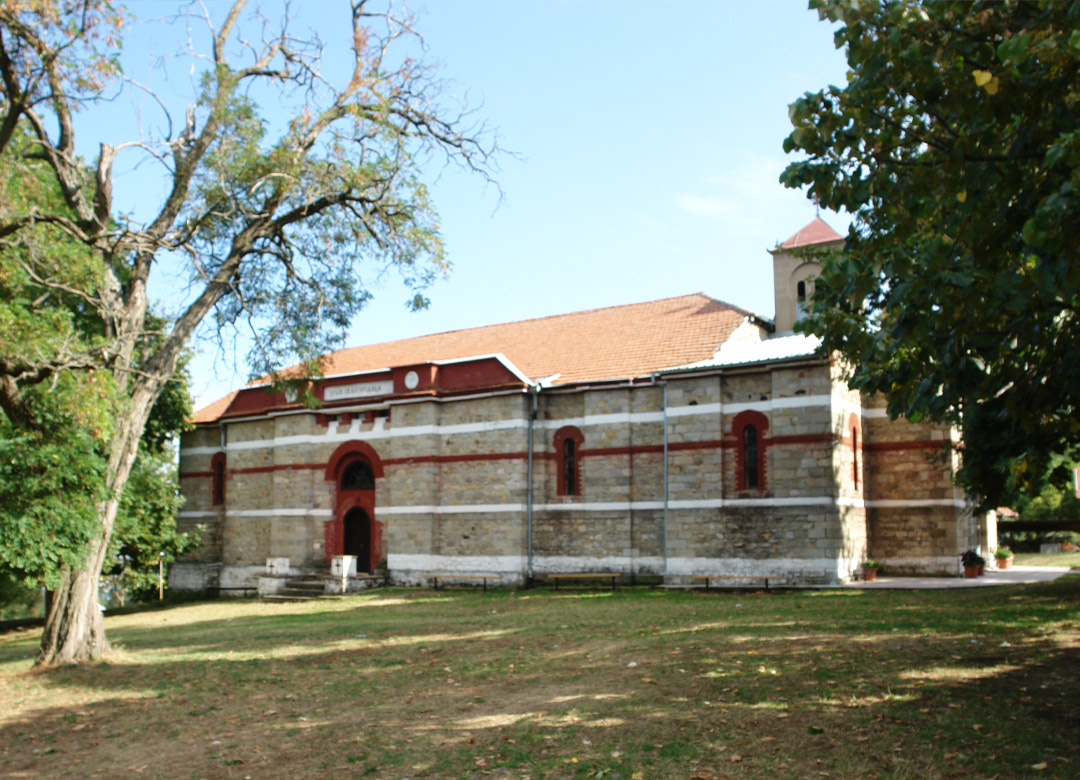
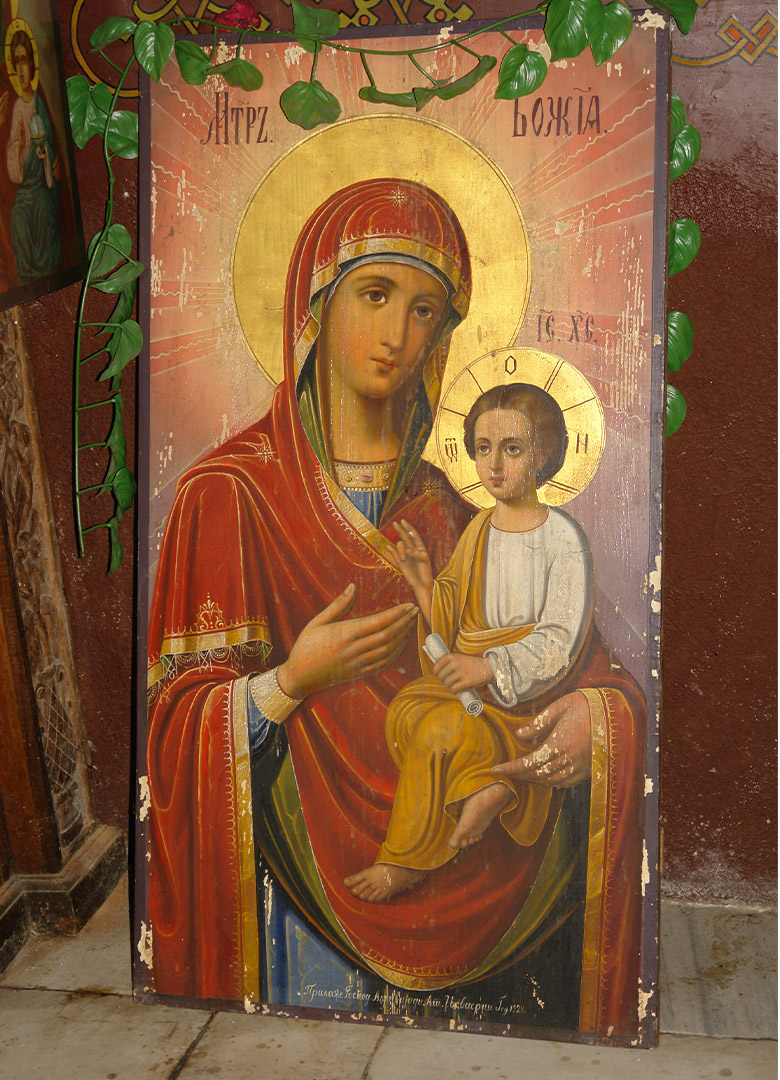
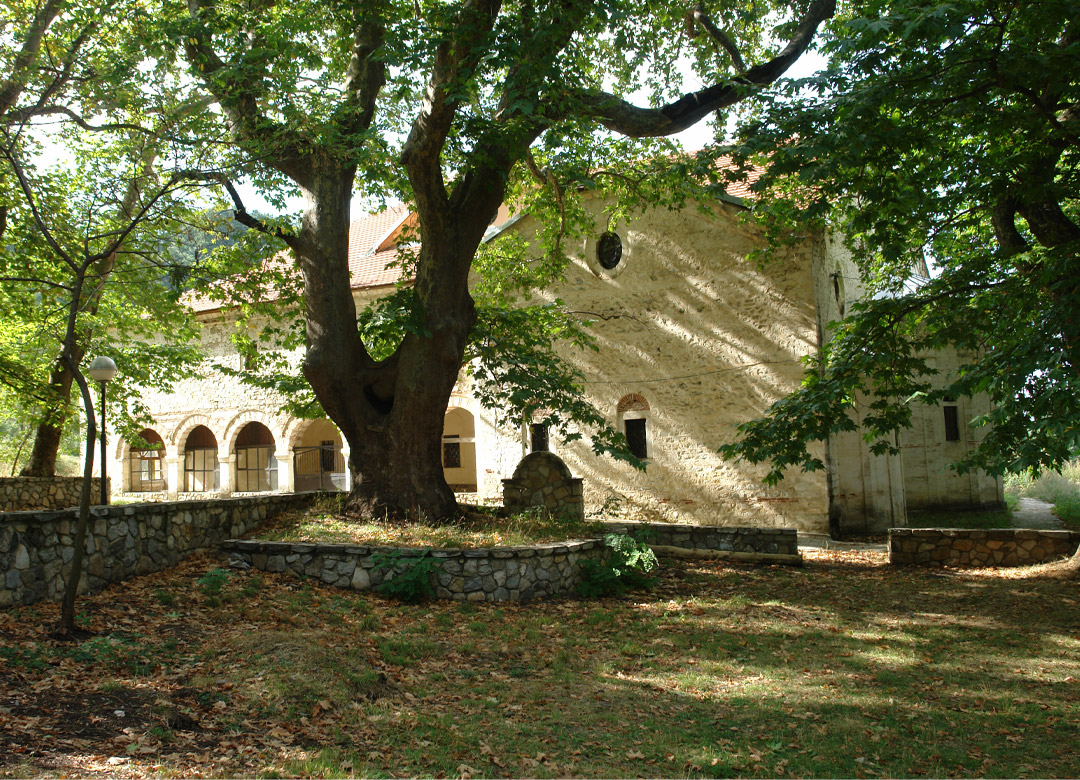
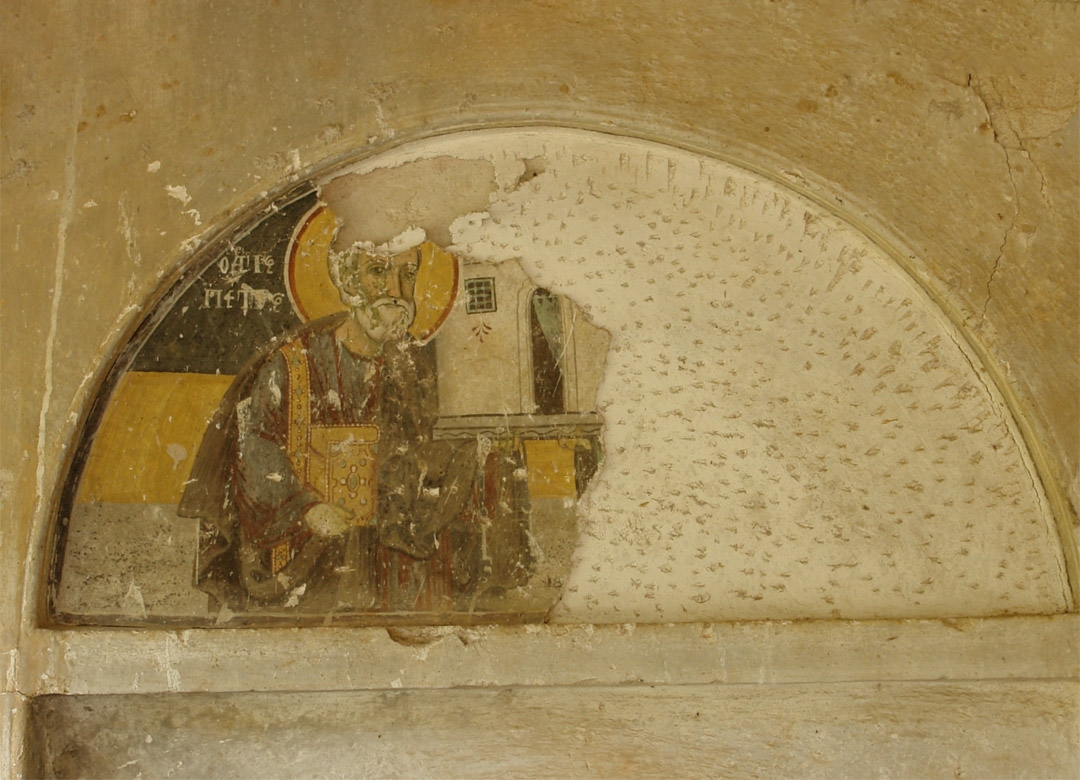
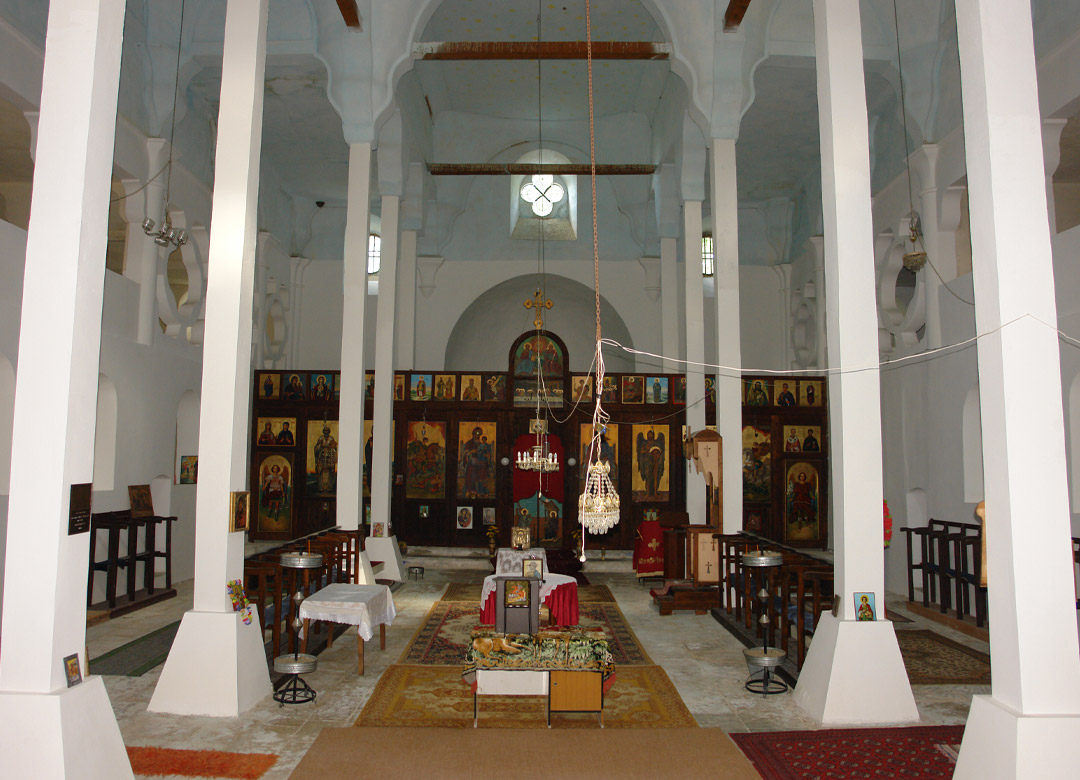
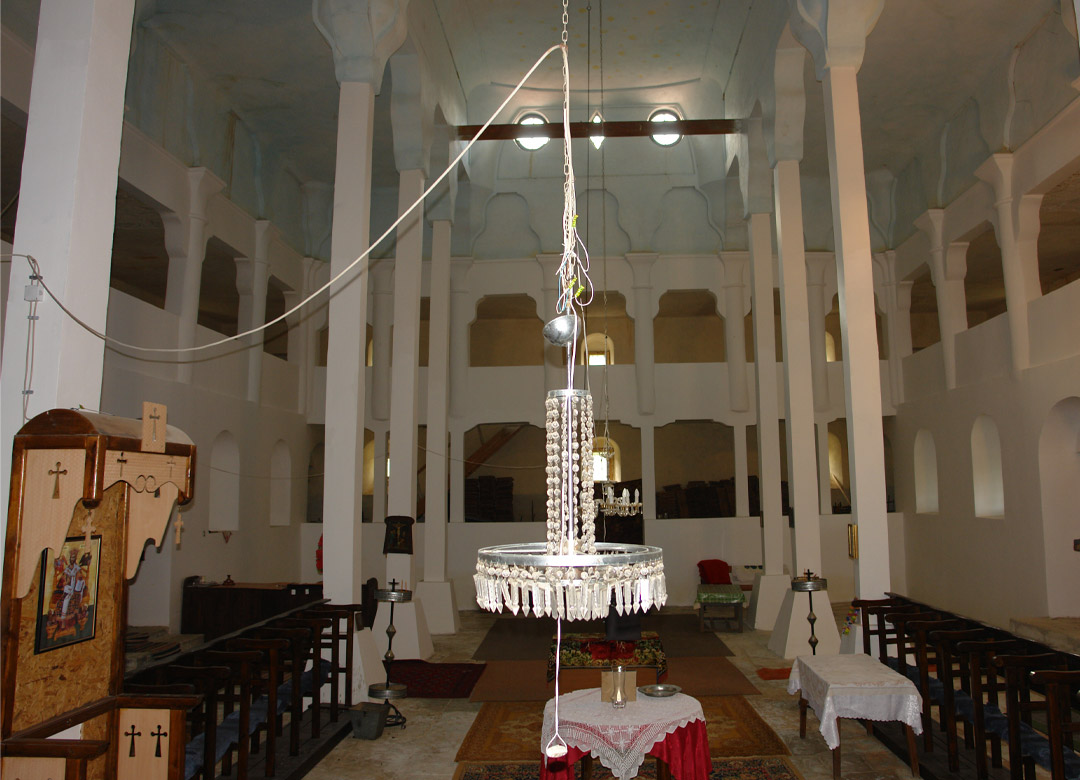
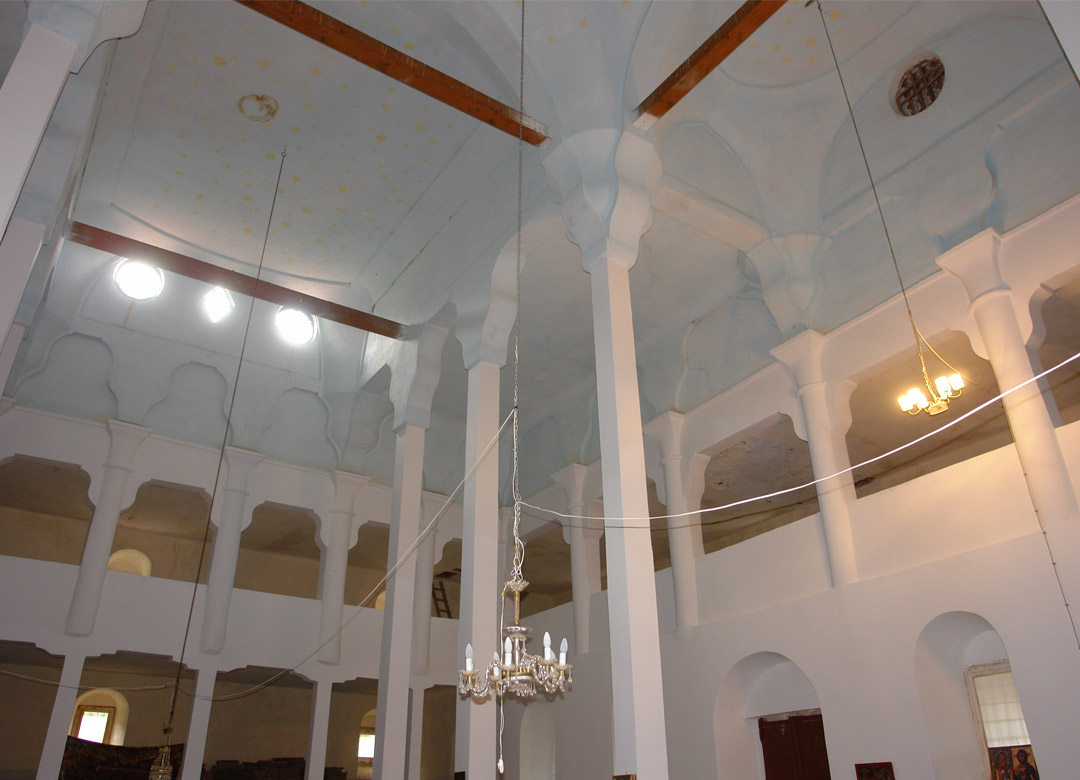
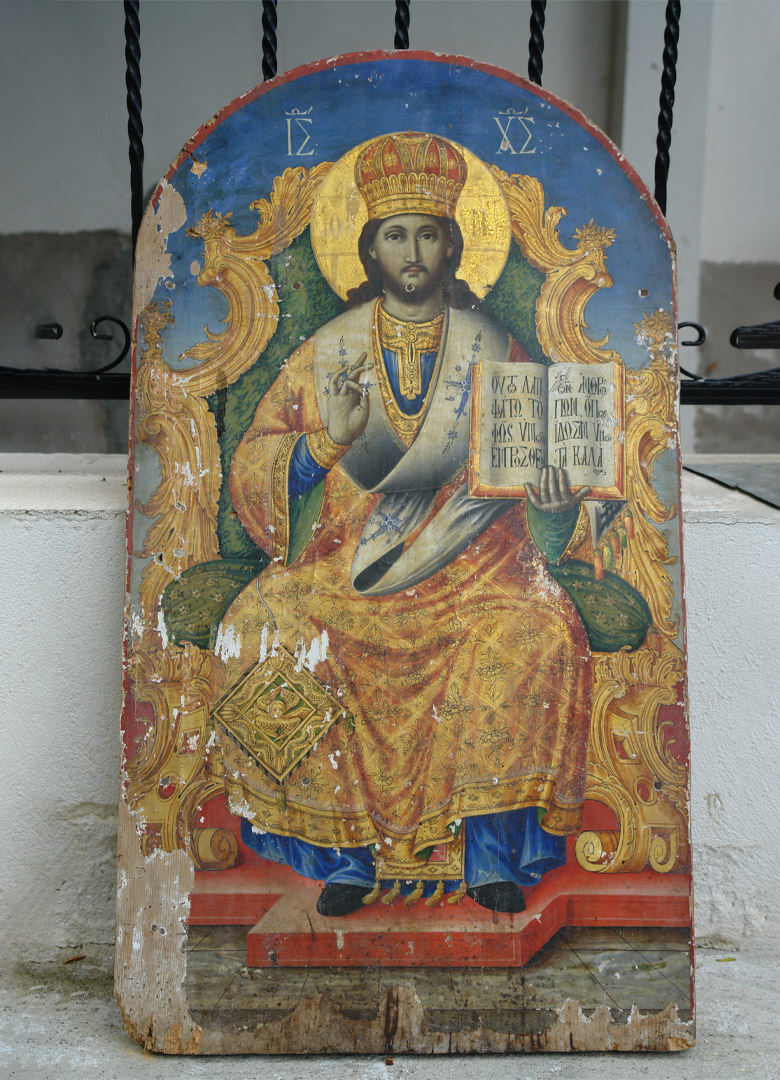
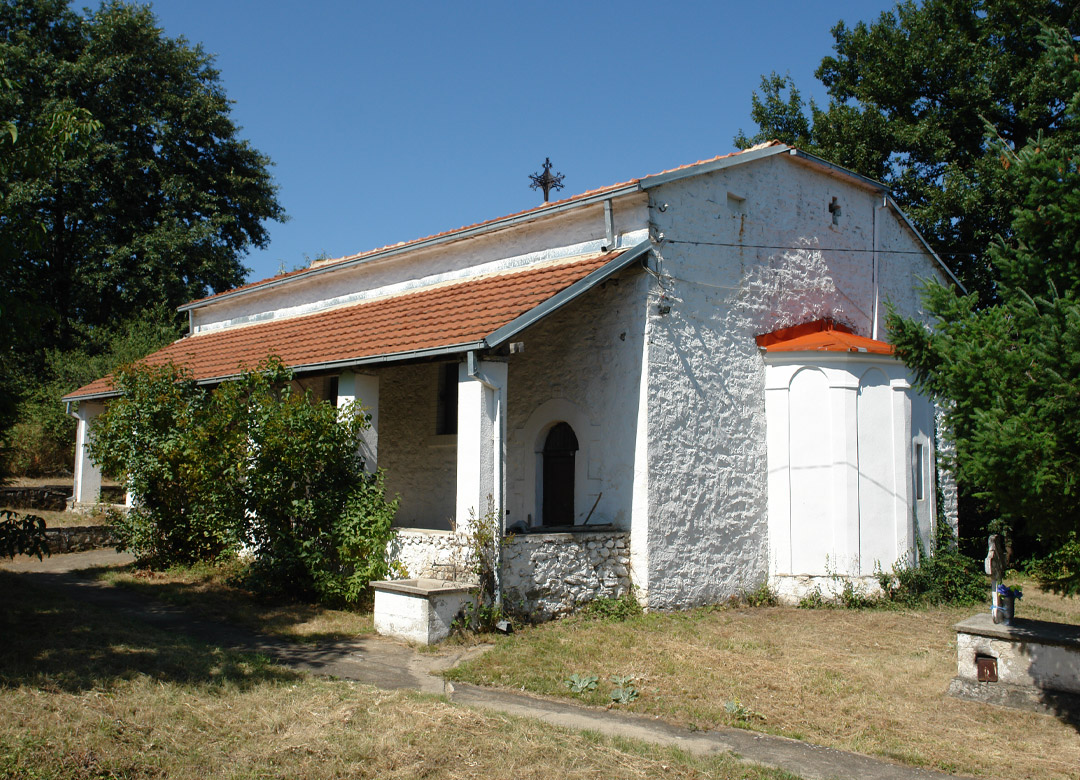
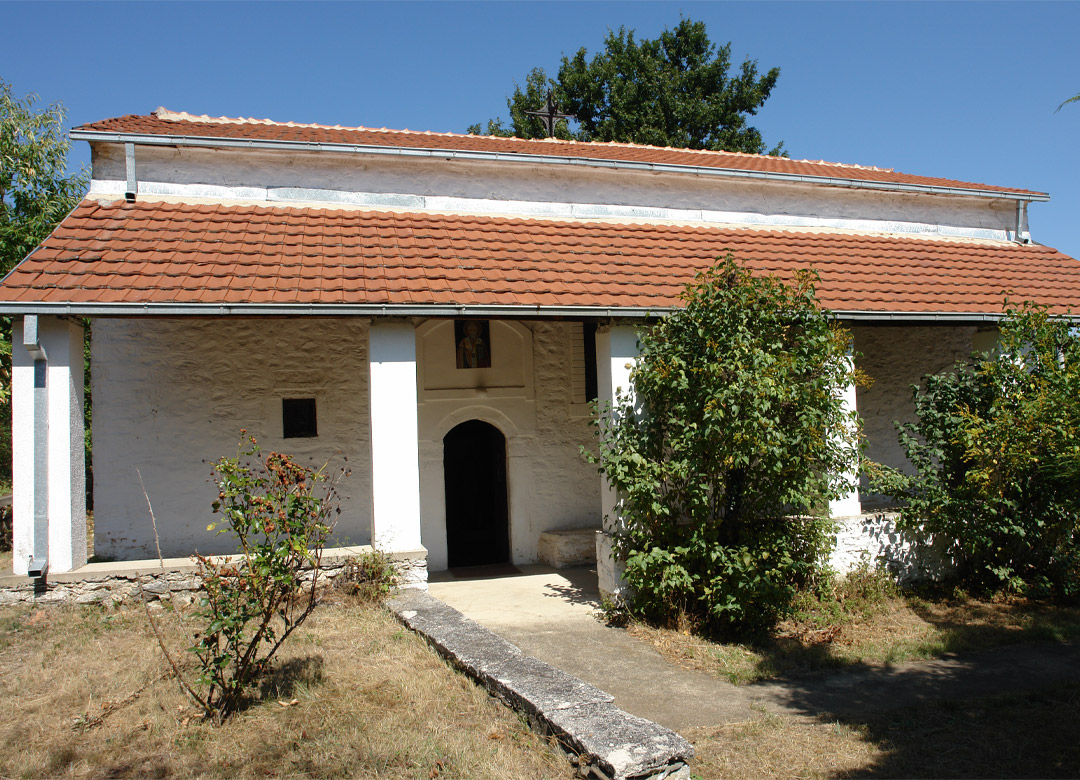
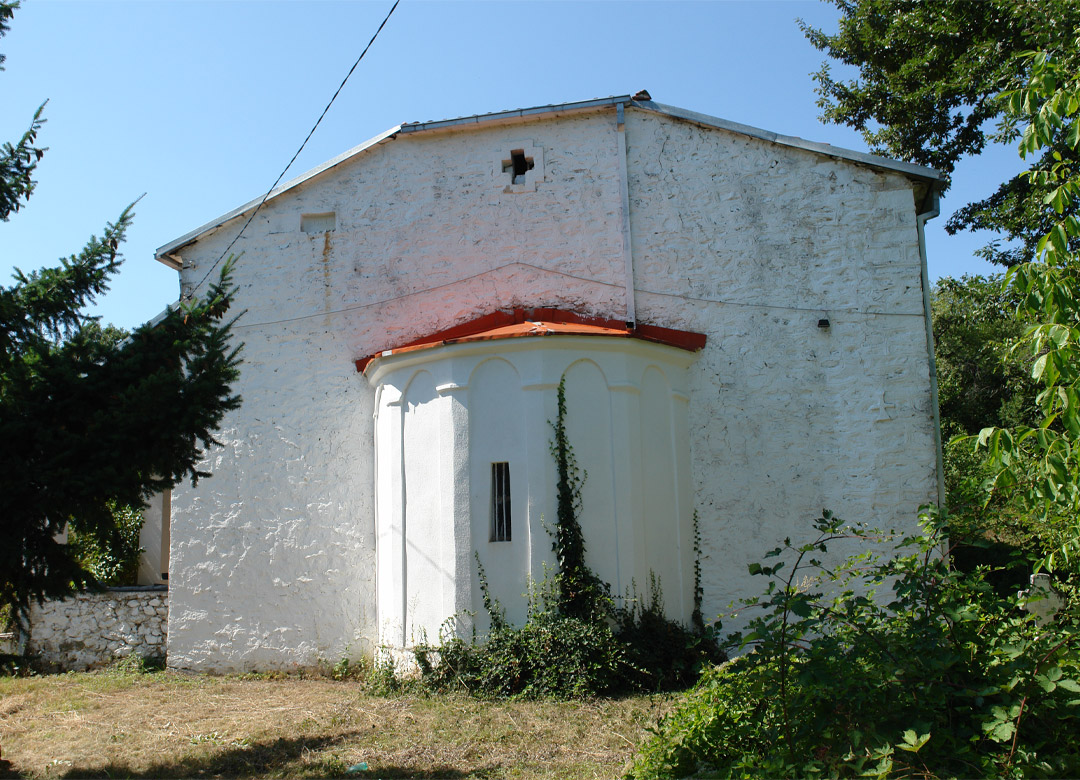
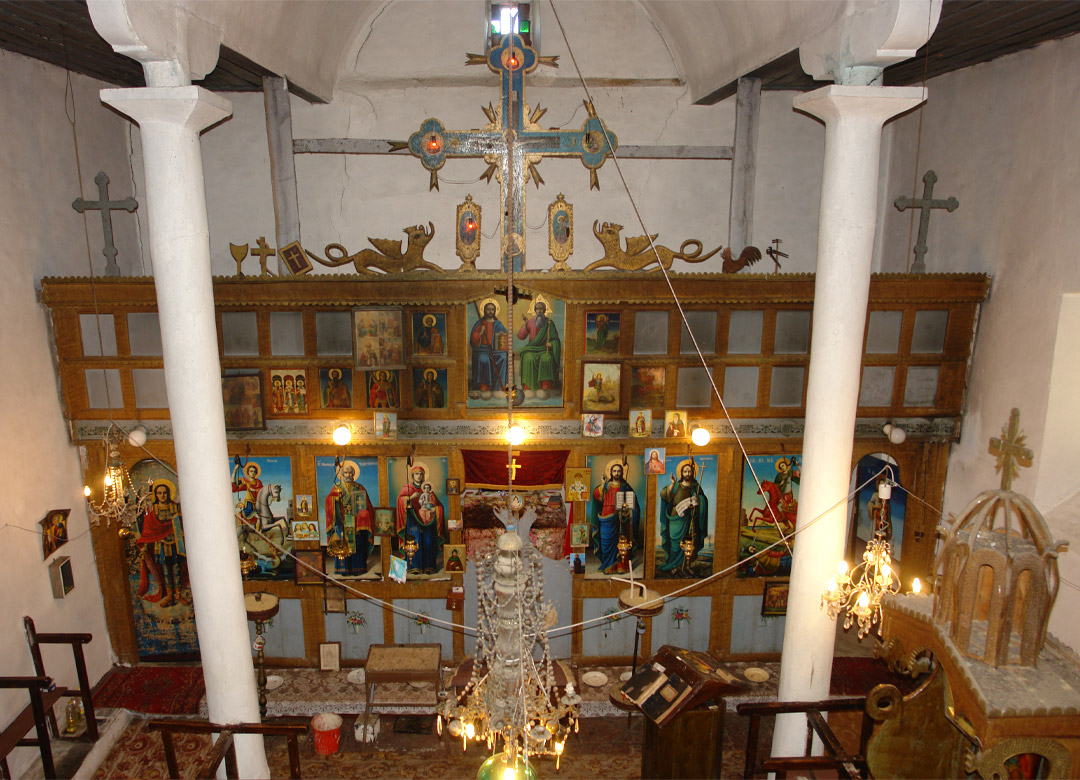
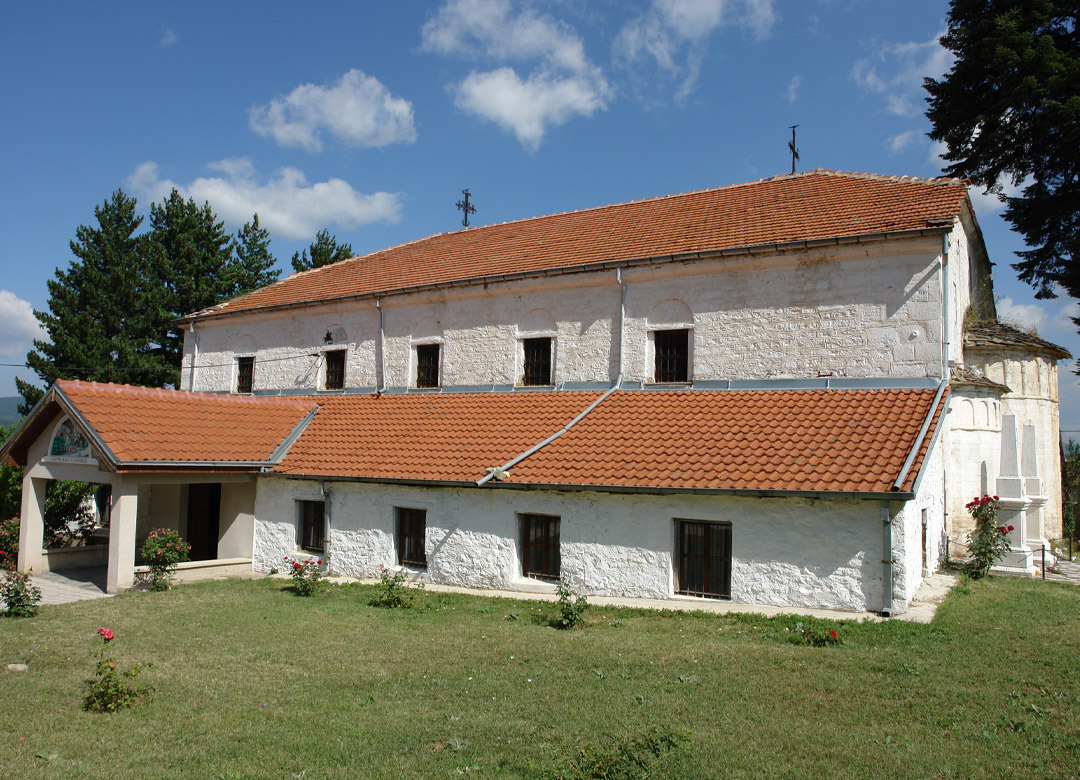
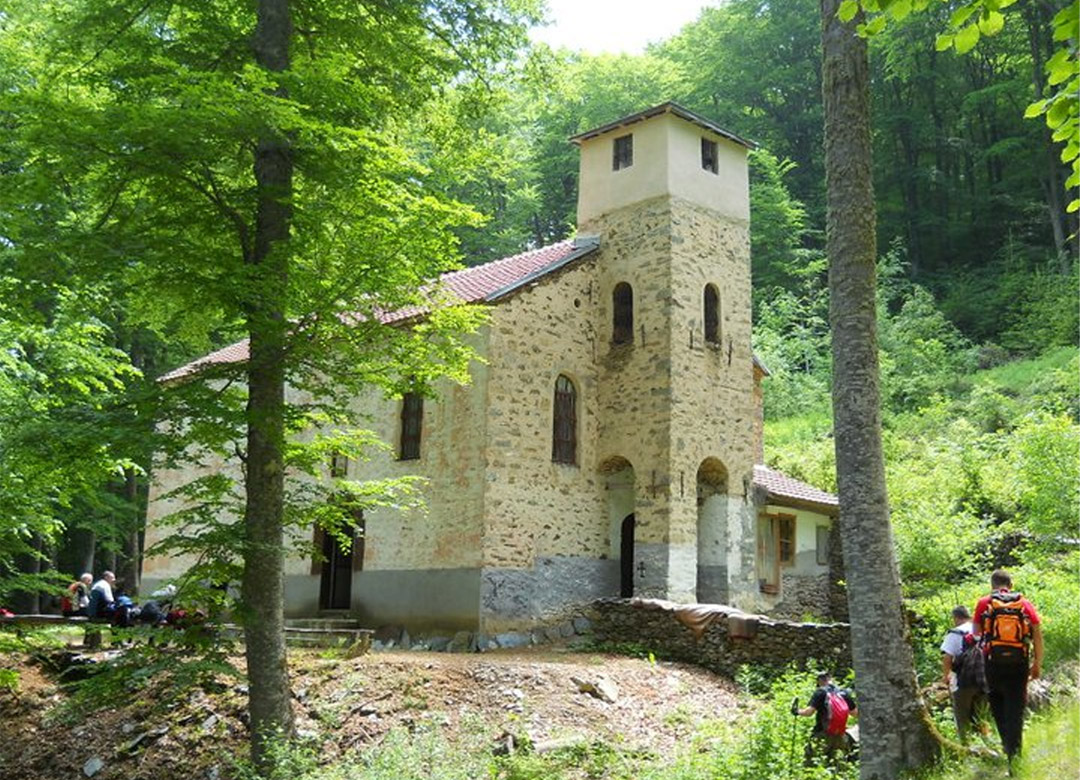
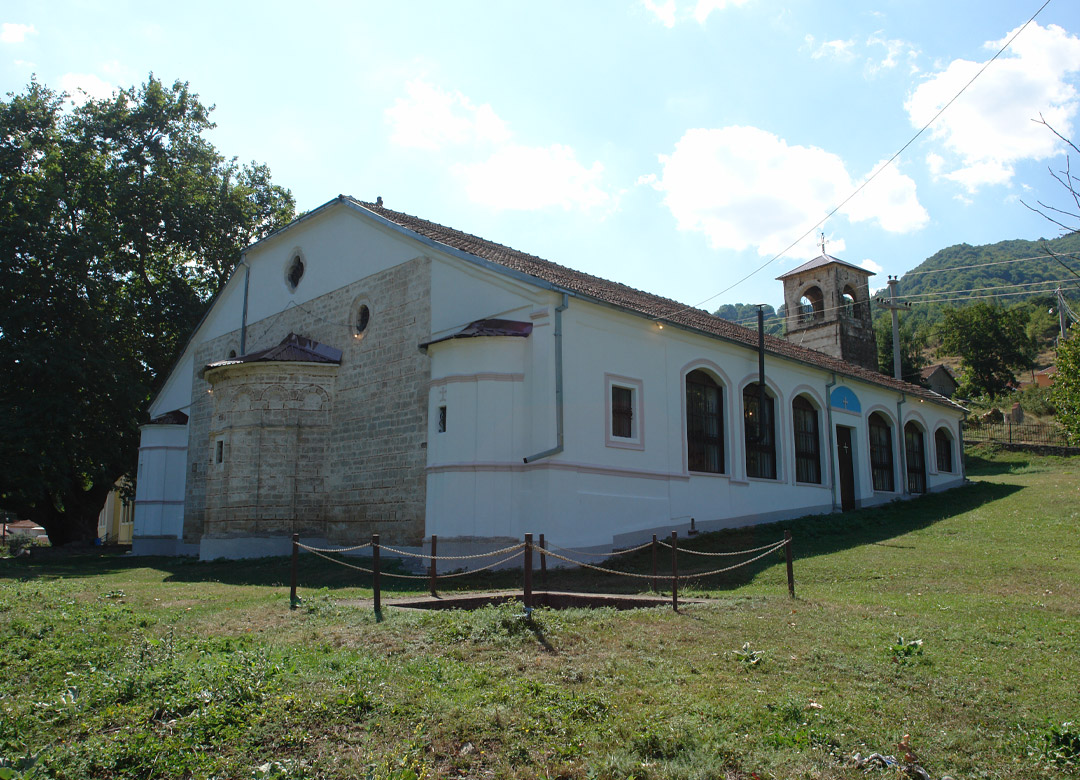
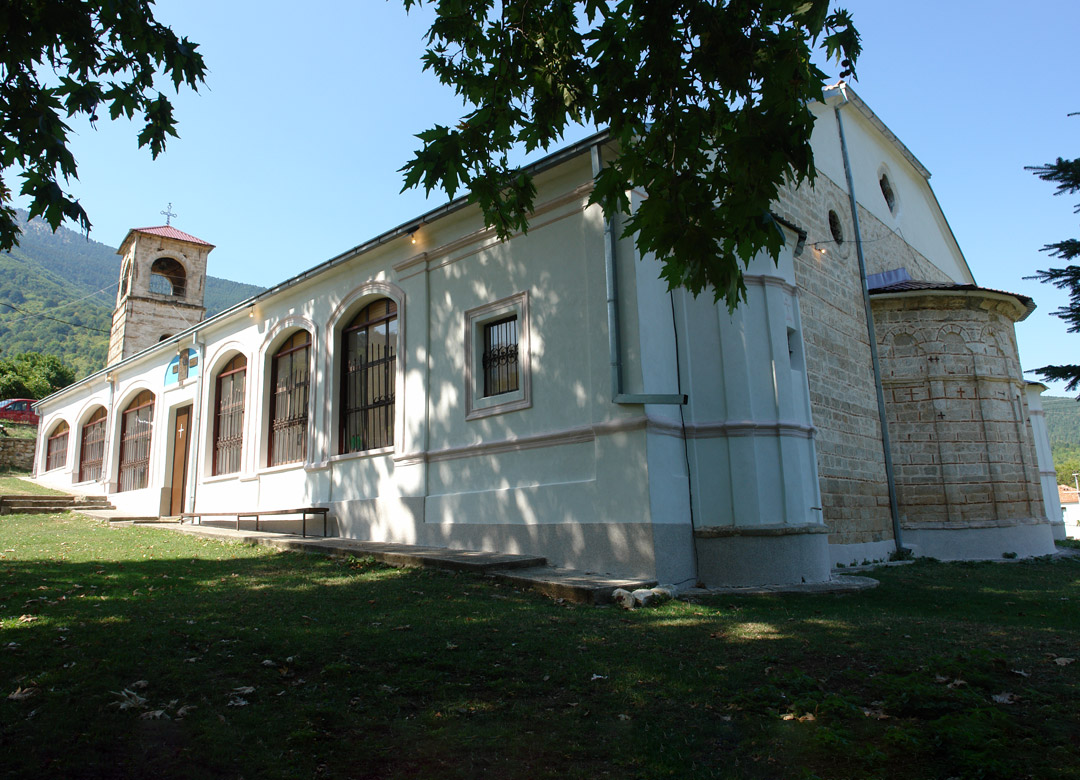
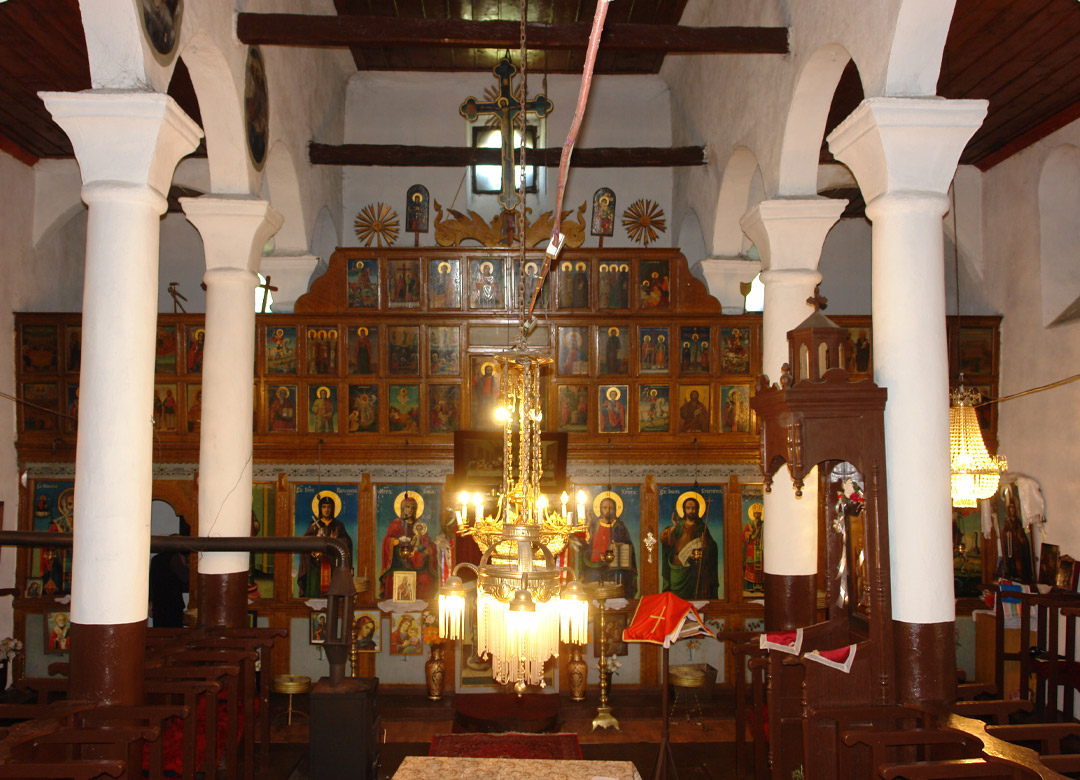
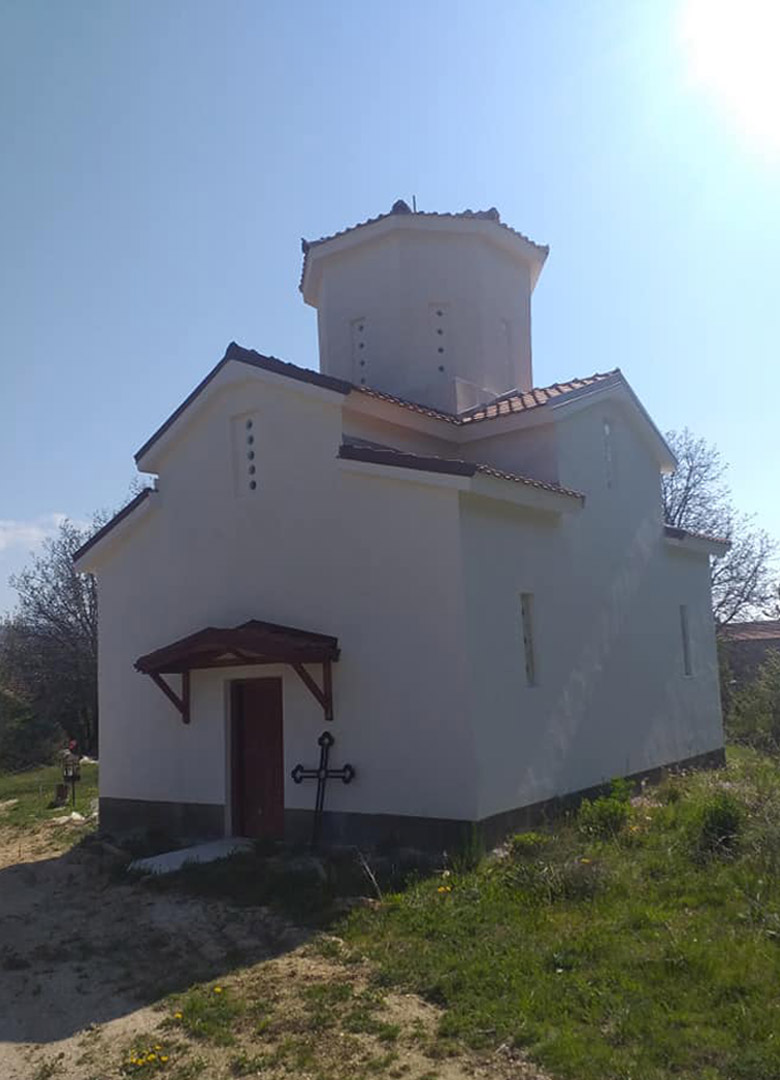
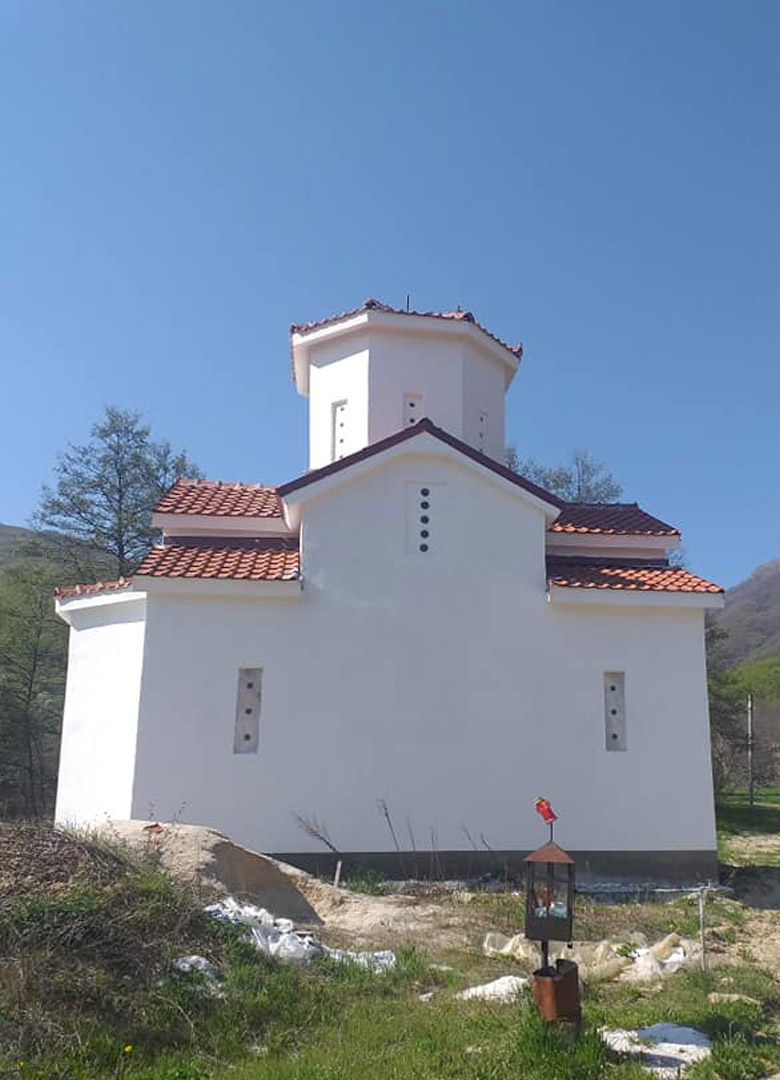
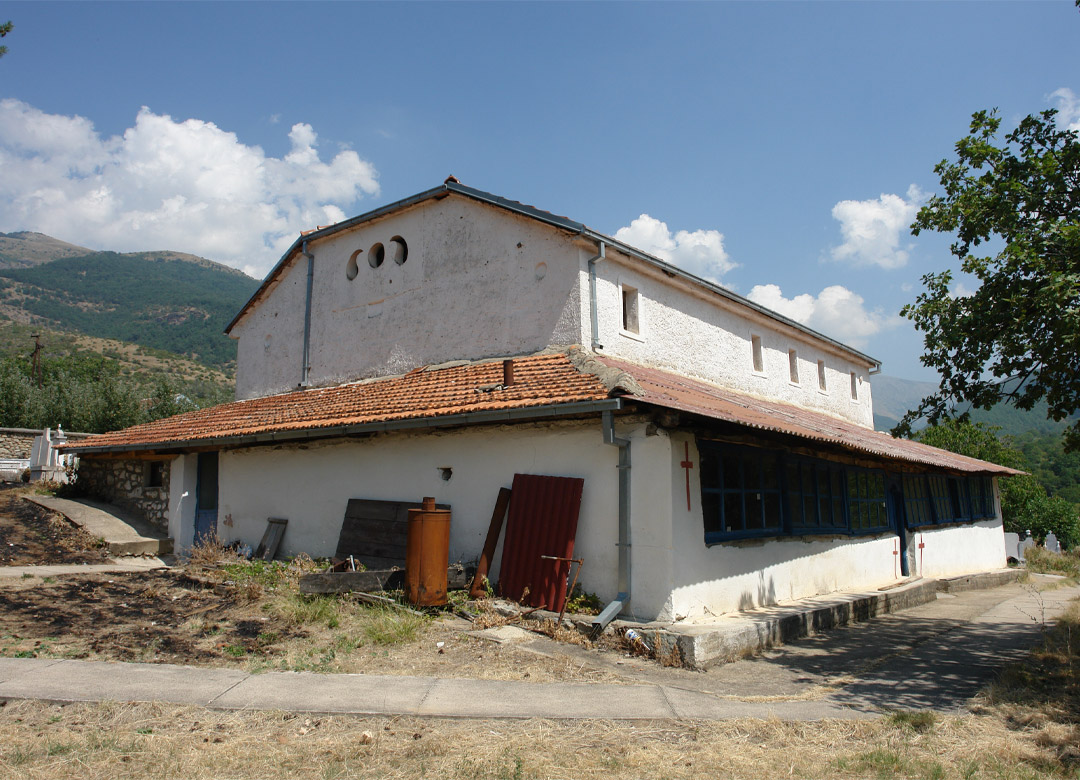
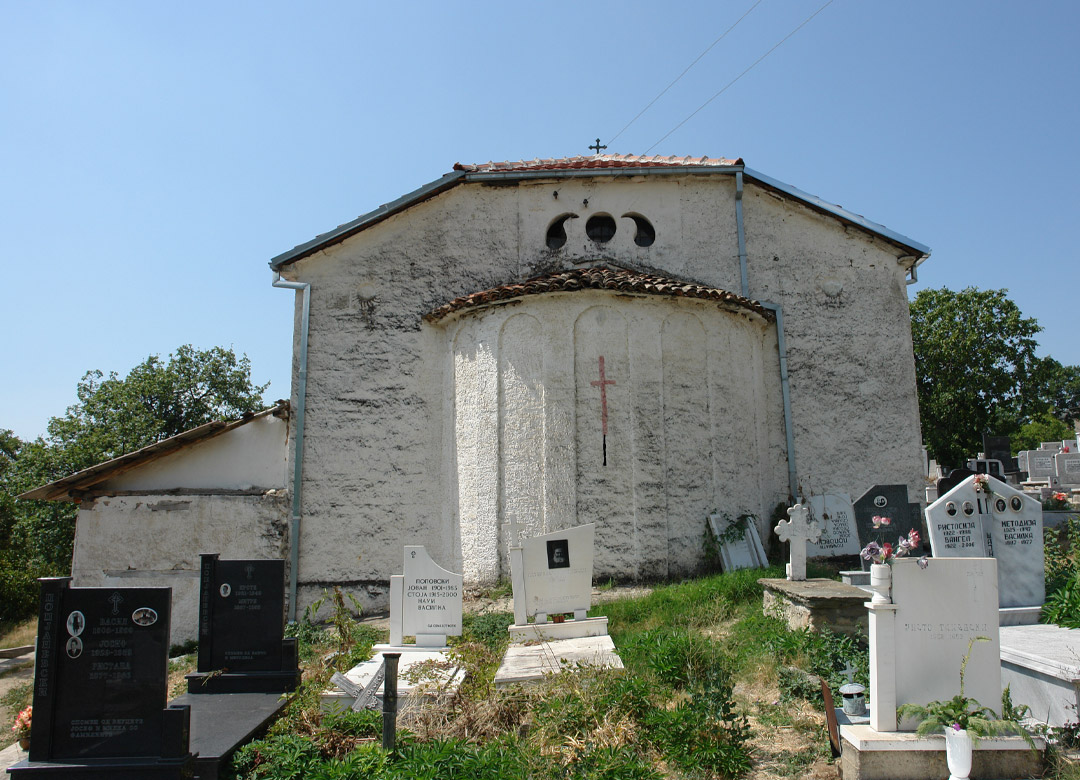
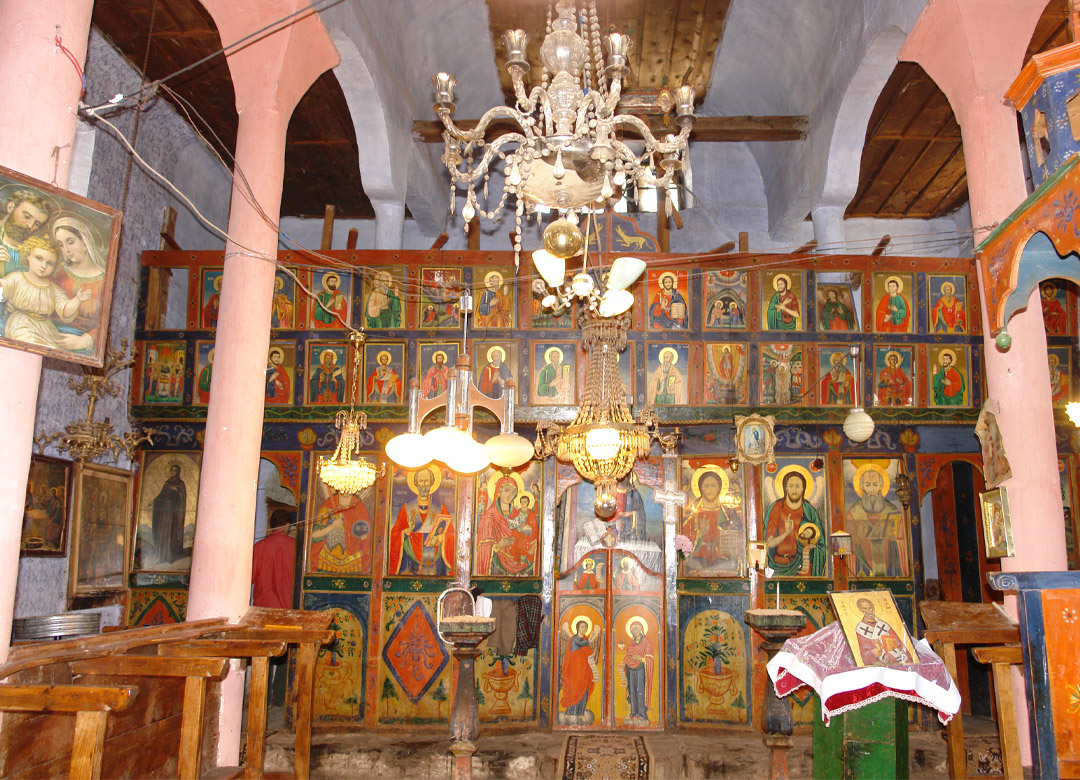
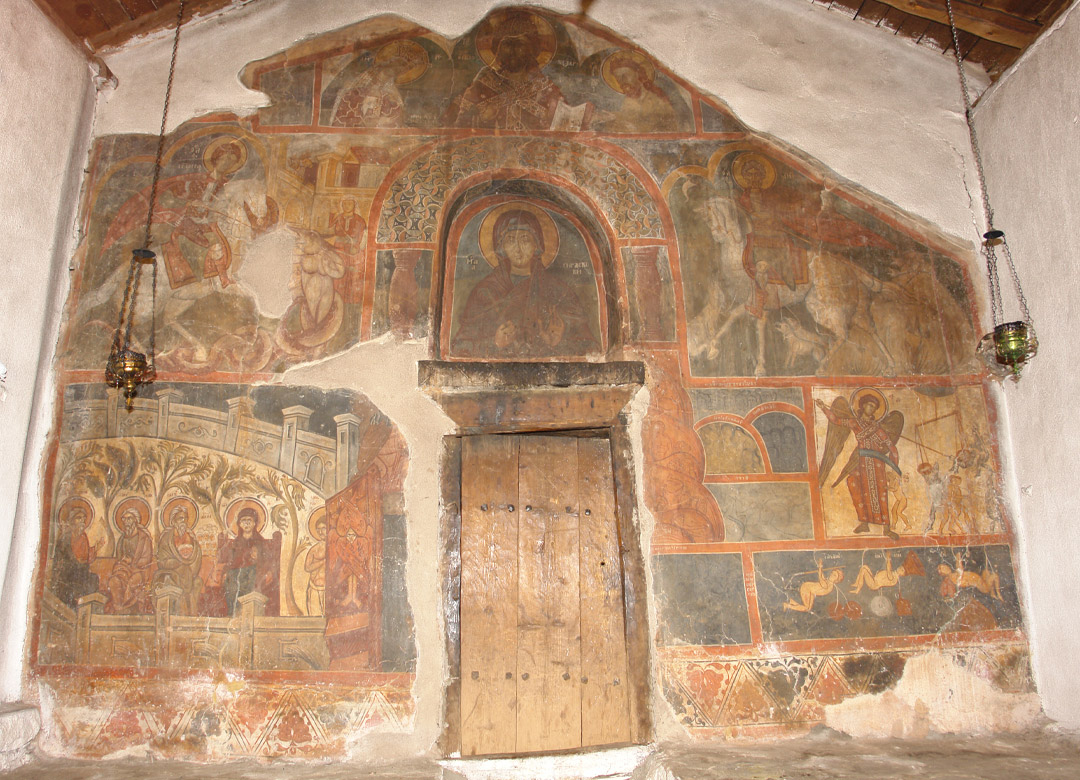
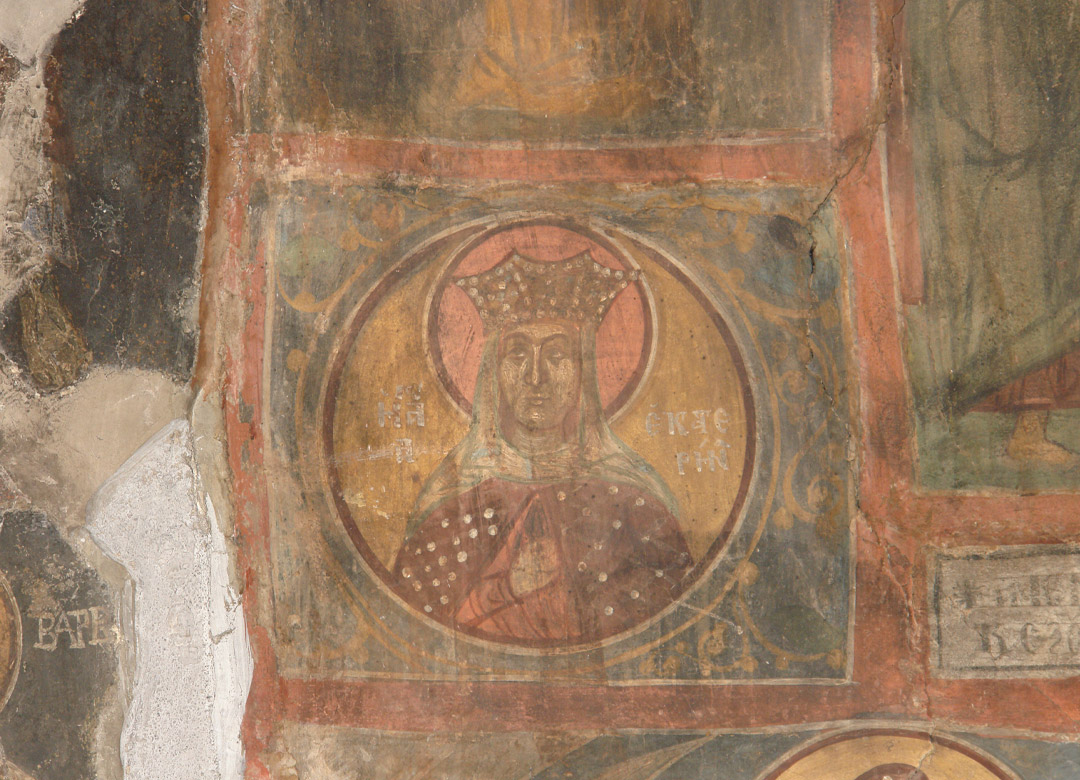
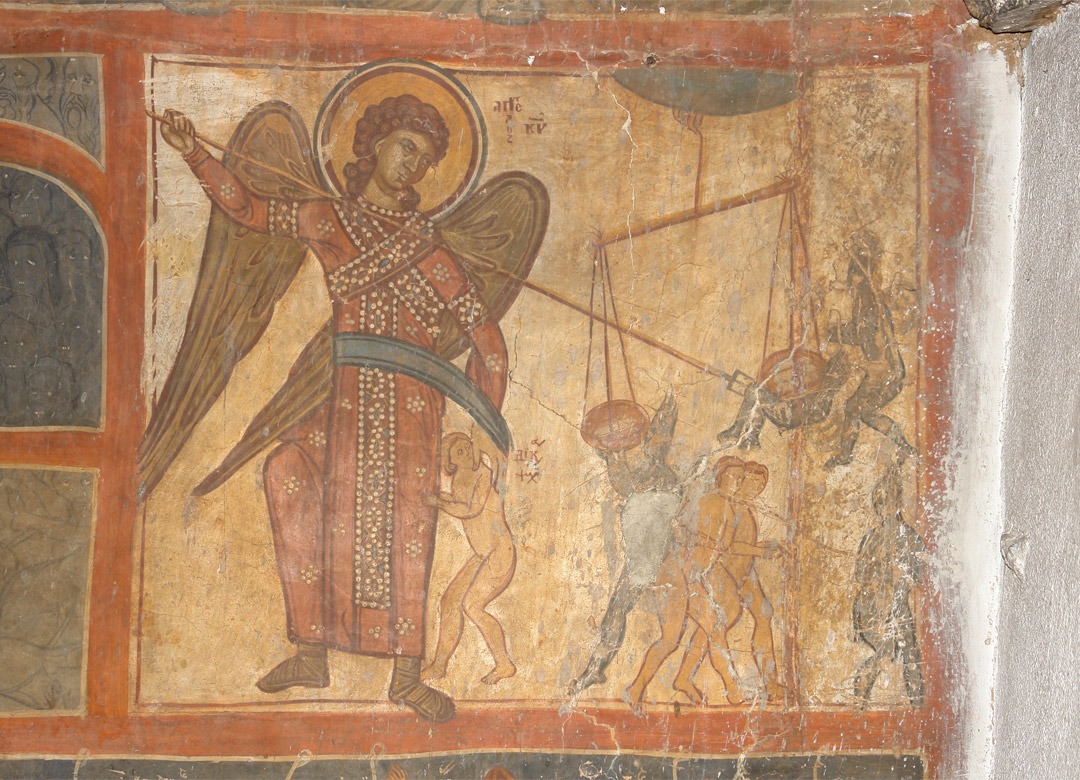
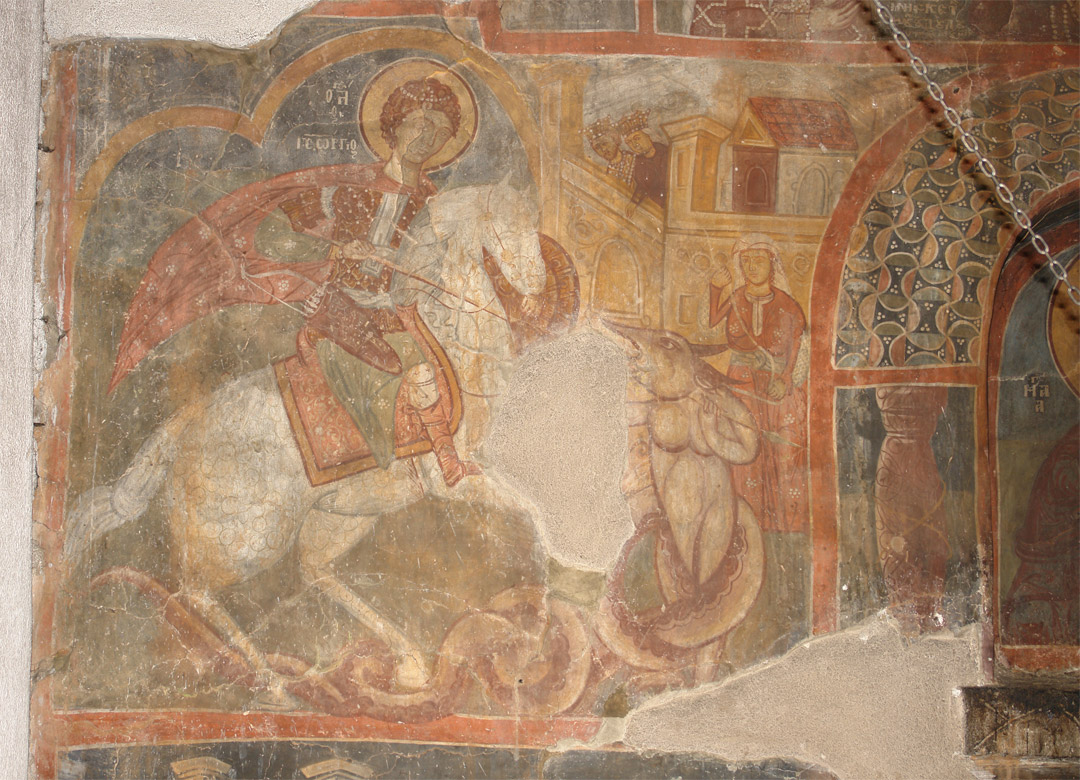
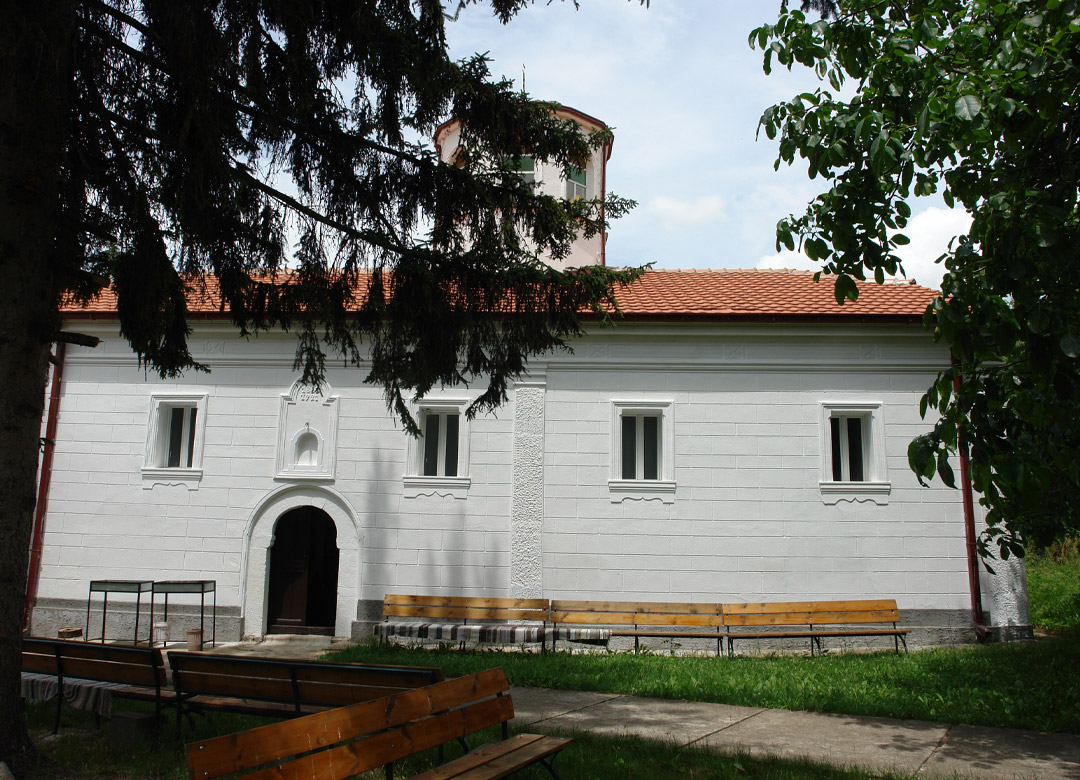
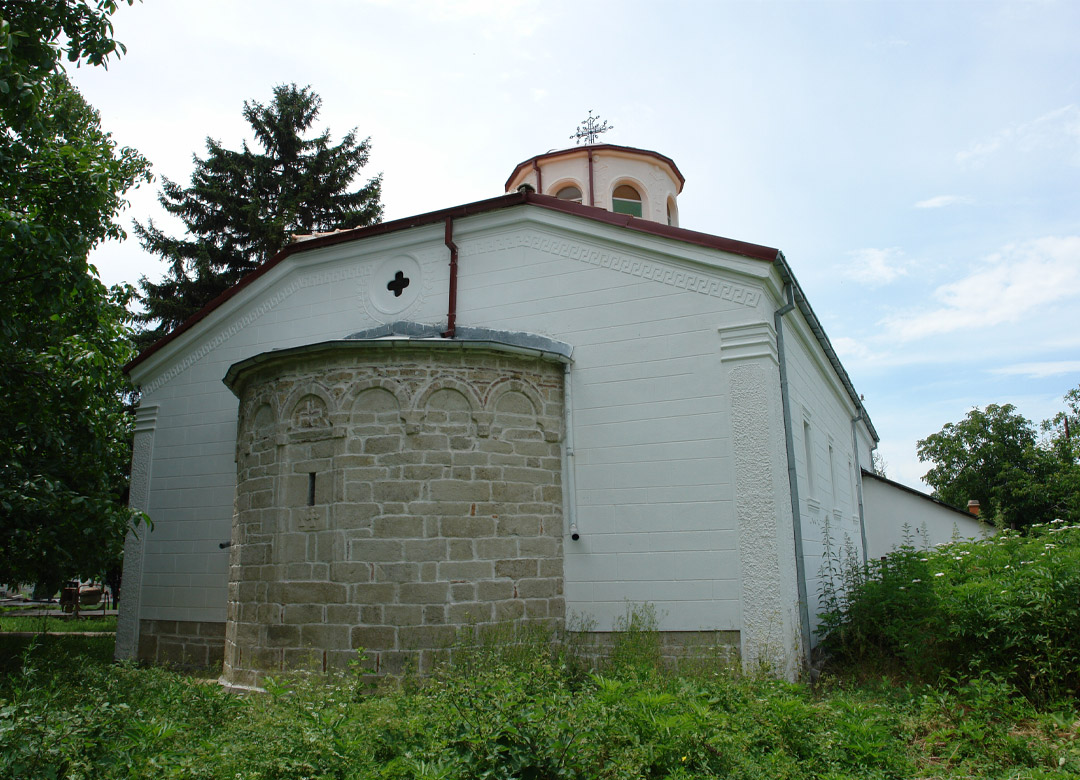
The Church of the Holy Mother of God
Archaeological Sites
Trnovski Lozja serves as a Roman necropolis, while Kale represents a settlement dating from the Iron Age and Late Antiquity, located 1 km east of the village.
Manifestations & Events
The All-Macedonian Gathering in Trnovo and the Fair of Local Products are key events that promote local development, tradition, and alternative tourism.
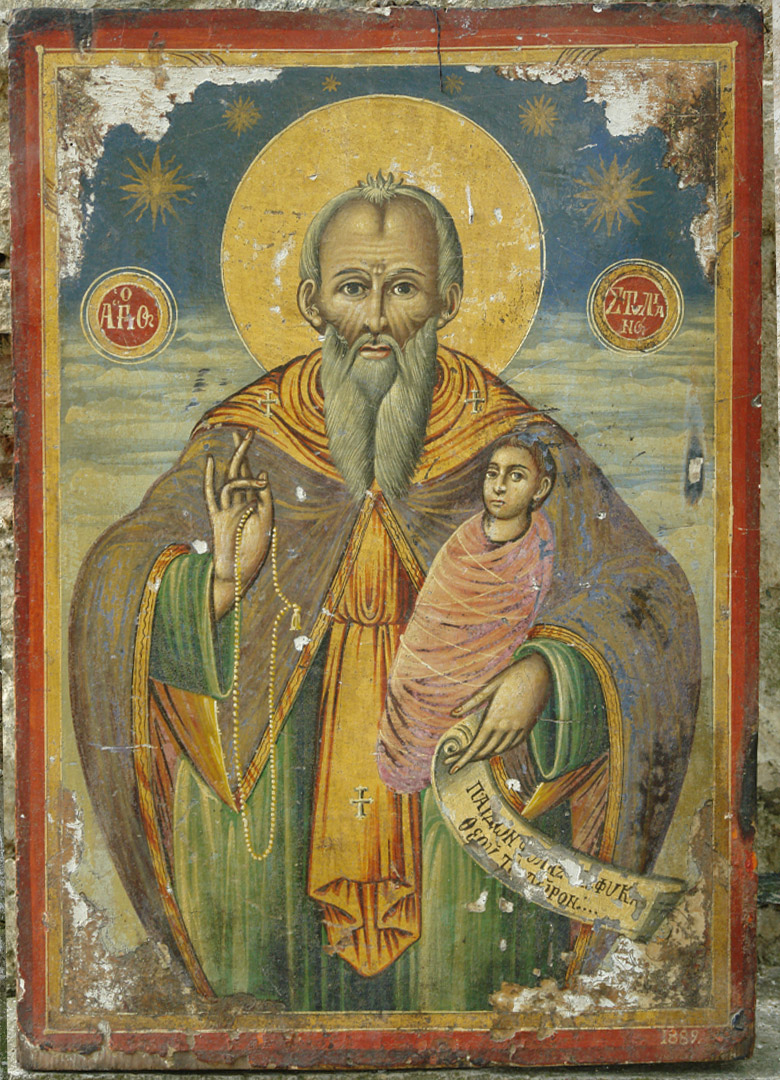
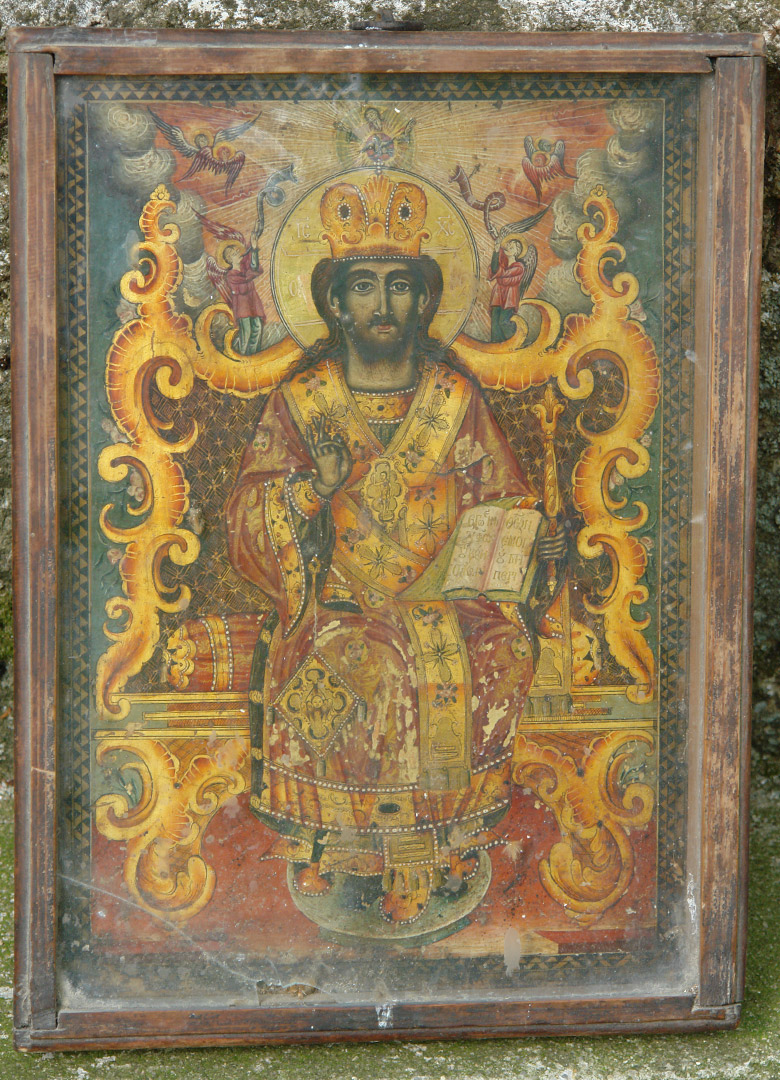
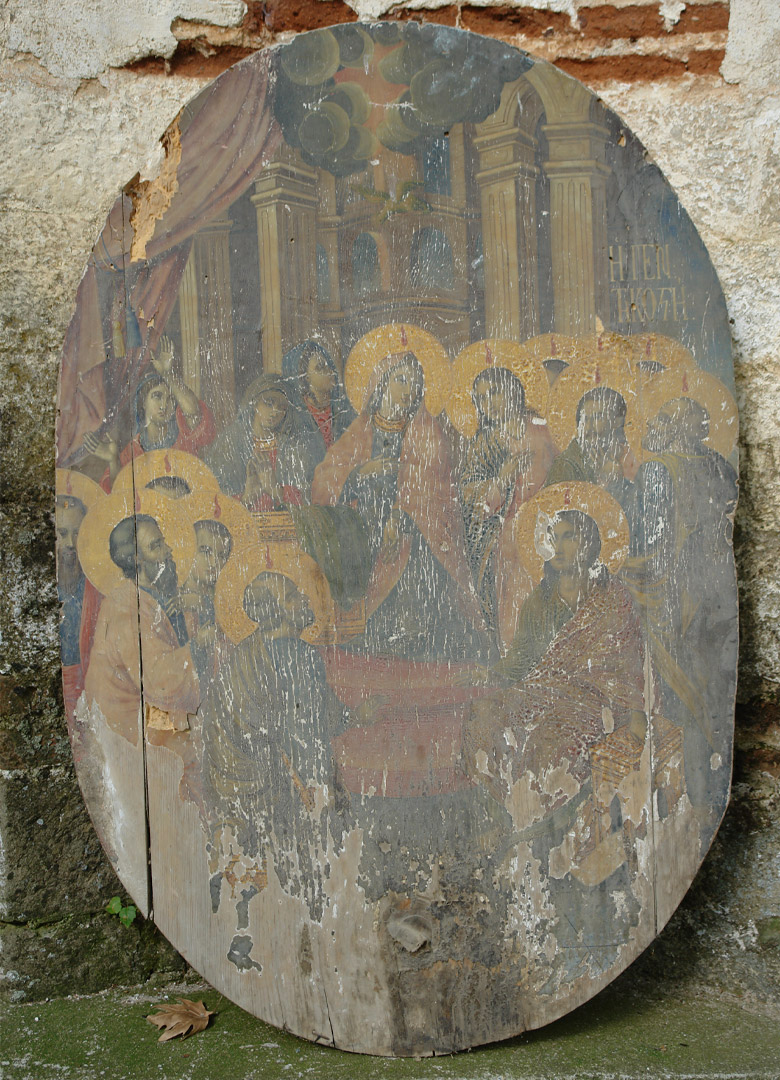
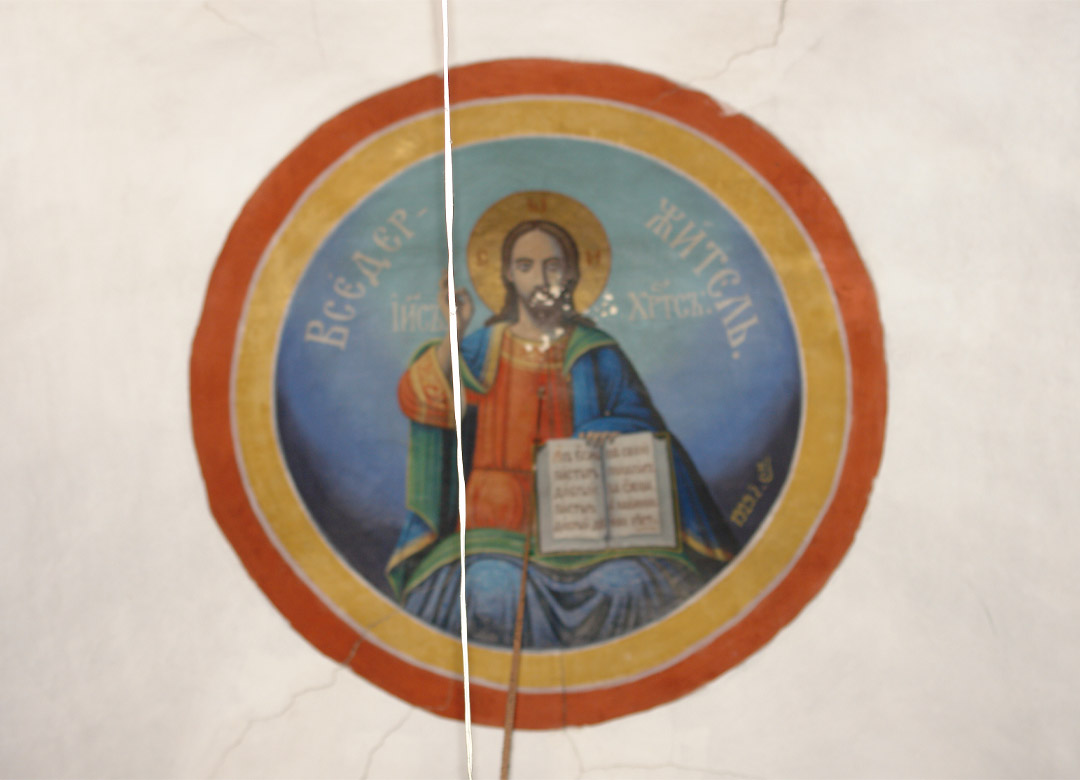
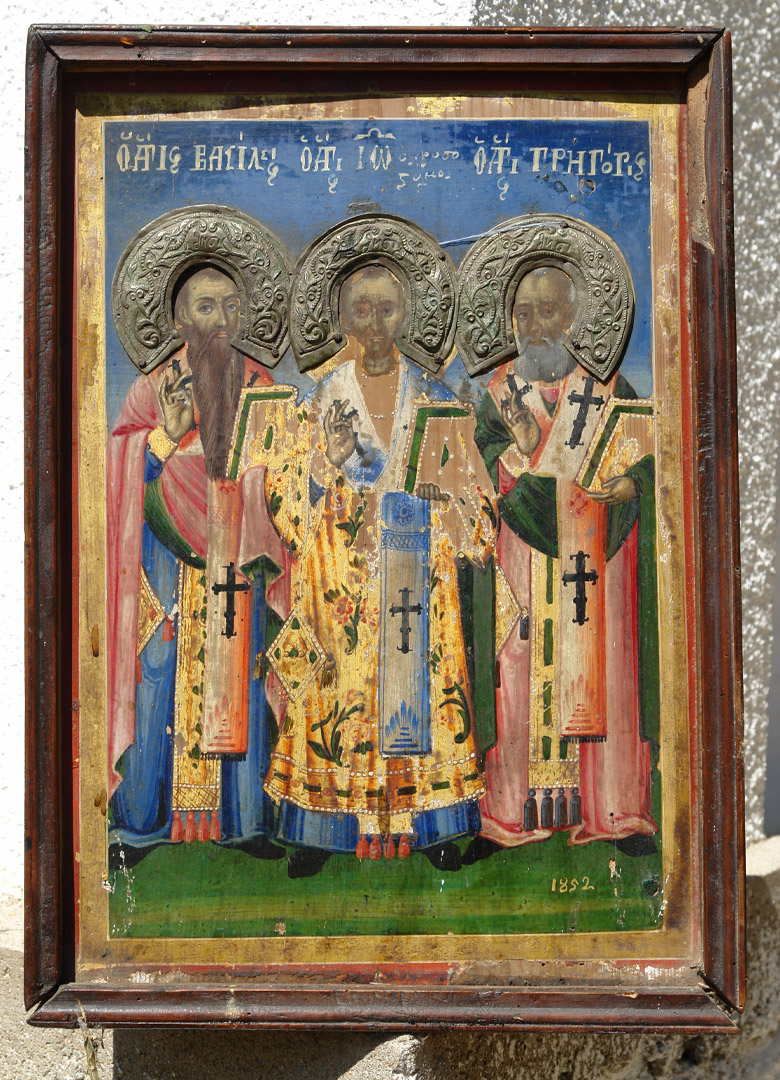
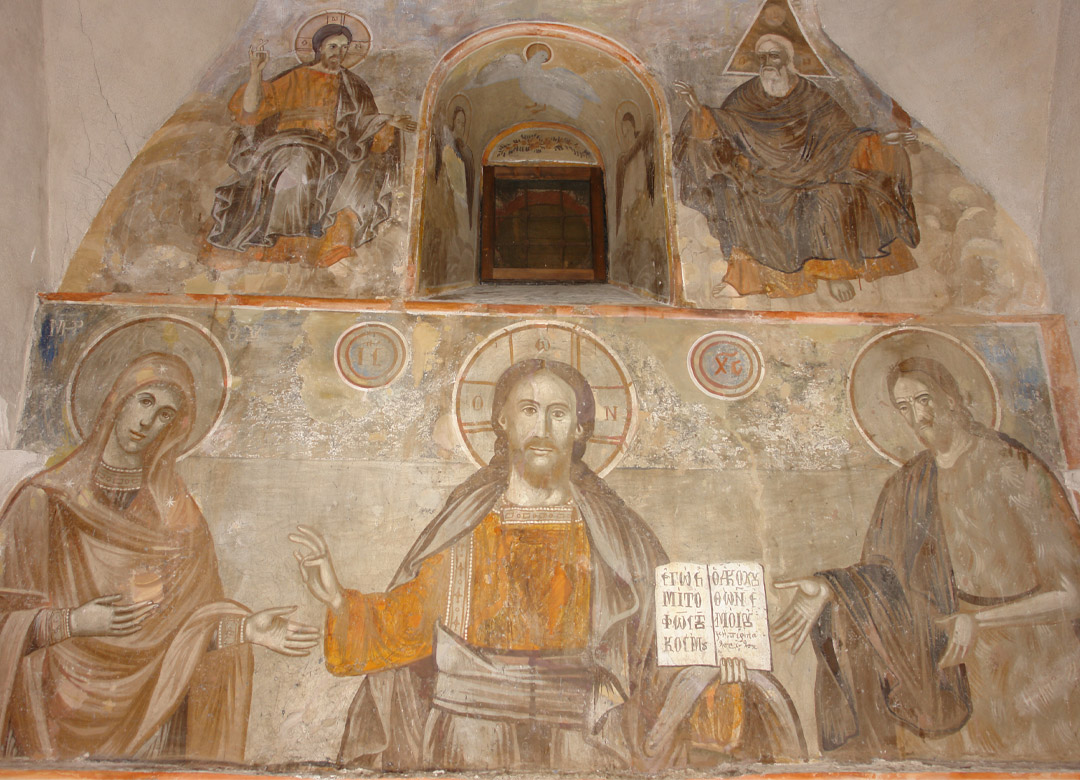
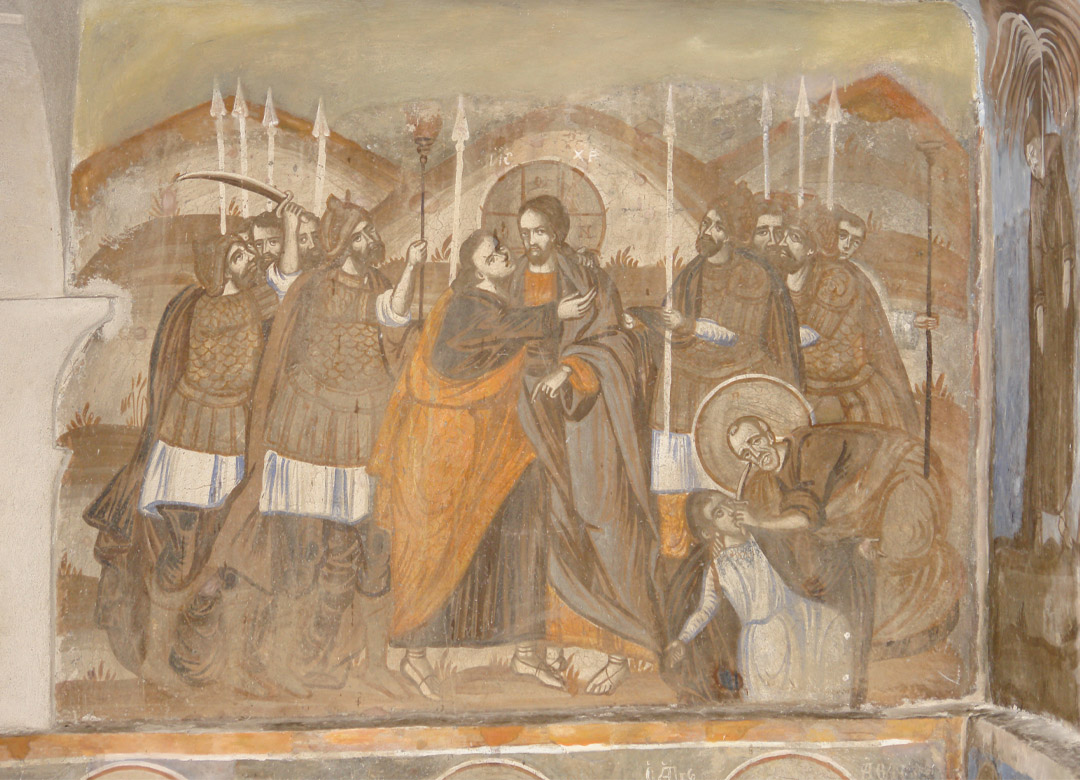
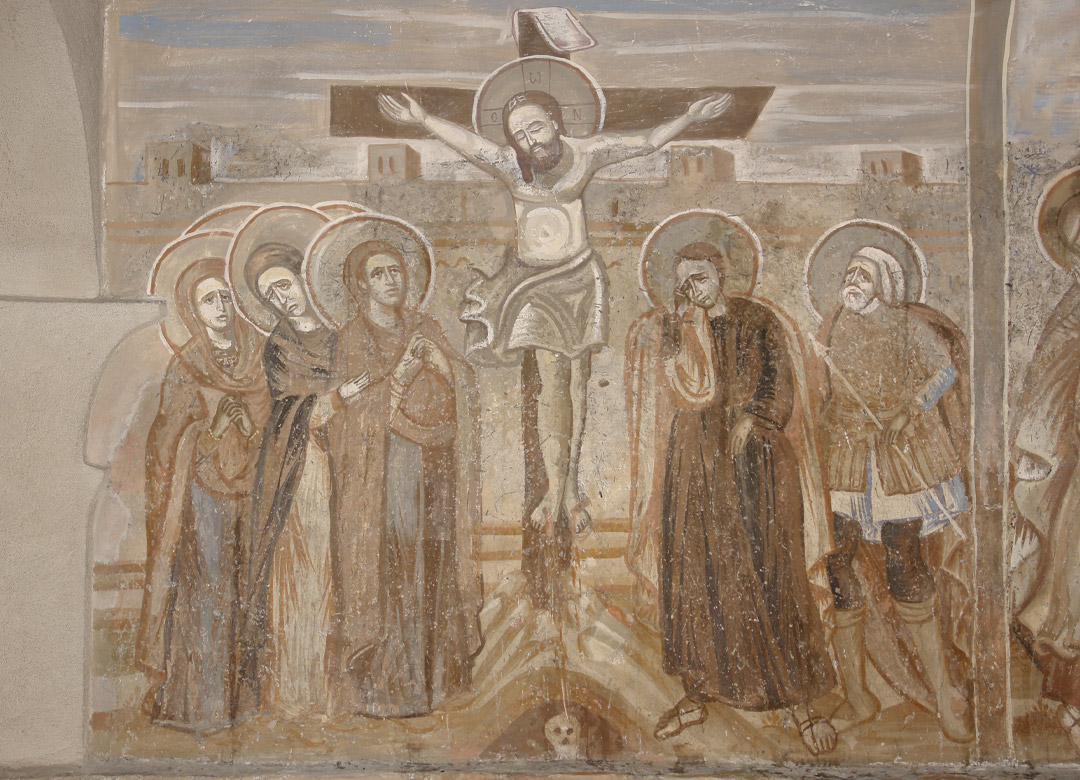
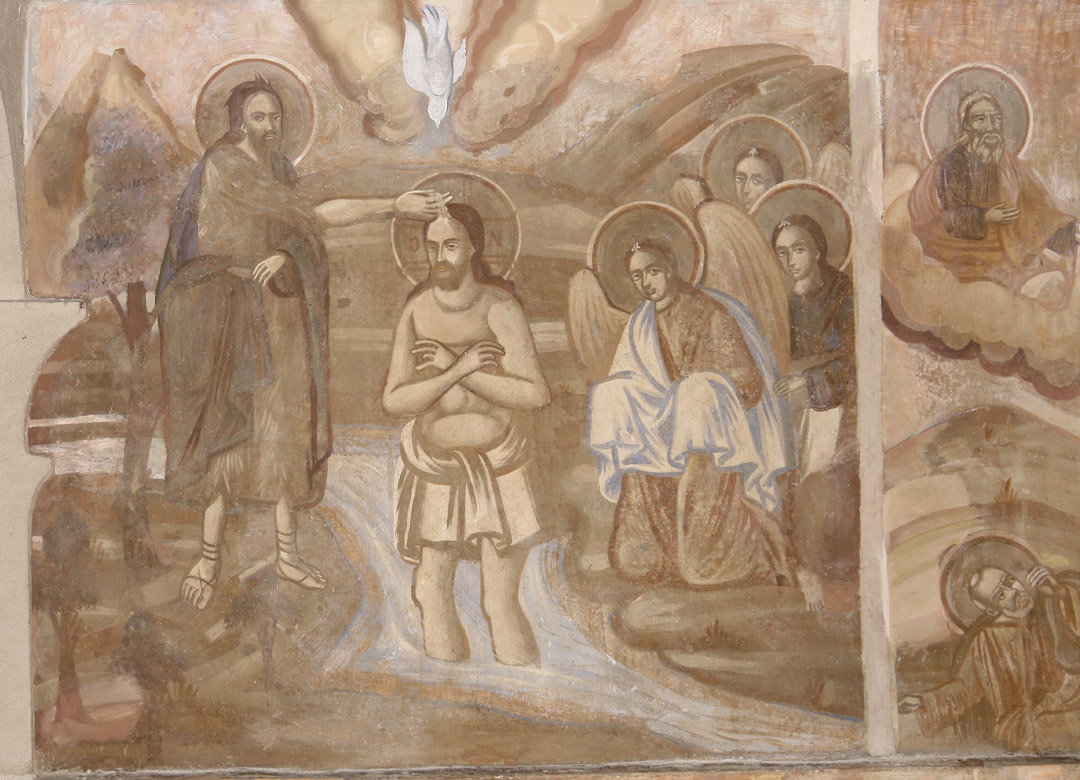
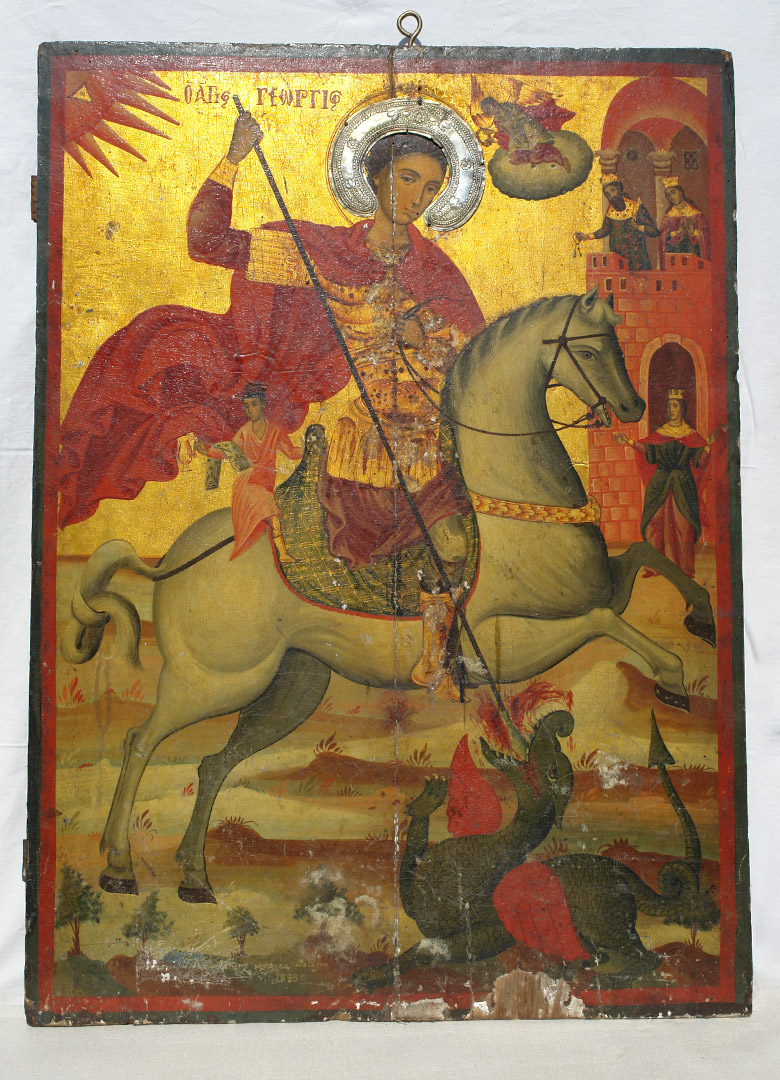
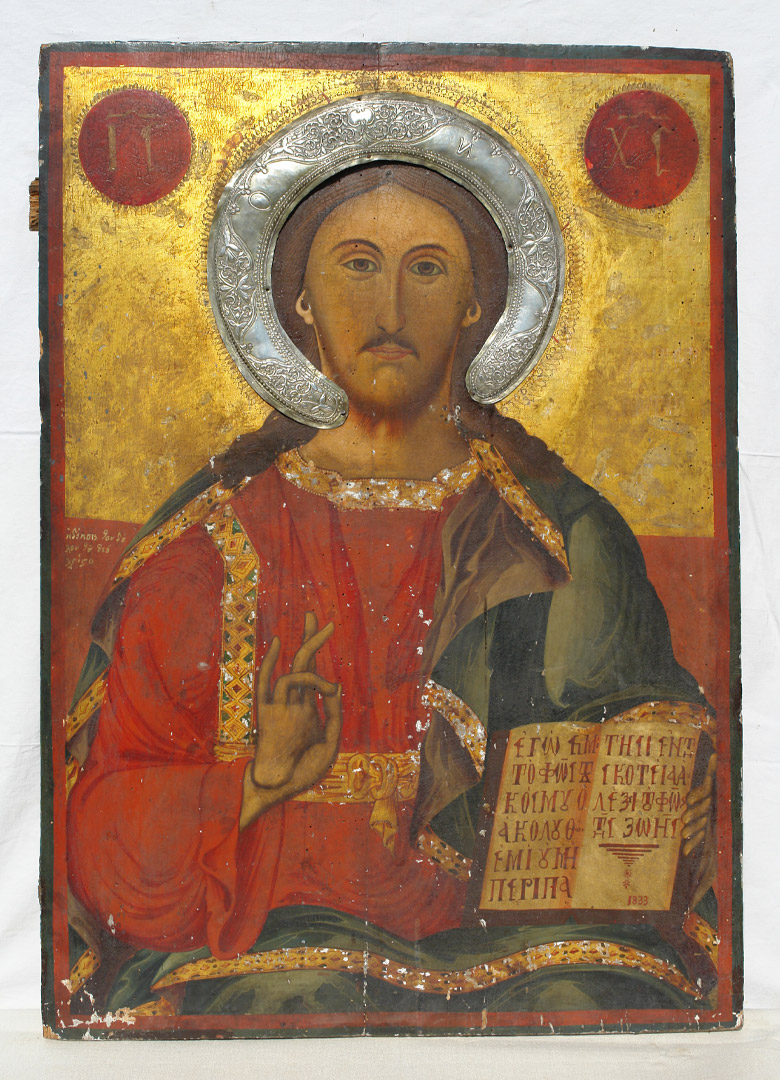
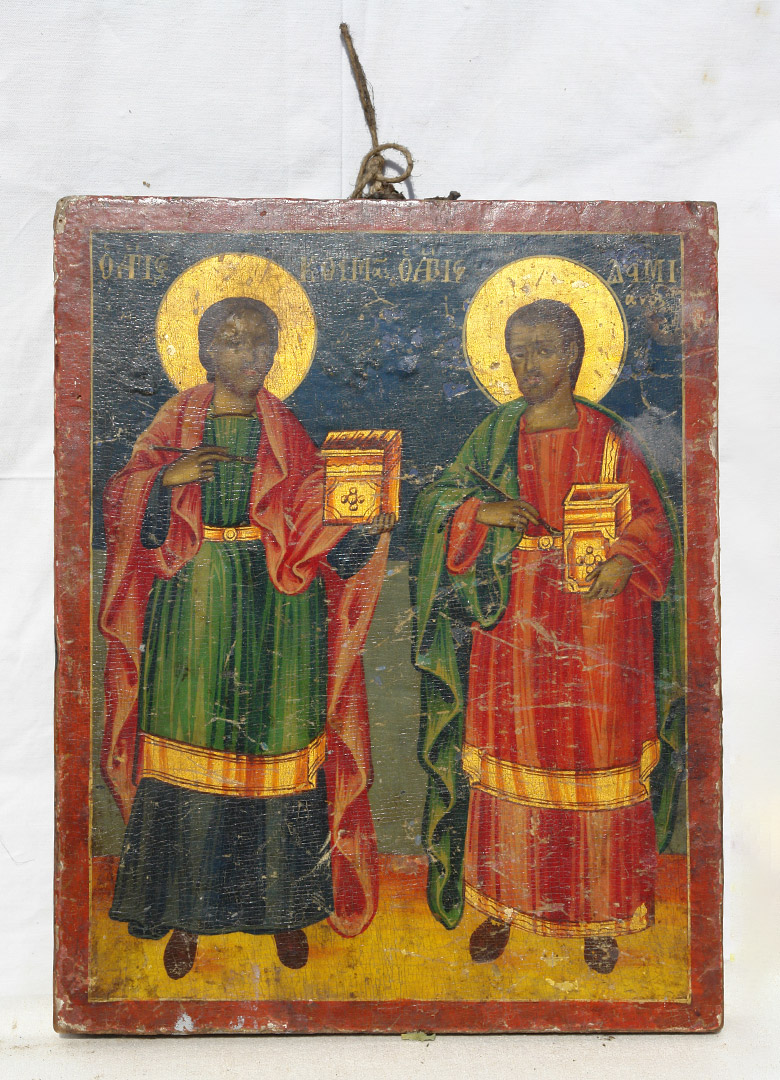
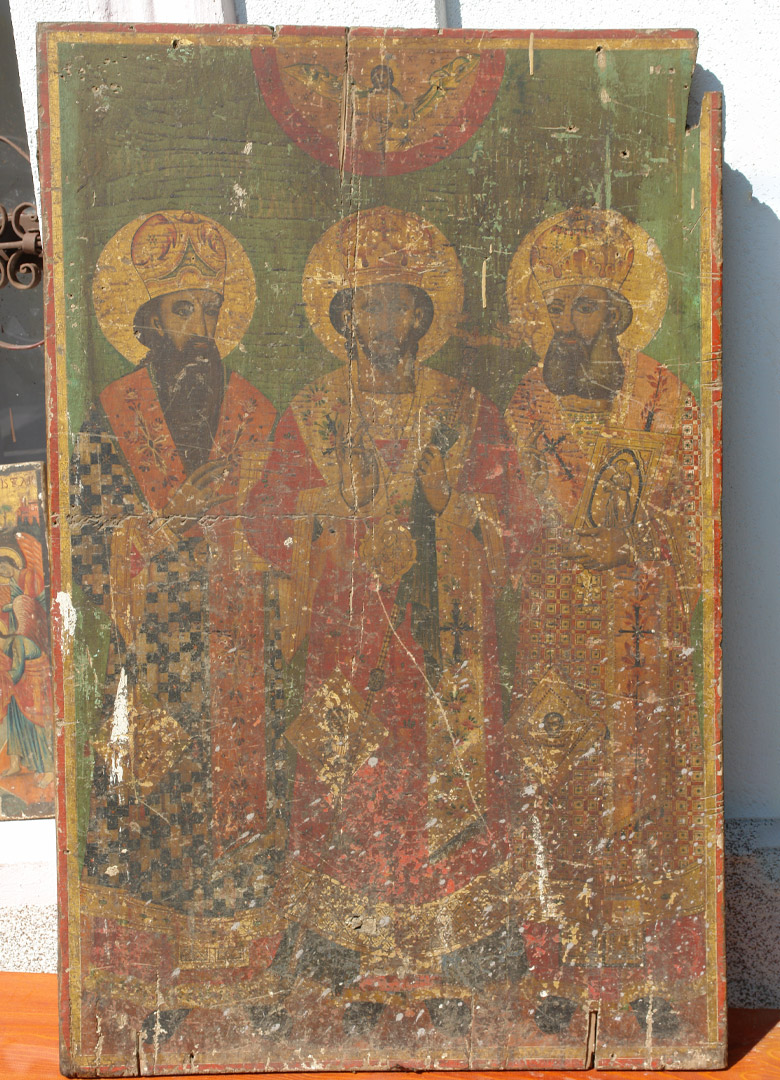
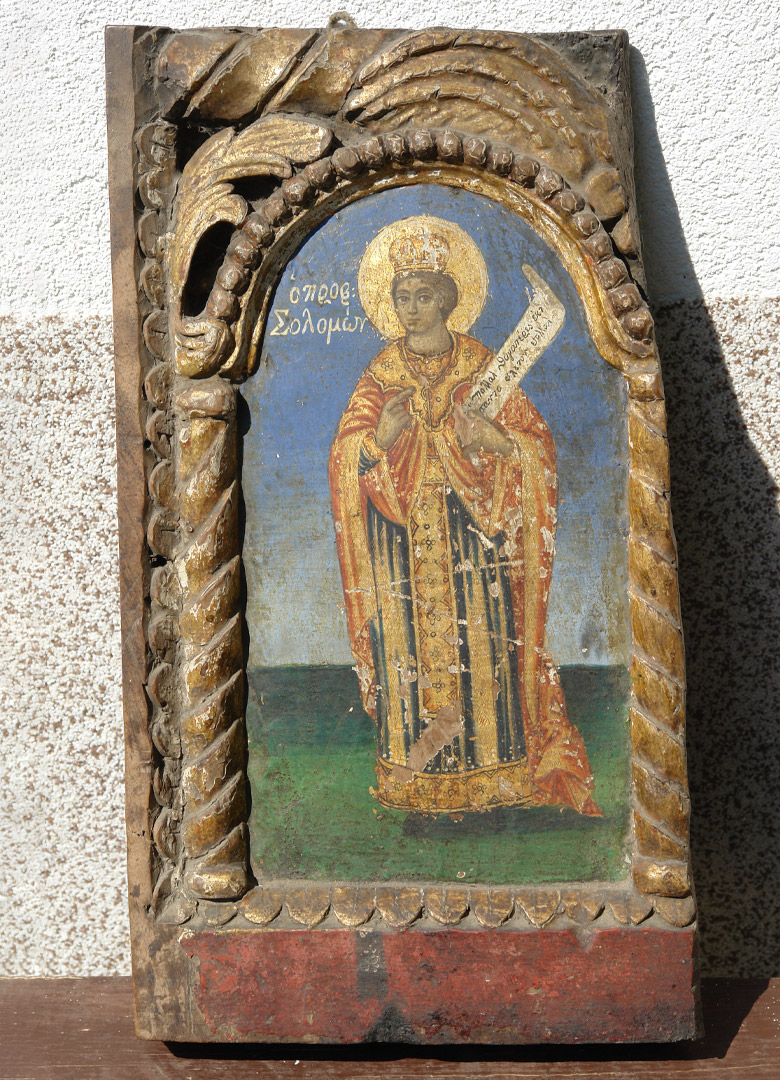
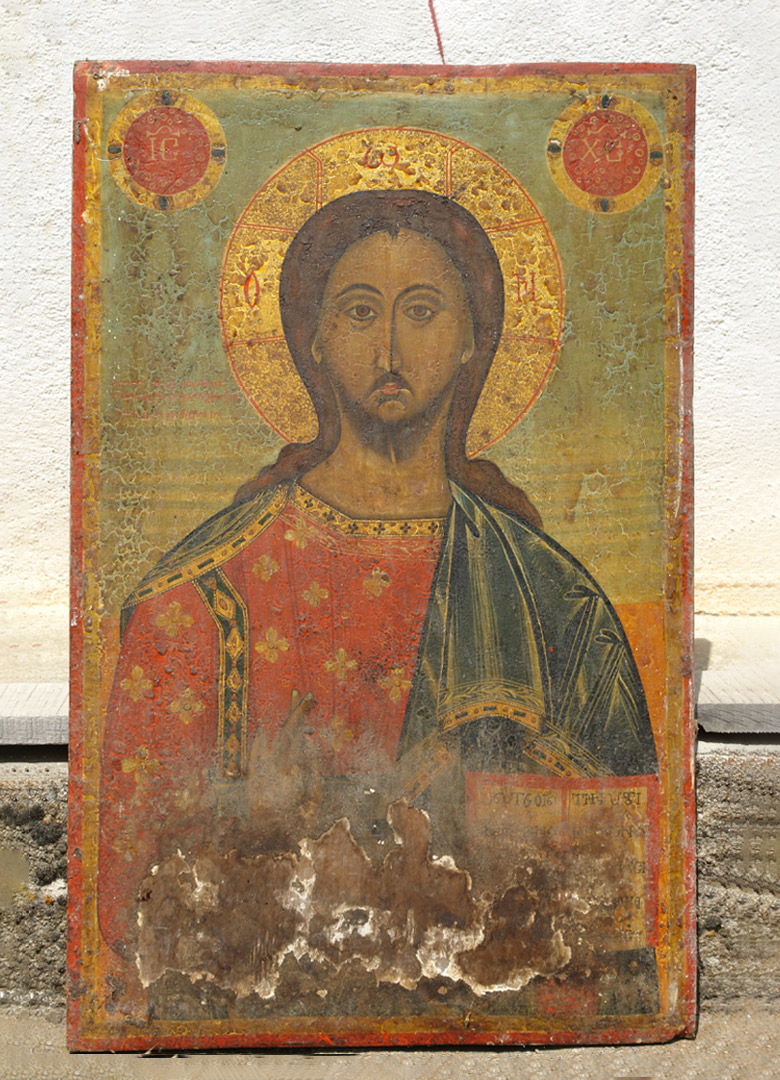
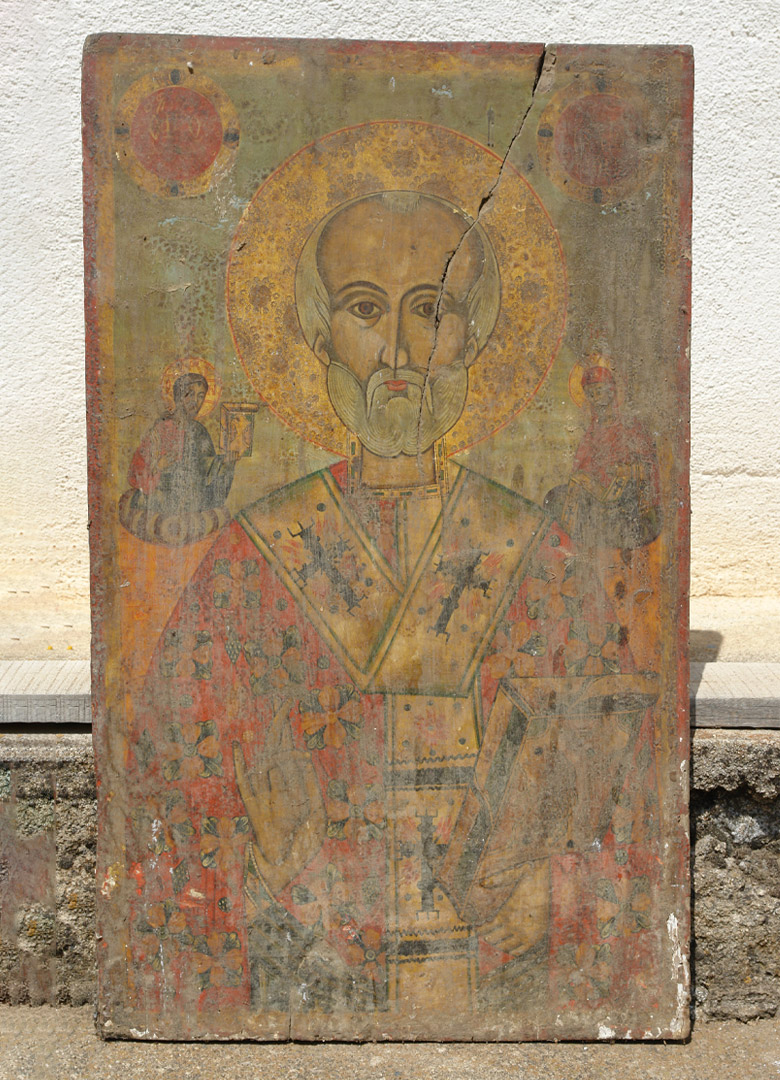
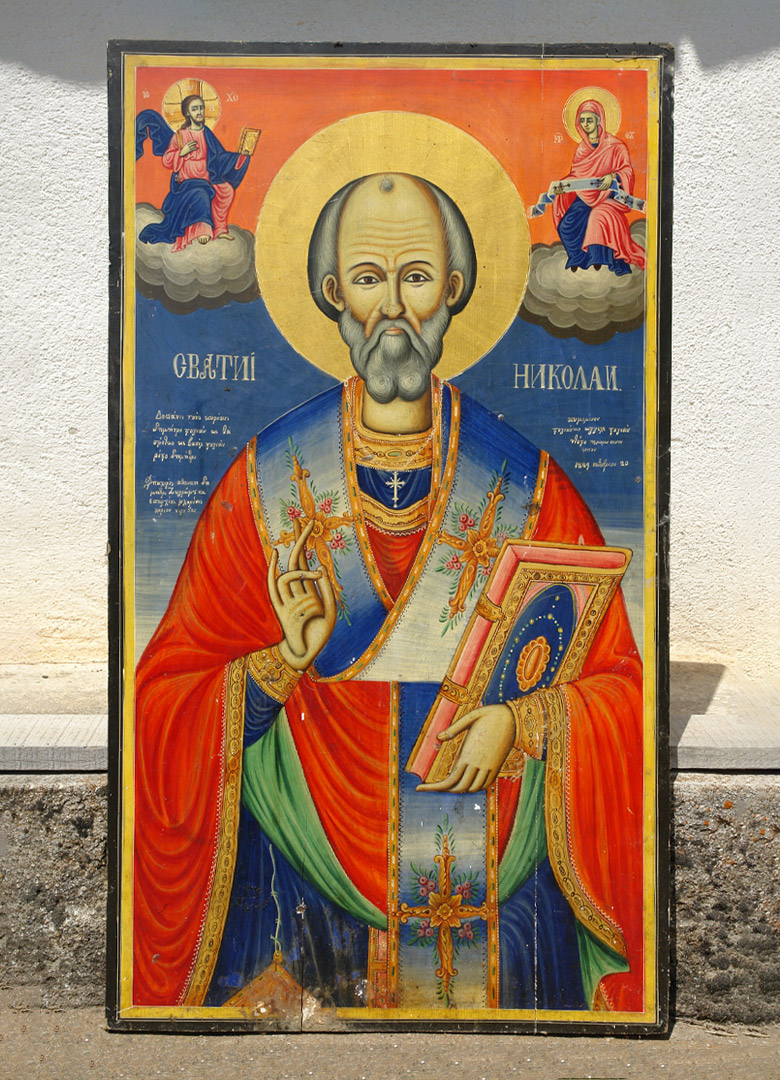
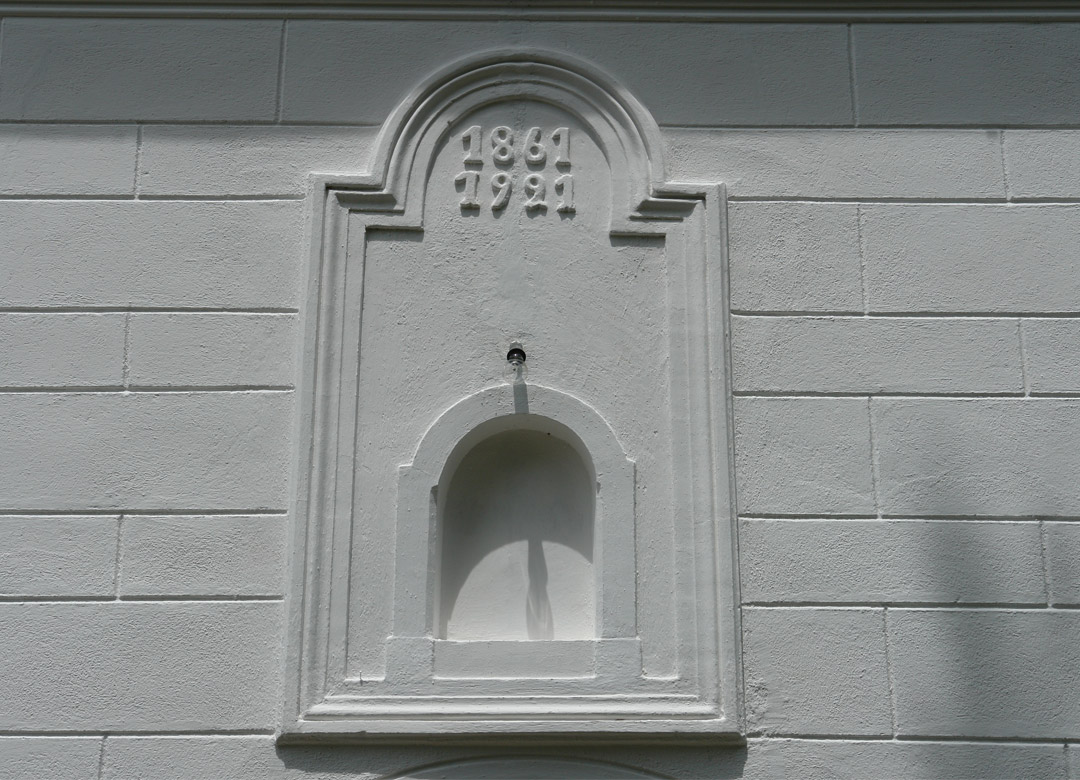
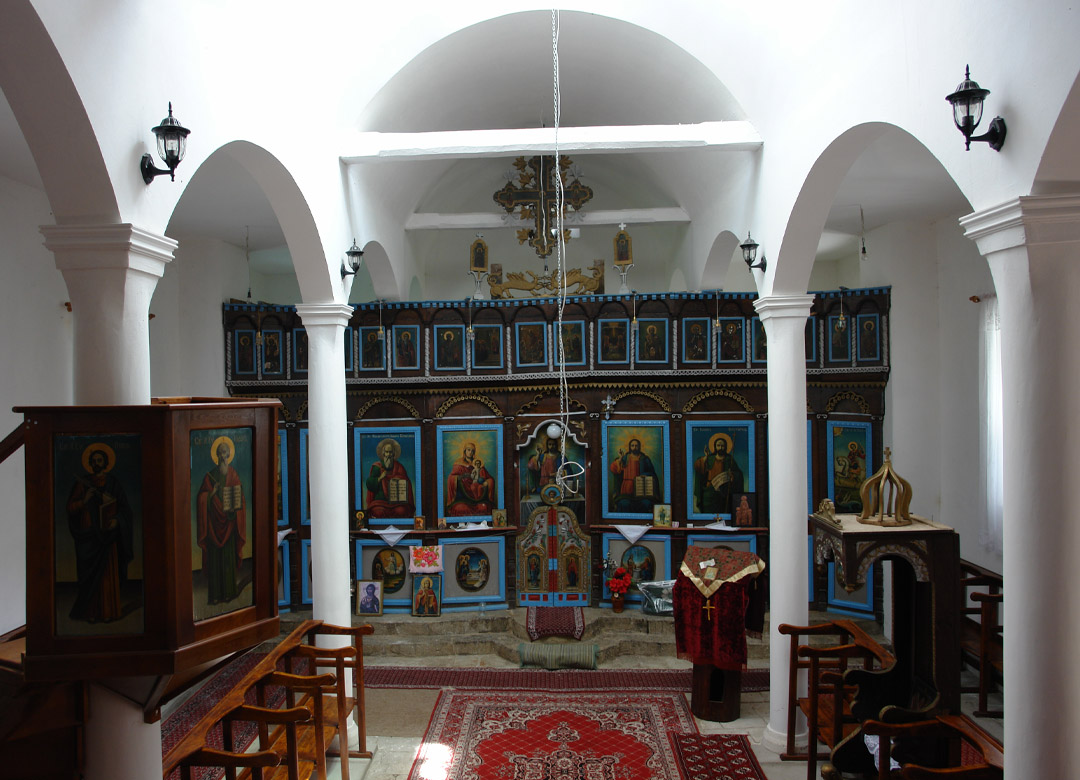
Gallery: Church of the Holy Mother of God
Village of Magarevo
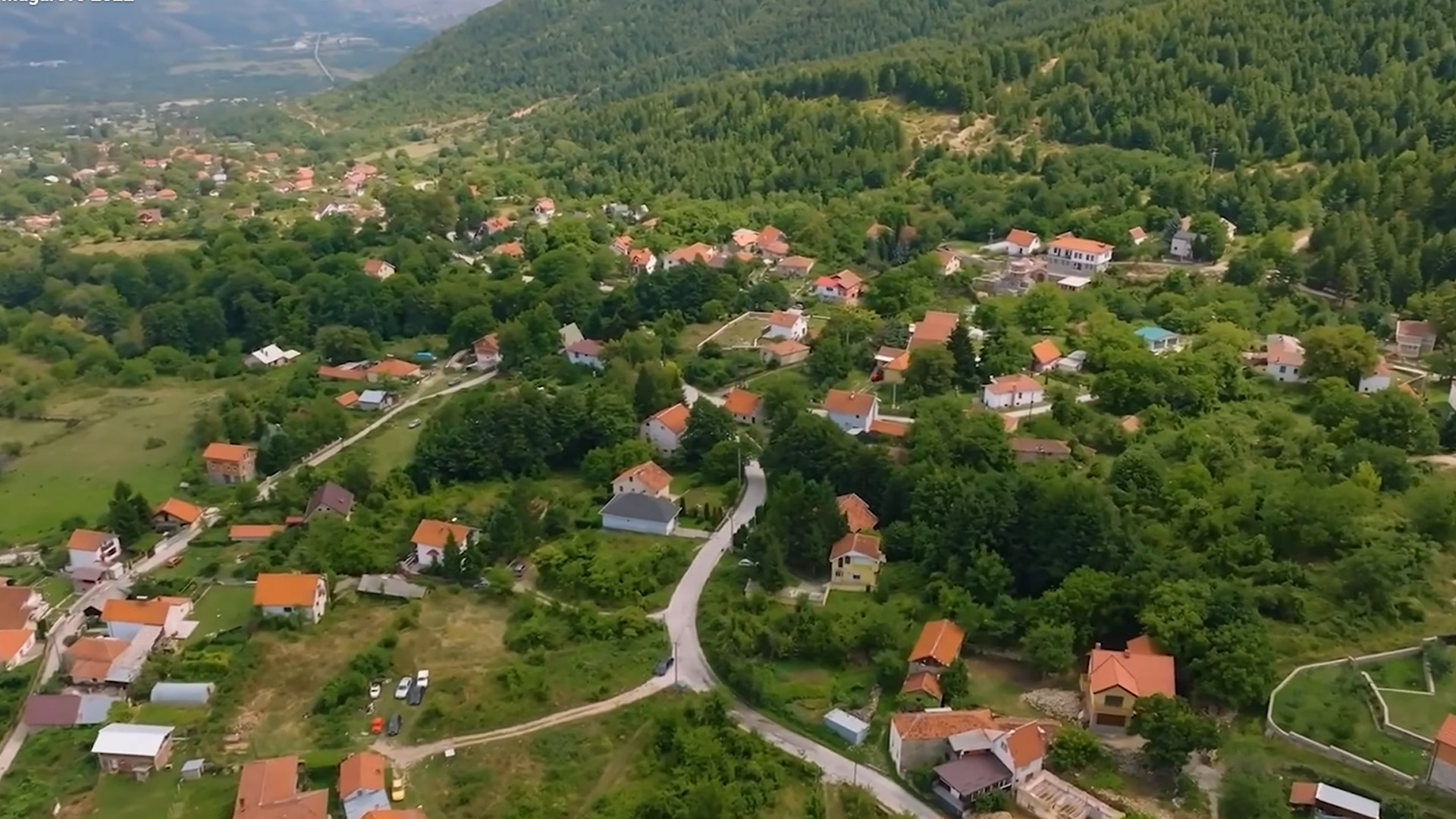
The village of Magarevo is located on the northern slopes of Baba Mountain, in the immediate vicinity of the entrance to National Park Pelister. The village is well-known for its Vlach tradition, old stone houses, and tranquil natural environment. Thanks to its proximity to Pelister, Magarevo serves as an excellent starting point for hiking trails and walks toward the park’s most famous natural beauties—the Molika pine forests, the Pelister Lakes, and the Pelister Peak. This makes the village an attractive destination for mountain tourism enthusiasts and nature retreats.
Religious Objects
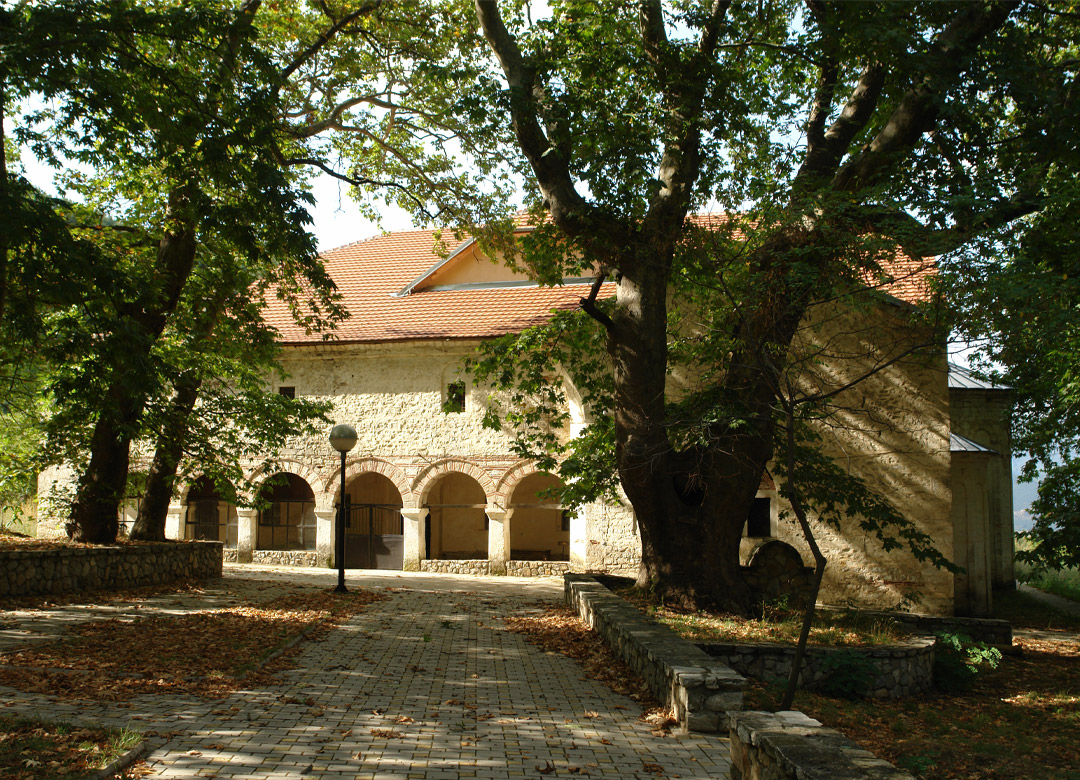
Church of St. Demetrius – The region’s unique three-aisled basilica was built in 1835.
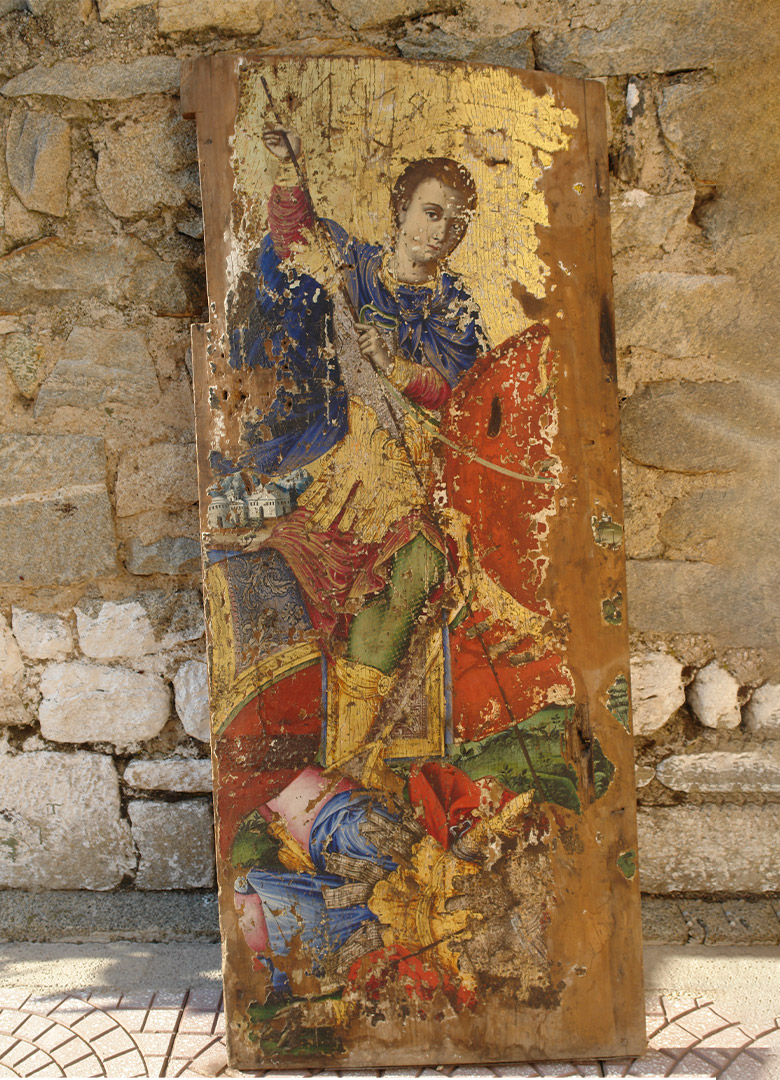
Church of St. George – Historic shrine originating from a former convent (women’s monastery).
Gallery: Church of St. Demetrius
Gallery: Church of St. George
Village of Rotino
Rotino is a small village in the Municipality of Bitola, situated on the northern slopes of Baba Mountain, very close to the boundary of National Park Pelister. Due to its location, the village is a peaceful natural oasis offering easy access to hiking trails, clean springs, and lush forests.
Near Rotino, trails begin that lead to the famous natural beauties of Pelister, including the Molika pine forests, the Pelister Lakes, and Pelister Peak. As a result, the village is a frequent starting point for hikers, cyclists, and nature enthusiasts.
Religious Objects
Church of St. Nicholas the Lower – Main village church (1870).
Church of St. Nicholas the Upper – Cemetery church.
Church of St. Elijah – Monastery church in the Rotino Monastery.
Archaeological Sites
Arnautski Pat – Roman period.
Monastery Church of St. Elijah – Medieval settlement.
Staro Selo – Roman settlement.
Gallery: Churches of St. Nicholas
Village of Capari
The village of Capari is situated on the northern slopes of Baba Mountain, near the borders of National Park Pelister. The village is known for its quiet mountain environment, traditional architecture, and old churches that reflect its rich local heritage.
Thanks to its location, Capari is an excellent starting point for walks and hiking toward Pelister. Trails leading to picturesque mountain landscapes, Molika pine forests, and the famous Pelister Lakes start from the village. This location makes Capari an attractive destination for nature and active tourism enthusiasts.
Religious Objects
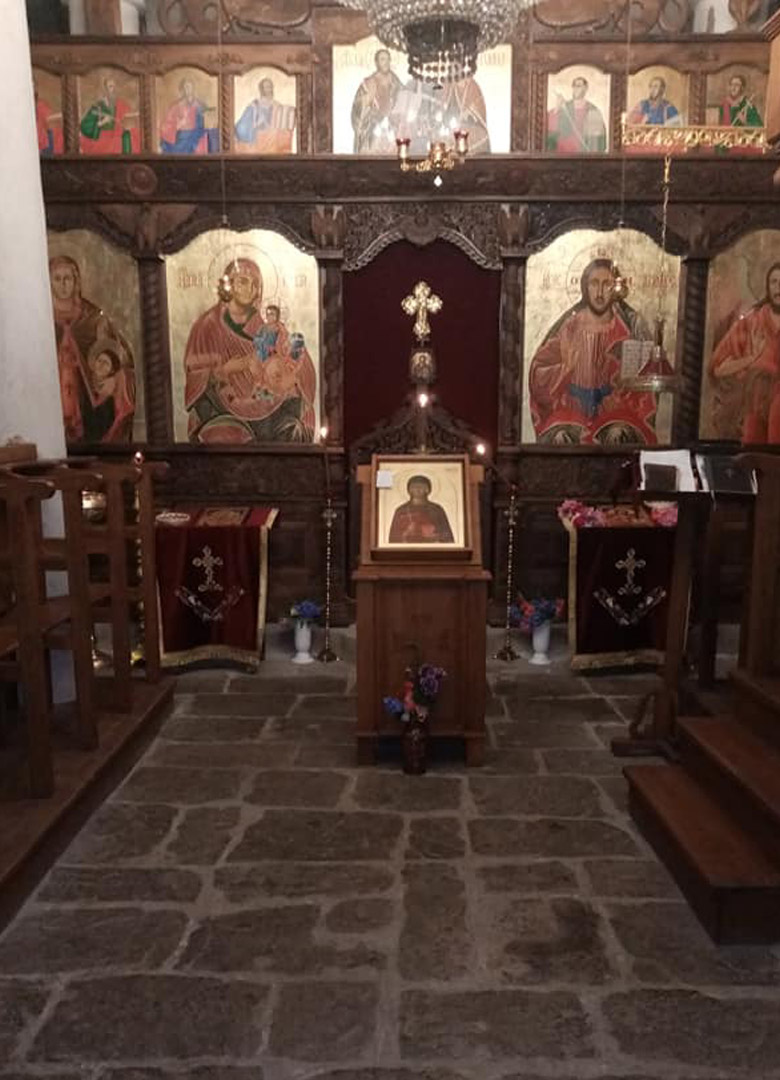
Church of St. Petka – Main church of the Capari Monastery (founded in 1724)
Church of St. George
Church of St. Athanasius
Church of the Ascension of Christ
Church of St. George
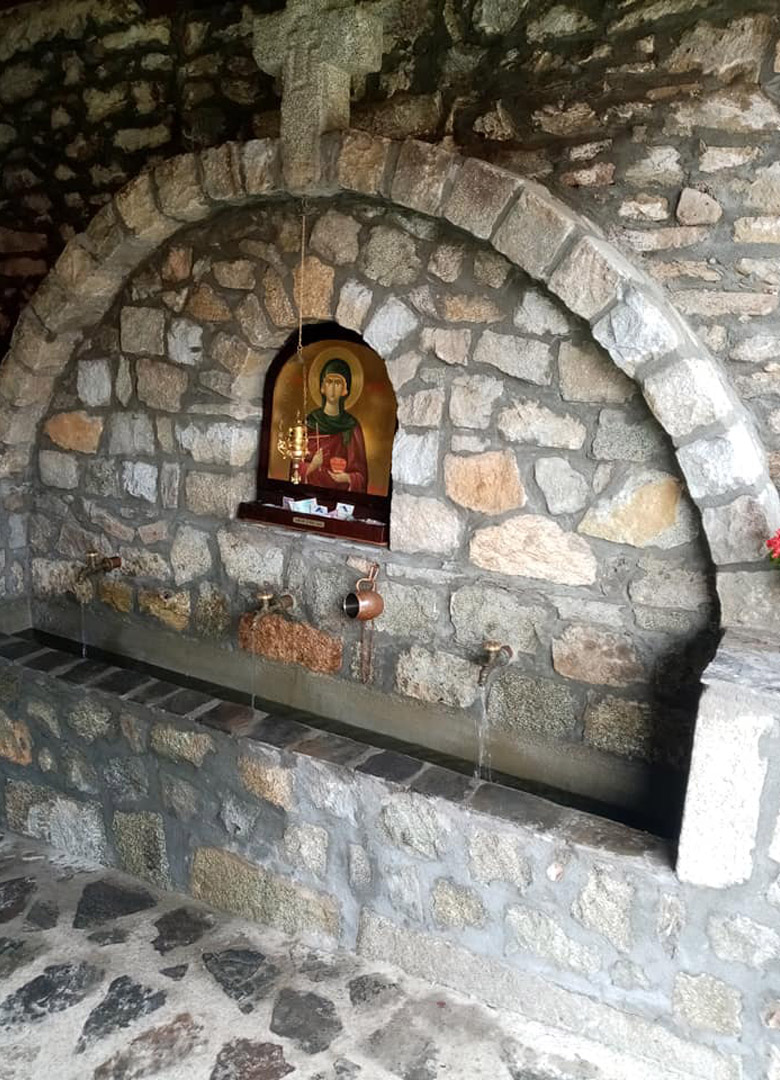
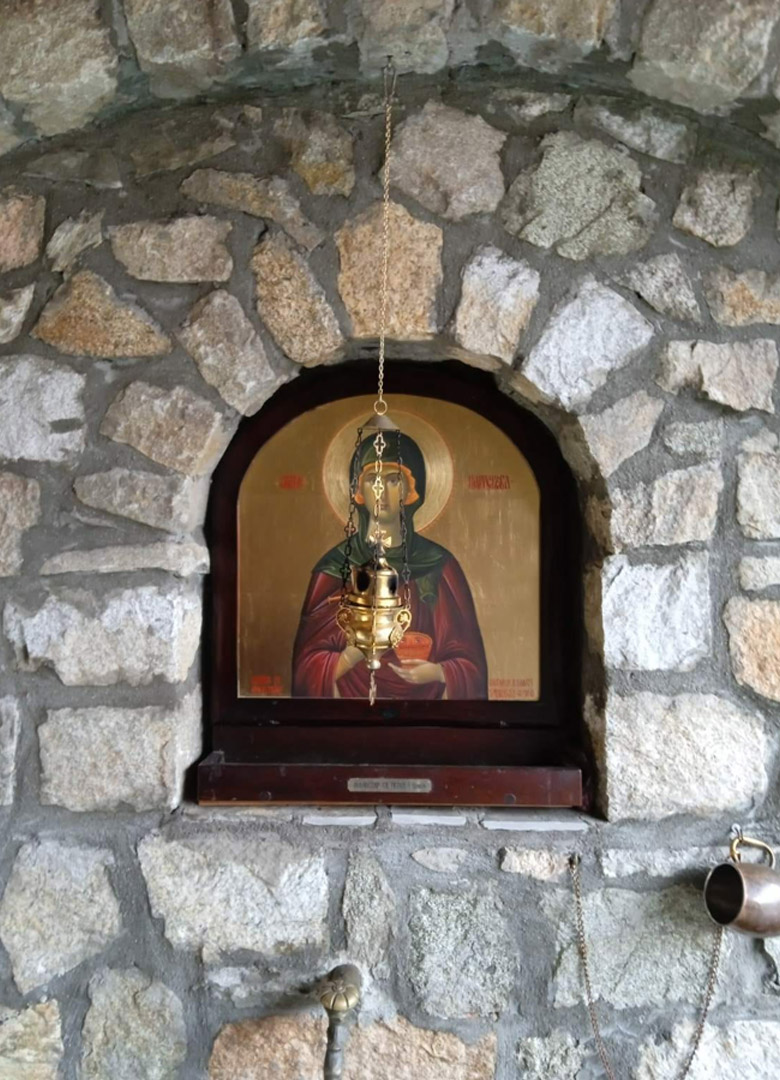
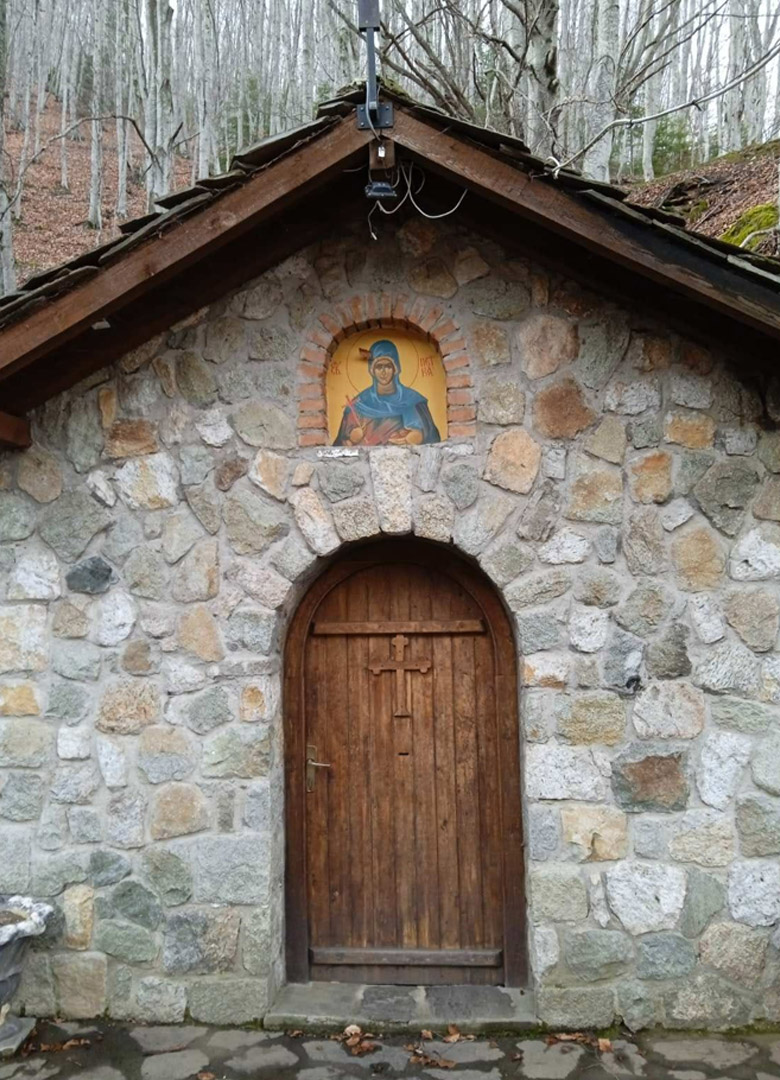
Church of St. Petka – Church with holy water
Archaeological Sites
Kale – Settlement (Late Antiquity and Middle Ages)
Patrica – Roman necropolis
Šuma – Late Antique necropolis
Cultural Events
Babari Carnival – January 14
Gallery: Churches of St. Petka (Main Church and Church with Holy Water)
Gallery: Church of St. George
Village of Malovište
The village of Malovišta is situated in the heart of National Park Pelister and is the only village located entirely within the park’s boundaries. It is well-known for its traditional architecture, cobbled streets, and preserved Vlach cultural elements. Malovišta serves as a starting point for several important hiking trails leading toward Pelister Peak, the Pelister Lakes, and the dense Molika pine forests.
Thanks to its authenticity and natural environment, the village is one of the most attractive places for mountain tourism, photography, and retreats in pristine nature. As a protected monument entity, Malovišta is the only inhabited place within the boundaries of NP Pelister.
Religious Objects
Church of St. Petka – Main village church (1856)
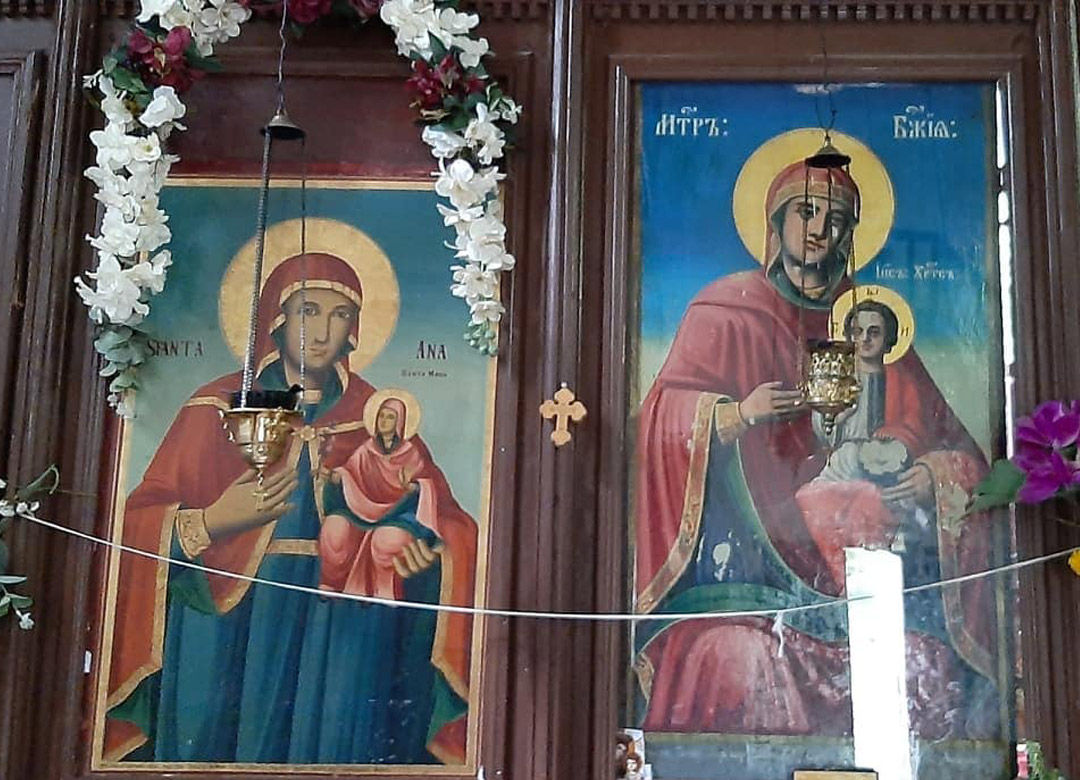
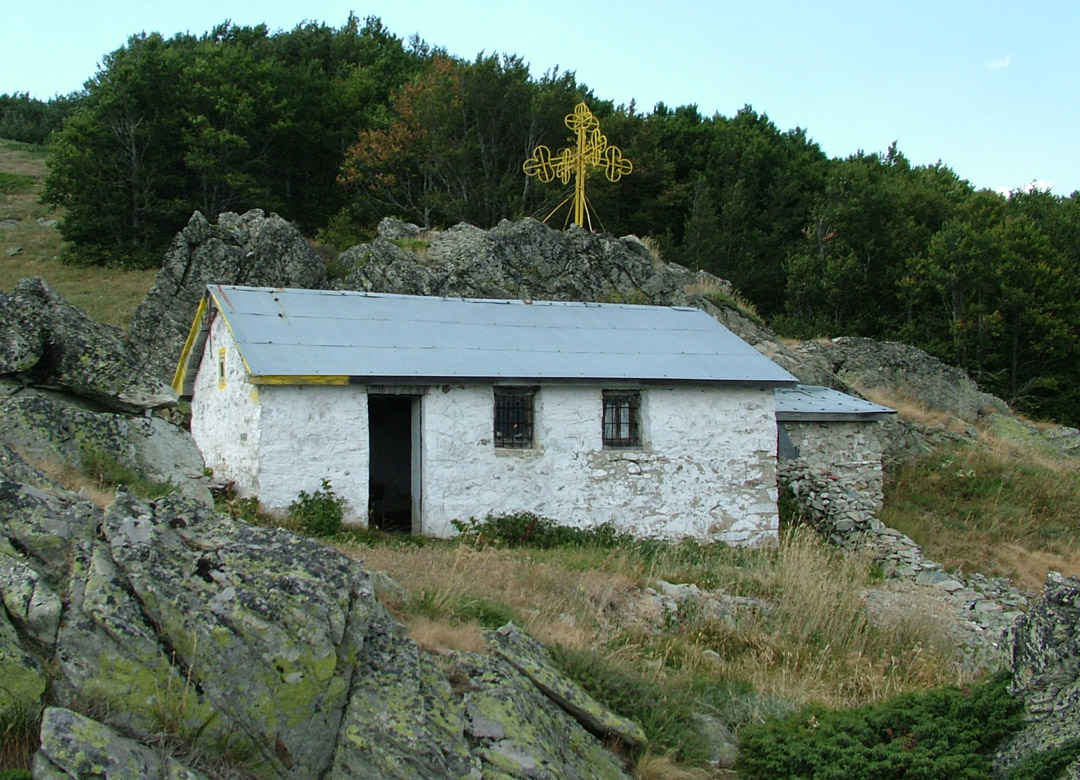
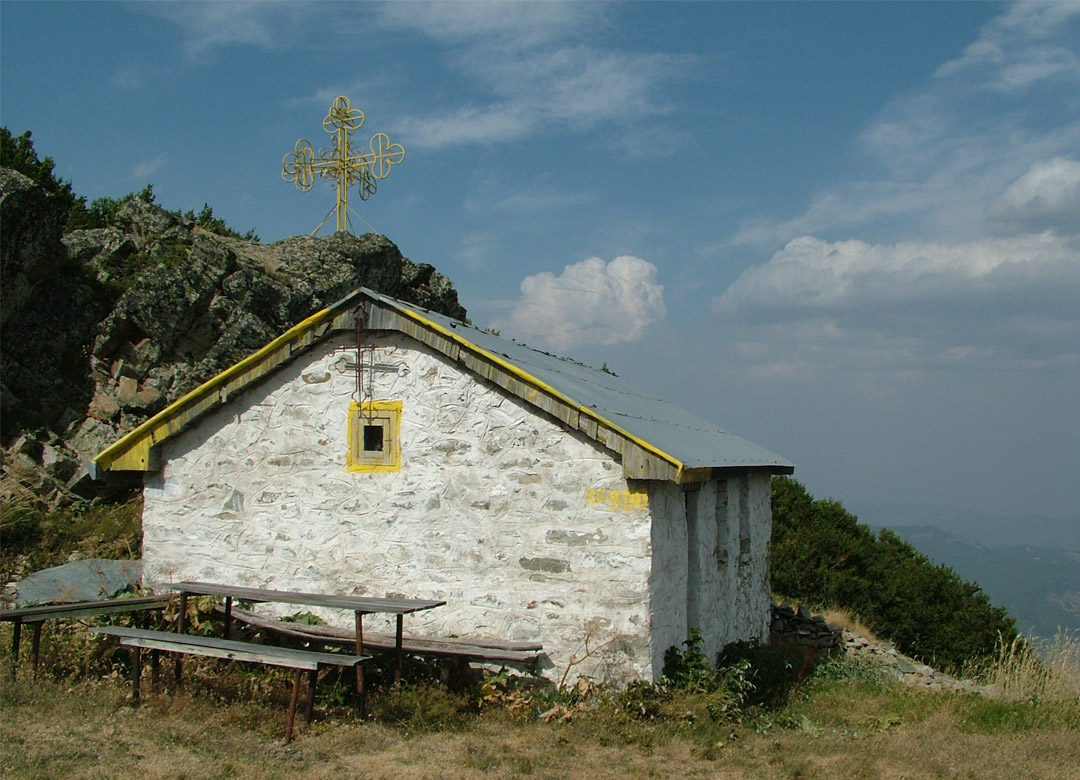
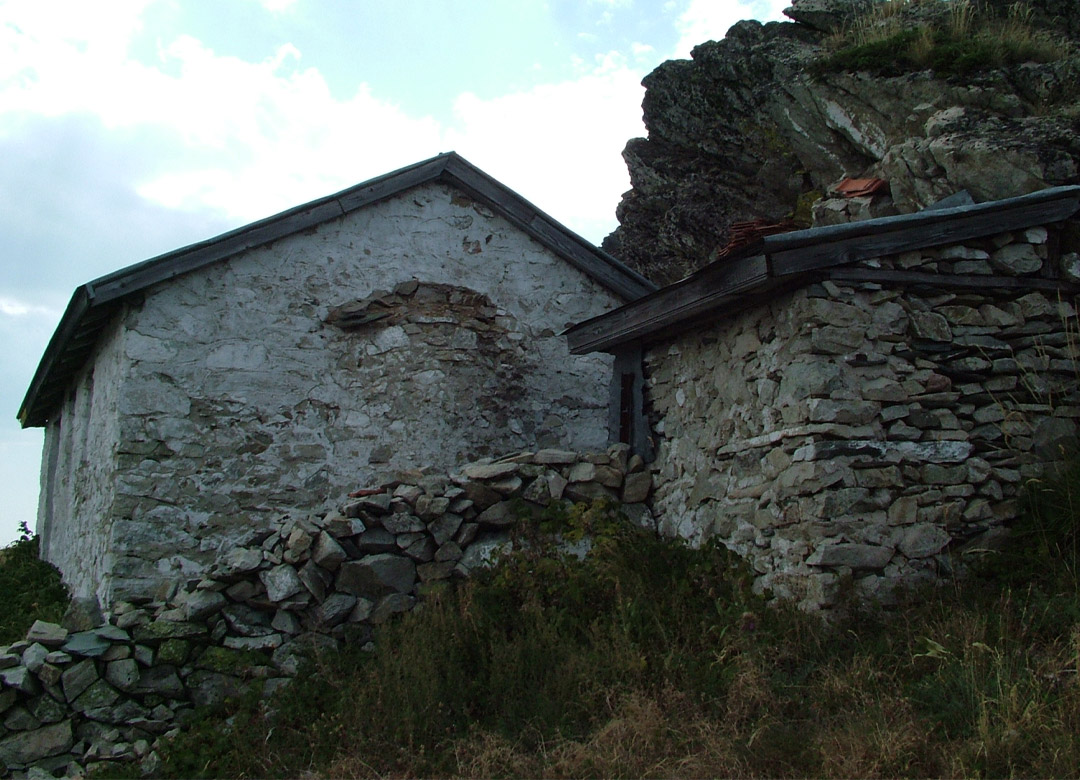
Church of St. Anna – Monastery church at 1,400 m a.s.l., known for its holy water
Church of the Ascension of Christ – Below Pyramida Peak (2,000 m a.s.l.)
Church of St. George
Church of St. Athanasius the Great
Archaeological Sites
Markova Kula – Iron Age settlement
Popova Niva – Medieval site
Cultural Events
Vasilicarski Carnival – January 14
Ethno Festival “Malovišta” – Showcase of Vlach culture
Gallery: Church of St. Anna
Gallery: Church of St. Spas
Gallery: Traditional Architecture of Malovište
Village of Nižepole
The village of Nižepole is located at the foot of Baba Mountain, in the immediate vicinity of National Park Pelister. The village is known for its peaceful mountain atmosphere, old stone houses, and the characteristic Vlach tradition that is part of the local heritage.
Due to its proximity to Pelister, Nižepole is an excellent starting point for hiking trails, walks, and excursions toward the park’s natural attractions, such as the Molika pine forests, the Pelister Lakes, and the mountain’s rich wildlife. The village is ideal for lovers of nature, active tourism, and quiet stays in a mountain environment. Nižepole is a village with a rich spiritual and archaeological heritage.
Religious Objects
Church of St. Athanasius – Below Pelister, with an authentic iconostasis
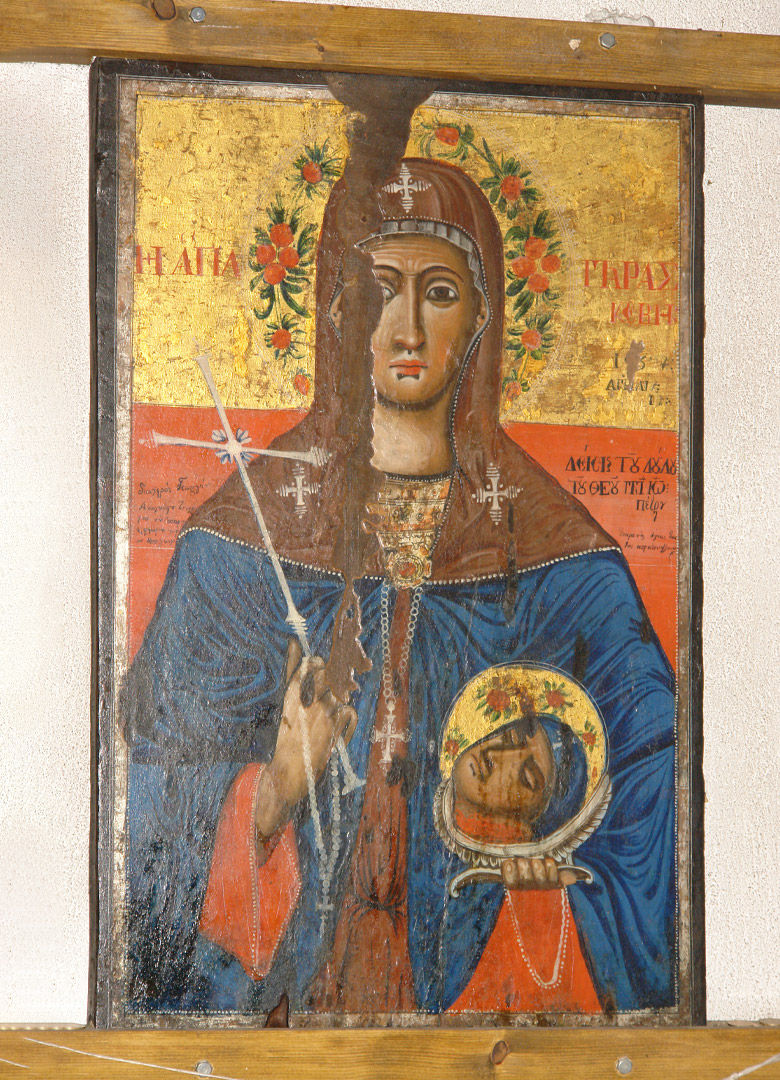
Church of St. Petka (St. Parascheva) – Main village church
Archaeological Sites
Gorno Selo – Medieval settlement
Kaj Crkvata – Medieval church and necropolis
Cultural Events
Nižepole Art Colony – International character
Gallery: Church of St. Petka
Village of Kažani
The village of Kažani is located on the northern slopes of Baba Mountain, near National Park Pelister. The village is known for its peaceful mountain environment, traditional stone houses, and preserved local culture.
Thanks to its position, Kažani is an excellent starting point for hiking and walks toward the Pelister Lakes, the Molika pine forests, and Pelister Peak. The village is an ideal destination for lovers of nature, fresh air, and active mountain vacations.
Religious Objects
Studena Česma
Jašarova Kula – Roman settlement
Културни настани
August 18 Commemoration – In memory of the police station attack during the National Liberation War (WWII).
Gallery: Church of St. Nicholas
Village of Dihovo
The village of Dihovo is located on the northern slopes of Baba Mountain, in the vicinity of National Park Pelister. The village is well-known for its traditional architecture, peaceful mountain environment, and preserved local culture.
Due to its proximity to Pelister, Dihovo is an excellent starting point for hiking trails and walks leading to the Pelister Lakes, the Molika pine forests, and Pelister Peak. The village is an attractive destination for nature lovers, active tourism, and quiet vacations in a mountain environment. Dihovo is exceptionally rich in sacred objects and archaeological sites.
Religious Objects
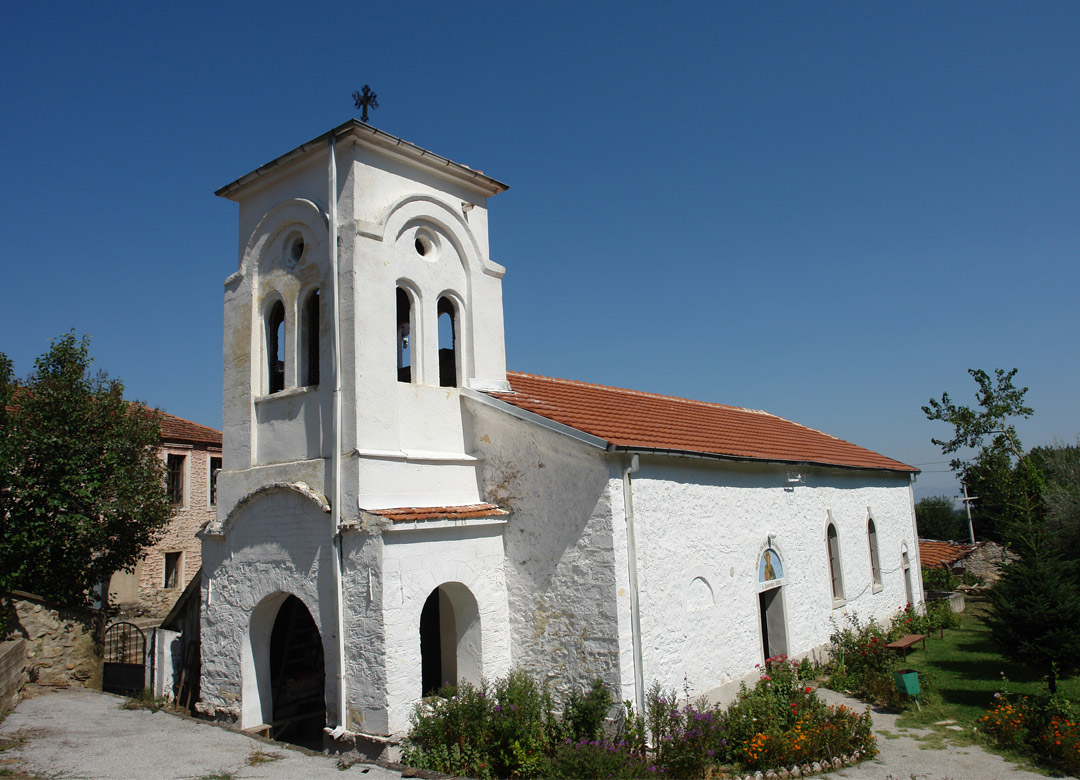
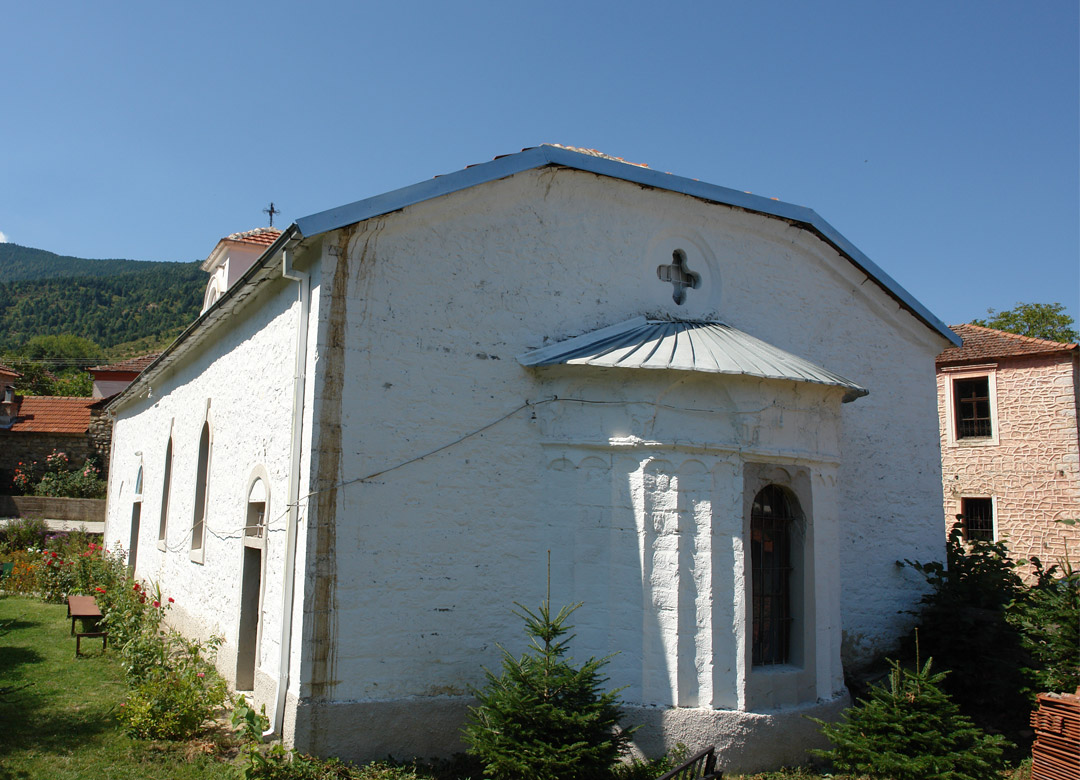
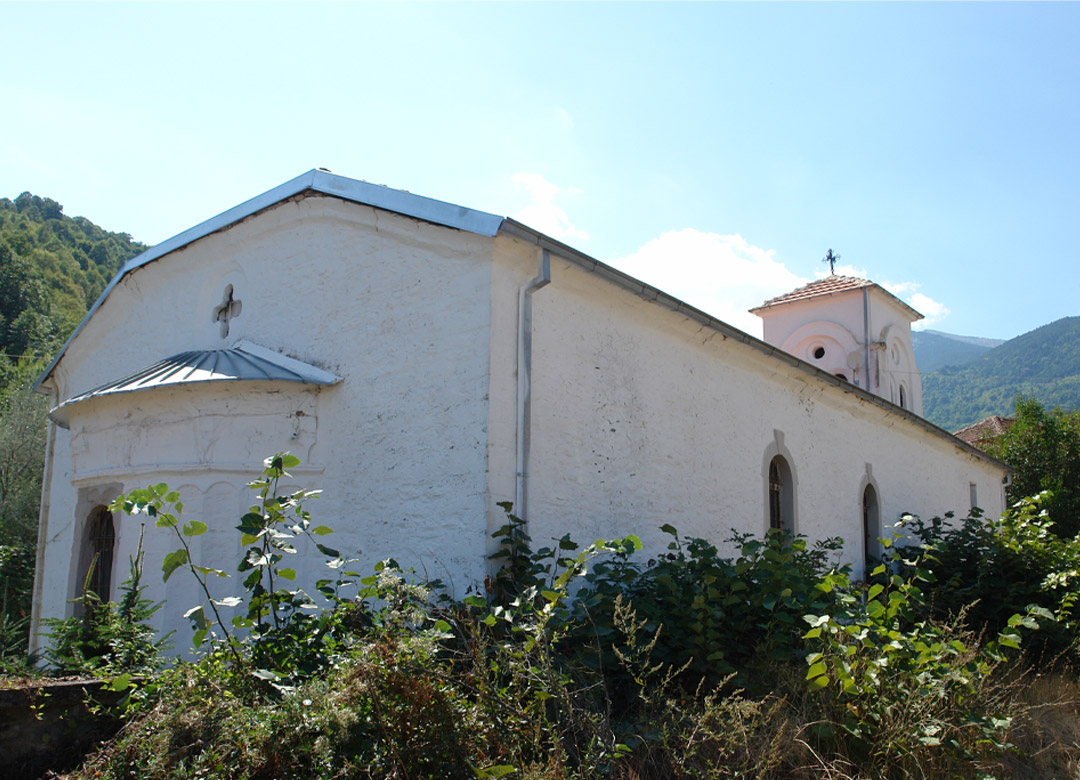
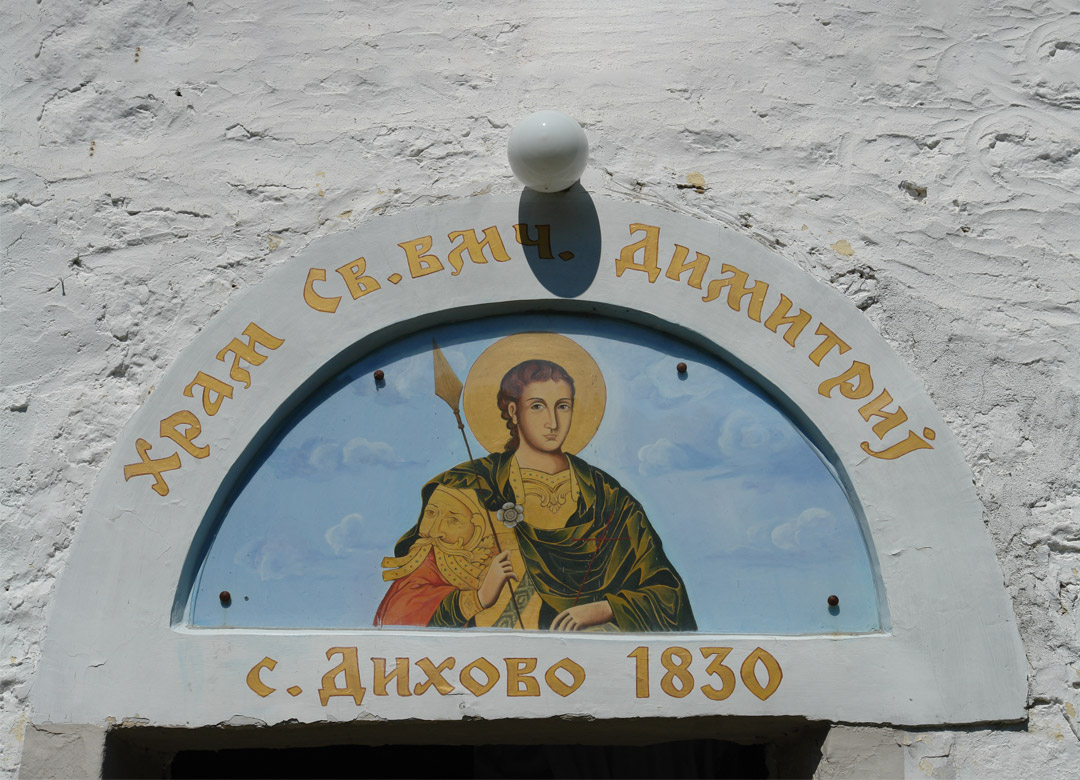
Church of St. Demetrius – Main village church (Upper church)
Church of St. Athanasius – Monastery church
Church of St. Nedela – Medieval necropolis
Archaeological Sites
Bratinska Reka – Roman settlement
Varvara – Medieval necropolis
Ograđe – Roman settlement and necropolis
Traditional Houses – Over 150 years old, representing the unique local building style.
Gallery: Church of St. Demetrius
Village of Brajčino
The village of Brajčino is located on the southern slopes of Baba Mountain, in the immediate vicinity of National Park Pelister. The village is known for its well-preserved traditional architecture, stone houses, and peaceful mountain surroundings.
Brajčino is a starting point for hiking trails leading toward the Pelister Lakes, the dense Molika pine forests, and Pelister Peak. The village attracts tourists who value nature, active recreation, and an authentic mountain atmosphere.
Religious Objects
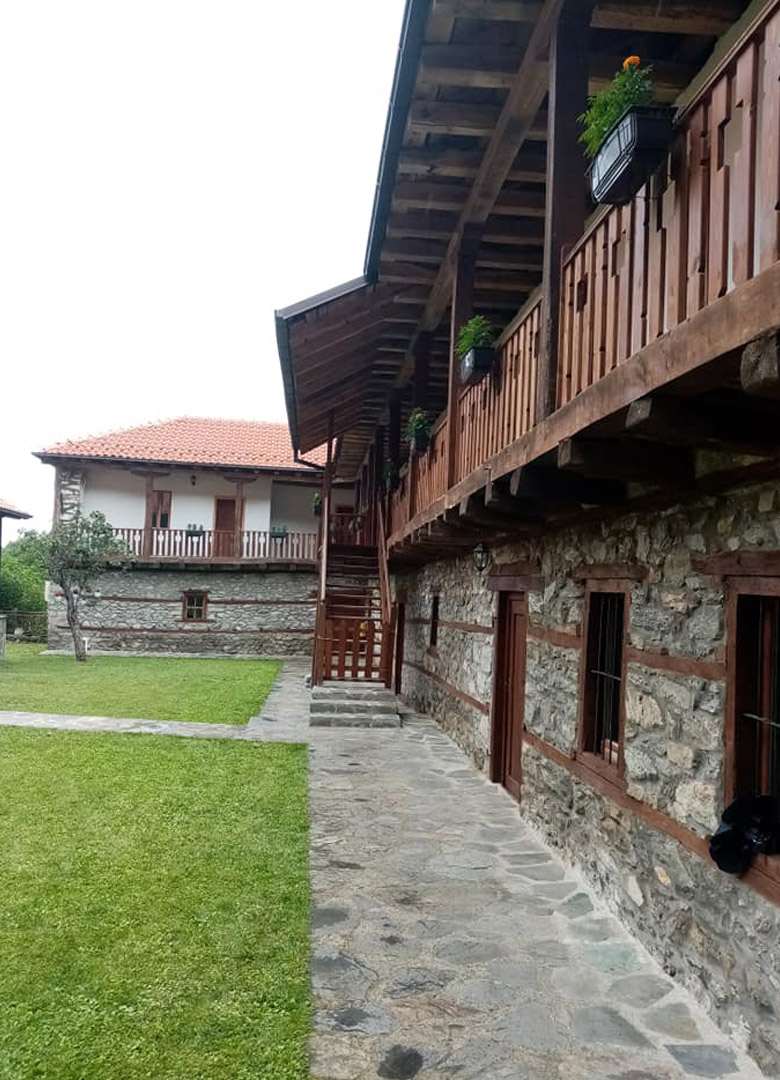
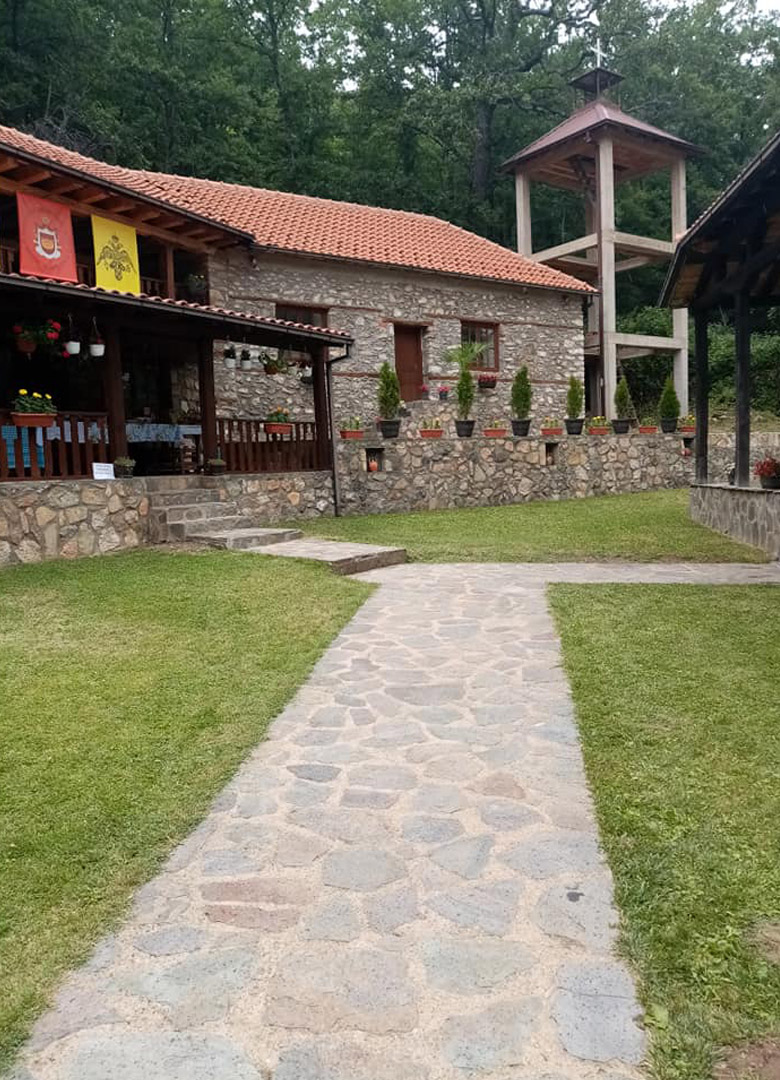
Brajčino Monastery Complex (15th century):
Church of St. Petka
Monastery Konaks (Lodgings)
Holy Water Fountain
Archaeological Sites
St. Atanas – Medieval
The Tower (Kula) – Medieval
Gallery: Church of St. Nicholas
Gallery: Church of St. Petka
Village of Ljubojno
The village of Ljubojno is located on the southern slopes of Baba Mountain, in the immediate vicinity of National Park Pelister. The village is known for its traditional architecture, stone houses, and peaceful mountain surroundings.
Ljubojno is an excellent starting point for hiking trails leading toward the Pelister Lakes, the dense Molika pine forests, and Pelister Peak. The village is an attractive destination for nature lovers, active recreation, and an authentic mountain atmosphere.
Ljubojno is a protected monumental entity with six archaeological sites: Kučišta, Rudina, Kula, Graišta, Prisoj, and St. Demetrius.
Religious Objects
Ljubojno Monastery Complex:
Church of St. Peter and Paul – Featuring a water fountain and a bell tower dating back to 1923
Village Churches :
Church of St. Elijah
Church of St. John
Church of St. Athanasius
Church of the Holy Mother of God / Theotokos
Church of St. Nicholas
Church of St. Demetrius
Church of the Nativity of the Virgin / Lesser Theotokos
Church of St. Marena
Gallery: Church of St. John
Make a Reservation
Fill in the following information for your next Pelister experience. Guaranteed safety and an unforgettable adventure.
Make a Reservation
Fill in the following information for your next Pelister experience. Guaranteed safety and an unforgettable adventure.
Make a Reservation
Fill in the following information for your next Pelister experience. Guaranteed safety and an unforgettable adventure.
Make a Reservation
Fill in the following information for your next Pelister experience. Guaranteed safety and an unforgettable adventure.
Make a Reservation
Fill in the following information for your next Pelister experience. Guaranteed safety and an unforgettable adventure.
Make a Reservation
Fill in the following information for your next Pelister experience. Guaranteed safety and an unforgettable adventure.
Make a Reservation
Fill in the following information for your next Pelister experience. Guaranteed safety and an unforgettable adventure.
Make a Reservation
Fill in the following information for your next Pelister experience. Guaranteed safety and an unforgettable adventure.
Make a Reservation
Fill in the following information for your next Pelister experience. Guaranteed safety and an unforgettable adventure.
Make a Reservation
Fill in the following information for your next Pelister experience. Guaranteed safety and an unforgettable adventure.
Make a Reservation en
Fill in the following information for your next Pelister experience. Guaranteed safety and an unforgettable adventure.
Make a Reservation
Fill in the following information for your next Pelister experience. Guaranteed safety and an unforgettable adventure.
Изберете планинарски водич
Пополнете го формуларот и нашиот тим ќе ве поврзе со идеалниот водич за вашето искуство на Пелистер. Загарантирана безбедност и незаборавна авантура.