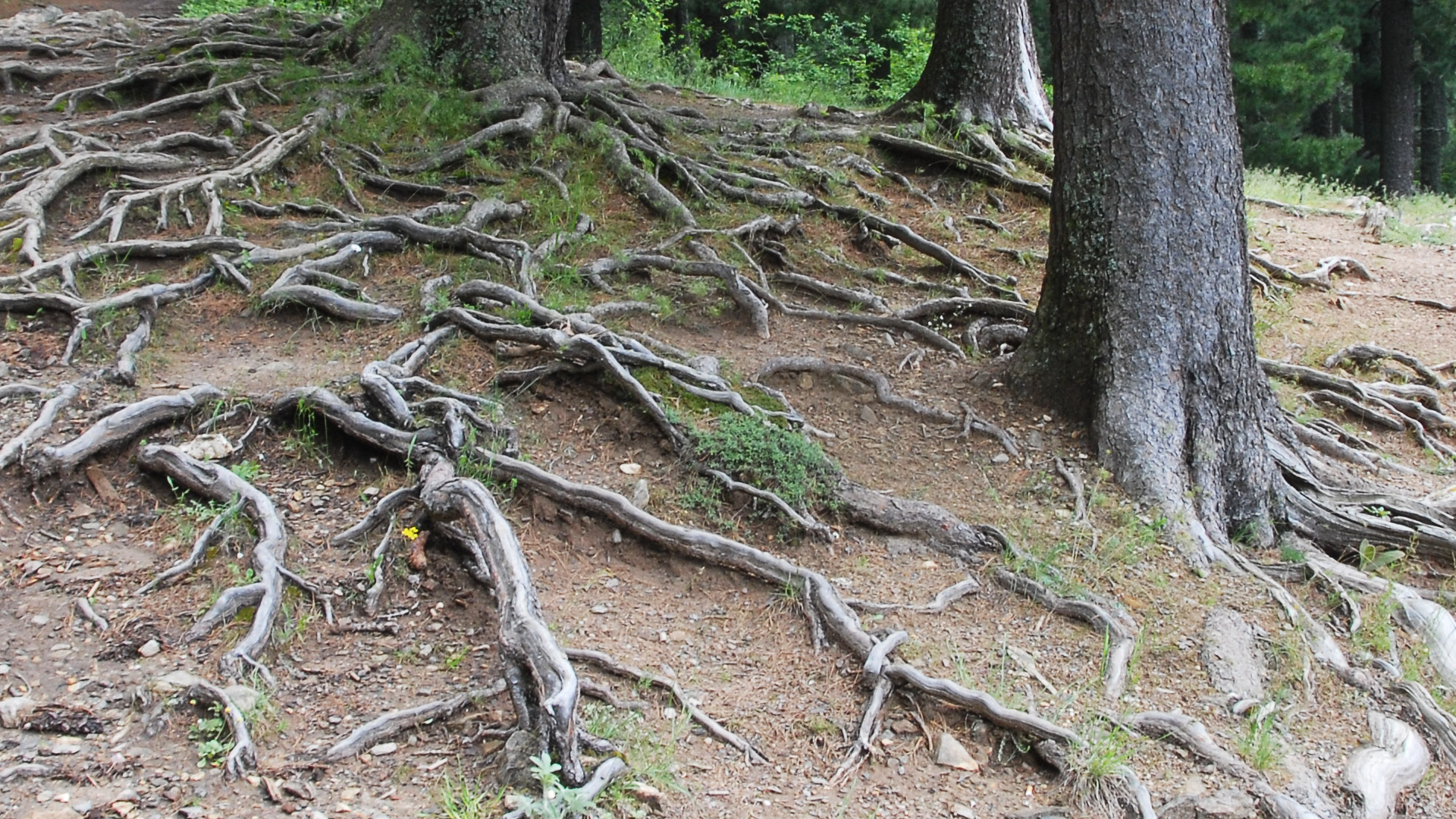
Diverse soil types — ranging from Rankers (humus-silicate) to mountain-forest soils, rich in minerals and organic matter that sustain the Park’s unique vegetation.
Soil Diversity & Pedogenetic Factors
National Park Pelister features a high heterogeneity of pedogenetic factors (geological parent material – substrate, environmental biodiversity, human impact, climate, relief, terrain age, slope, exposure, etc.), which drives a rich diversity of soil cover.
Three main soil types stand out:
Rankers (Humus-Silicate Soils) – Formed through a combination of topographic conditions, climatic factors, and biological influence; most commonly found in high-mountain and submontane zones, and less frequently within forest zones.
Cambisols (Brown Forest Soils) – Present under forest vegetation, particularly within oak, beech, and Molika pine forests, occurring in various evolutionary stages and varieties.
Brunic Arenosols / Brunified Cambisols (Brown Podzolic Soils) – Rare, occurring mainly in submontane zones beneath Molika pine forests.
Make a Reservation
Fill in the following information for your next Pelister experience. Guaranteed safety and an unforgettable adventure.
Make a Reservation
Fill in the following information for your next Pelister experience. Guaranteed safety and an unforgettable adventure.
Make a Reservation
Fill in the following information for your next Pelister experience. Guaranteed safety and an unforgettable adventure.
Make a Reservation
Fill in the following information for your next Pelister experience. Guaranteed safety and an unforgettable adventure.
Make a Reservation
Fill in the following information for your next Pelister experience. Guaranteed safety and an unforgettable adventure.
Make a Reservation
Fill in the following information for your next Pelister experience. Guaranteed safety and an unforgettable adventure.
Make a Reservation
Fill in the following information for your next Pelister experience. Guaranteed safety and an unforgettable adventure.
Make a Reservation
Fill in the following information for your next Pelister experience. Guaranteed safety and an unforgettable adventure.
Make a Reservation
Fill in the following information for your next Pelister experience. Guaranteed safety and an unforgettable adventure.
Make a Reservation
Fill in the following information for your next Pelister experience. Guaranteed safety and an unforgettable adventure.
Make a Reservation en
Fill in the following information for your next Pelister experience. Guaranteed safety and an unforgettable adventure.
Make a Reservation
Fill in the following information for your next Pelister experience. Guaranteed safety and an unforgettable adventure.
Изберете планинарски водич
Пополнете го формуларот и нашиот тим ќе ве поврзе со идеалниот водич за вашето искуство на Пелистер. Загарантирана безбедност и незаборавна авантура.