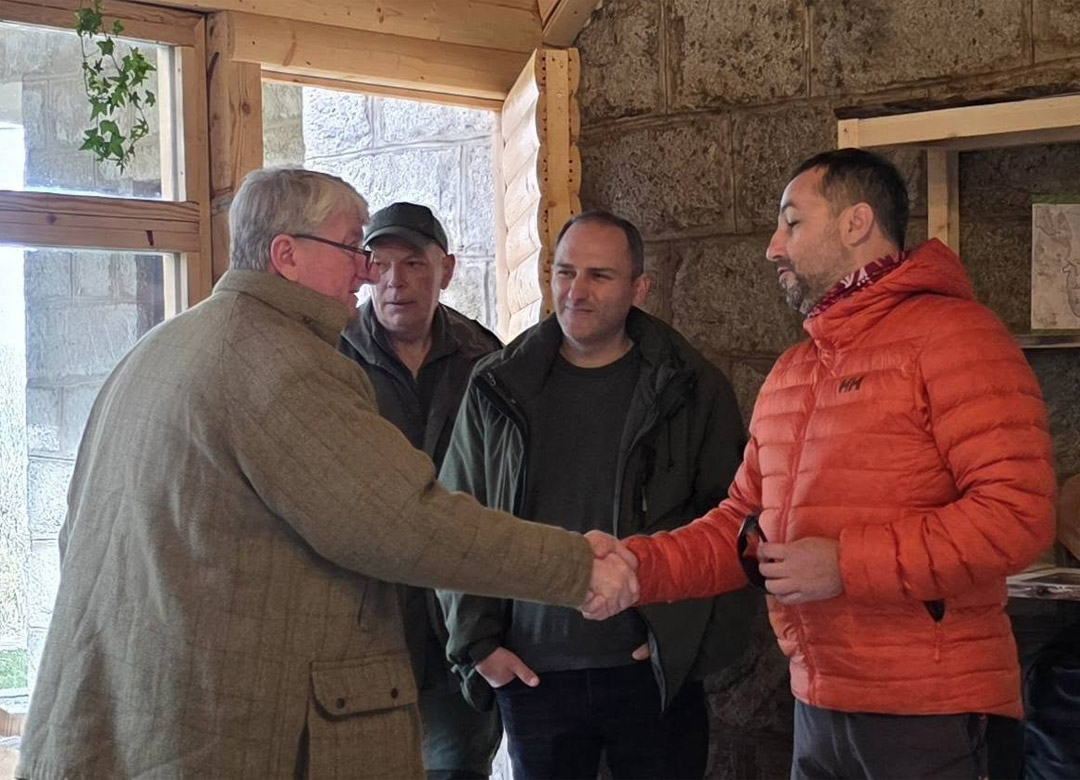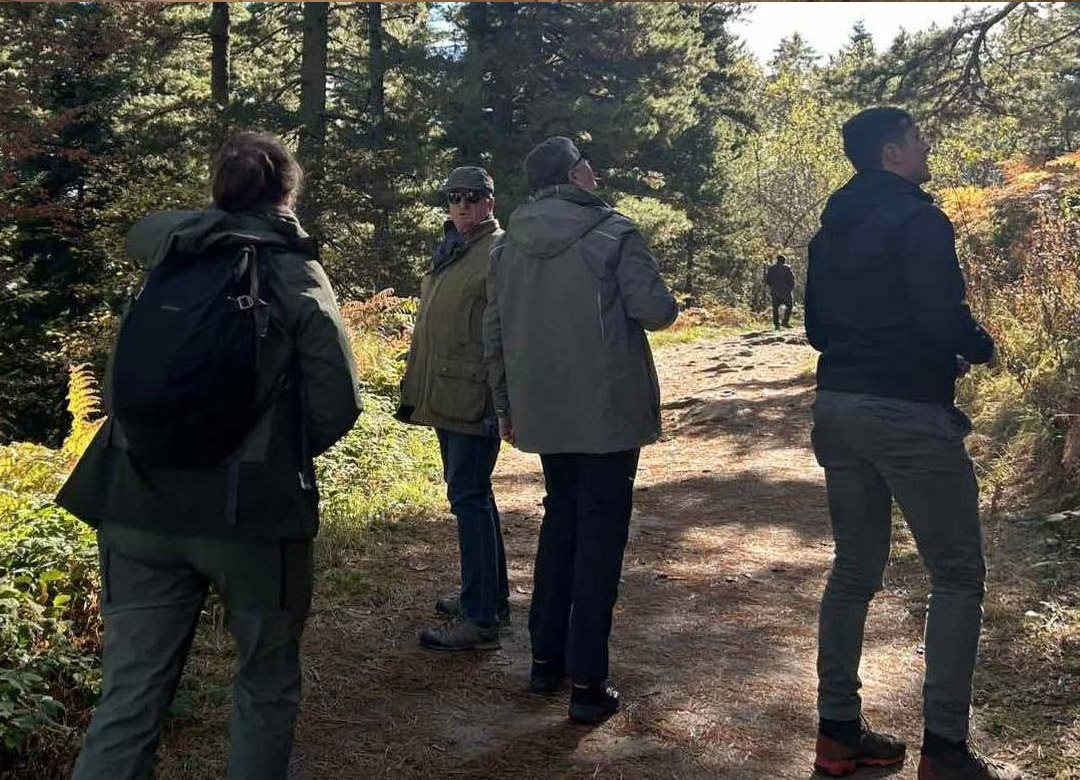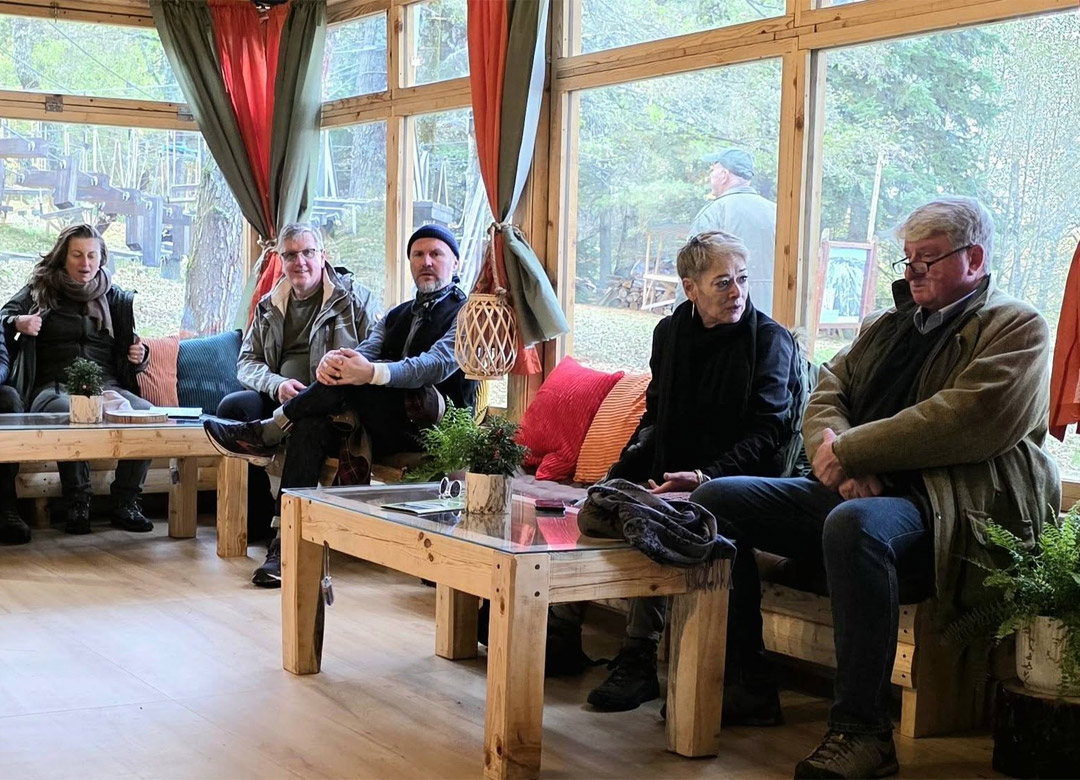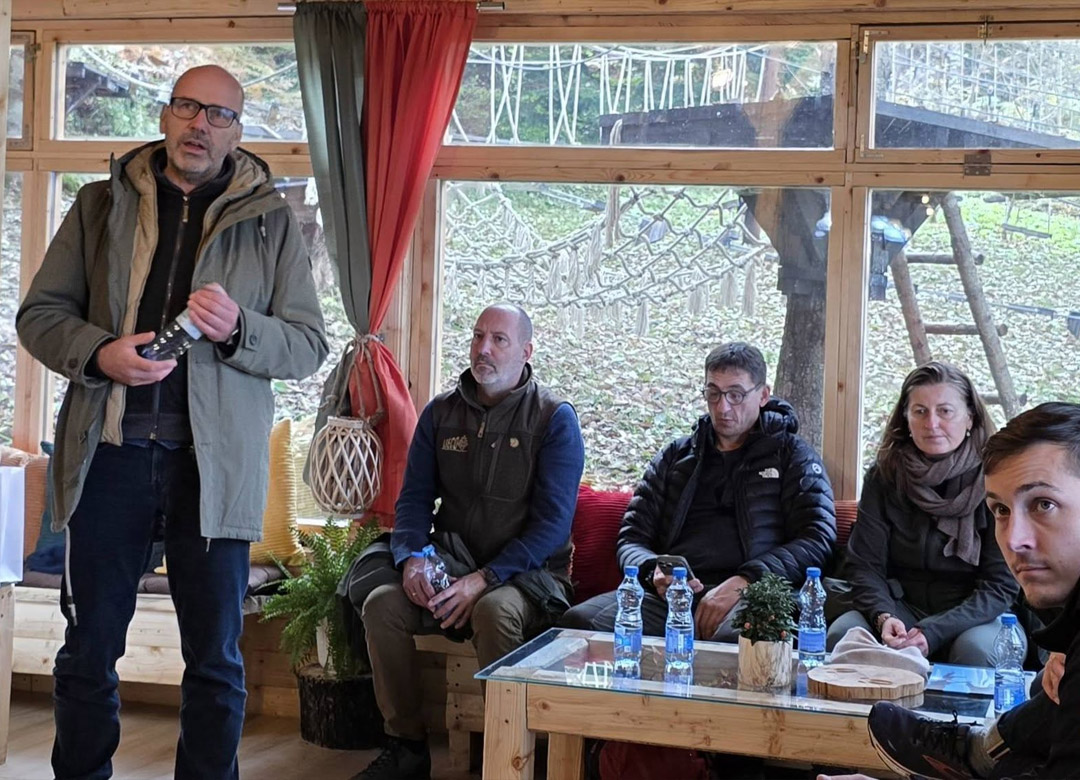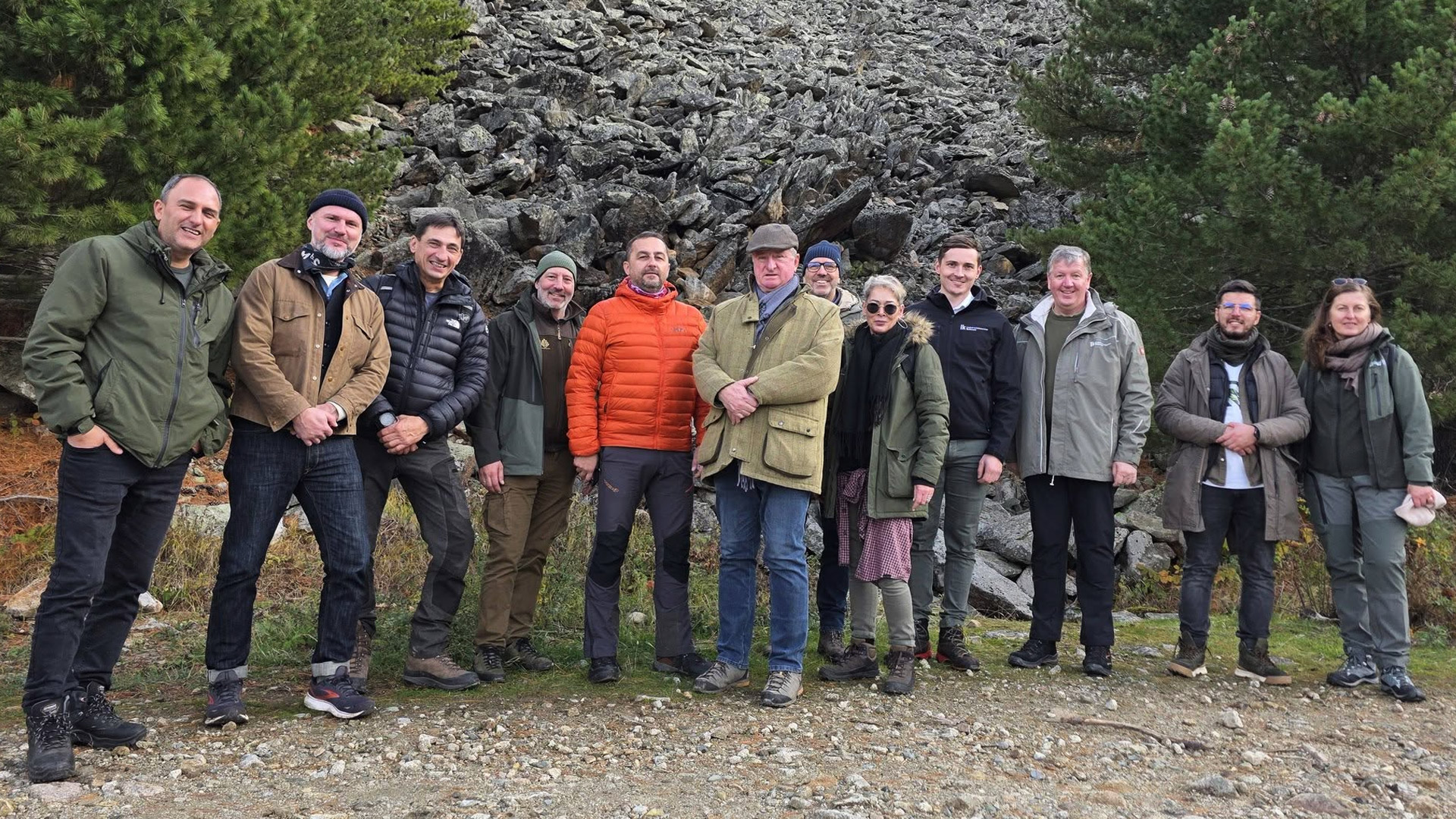
Pelister National Park hosted a working meeting and field visit with forestry experts from Austria, focusing on the genetic potential and seed material of the endemic Macedonian pine – Molika (Pinus peuce).
Composition of the Expert Delegation
The Austrian delegation was led by Christian Brawenz, Attaché at the Federal Ministry of Agriculture, Forestry, Climate and Environmental Protection, and included representatives from leading research and forestry institutions:
- Austrian Research Centre for Forests (BFW): Silvio Schueler and Marcela van Loo.
- LIECO GmbH: Christoph Hartleitner, Director.
- Chamber of Agriculture and Forestry of Styria: Andreas Steinegger and Florian Hechenblaikner.
- University of Natural Resources and Life Sciences, Vienna (BOKU): Simon Jansen.
Future Cooperation Agreed with BOKU University, Vienna
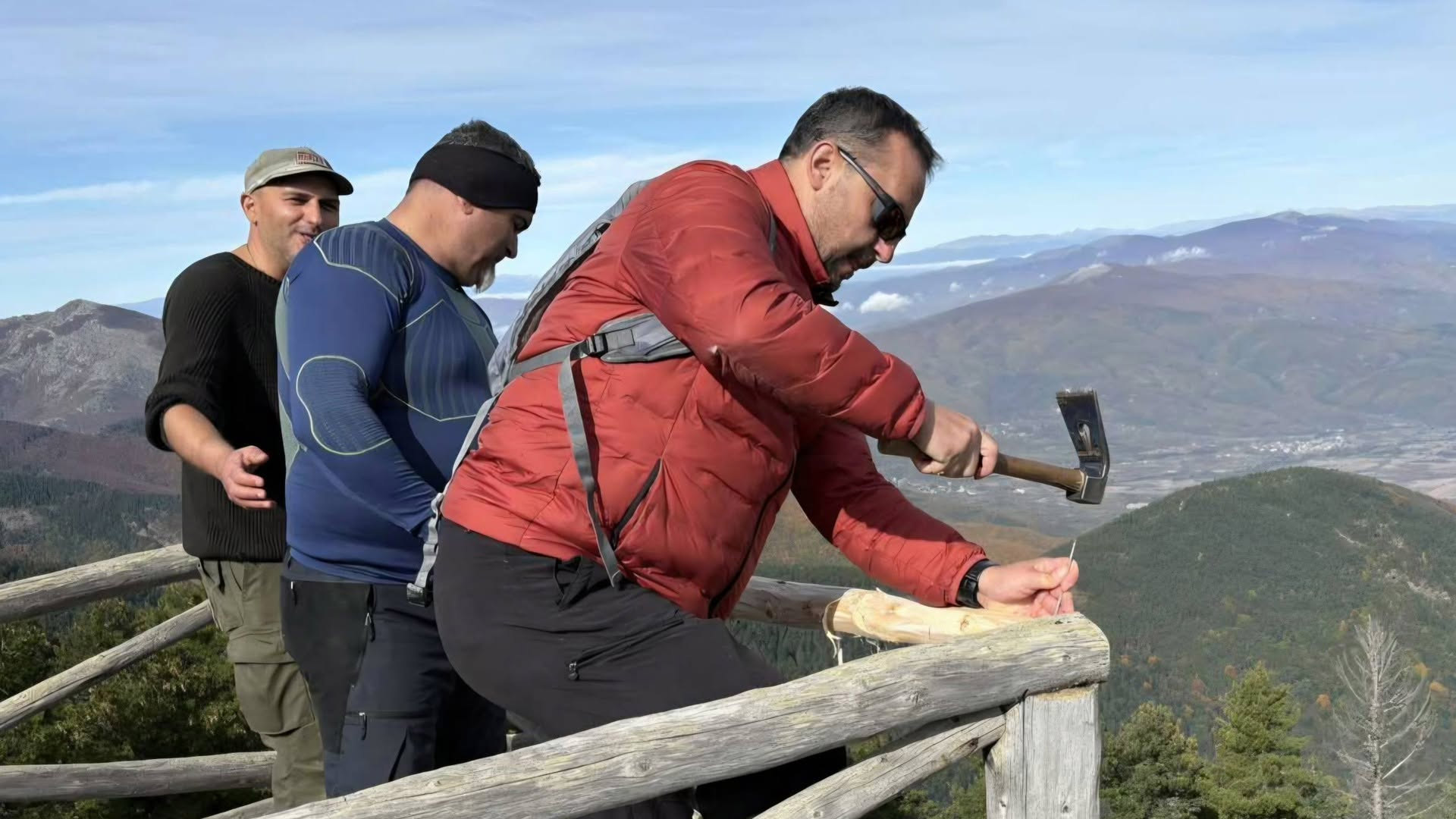
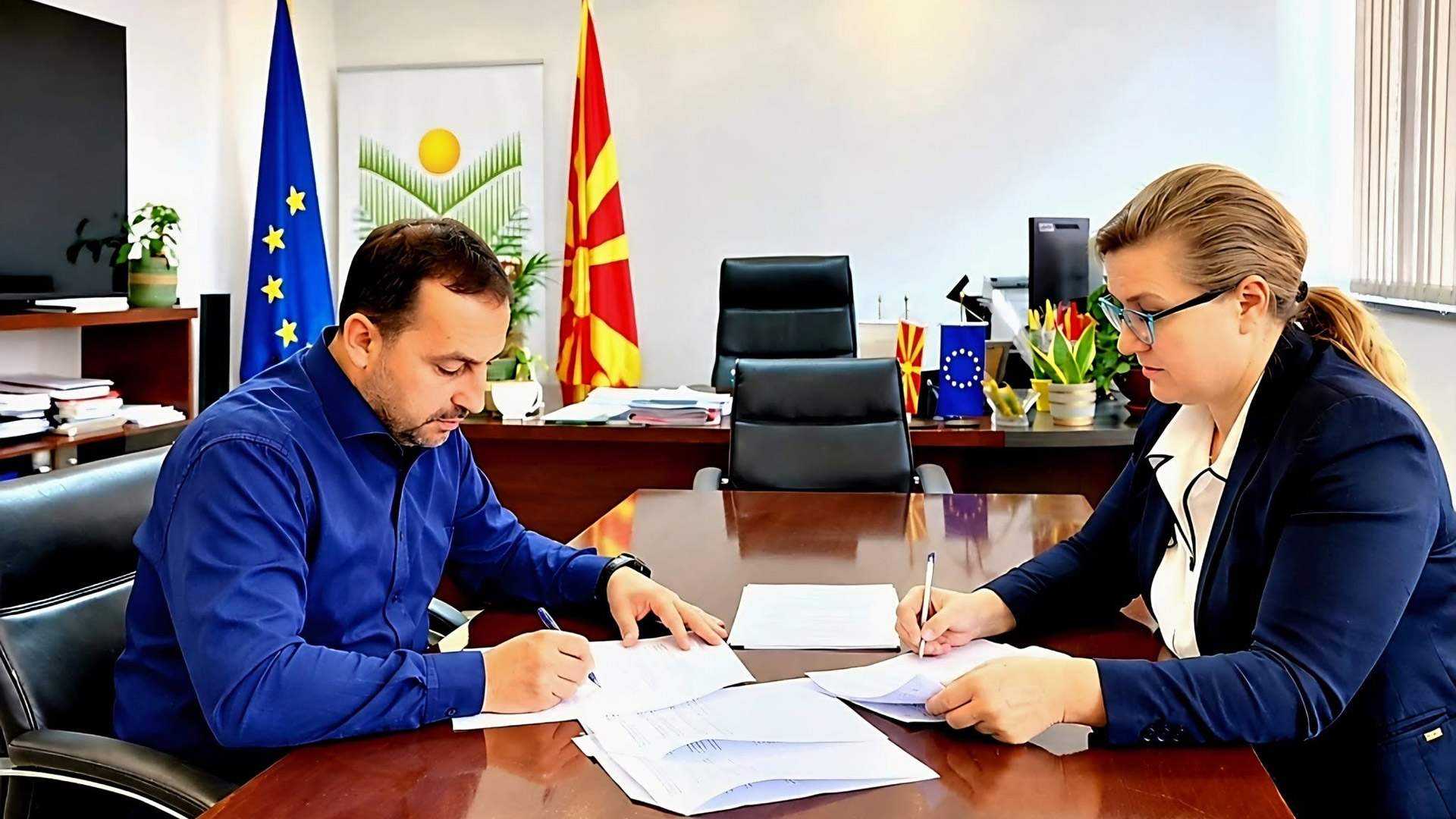
Following field inspections across several locations within the Molika forest stands on Pelister, the visiting experts expressed strong interest in the genetic traits of the native trees. The meeting concluded with an agreement for future scientific collaboration between Pelister National Park and the University of Natural Resources and Life Sciences, Vienna (BOKU).
Joint efforts will focus on the organized collection and research of seed material aimed at forest restoration and gene pool conservation, with a primary emphasis on adapting forest ecosystems to climate change.
Role of Macedonian Pine in European Forestry
Owing to its resilience, genetic properties, and life cycle, the Macedonian pine (Pinus peuce) is increasingly recognized as a viable species for introduction into Central and Western European forests. Within broader species-substitution and climate adaptation strategies, Molika plays an important role in preserving forest ecosystems as vital reservoirs of biodiversity, clean air, and drinking water.